M9 – Museo del ‘900: A snapshot of the 20th century and Mestre’s untold avant-garde
Two World Wars, the masses, totalitarianism and democracy, the ‘Carosello’ and miniskirts, the rise of image as a calling card, TV and telecommunications, the golden age of neorealist cinema, collective movements and political struggles, the fight for civil rights, telephone booths, high-speed trains, computers, and the Internet.
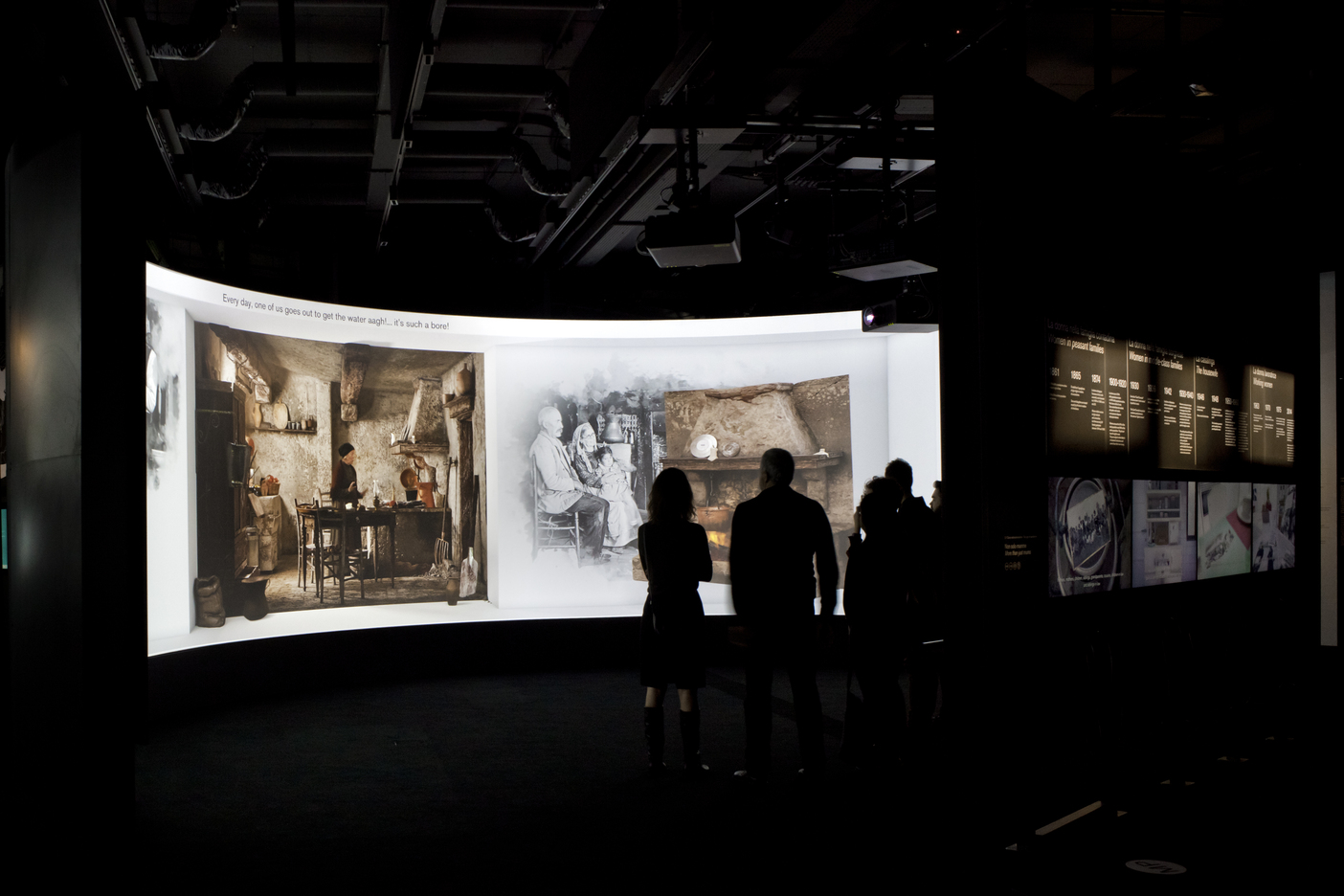
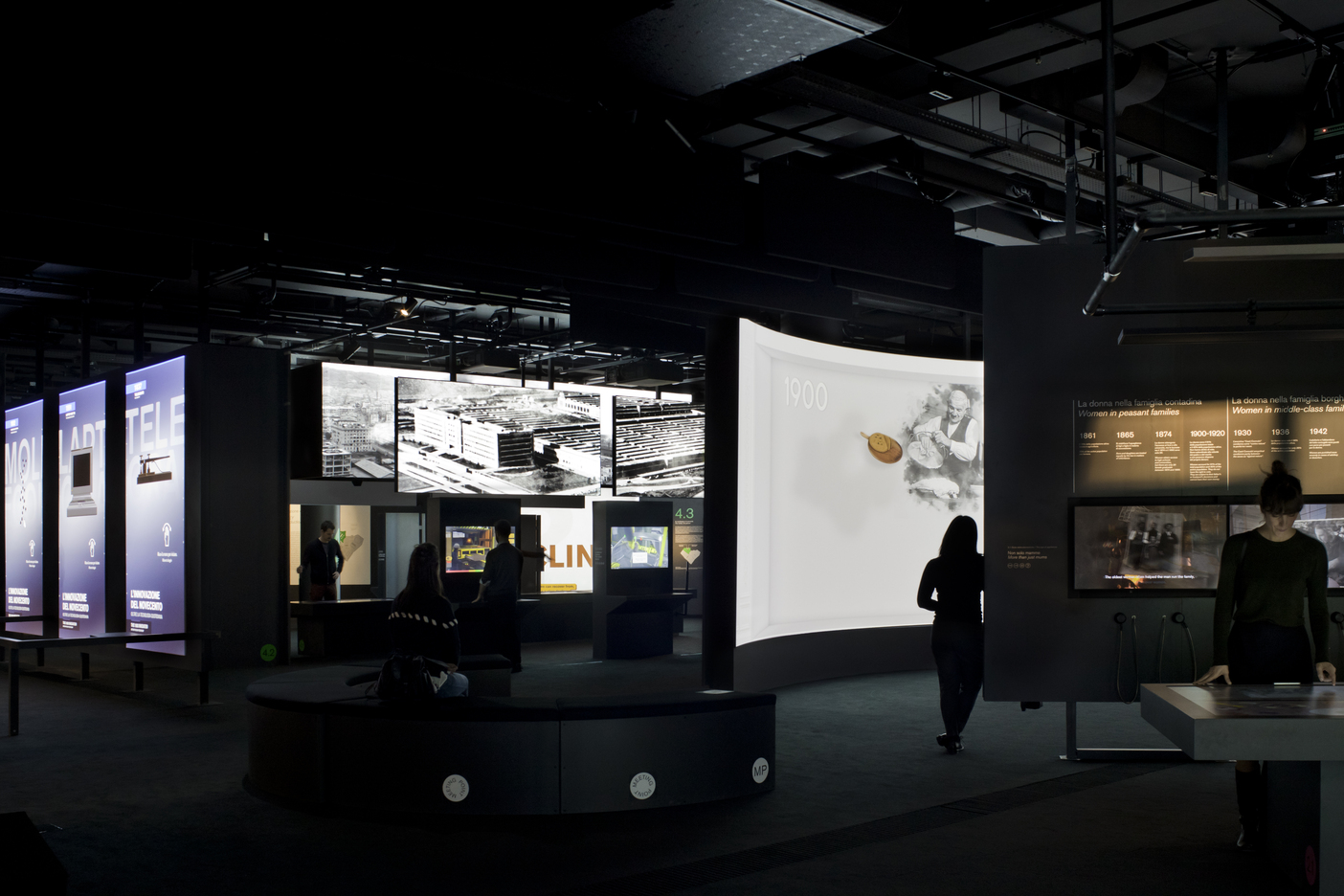
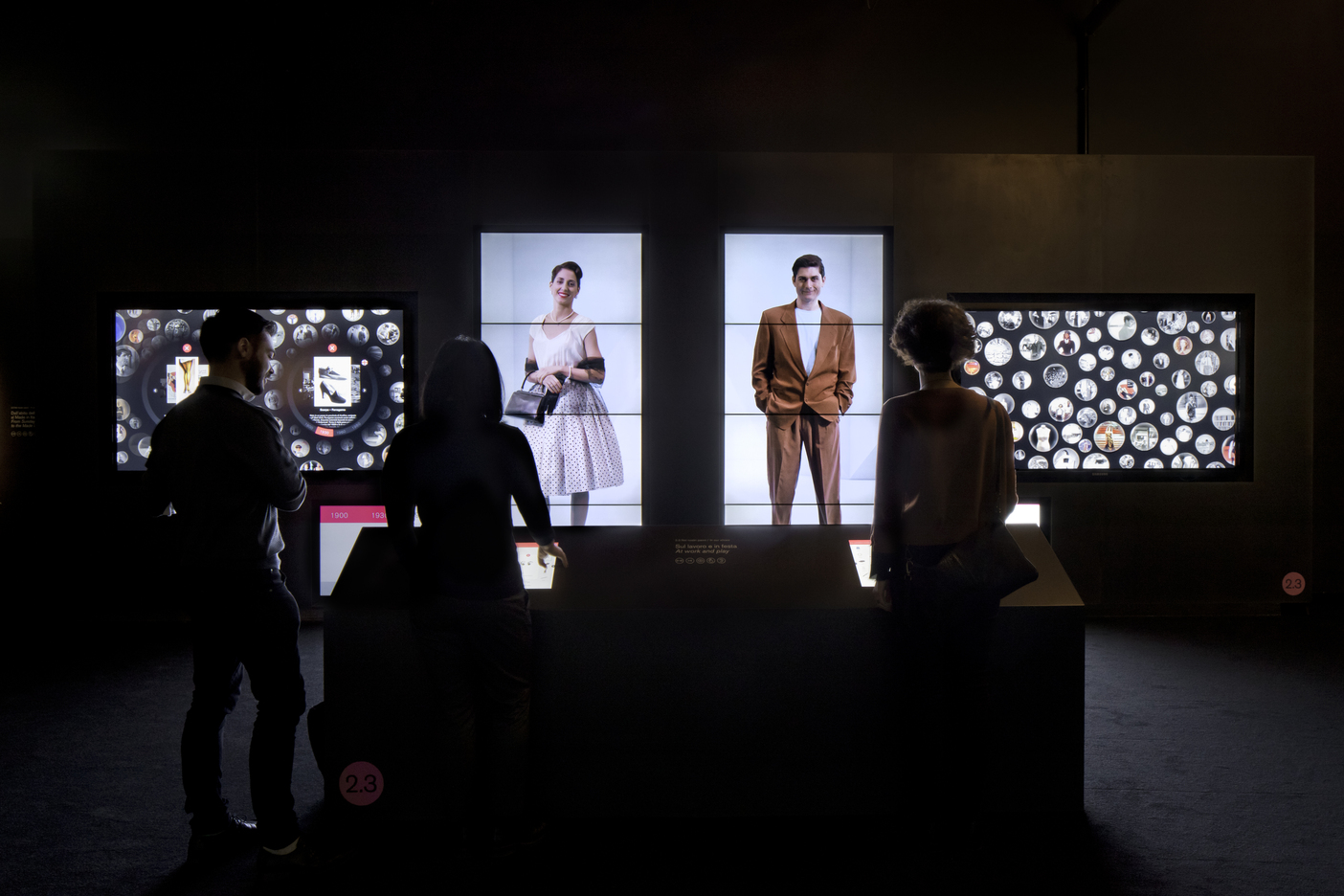
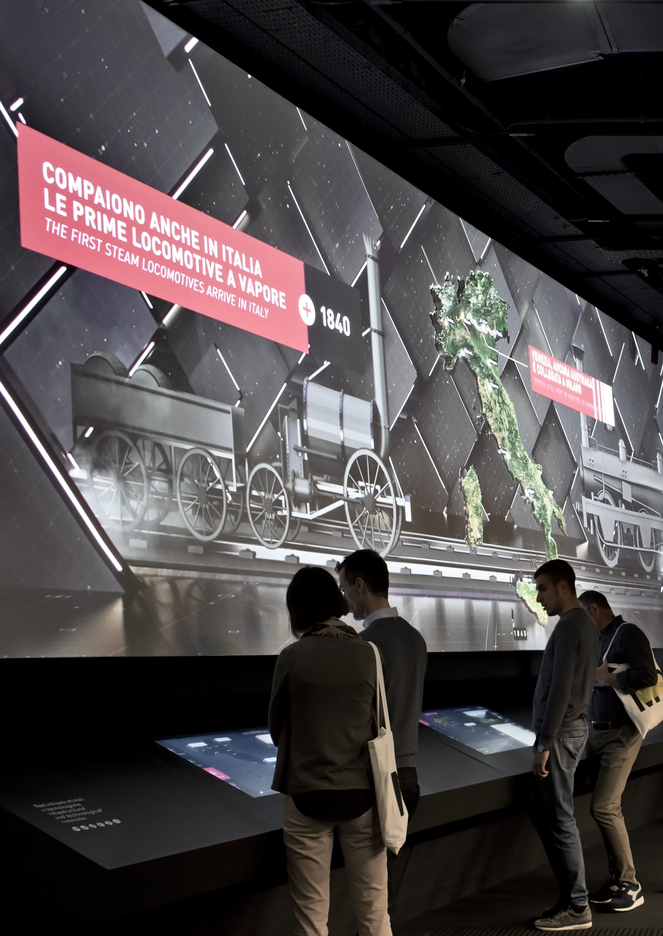
M9 – Museo del ‘900 (the Museum of the 20th century) compellingly narrates the elements that defined the twentieth century, from the subtle yet profound transformations that shaped daily life to the broader social, economic, environmental, and cultural changes.
Mestre
Mestre remains on the mainland, gazing at the iconic Venice and absorbing and welcoming those who have decided to leave the tourist-filled city on the water. A city of ancient but uncertain origins, it developed rapidly in the 1920s when immigrant workers arrived in their droves to work at the nearby Porto Marghera complex, which is now a ‘sanctuary’ of twentieth-century industrial culture. In the 1960s, Venetians themselves arrived, preferring the modern services and traffic of Mestre to their historic homes as tourism in Venice took off.
However, in recent years, the city has developed its own dynamic profile. The centre has been revived and enhanced, both architecturally and in terms of cultural life. Green infrastructures (parks, tree-lined avenues, cycle paths, pedestrian walkways) have expanded, connecting the city’s neighbourhoods and. Halfway between Mestre and Venice, the San Giuliano Park is one of the largest urban parks in Europe. Just a few kilometres away, one can admire the unexpected Palladian villas. The most recent revival of Mestre was spearheaded by the Venice Foundation, which introduced a new concept museum to the centre of the city: M9 – Museo del ‘900, creating a space for both aggregation and innovation.
M9 - Museo del ‘900
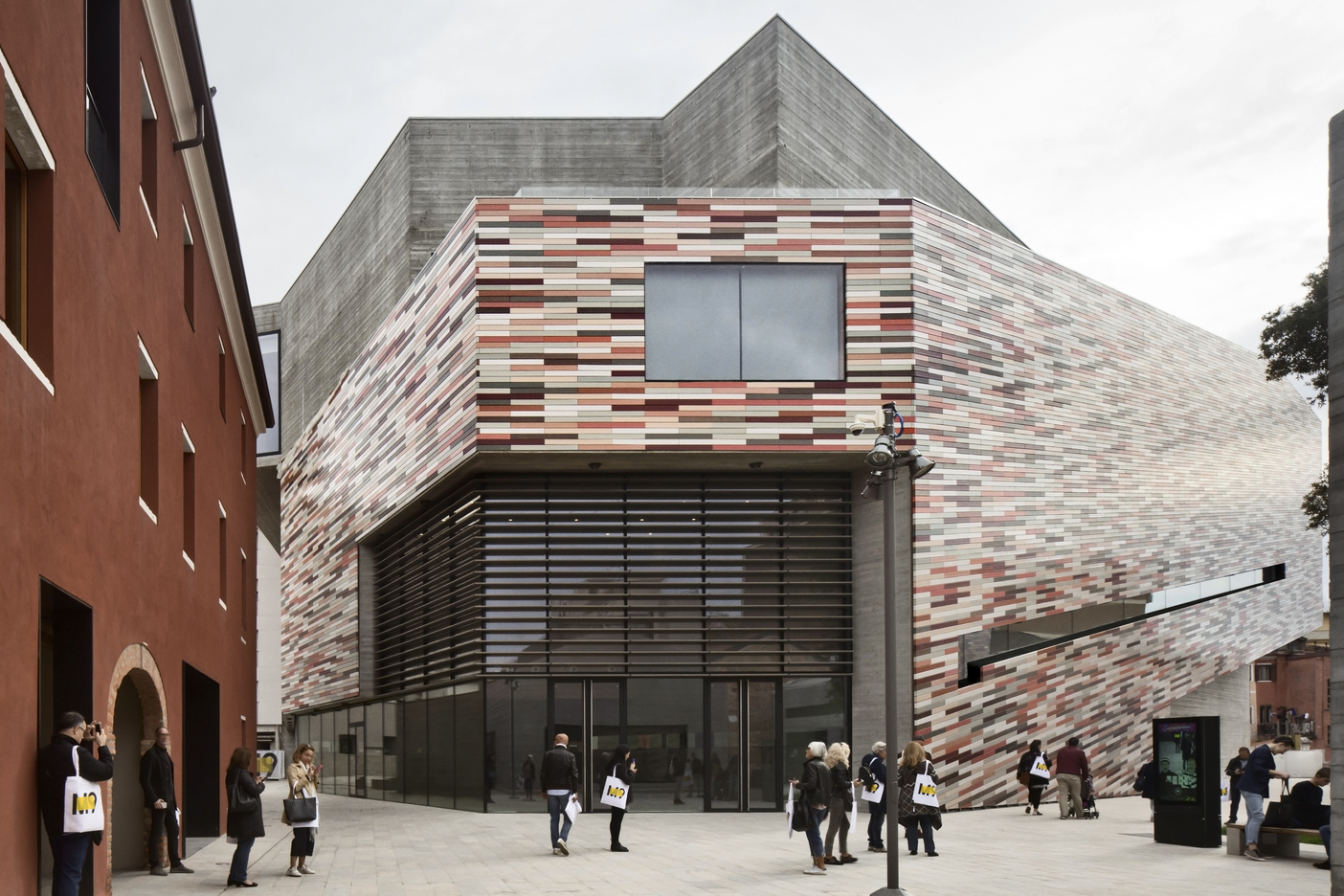
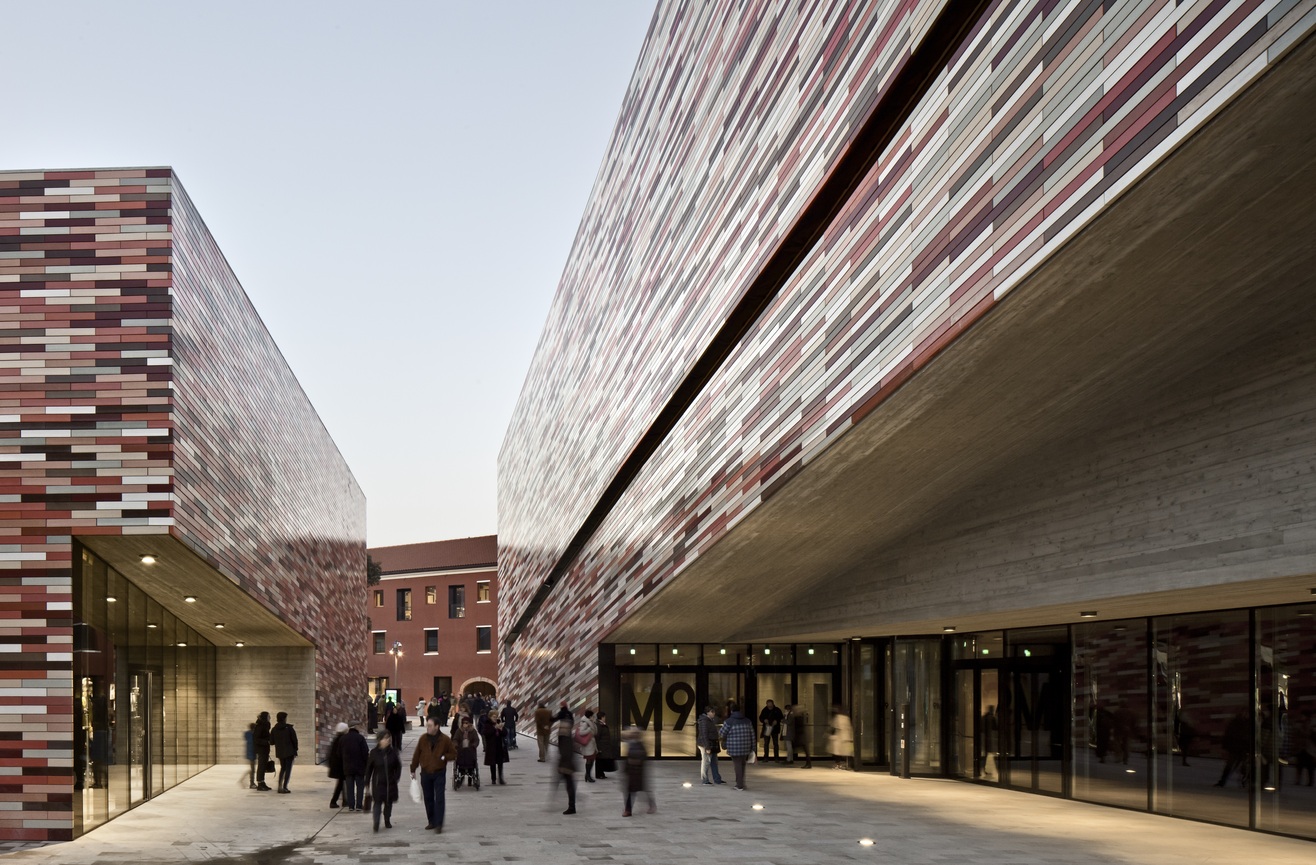
Perfectly integrated into the urban fabric, M9 is the result of an urban regeneration project led by the Berlin-based Sauerbruch Hutton studio. It combines new internationally significant architecture with the restoration of a late sixteenth-century convent, alongside passages and squares. “M” stands for museum, media library, multimedia, multisensory, Mestre, and metropolis; “9” represents the 1900s, novelty, and Venice. Mestre has thus reclaimed an area that had long been inaccessible to citizens, transforming it into a cultural district and a hub for social interaction.
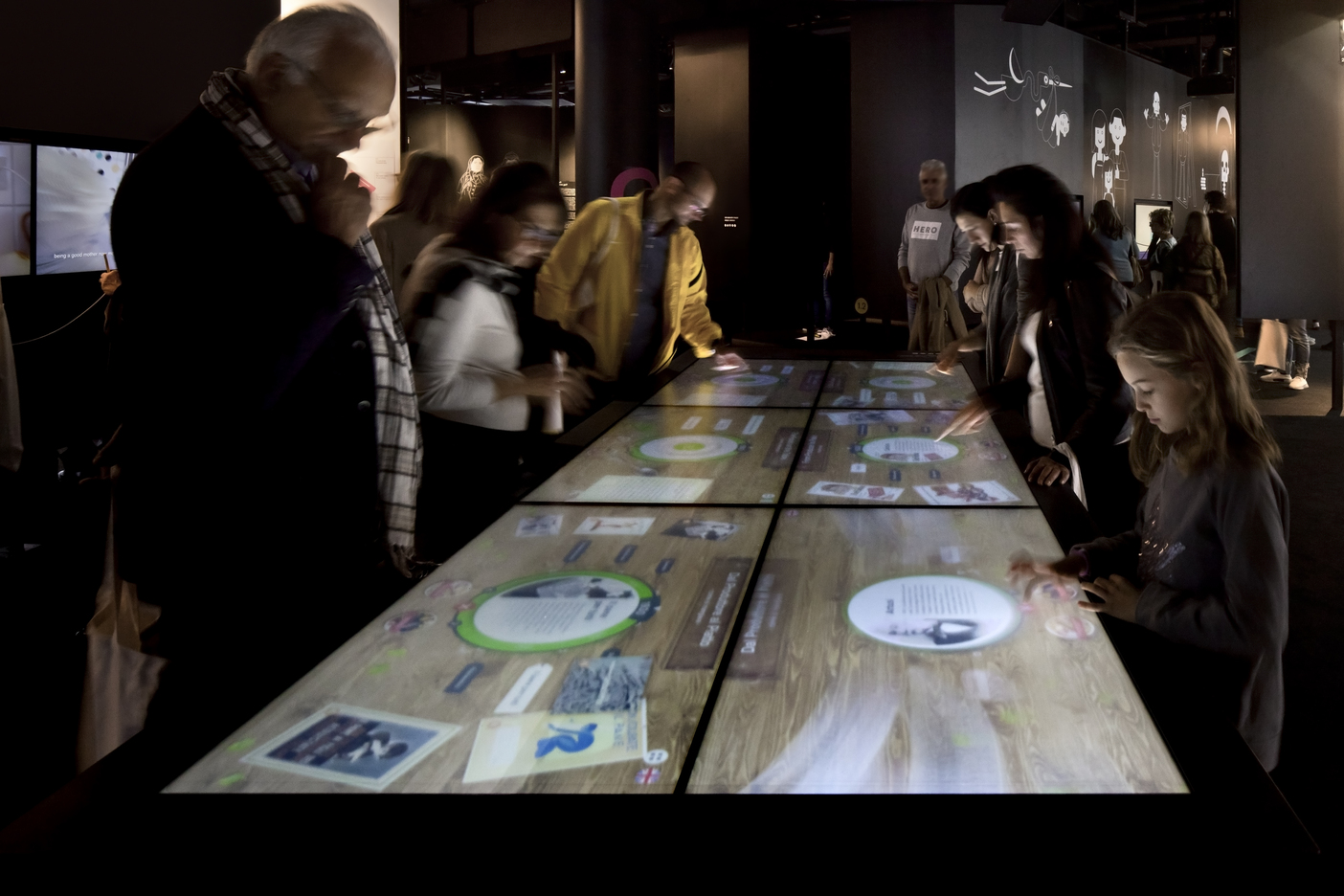
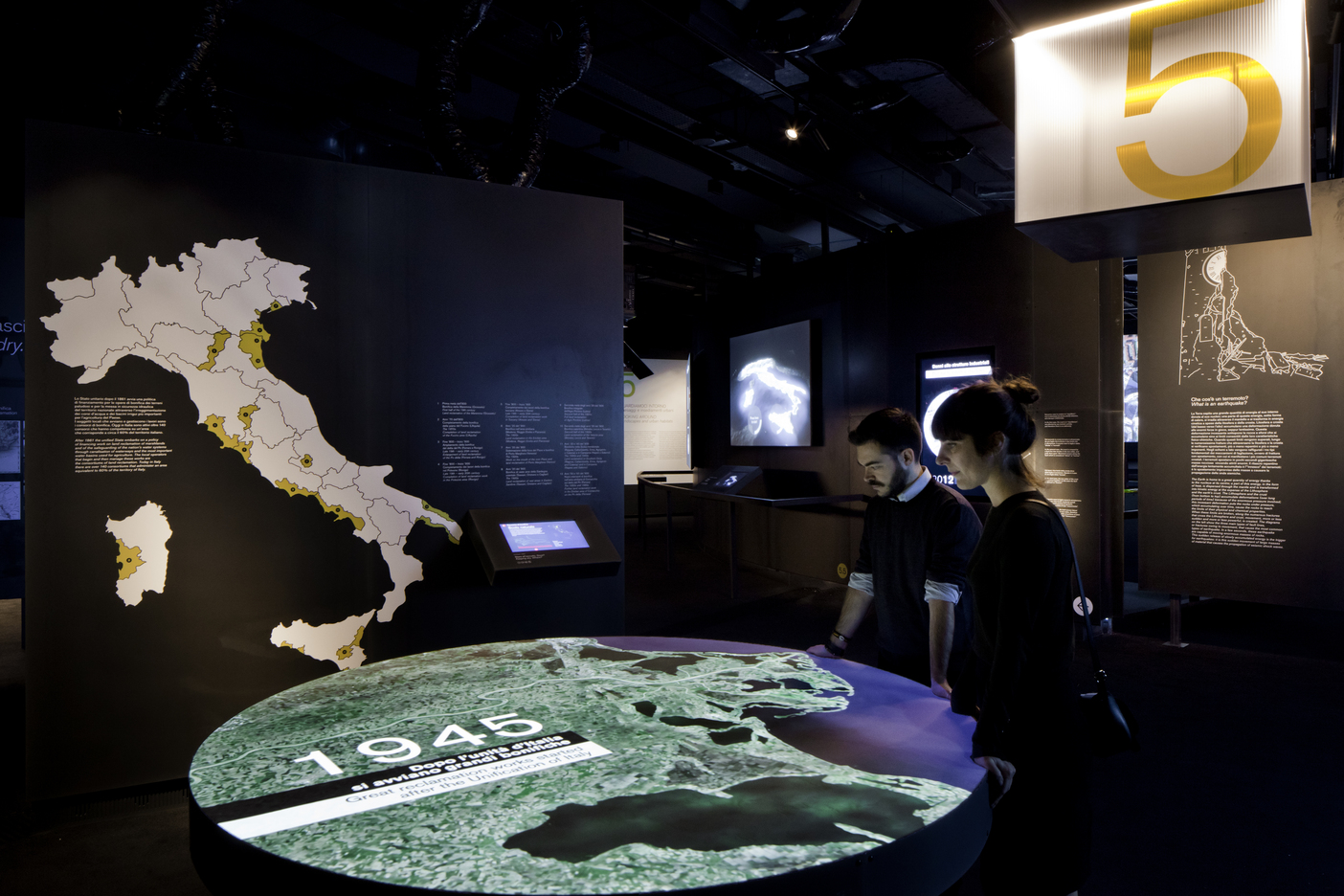
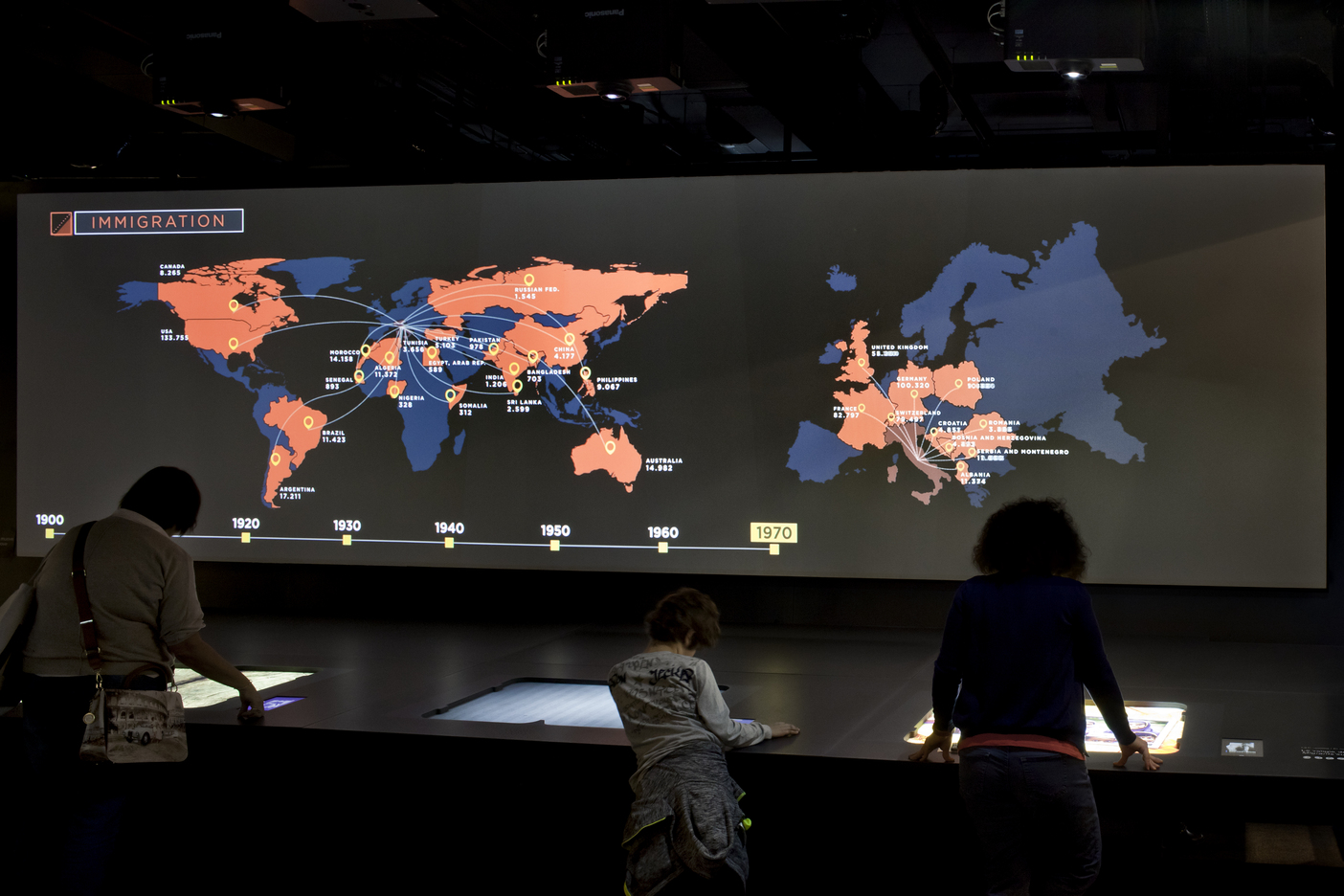
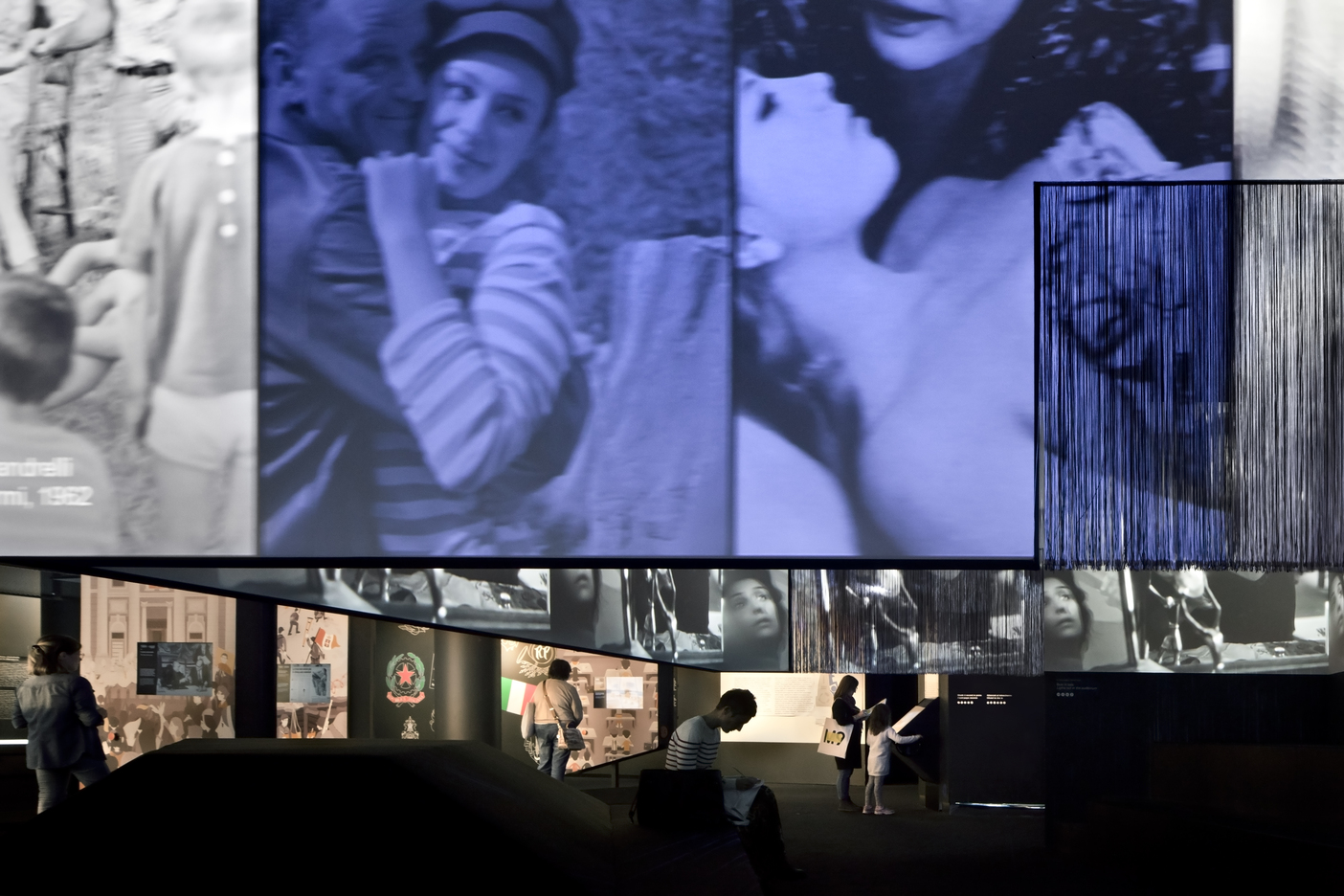
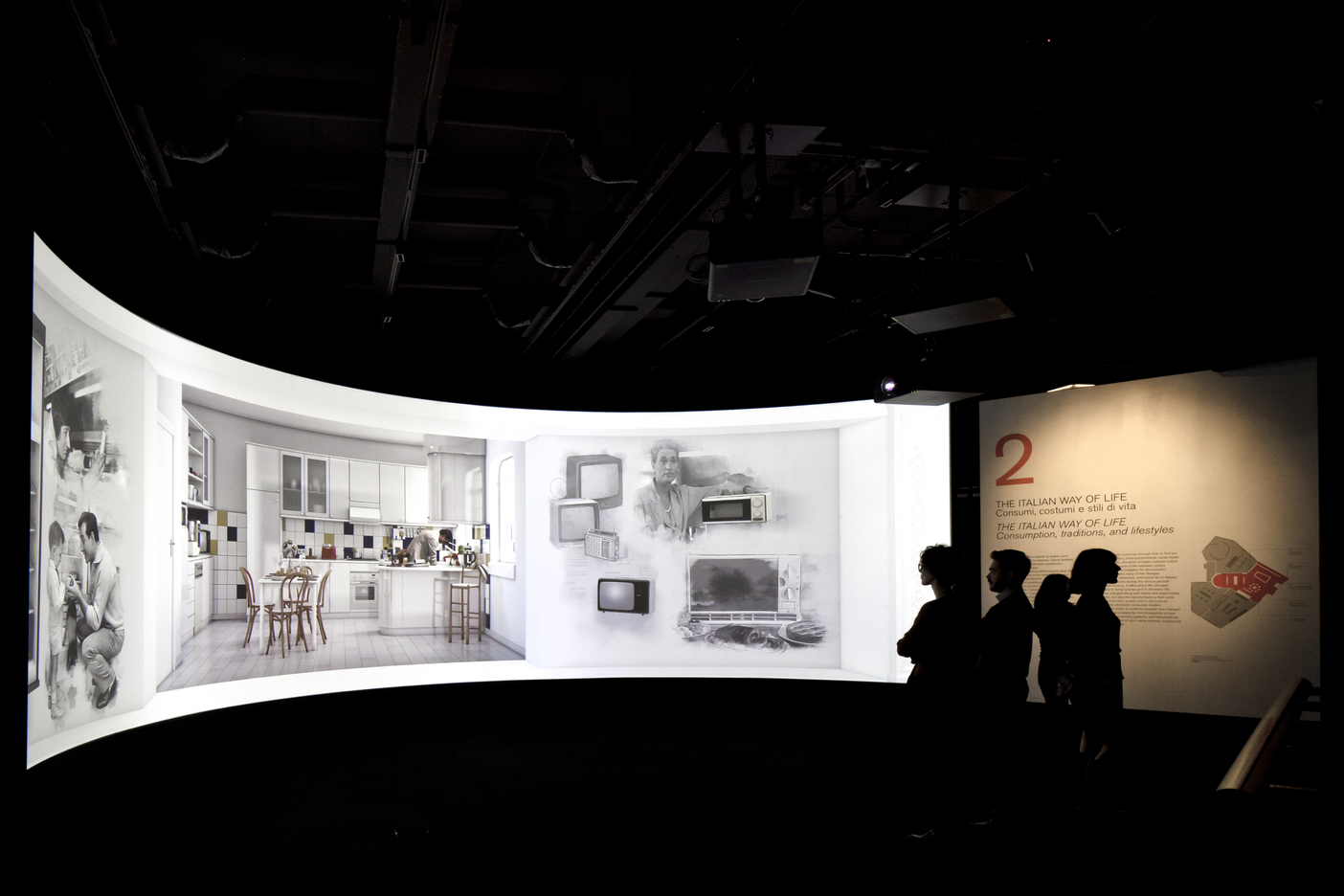
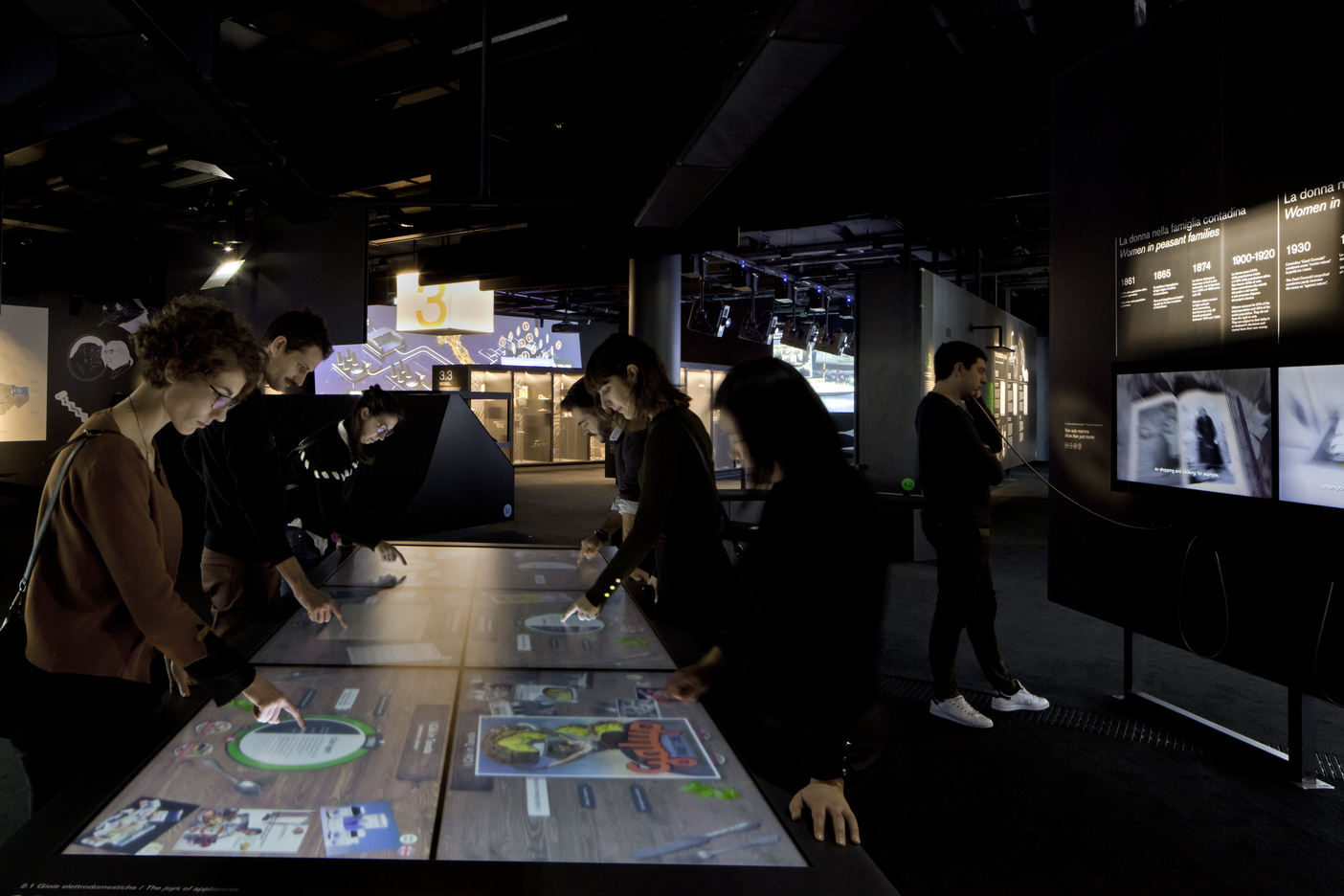
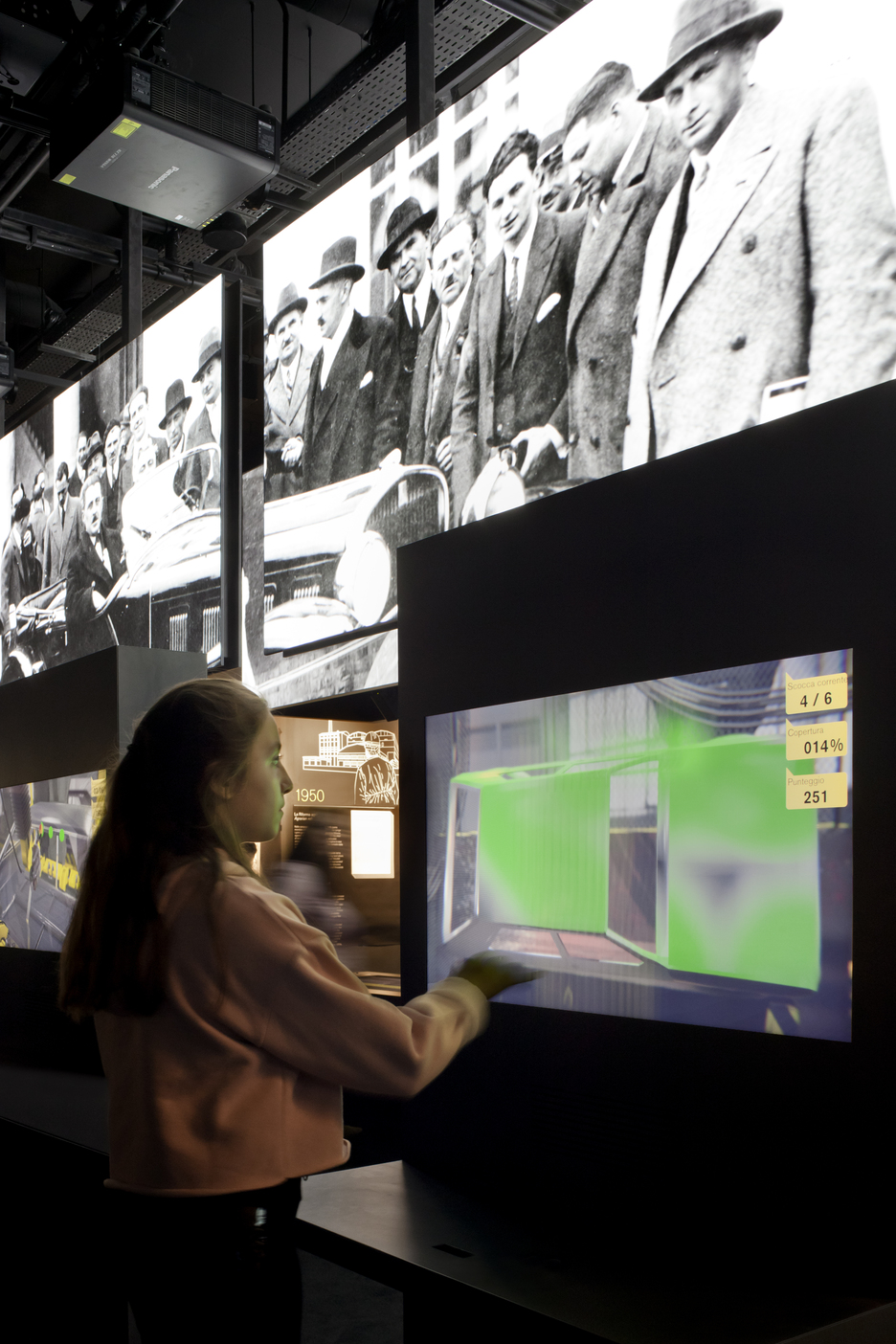
At the heart of the district, the museum offers a collective and unexpected narrative of the twentieth century, showcasing its complexity and density: demographic, social, and political changes; outcomes and ambitions; challenges and achievements; threats and opportunities. It explores the customs, habits and evolution of domestic spaces, mass culture, intellectuals, the arts, information, traditions, folklore, and the political movements of entire generations. Additionally, it examines the techniques used in design and manufacturing, the reasons behind innovations, scientific and technological discoveries, and the transformation of the landscape and territory. The journey, through advanced technologies and installations, immerses visitors in a multifaceted gallery of stories, contradictions, and ideas, revealing the past and offering insights into the present and future.
In collaboration with