In the first Turin belt: two UNESCO sites, the first Museum of the “Sign,” and Aurora, the brand of iconic pens
Beyond Turin’s historic Savoyard centre, with its cafes, the Mole Antonelliana, royal palaces, gardens, the Egyptian Museum, and the Holy Shroud, the city’s first peripheral belt offers remarkable sites to explore.
To the east of the Piedmont’s capital lies the Basilica of Superga, a landmark second only to the Mole in its iconic status. Perched 700 metres above the Po River and approximately 10 kilometres from the city centre, the basilica was designed by Filippo Juvarra. Construction spanned fifteen years, and the church was consecrated in 1731 with a solemn religious ceremony. However, the idea for the basilica was born years earlier, when Duke Victor Amadeus II, observing the French forces besieging Turin in 1706, vowed to erect a church dedicated to the Virgin Mary if his troops emerged victorious. Following their triumph, Juvarra was commissioned to do the work eleven years later. Standing 75 metres tall, the basilica features a dome inspired by the works of Francesco Borromini in Rome and a richly adorned interior, including six chapels and four altars with Carrara marble statues and monuments. The Chapel of the Vow houses a 17th-century wooden statue of the Virgin Mary.
To the north of Turin lies the Reggia di Venaria, often referred to as an Italian Versailles. A Baroque masterpiece, it was originally conceived as a grand setting for hunting excursions, balls, and receptions and is the result of multiple architectural interventions, starting with Amedeo di Castellamonte’s design in 1659, followed by contributions from Filippo Juvarra in the early 18th century, and enhancements by Benedetto Alfieri in the 19th century. Alongside the palace, plans included the construction of a village, gardens, and what is now La Mandria Park, used as a hunting reserve by the Savoy family.
The Reggia’s fortunes declined over two centuries due to Napoleonic raids, its conversion into barracks during the 19th century, and eventual abandonment and looting after the armistice of 8 September 1943. However, in 1996, Europe’s largest cultural restoration project began, transforming the Reggia into a spectacular and unique site. Since its reopening in 2007, visitors have marvelled at every room, though none are more breathtaking than the Galleria Grande. Its 80-metre expanse, illuminated by 44 large side windows and smaller ones in the vaulted ceiling, showcases intricate stuccoes, frames, and pilasters. The seemingly endless marble checkerboard floor adds to the grandeur. If the palace itself is not enough, the surrounding 80 hectares of Italianate gardens provide a royal experience in their own right.
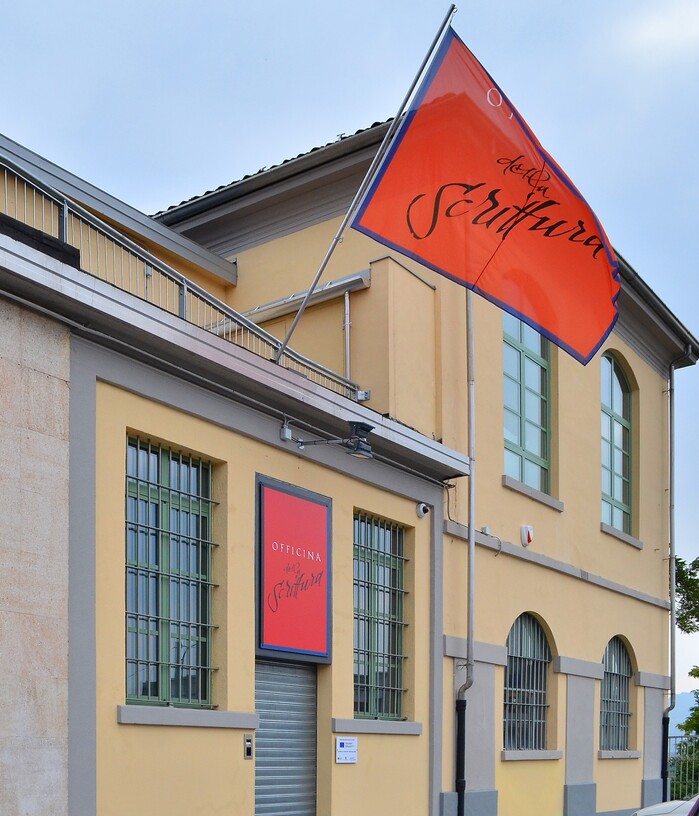
Between the Reggia di Venaria and the Basilica of Superga – both UNESCO World Heritage Sites – is the Officina della Scrittura, just a 15-minute drive from either location. This enchanting venue celebrates the art of the written word, and writing takes centre stage.
The Officina della Scrittura
Writing is communication. It is how we develop history, understand emotions, share experiences, preserve testimonies, and create memories. For some, it can also simply be a way to relax.
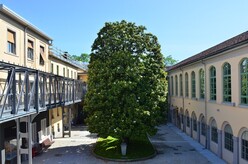
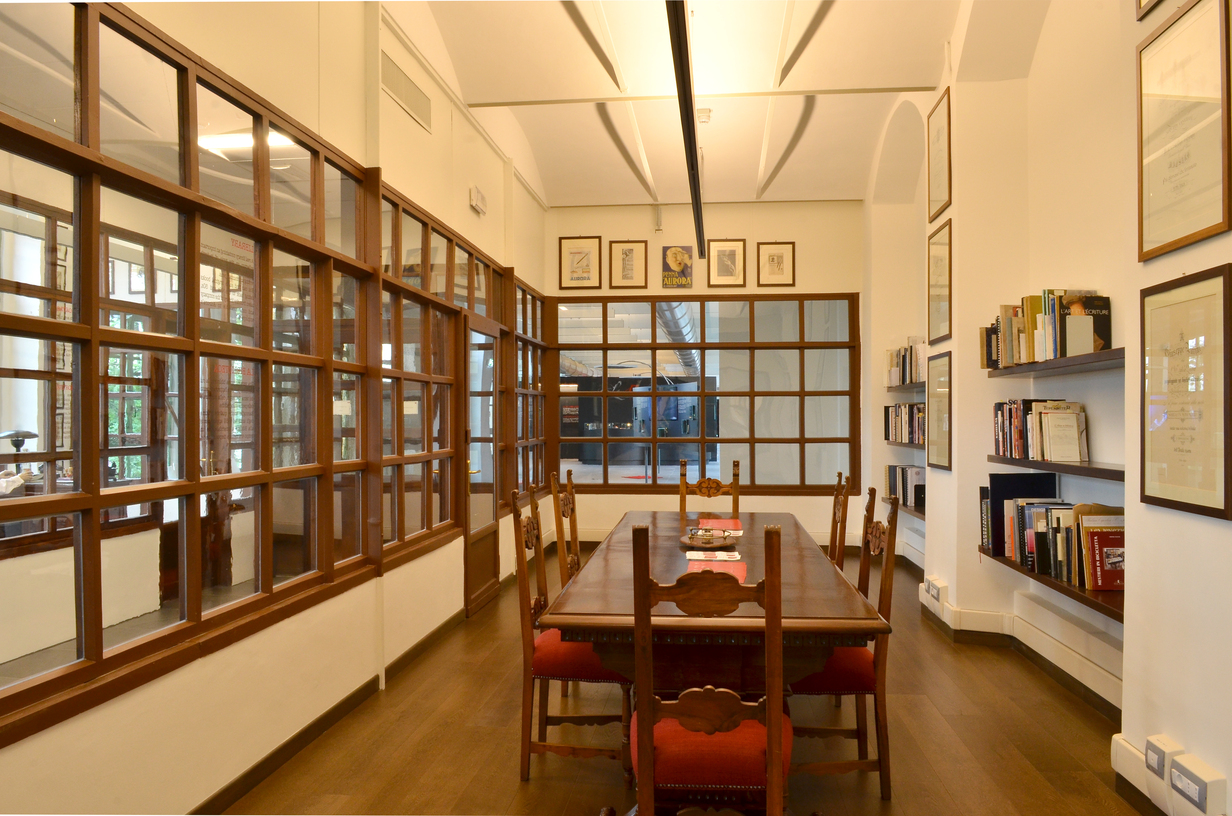
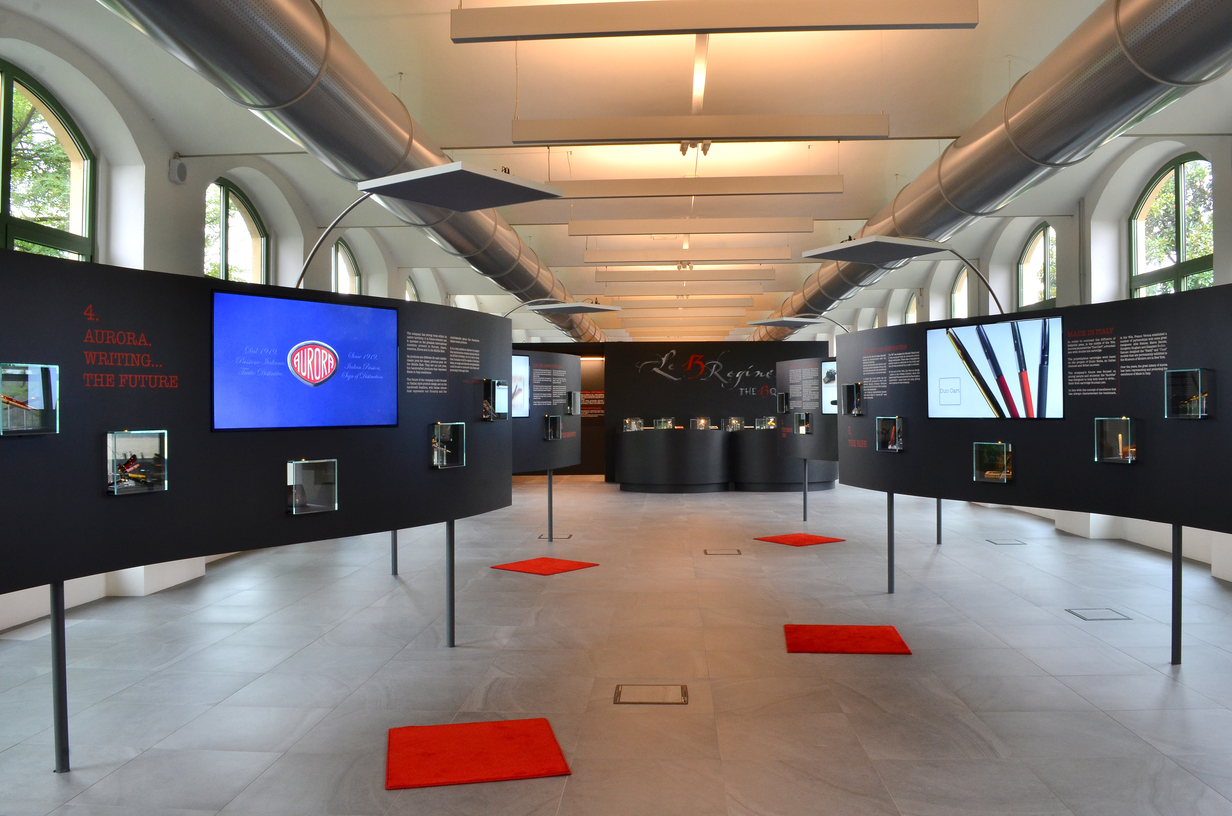
But, in short, verba volant, scripta manent. And that is why, on the outskirts of Turin, in the shadow of the Abbey of San Giacomo di Stura, a Benedictine complex founded in 1146 and currently undergoing restoration, the Officina della Scrittura promotes and highlights the culture of the written word, disseminating the historical memory of a company, a region, and a nation. The spaces are those of a former spinning mill, in which the Manifattura Aurora Penne, the brand of iconic fountain pens, is also located.
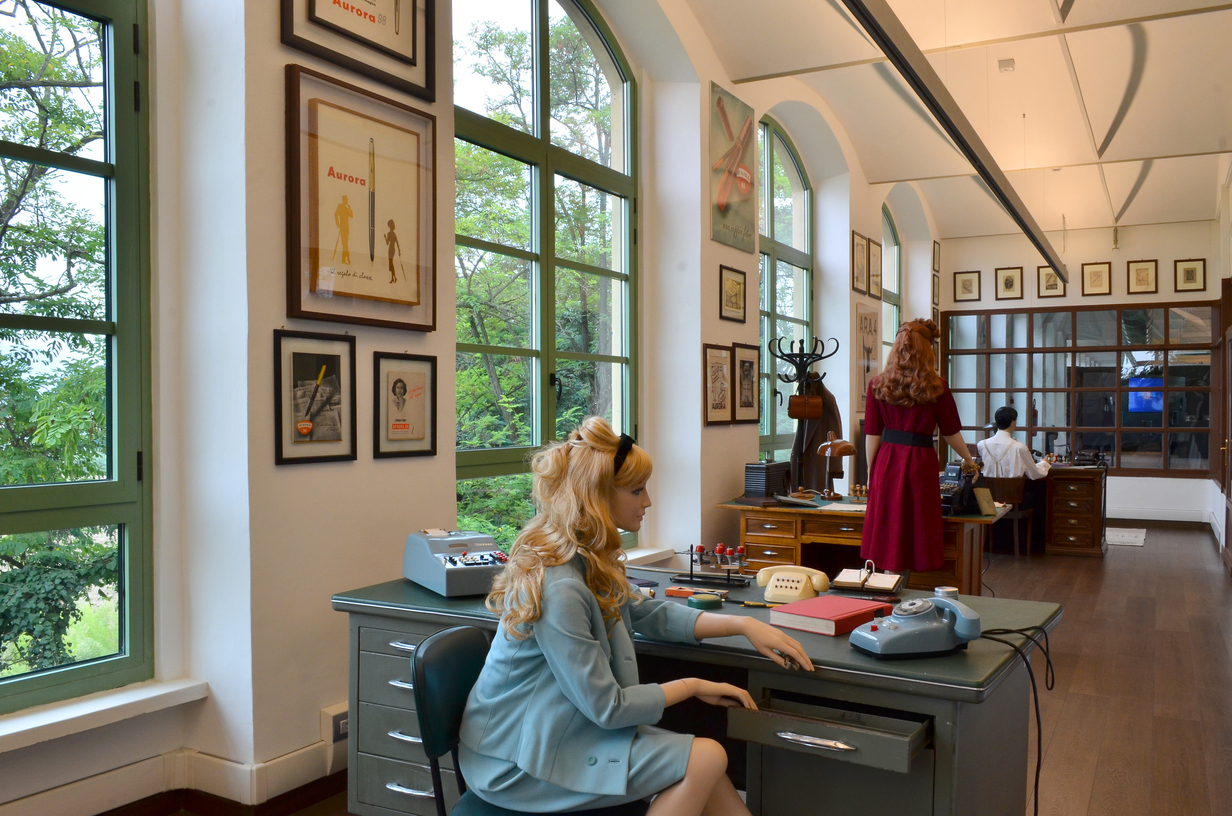
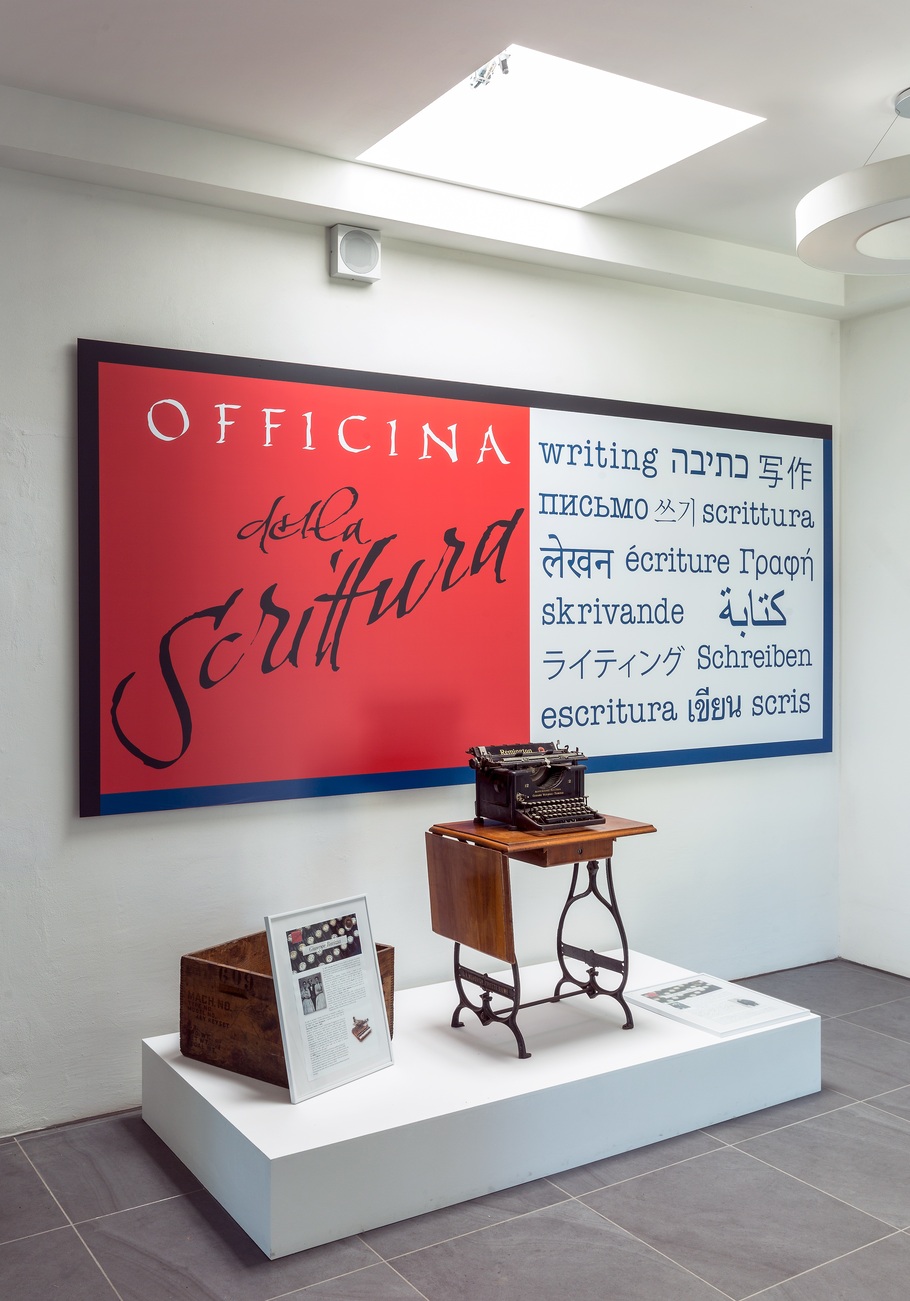
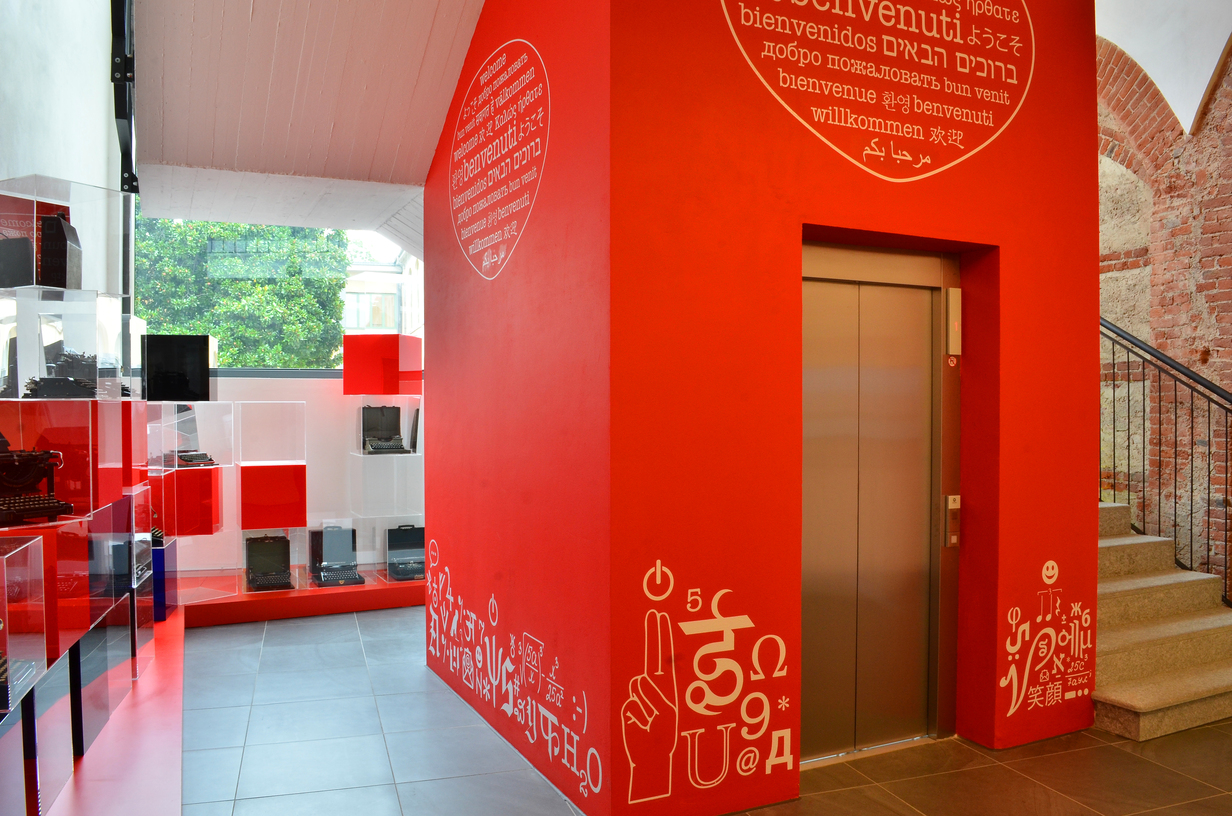
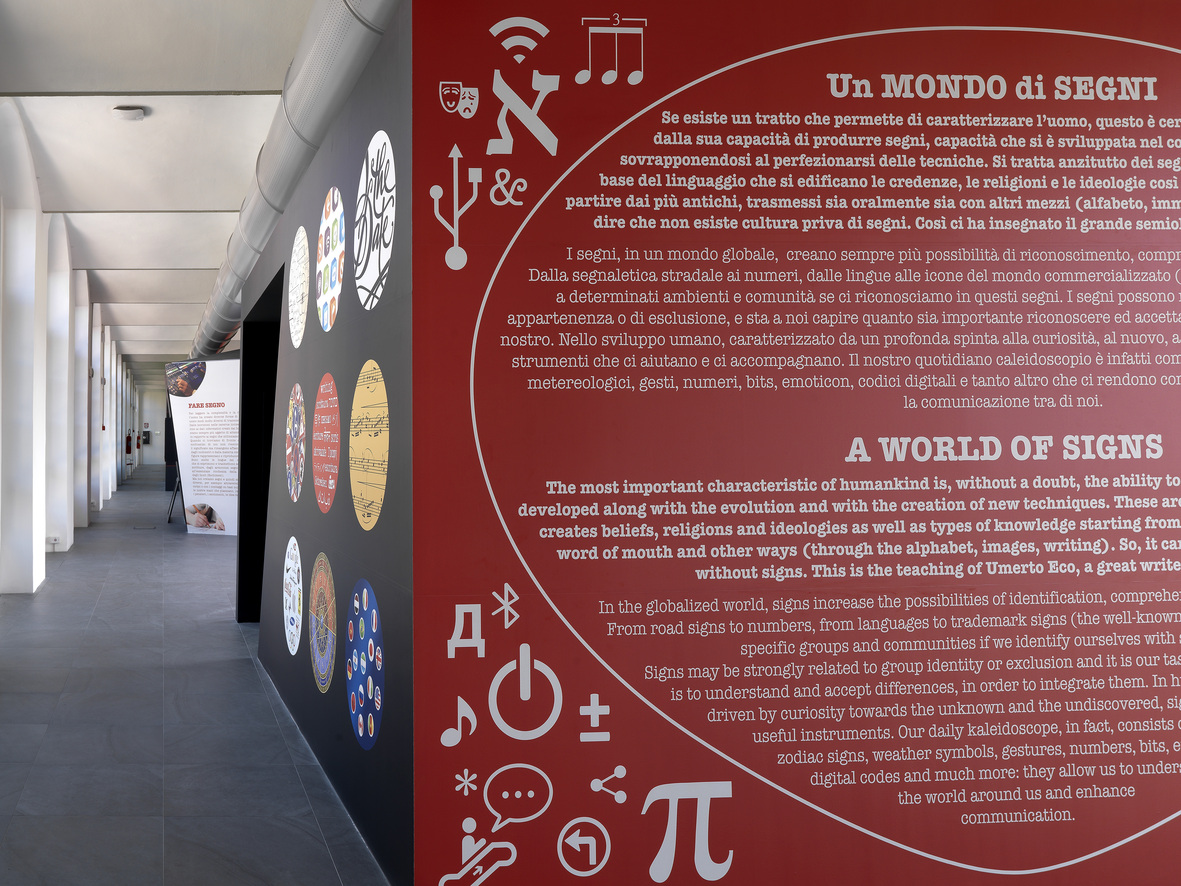
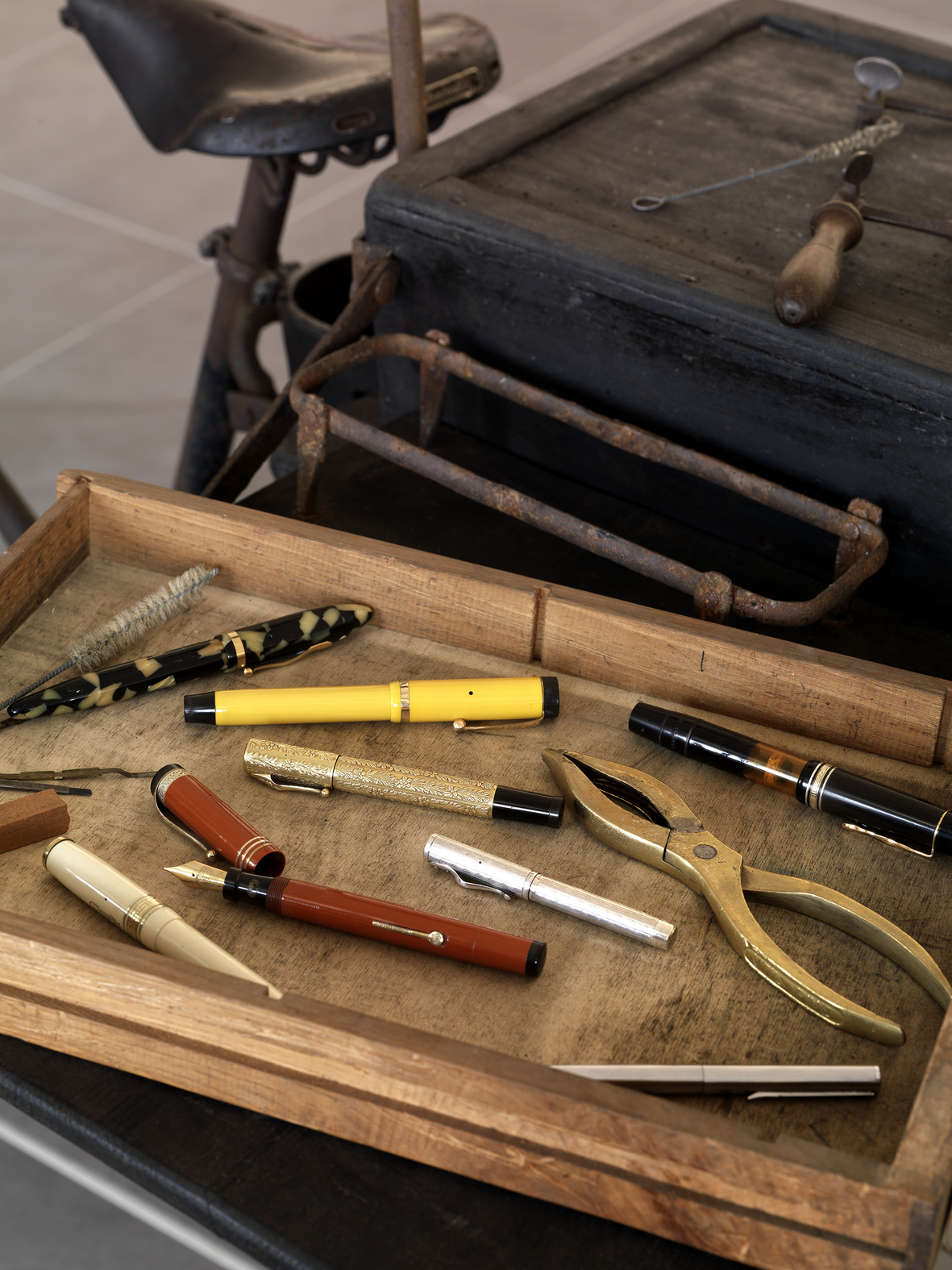
A true ‘city of knowledge,’ covering over 2,500 square metres, it tells the story of the birth and evolution of the extraordinary discovery of written communication: from the first paintings and rock engravings to typewriters, from the 13 fountain pens of the twentieth century – including the Hastil and Thesi Aurora, designed by Marco Zanuso in the 1970s and exhibited at MoMA in New York – to the very latest forms of digital communication.
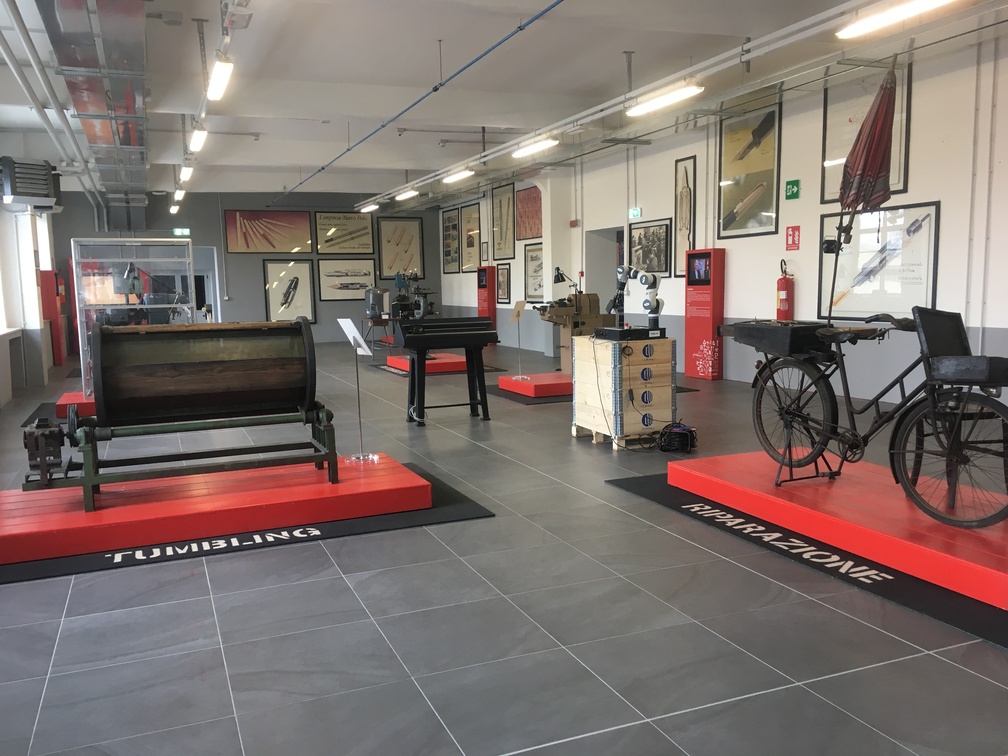
The visit continues inside the Aurora pen factory, where it is possible to witness the various stages of the creation of the legendary fountain pens, but also ballpoint and rollerball pens, nibs for left-handers or for special calligraphy needs, and many other tools.
In collaboration with