A ‘double’ city and the museum that explores the centuries-old history of olive trees and olive oil
Oneglia and Porto Maurizio were two separate urban centres, at least until 1923, when they were merged to form a single city with a name that may seem high-sounding, Imperia. However, the name is not due to the imperial ambitions of Mussolini, but rather derives from the Impero watercourse that still divides the city in two. On one side is the more modern Oneglia. It features typical fishermen’s houses and the porticos of Calata Cuneo – the perfect spot for an aperitif – as well as a port, which served as the setting for the opening scene of The Bourne Identity, a Hollywood spy thriller starring Matt Damon. The producers chose Oneglia out of a range of ports, from Spain to Liguria, because it had not been altered by modern architecture. On the other side of the stream is Porto Maurizio, a district perched on the Parasio hill, with its intertwining sloping alleys, panoramic views, slate portals, noble palaces, and a wall covered with artist tiles. This distinction endures and is evident: dialects with varying inflections are spoken, and there are distinct habits and traditions, including culinary ones.
After all, the two districts have been rivals for years – Oneglia was Savoy and Porto Maurizio Genoese – the former having suffered French bombings and the latter aligning with Napoleon.
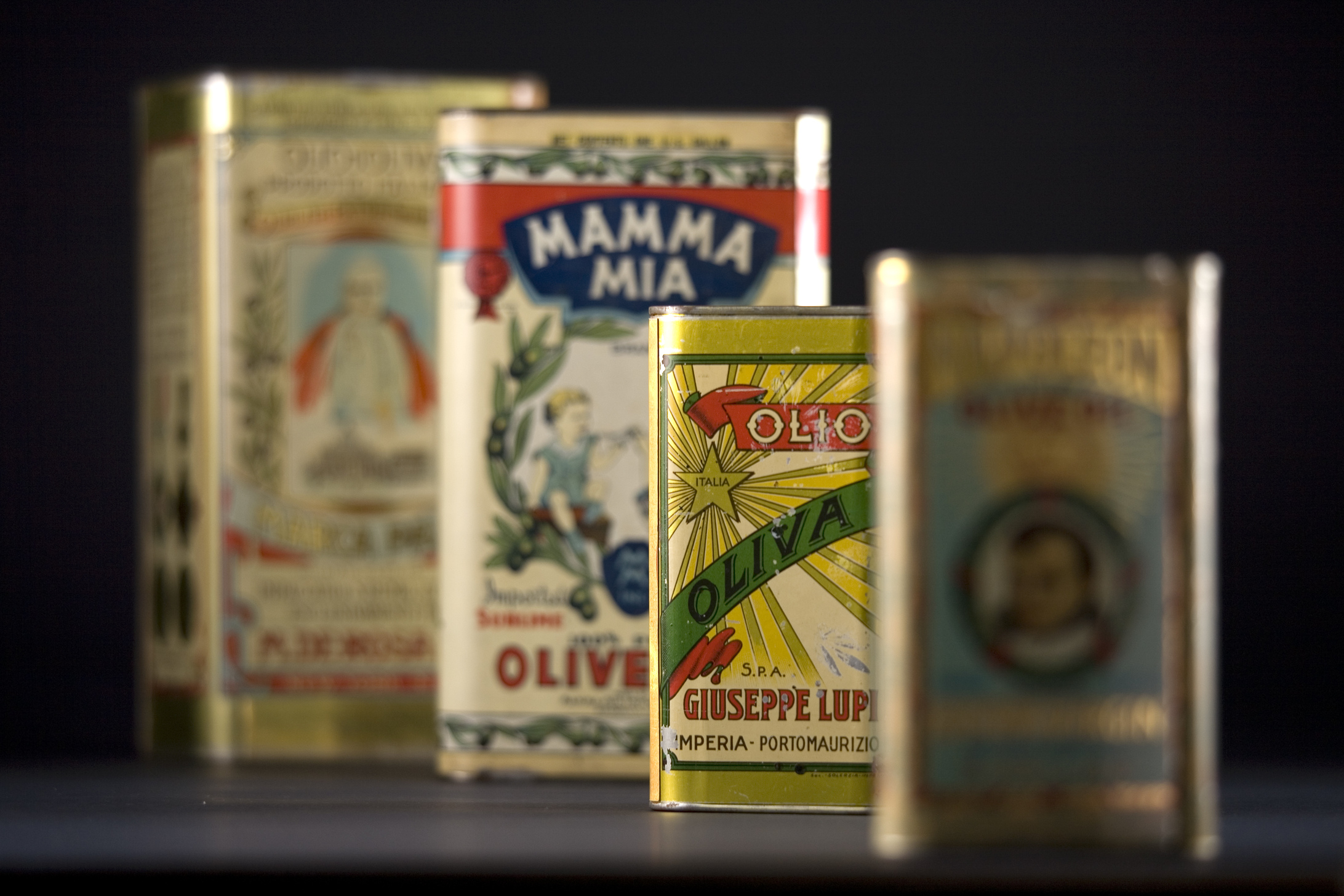
But it is important to remember that between the nineteenth and twentieth centuries, the industrial revolution made Imperia the capital of olive oil: ships with holds full of this liquid gold sailed from both ports to the rest of the world. In short, while Oneglia and Porto Maurizio may differ in some respects, they share the same climate – the mildest in Italy – and the same landscape: a Ligurian scenery dotted with olive trees, the ‘immortal’ trees that have bestowed a unique wealth upon the city of Imperia. The Carlo Carli Olive Museum tells the epic of this excellence.
The Carlo Carli Olive Museum
Evergreen, long-lived, with a great capacity for adaptation, the olive tree has small silver leaves, and its foliage is a symbol of peace. It adorns much of the Mediterranean landscape and offers us precious fruits from which one of the gastronomic excellences of Italy has been derived for centuries. Liguria’s economy and culture have long been intertwined with olive oil. Olive trees have been present in the region since 3000 BC, and olive tree cultivation in the West began between the 16th and 17th centuries, reaching its peak at the end of the 18th century. Oil plays a dominant role, particularly in the Imperia area, known for the high-quality production of Extra Virgin Olive Oil PDO Riviera Ligure Riviera dei Fiori. Imperia stands as the main centre of the oil industry, where oil is not only produced and purchased, but also studied. Where? At the Carlo Carli Olive Museum.
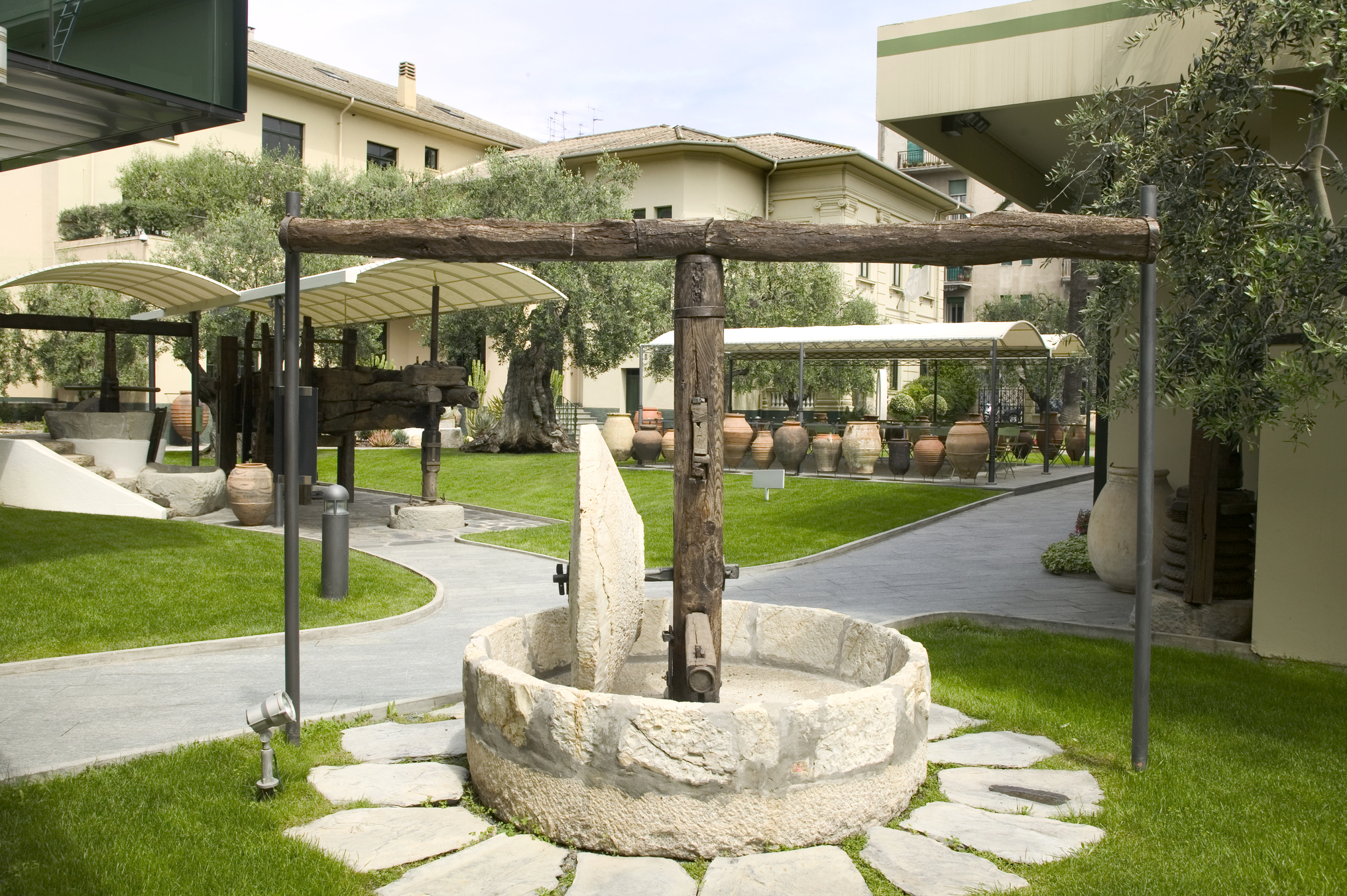
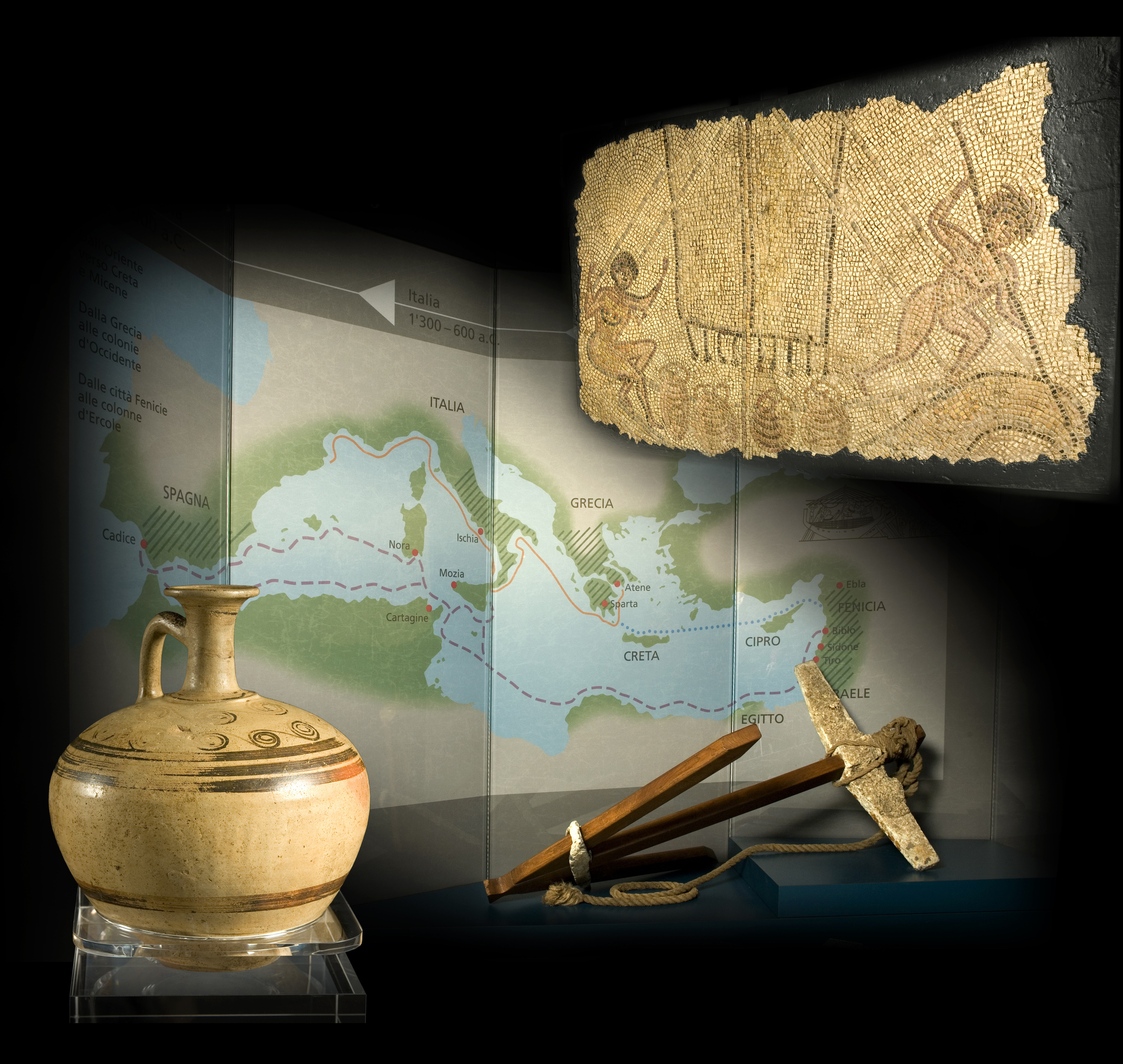
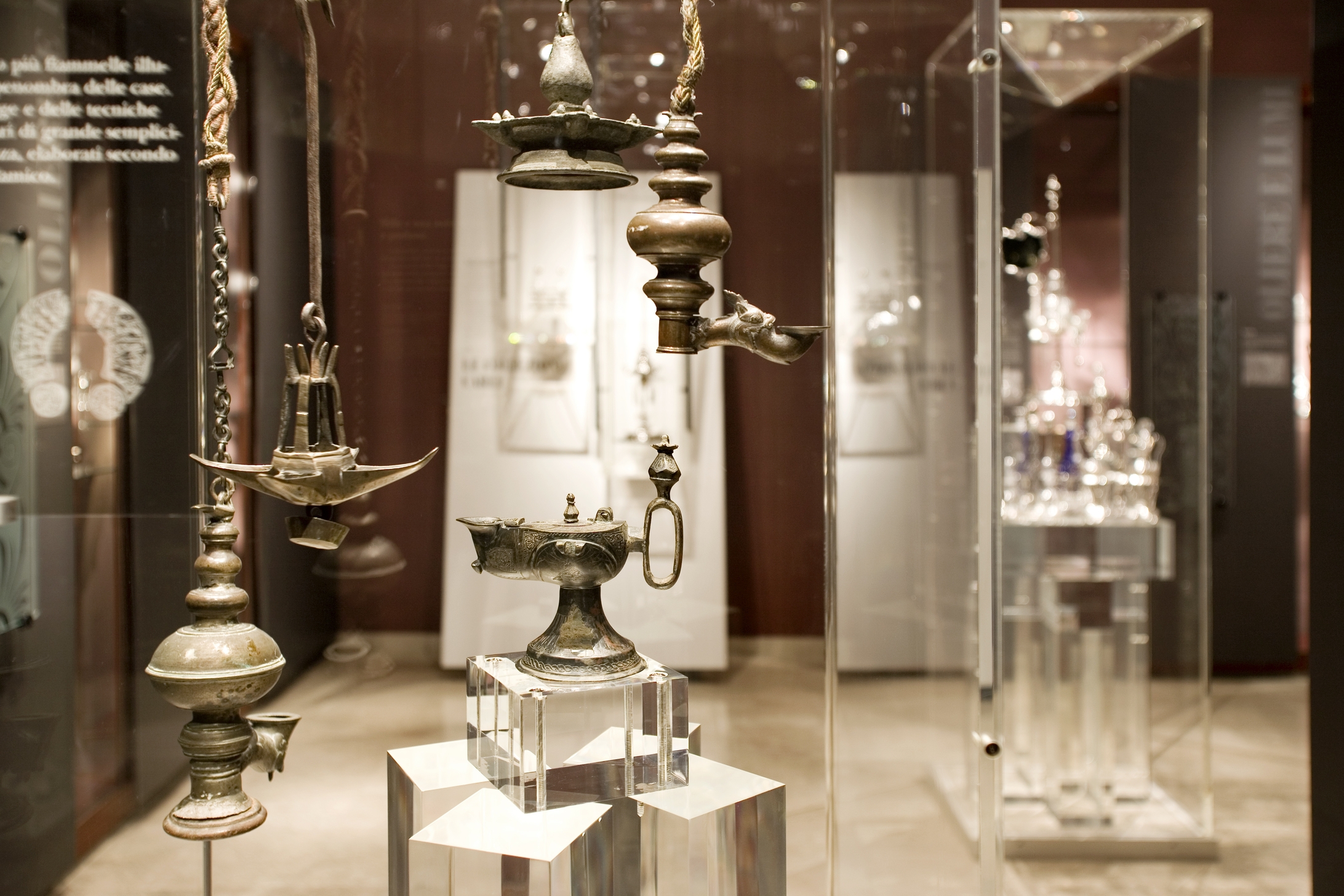
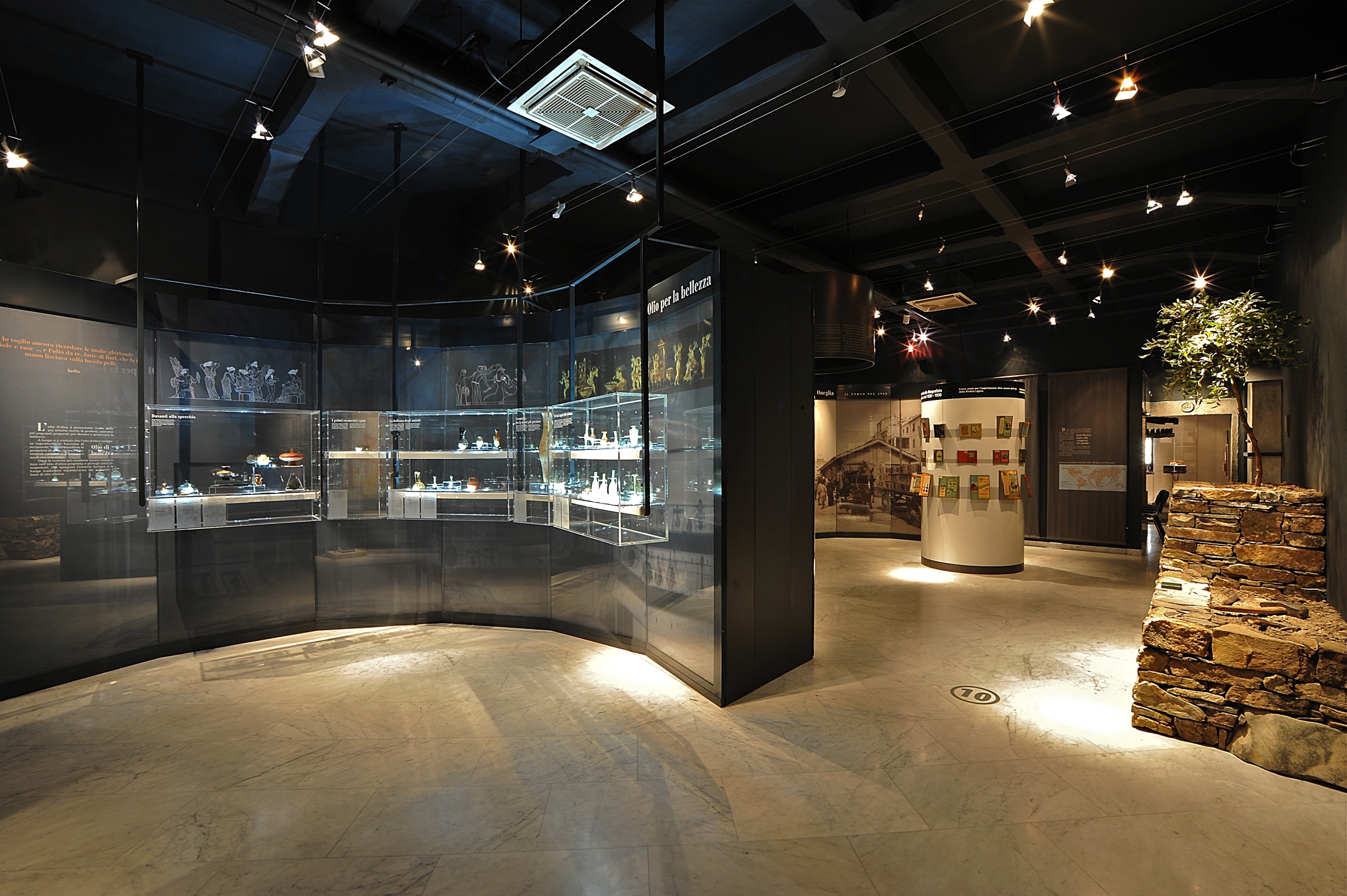
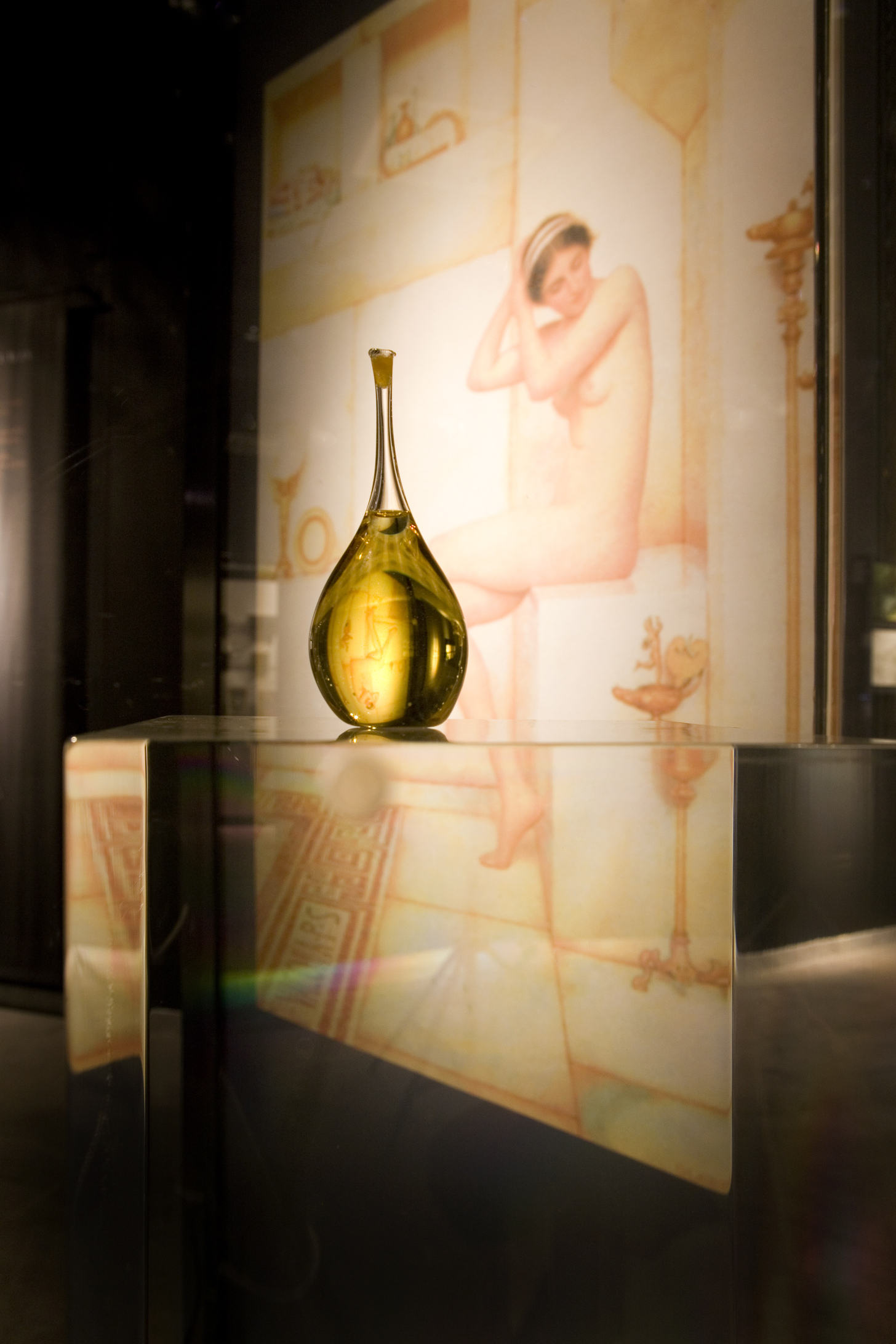
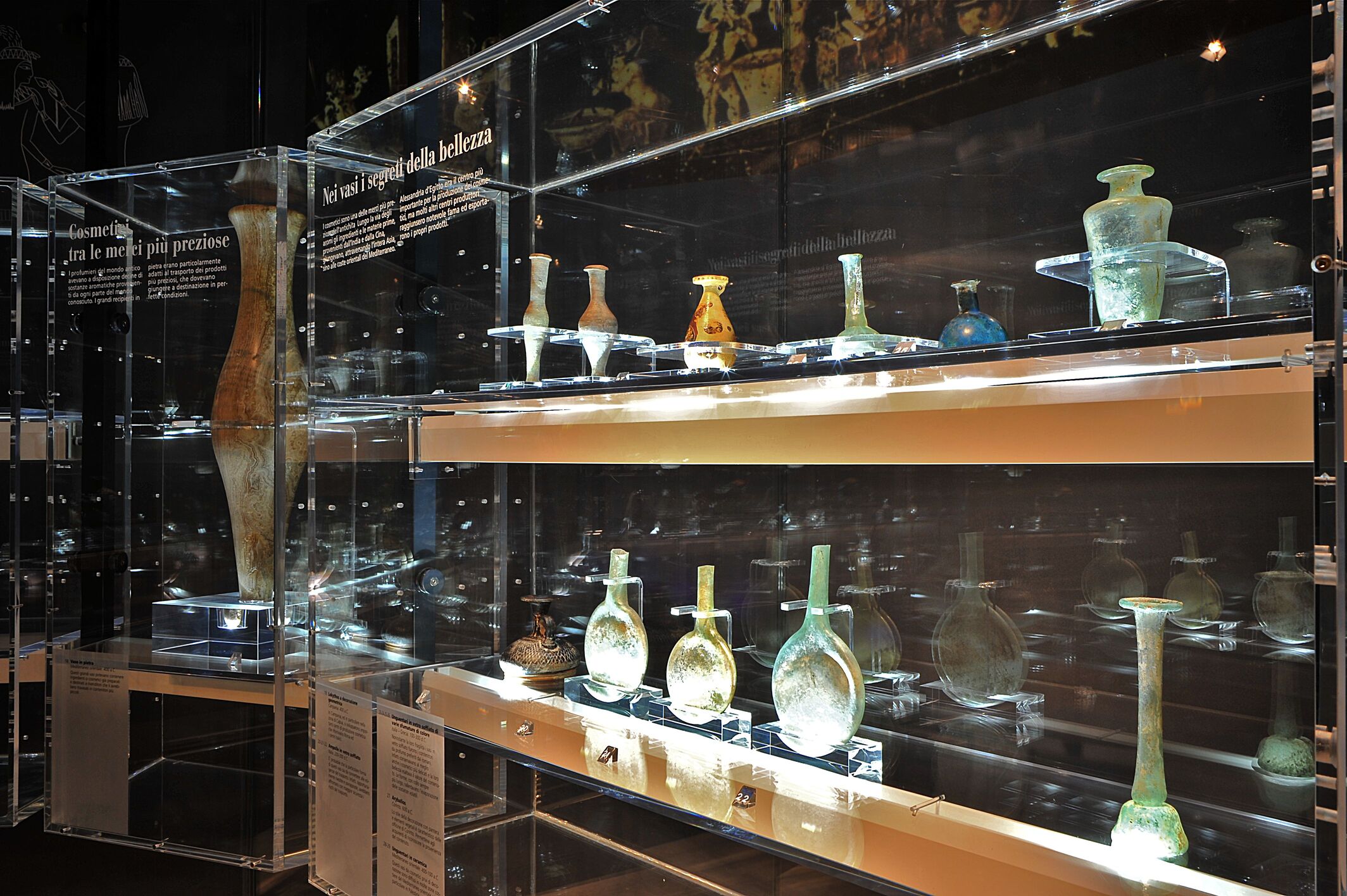
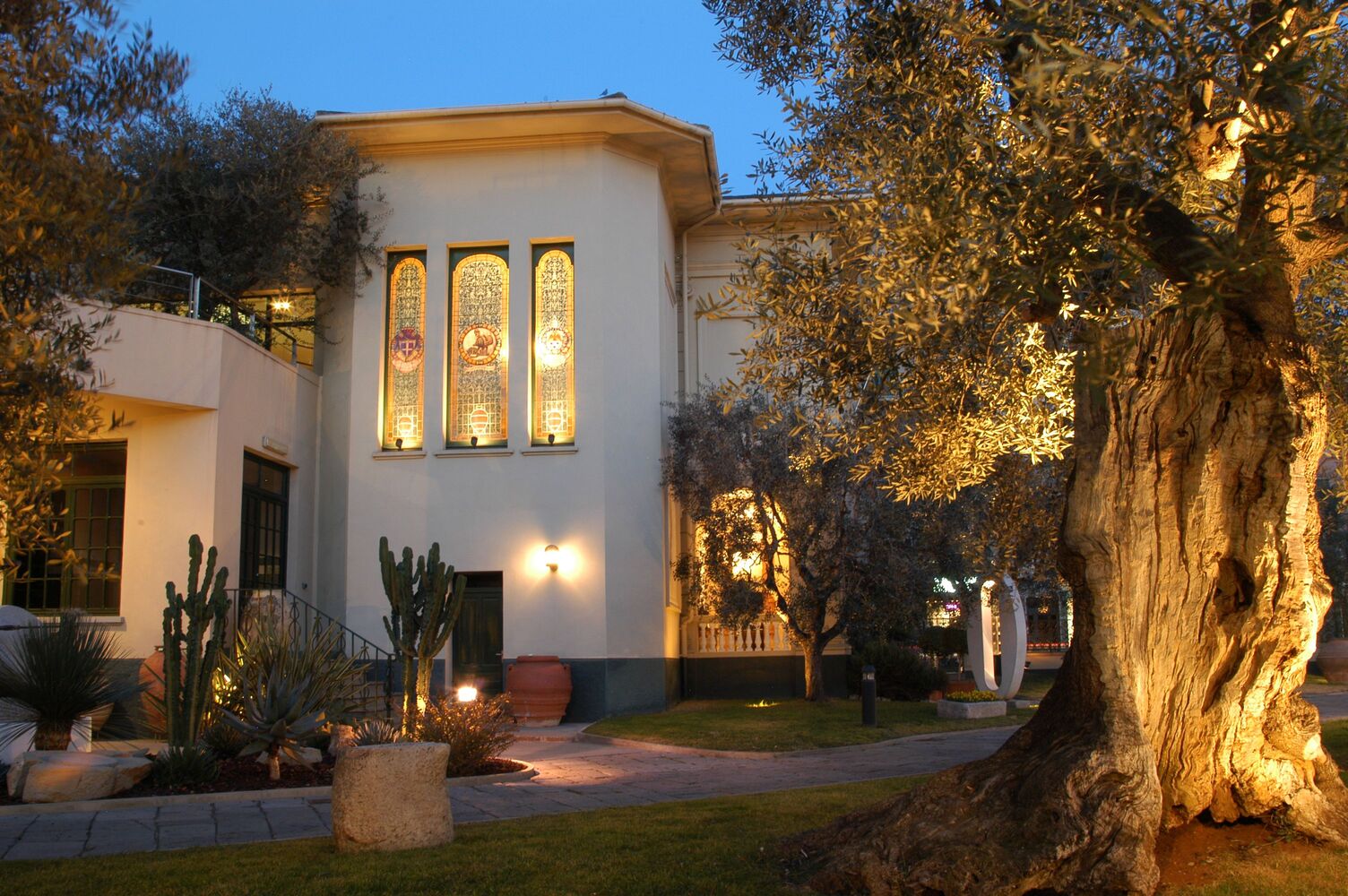
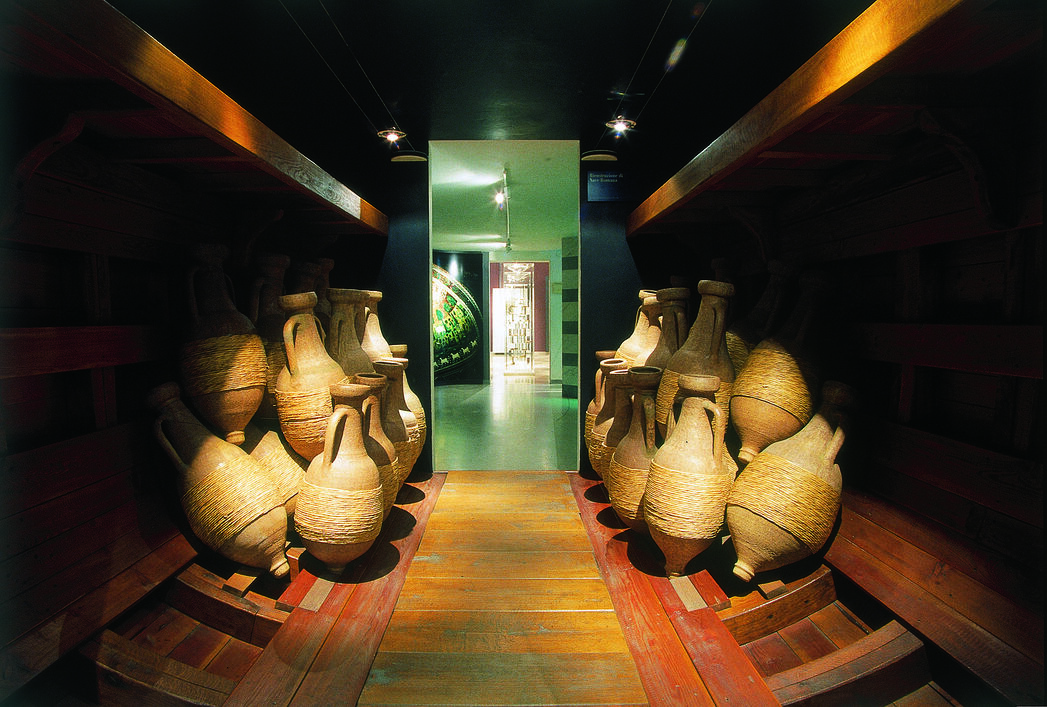
Inaugurated in 1992 in the Liberty building that was the historic headquarters of the Fratelli Carli company, and expanded in 2002 to nearly double its exhibition area, the Carlo Carli Olive Museum is one of Europe’s most significant museums dedicated to the cultural history of the olive tree and olive oil, spanning from antiquity to the present. Through over 250 artefacts dating from the second millennium BC to the Middle Ages, the museum retraces the fascinating journey of the olive tree across time and geography, from east to west through the Mediterranean. Over nearly a century of research, the Carli family has collected and preserved valuable items, including oil lamps, silver oil cruets, amphorae, documents, measuring systems, tools, and plants, all displayed in specially reconstructed environments such as the animal-powered and hydraulic oil mills, or the hold of a Roman ship. The collection also includes jars and containers illustrating the use of oil in medicine and cosmetics, as well as those used in sacred rites in both the ancient East and West, and, as still occurs today, in Christian, Jewish, and Muslim religious practices.
A room dedicated to Liguria highlights the region’s terraced landscape, showing how the steep valleys were cultivated. This section includes a short stretch of terracing and drawings and photographs depicting its construction, including the complex system of dry-stone walls. The art of dry-stone walls, now an invaluable heritage, was added to UNESCO’s list of intangible cultural elements in 2018.