Brera and the heritage of the most important Milanese newspaper, the Corriere della Sera
Brera: The heart of a Milan that does not feel like Milan
Amid elegant boutiques, historic or trendy clubs, small jewel-like squares, and monumental buildings, Brera exudes an atmosphere of bohemian charm and Belle Époque elegance. It is here that Milan showcases its finest side, and it is here people say “it doesn’t even feel like Milan.” For Brera is both profoundly Milanese and distinctly international. It is home to a blend of avant-garde design stores and traditional artisanship. During the day, the area buzzes with the comings and goings of tourists, students, gallery owners, stylists, designers, and architects. By night, restaurants masquerading as trattorias, modern pizzerias, and lounge bars set up tables in the streets, competing for space with impromptu painters, ‘expert’ tarot card and palm readers. The atmosphere shifts in Corso Garibaldi, where nightlife and shopping thrive in an ever-changing array of clubs and shops that follow fads and set trends, particularly among young people. Just a short distance away, the contrast with the ancient monastic complexes and two impressive churches, S. Simpliciano and S. Marco, is striking.
Via Solferino 28 and the Corriere della Sera
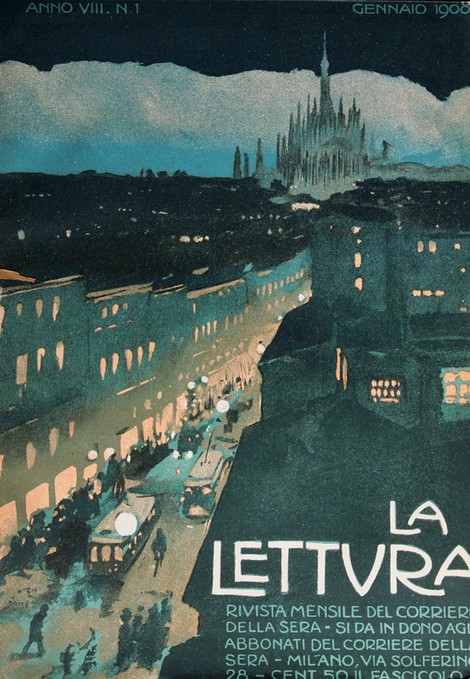
The heart of Italian journalism also beats in Brera: Via Solferino 28 is the headquarters of the country’s largest national newspaper, the Corriere della Sera. It was 1876, and just a stone’s throw from the Duomo, in two cramped rooms of a building in the Galleria, Eugenio Torelli Viollier was preparing to release of the first copy of the ‘Corriere’: four pages for 5 cents. The newspaper remained in the Galleria until 1888, when it moved to Via S. Pietro all’Orto and Via Verri, the address of the newspaper’s major shareholder, Benigno Crespi. In 1904, the then director Luigi Albertini moved the editorial office to Via Solferino 28, to a building with an eclectic and Liberty style, designed by Luca Beltrami, an architect who had recently rebuilt the Sforza Castle. The ‘Corriere’ soon became an important vehicle for information for the Milanese people and, later, for the whole of Italy.
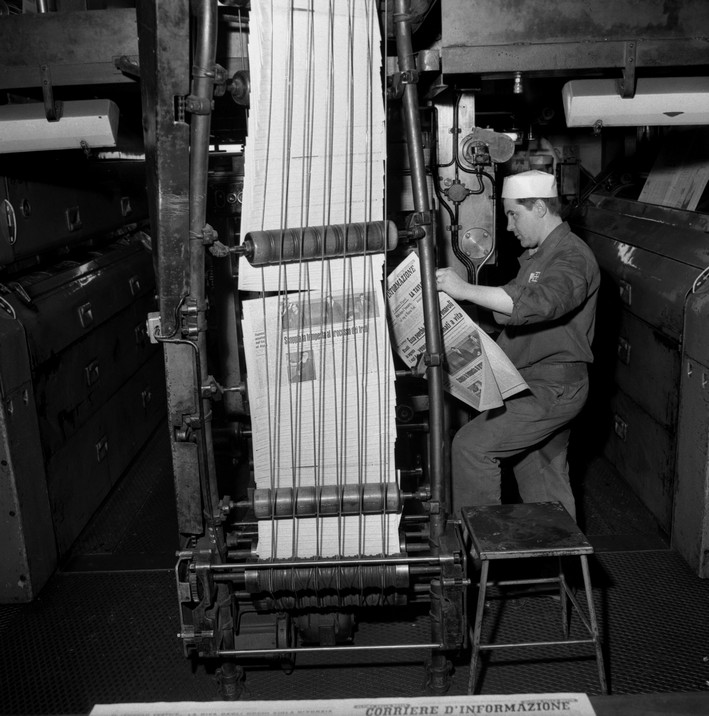
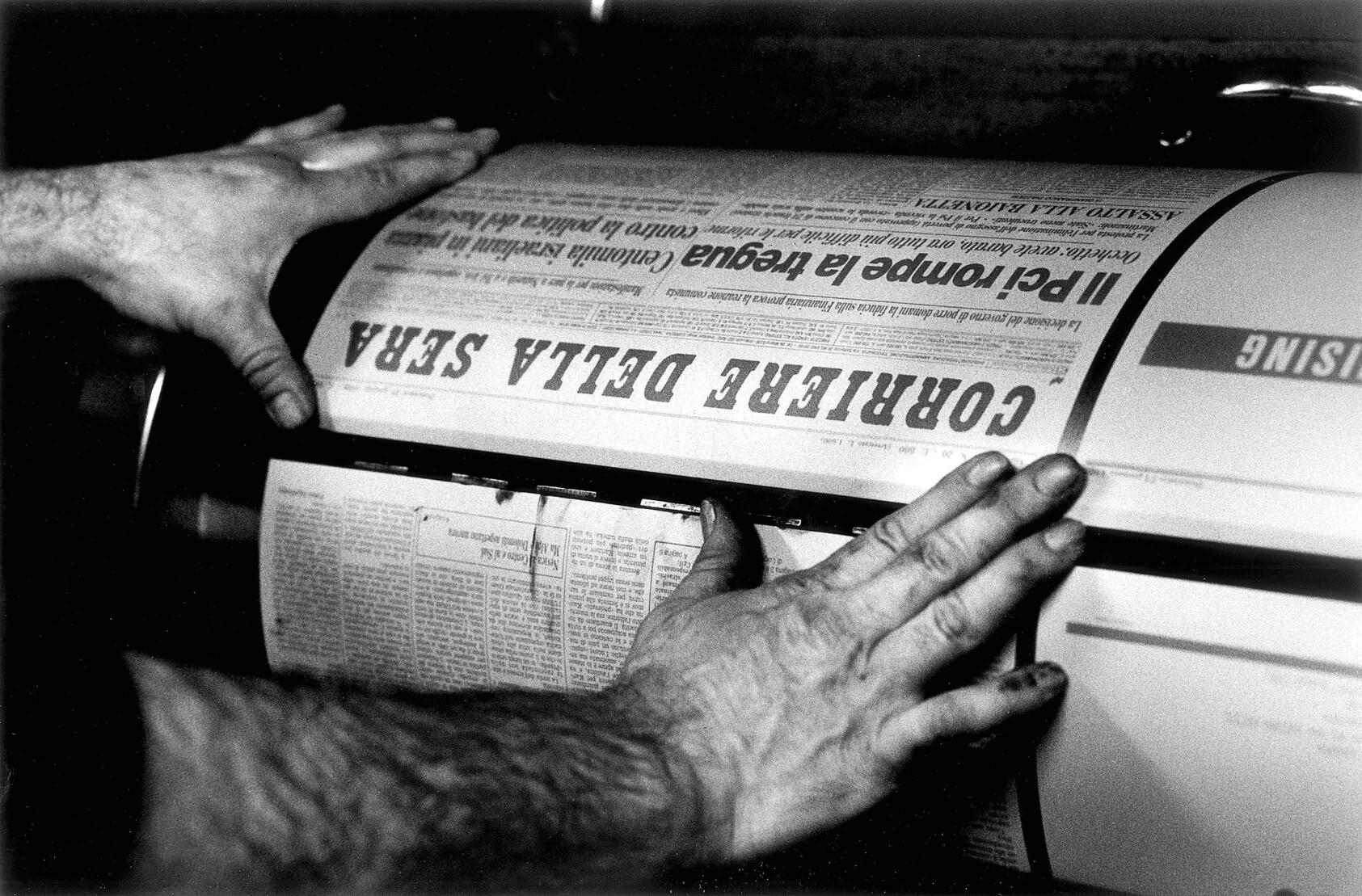
In Via Solferino, the ‘Corriere’ has spanned many eras, covering years of news and investigations. It has chronicled wars, revolts, pandemics, discoveries, and enterprises, while maintaining a moderate approach to the narration of events, regardless of the editors in charge or the journalists who have walked up and down the grand staircase to sit around the table in the Sala Albertini or at the desks in the newsroom. The ‘Corriere’ has printed the words of Giosuè Carducci, Ada Negri, Gabriele D’Annunzio, Benedetto Croce, Luigi Pirandello, Grazia Deledda, Dino Buzzati, Pier Paolo Pasolini, Ennio Flaiano, Oriana Fallaci, and Alberto Moravia. All this makes Via Solferino 28 more than an address: it’s a landmark.
Corriere della Sera: the complete archive in one place
The Corriere della Sera Historical Archive
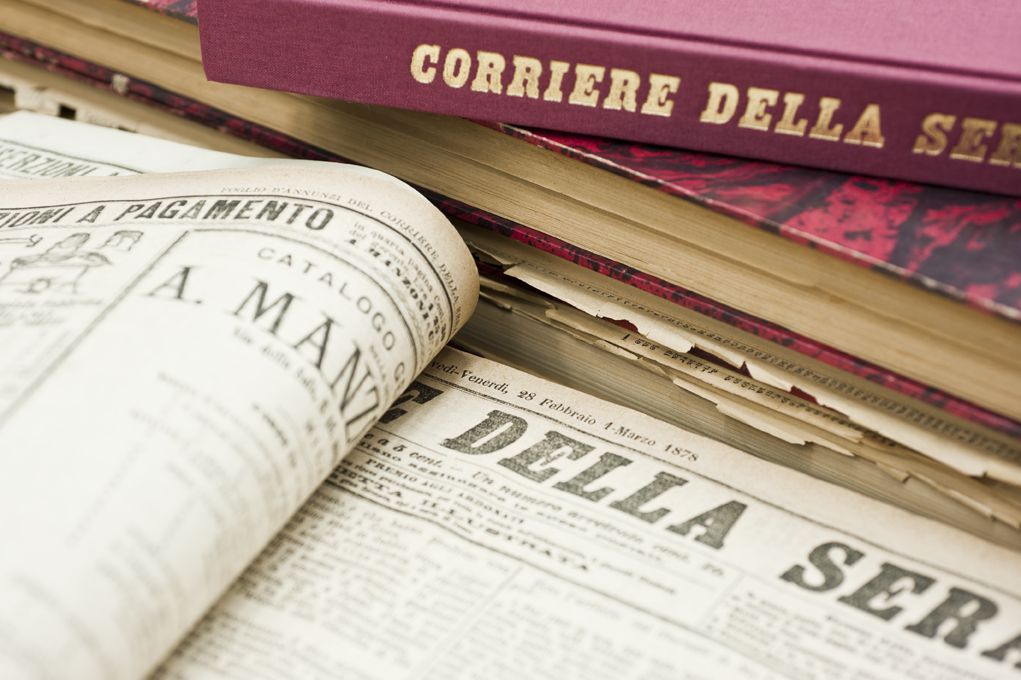
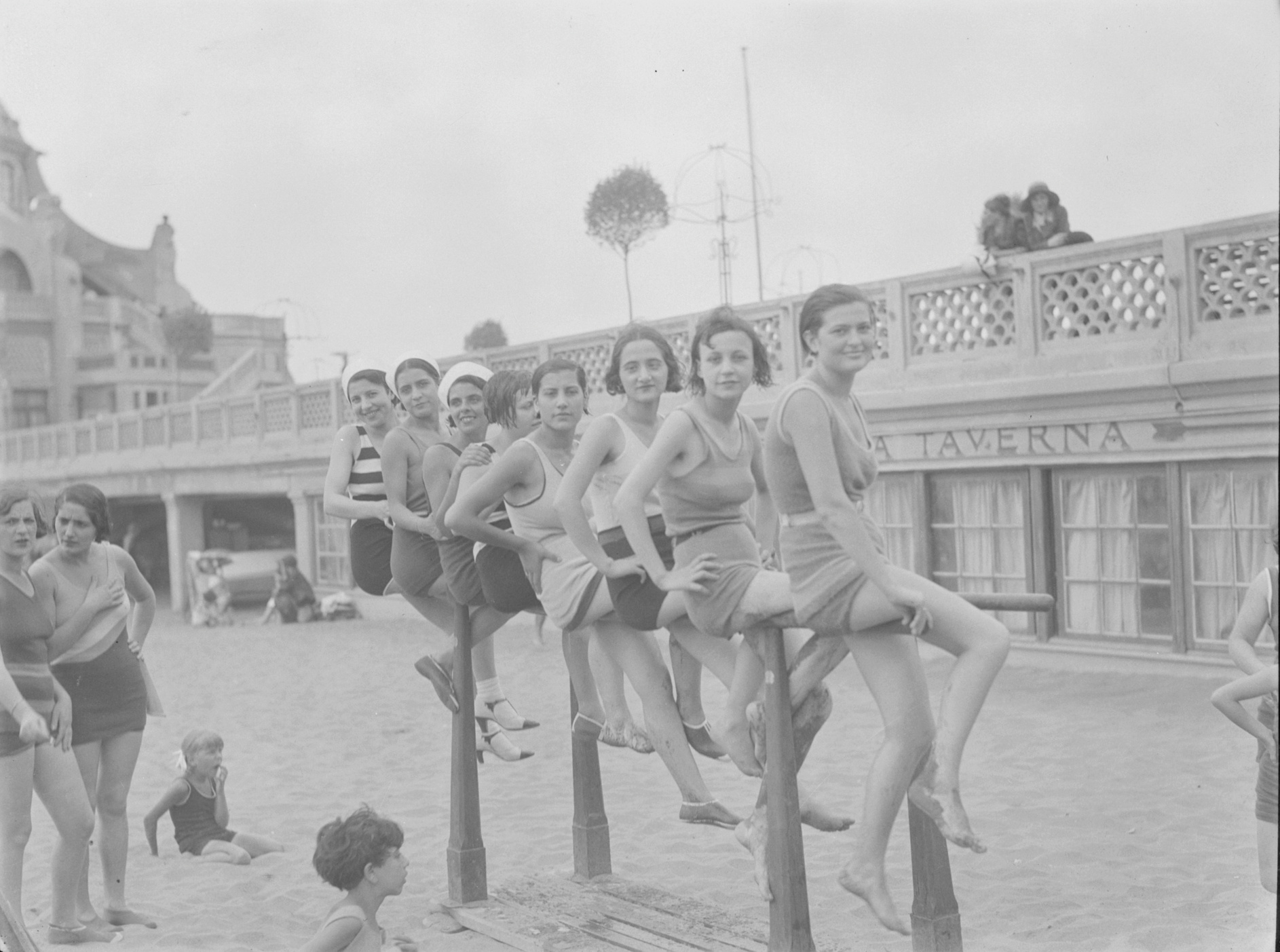
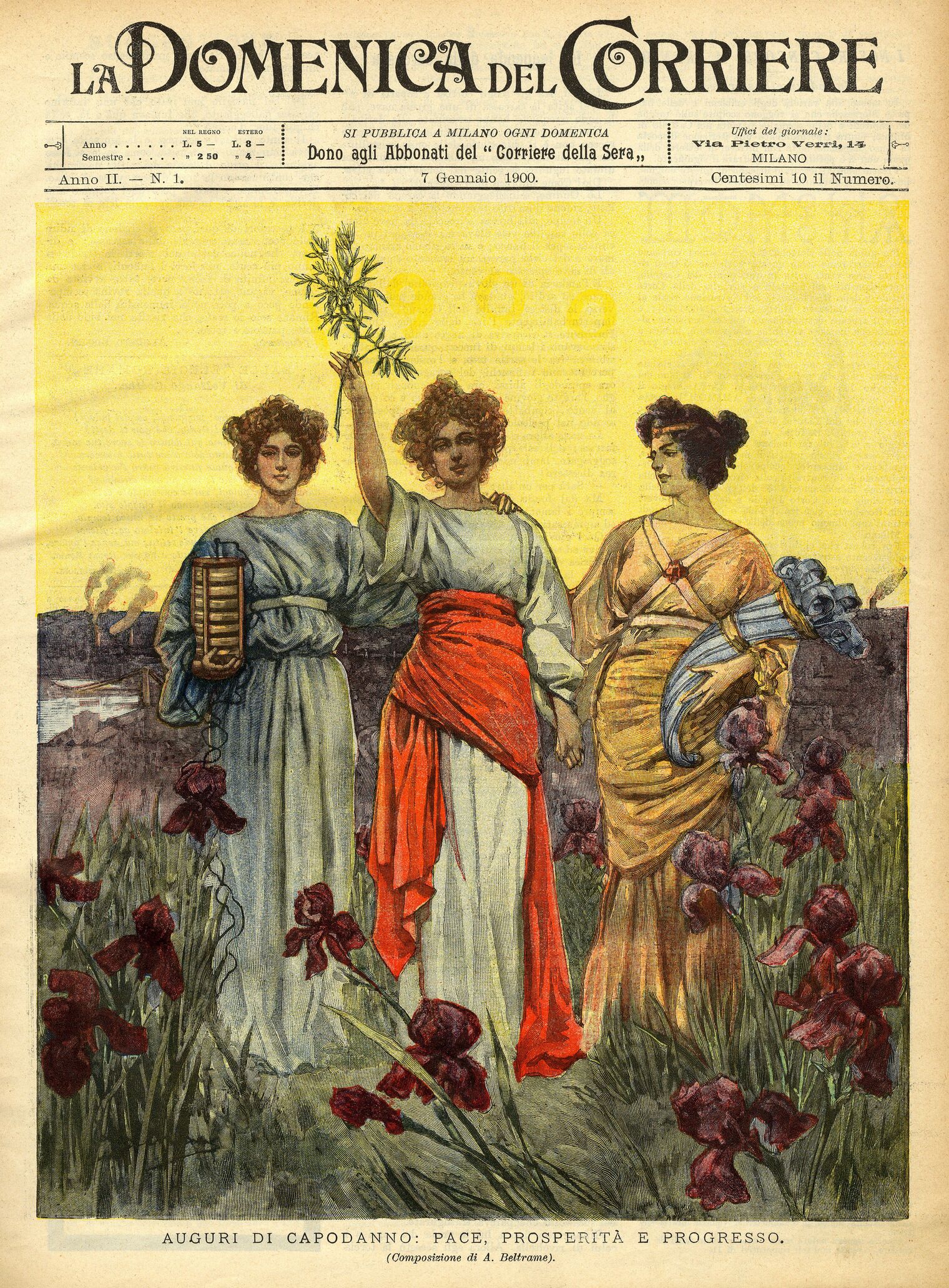
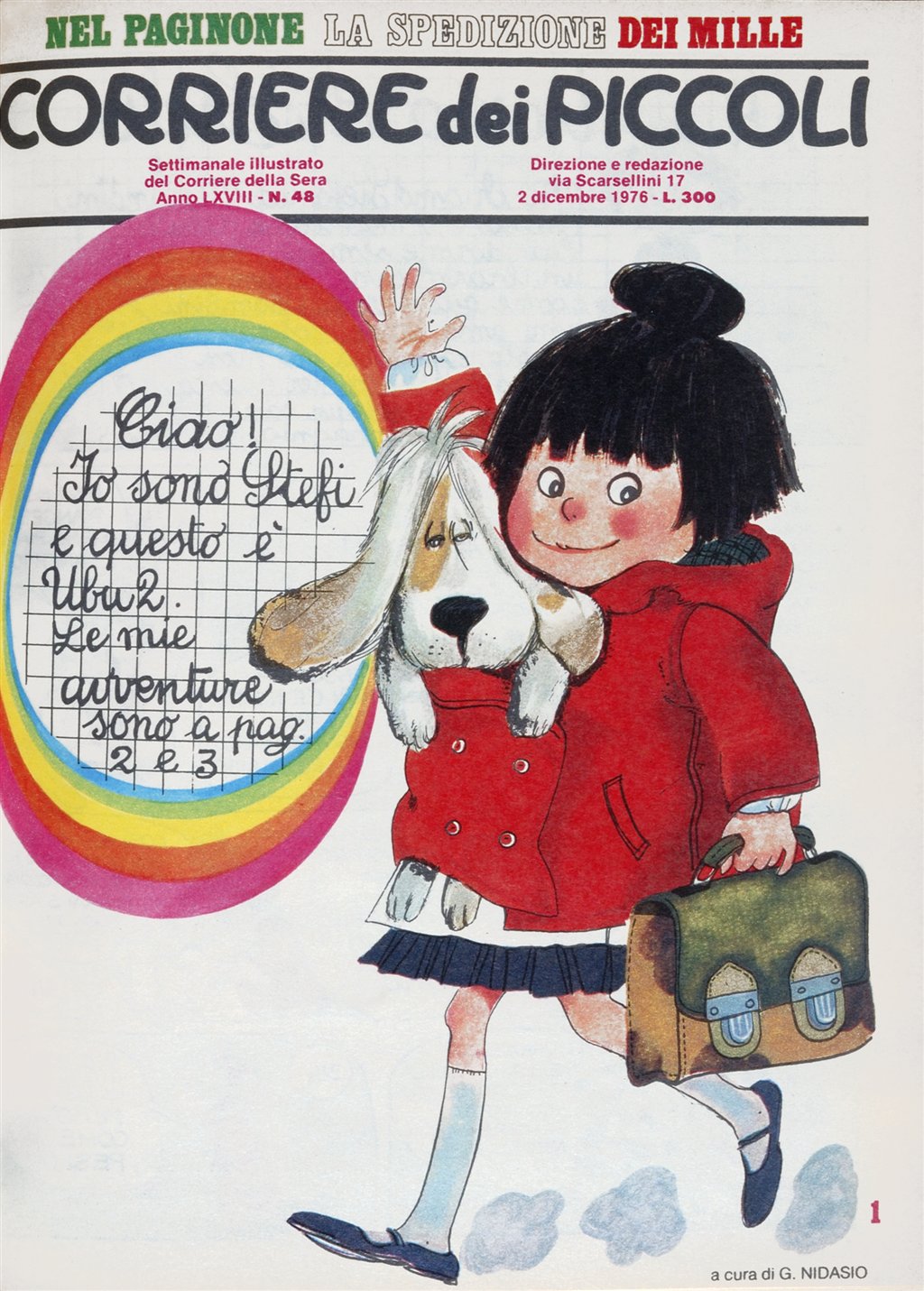
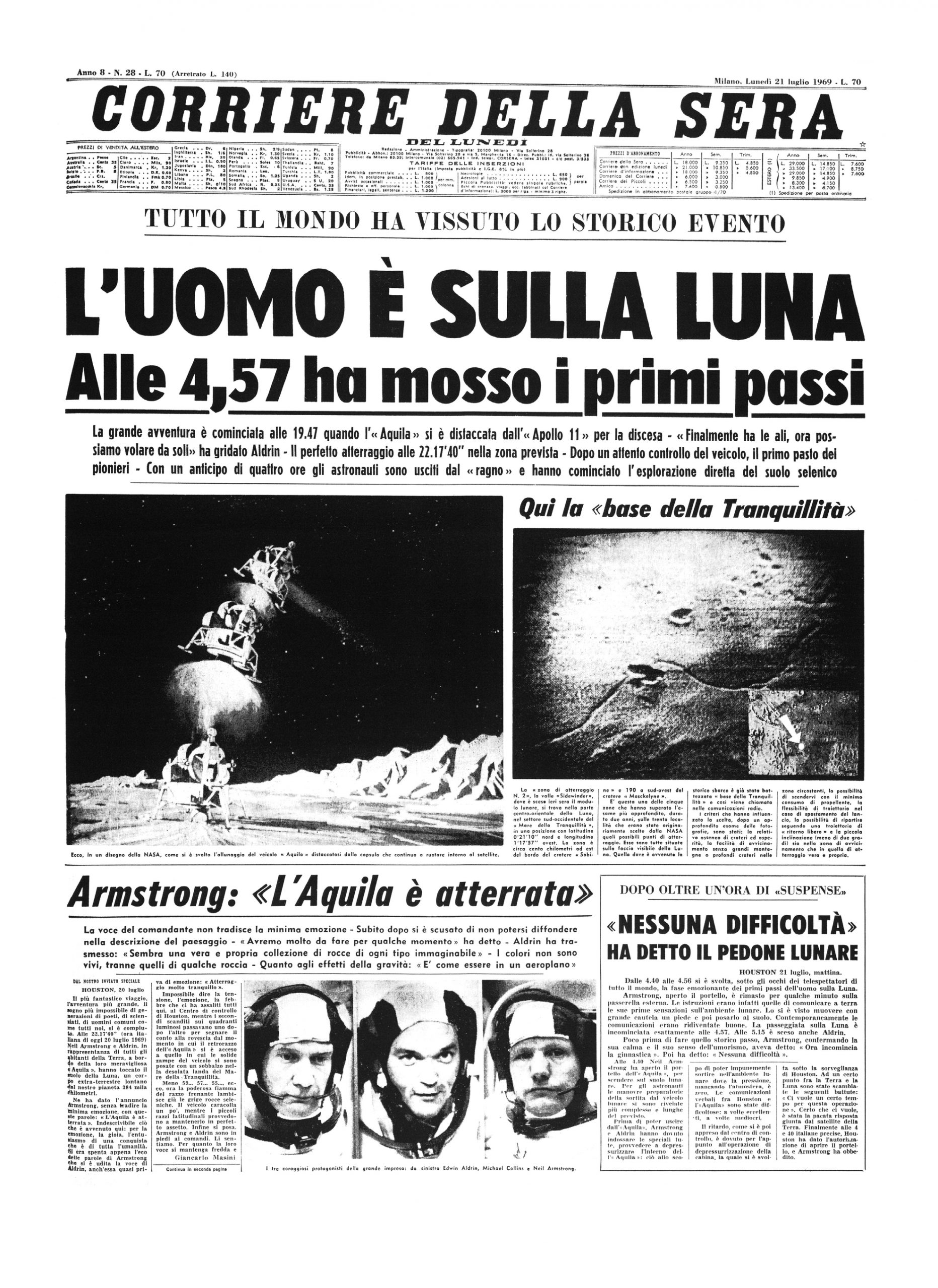
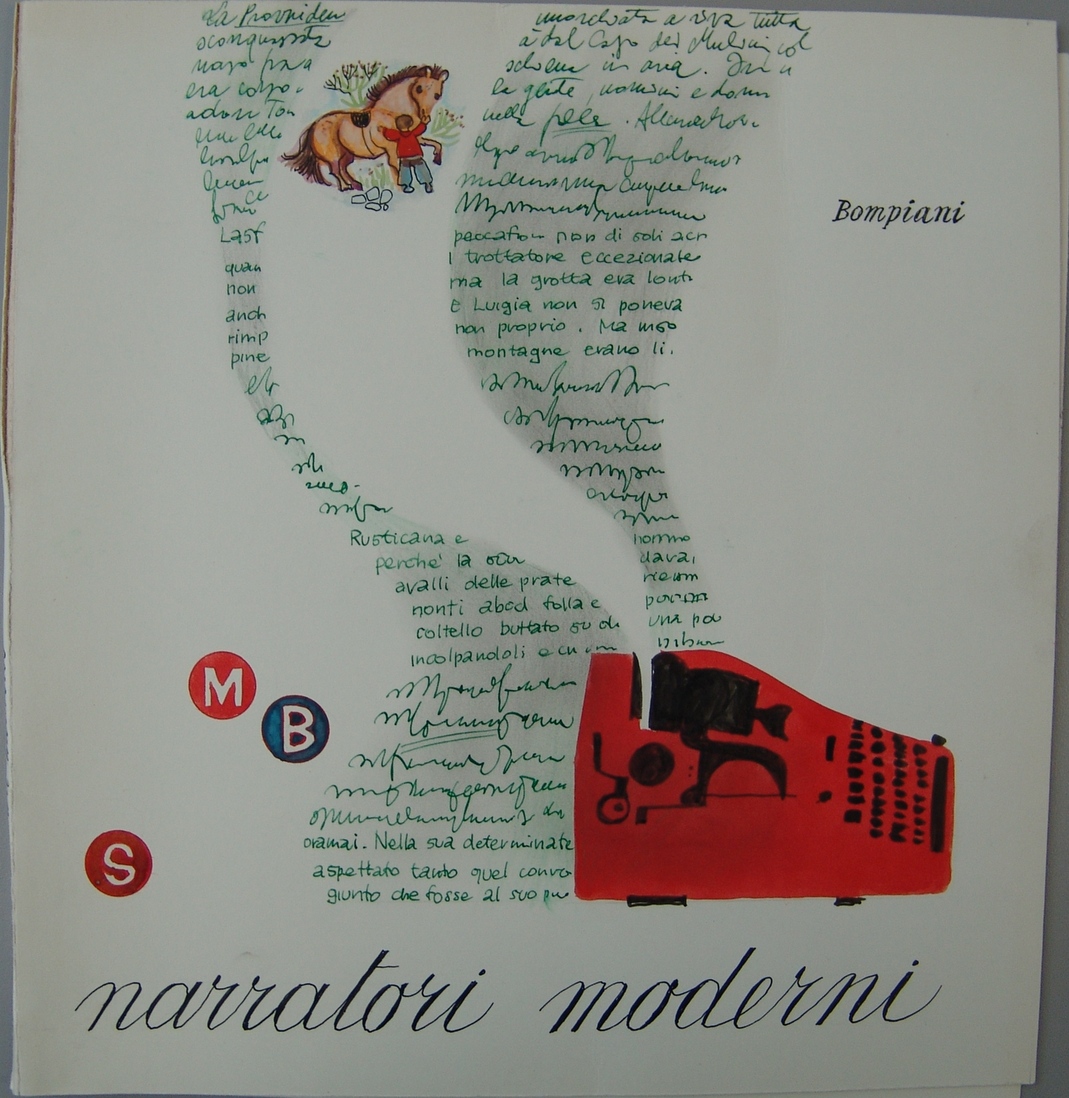
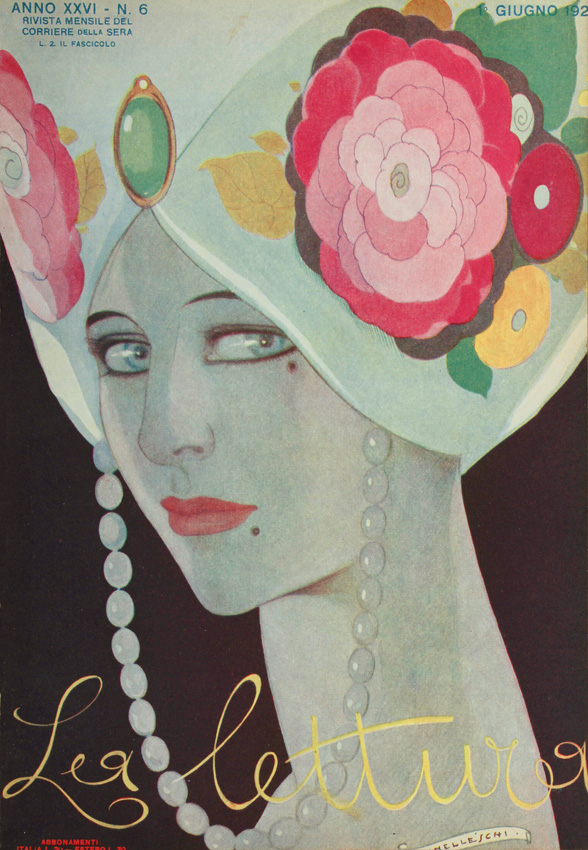
The historical memory of the ‘Corriere’ is preserved in its Archive. The Corriere della Sera Foundation, established in 2001 manages the priceless repository that is the archive, which preserves and highlights the history of a complex and intricate editorial system, capable of reporting daily news or major events while always interpreting the needs of a diversified audience. In 1976, it was declared of considerable historical interest by the Archival Superintendency for Lombardy, and today it houses the documentary and iconographic collections of the newspaper, as well as those of other entities that have been part of the RCS Group, such as the Valentino Bompiani publishing house, Rizzoli, and several photographic archives from the periodicals. It also includes the legacies of some famous collaborators, from Gaetano Afeltra and Giovanni Cenzato, to Enzo Biagi, Emilio Tadini, Oriana Fallaci, Fernanda Pivano, Ugo Guarino, and Iris De Paoli. The archive houses newspapers and magazines, drafts, administrative and corporate documents, millions of photographs and original illustrations, sketches, cartoons, and collages from the founding year of the ‘Corriere’. It is both an analogue and digital heritage in continuous development, profoundly connected to the events that have shaped Italy, acting as a voice not only for the history of the newspaper but also for the country’s social transformation.
In collaboration with