Capena: Reinhold Würth’s precious legacy, the Art Forum Würth Capena, and the Archaeology of Lucus Feroniae
Künzelsau. West Germany. In 1954, at just 19 years old, Reinhold Würth found himself at the helm of a company founded in 1945 that would go on to become a global leader in its field: the distribution of fastening and assembly products and systems. These include metal and plastic hardware; hand, electric and pneumatic tools; chemical products, clothing; safety equipment; storage systems, and workshop fittings.
It was his father, Adolf, who passed on this legacy, named Adolf Würth GmbH & Co. KG.
But what enabled Reinhold Würth to expertly guide the company and make it so successful?
By all accounts, it was his immense optimism and drive – which also inspired his employees – as well as his determination to guarantee the best services.
Since 2006, these values and goals have been carried forward by his daughter Bettina, the current Chairperson of the Group’s Board of Auditors.
Thanks to their unwavering commitment, the company opened its first branch in Italy in 1963, in Terlan, on the border with Bolzano. Then, in 2002, it established its legal, administrative, and logistics headquarters in Neumarkt.
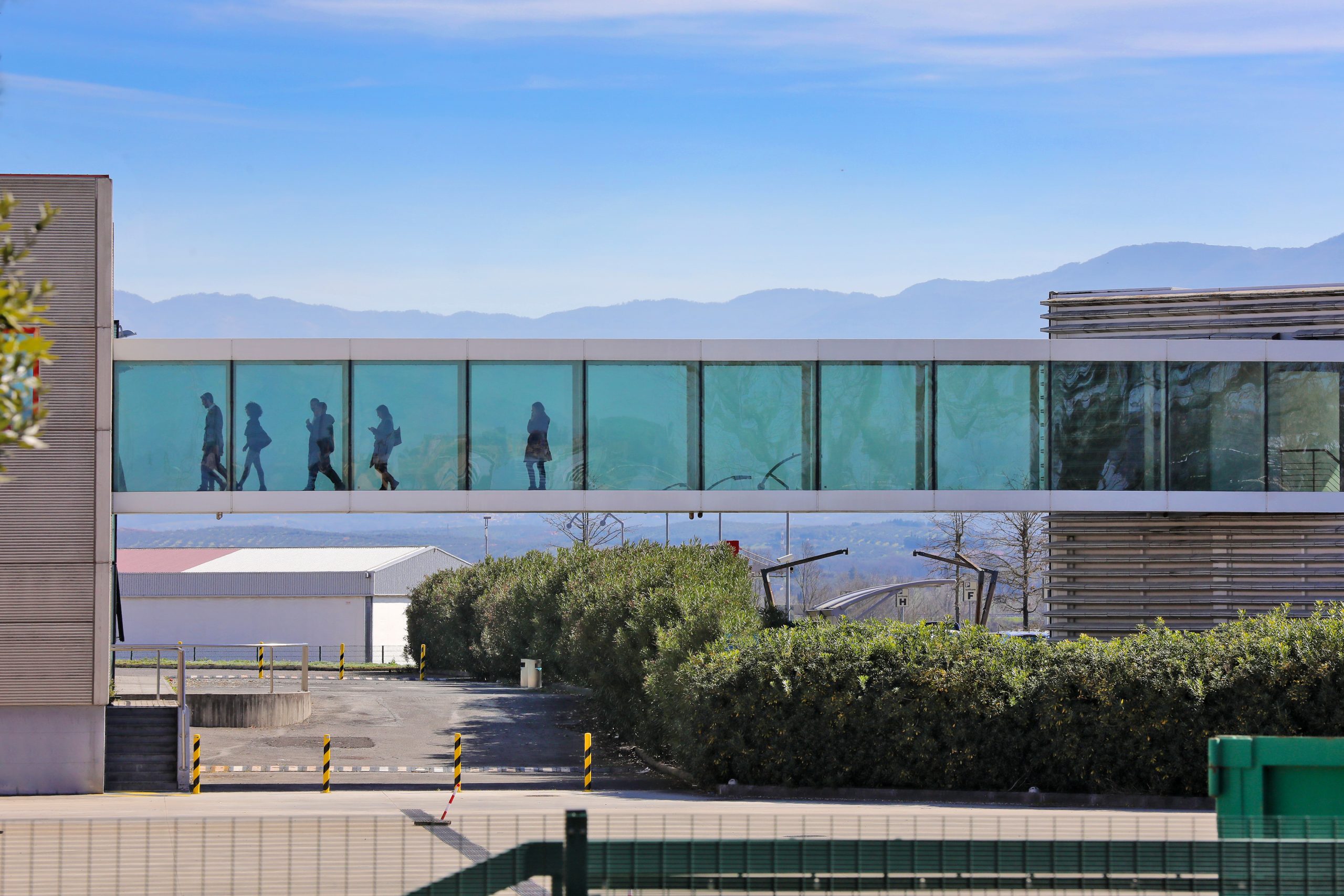
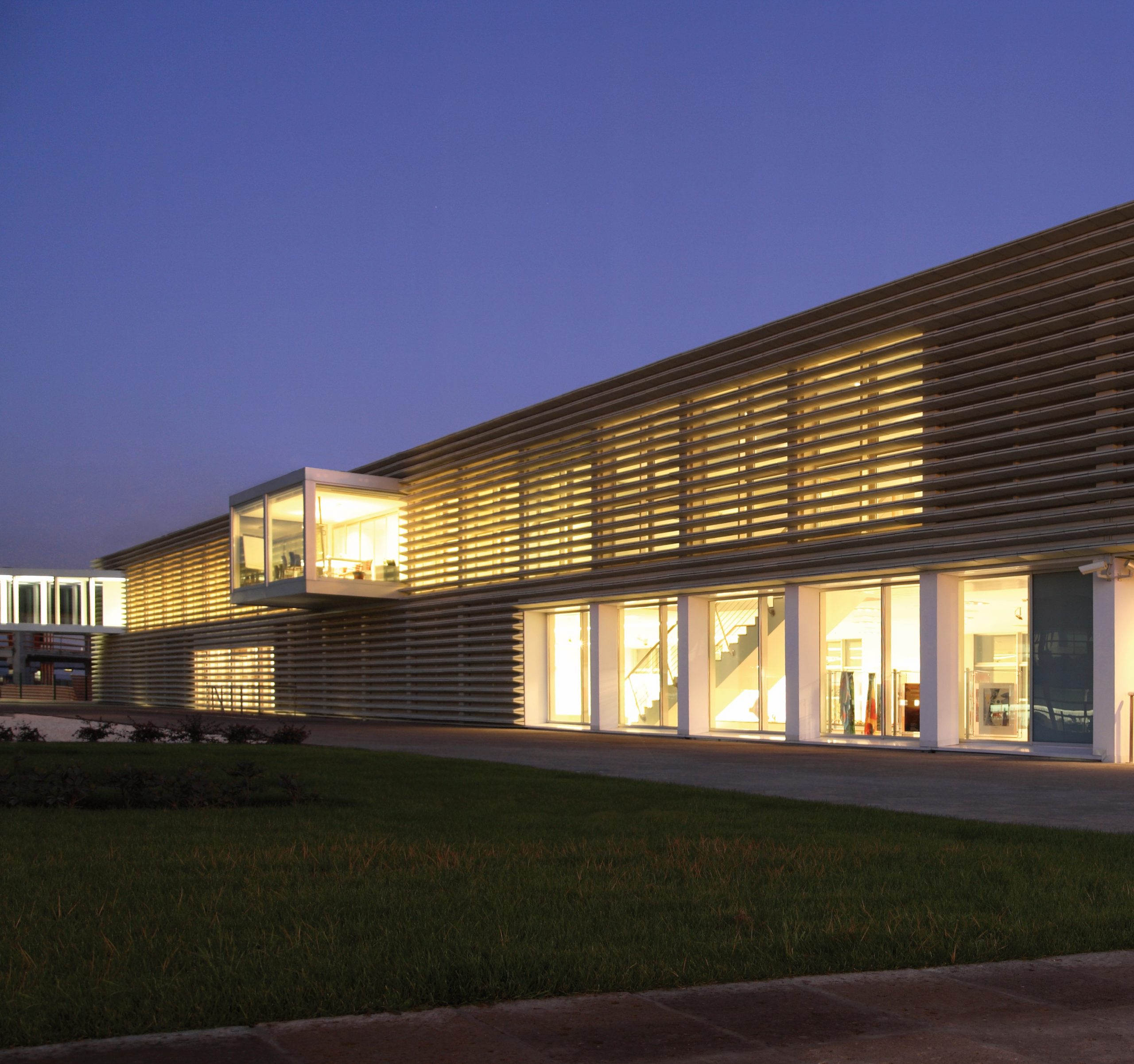
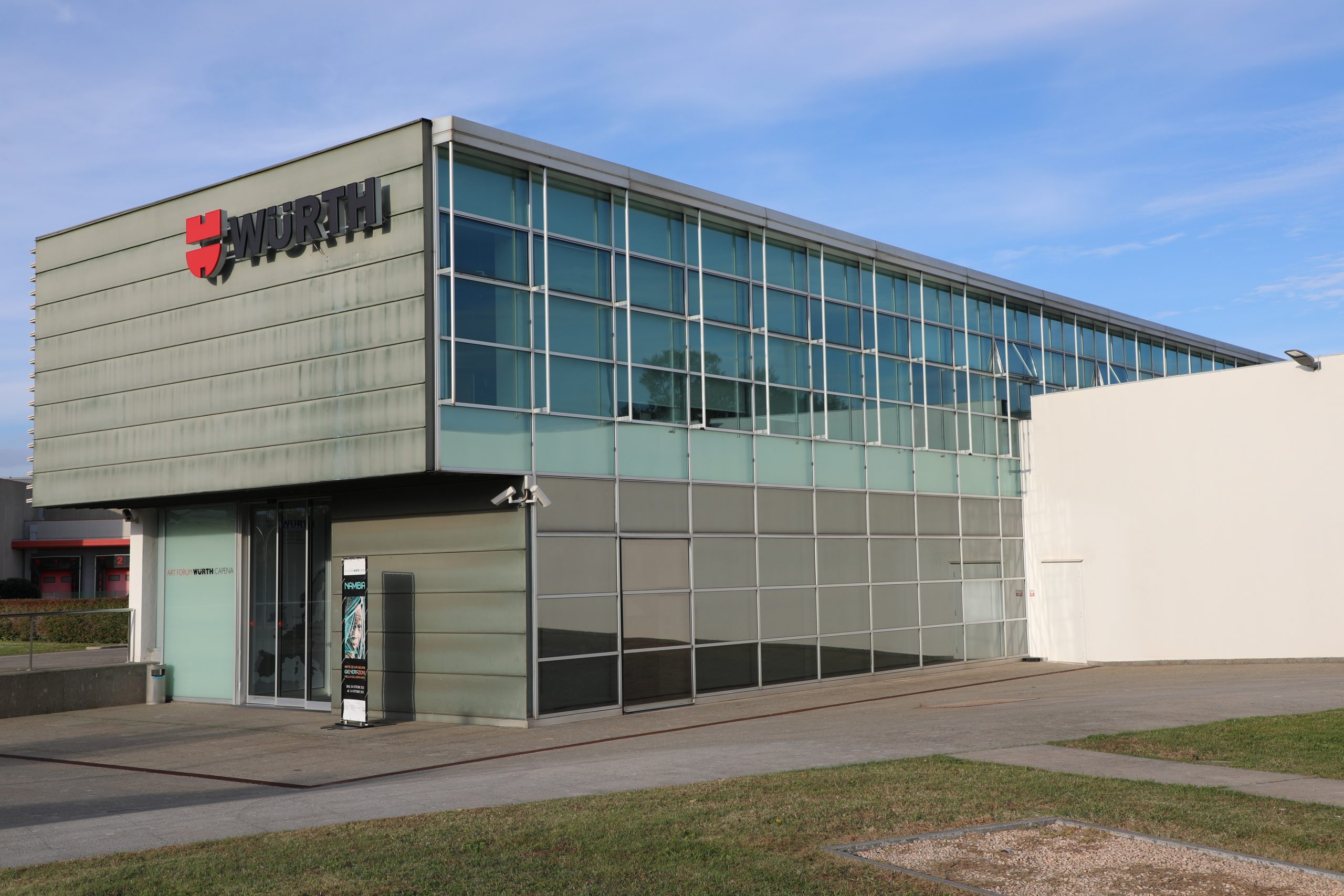
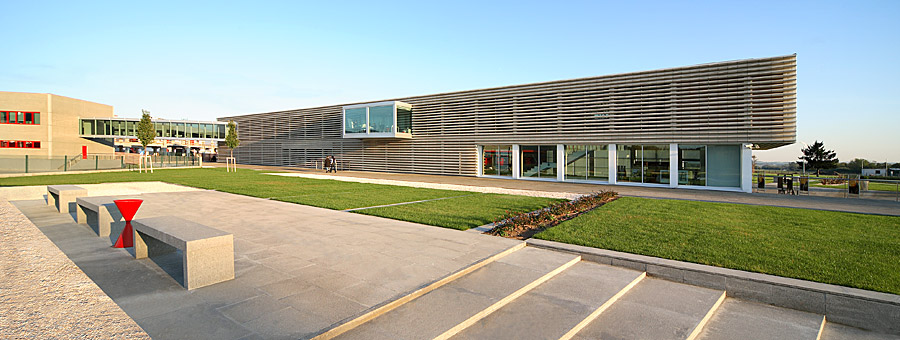
The Würth Group also has two other logistics centres in Italy: one in Crespellano (Bologna) and one in Capena (Rome). The latter is home not only to offices, but also to an exhibition space, the Art Forum Würth Capena.
For those wondering about the connection between such a company and art, Reinhold Würth himself provides the answer: “We don’t just want to satisfy our customers, we want to inspire them!”
The Art Forum Würth Capena: Inspiration and Connection
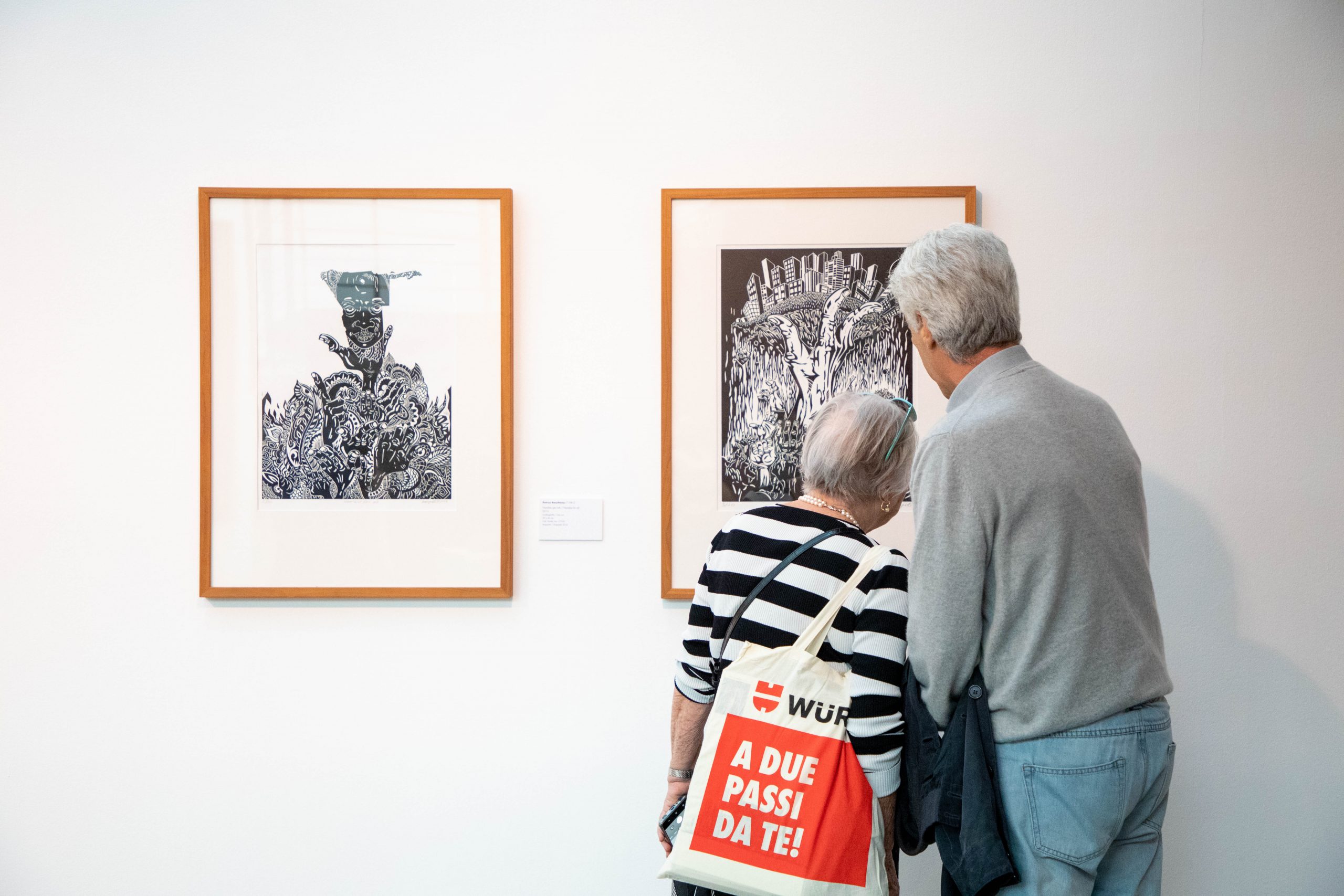
The Art Forum Würth Capena, designed by architect Vincenzo Melluso and the Società Politecnica Ingegneria e Architettura, exhibits works from the Würth Collection through temporary exhibitions. This art space is part of a network of 15 museums (the first of which was inaugurated in 1991) spread across Germany, Austria, Denmark, France, Italy, Norway, the Netherlands, Spain, and Switzerland. The collection features over 20,000 works, ranging from the Late Middle Ages to present day, collected by the entrepreneur and collector, Reinhold Würth.
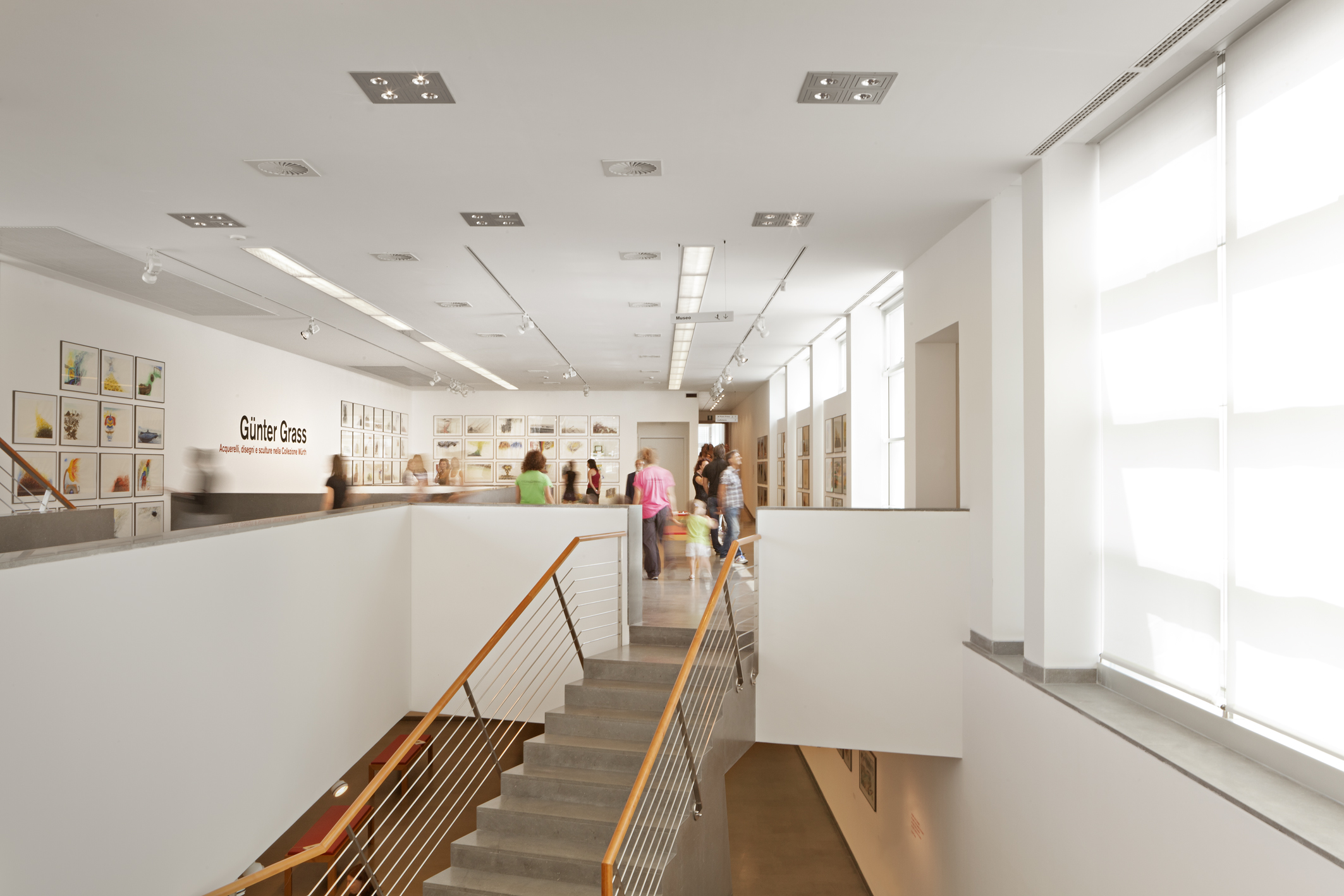
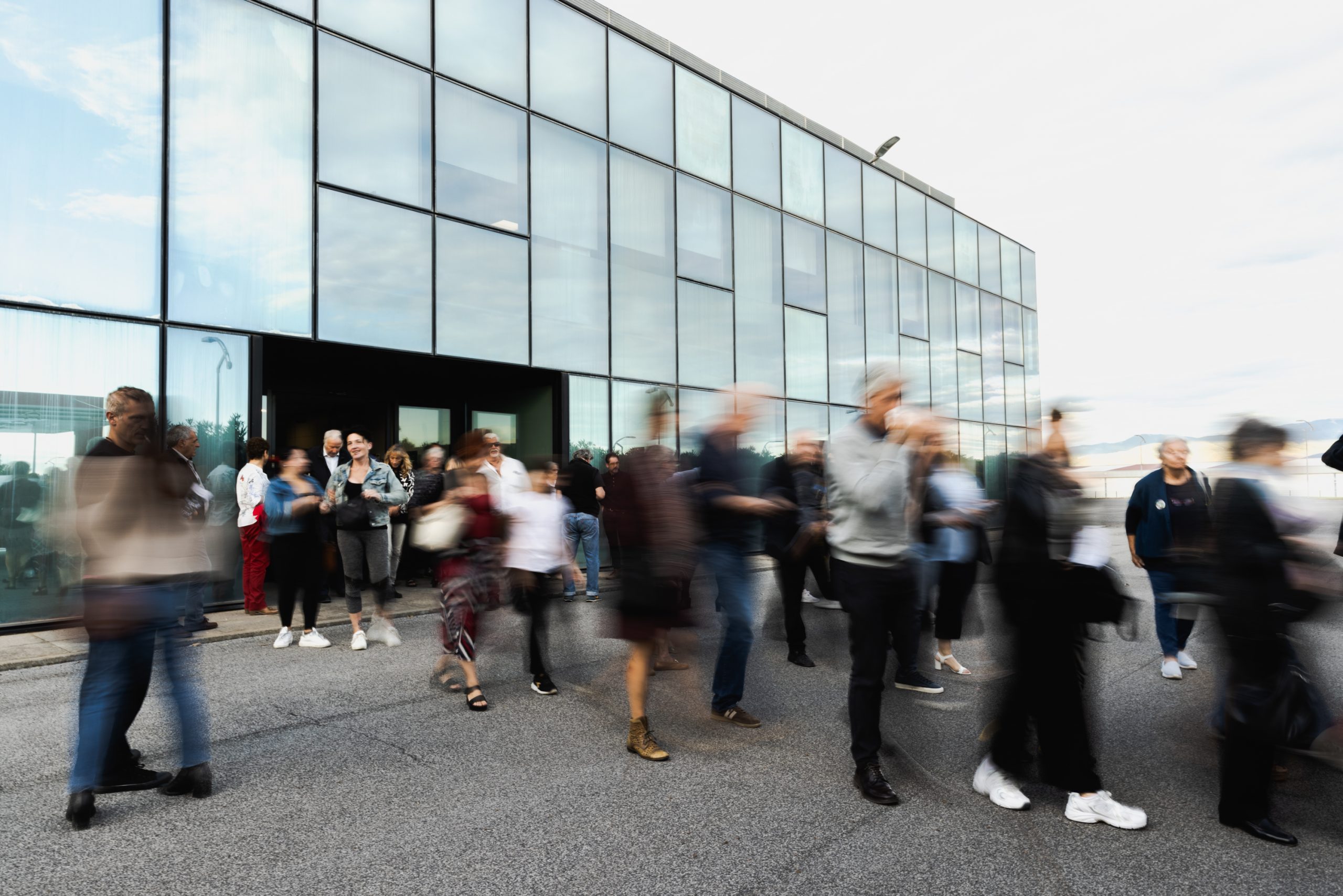
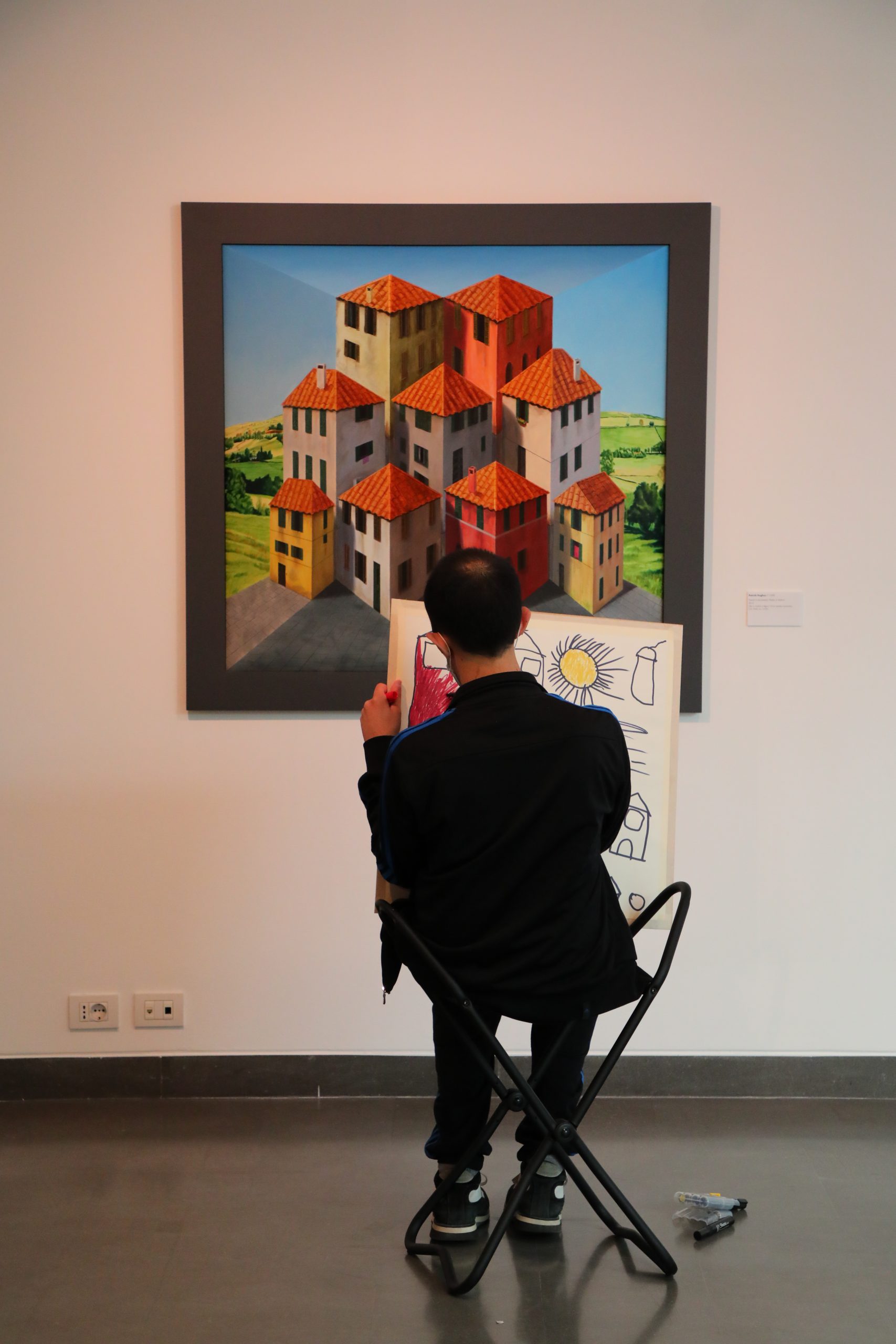
Believing that the combination of art and work improves staff productivity, reinforces relationships, and positively impacts the climate within the company , the Art Forum serves not only as a meeting and discussion venue, but also as a creative space designed to inspire. It encourages employees and their families to reflect on and engage with art. Additionally, the centre offers workshops for children and art therapy sessions for individuals with disabilities.
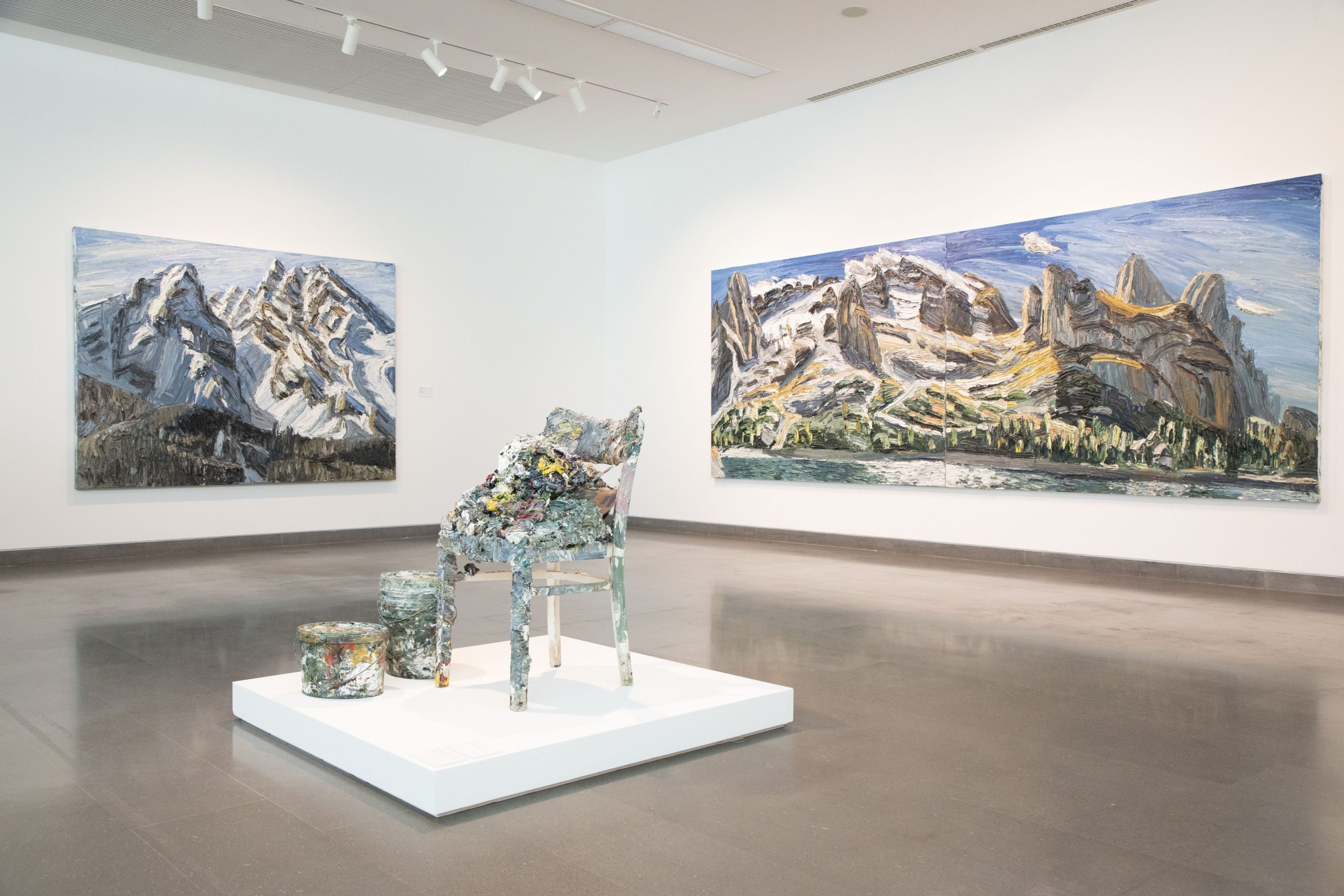
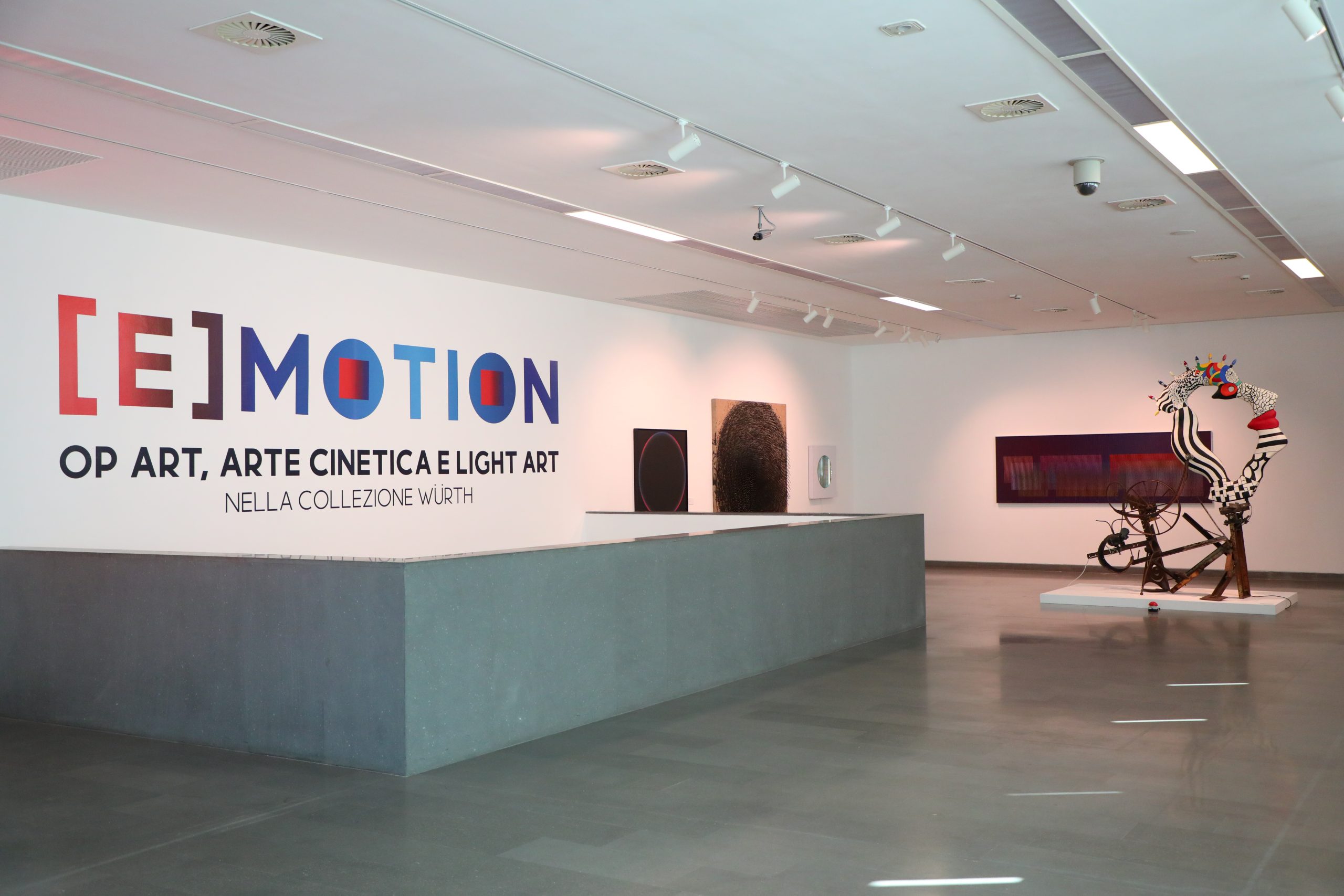
Since 2006, the museum has hosted 18 temporary exhibitions, including ones dedicated to Picasso, José de Guimarães, Günter Grass, Op Art, Kinetic Art, Light Art, and many others. The latest exhibition, which opened in September 2024 and will run until October 2025, is titled ‘PATHOS und PASTOS’ and features works by Christopher Lehmpfuhl, a German artist known for his ability to capture the beauty and essence of landscapes through plein air painting. Visitors can admire views of Berlin, painted at various historical moments and under changing weather conditions, as well as other urban and natural landscapes from countries around the world.
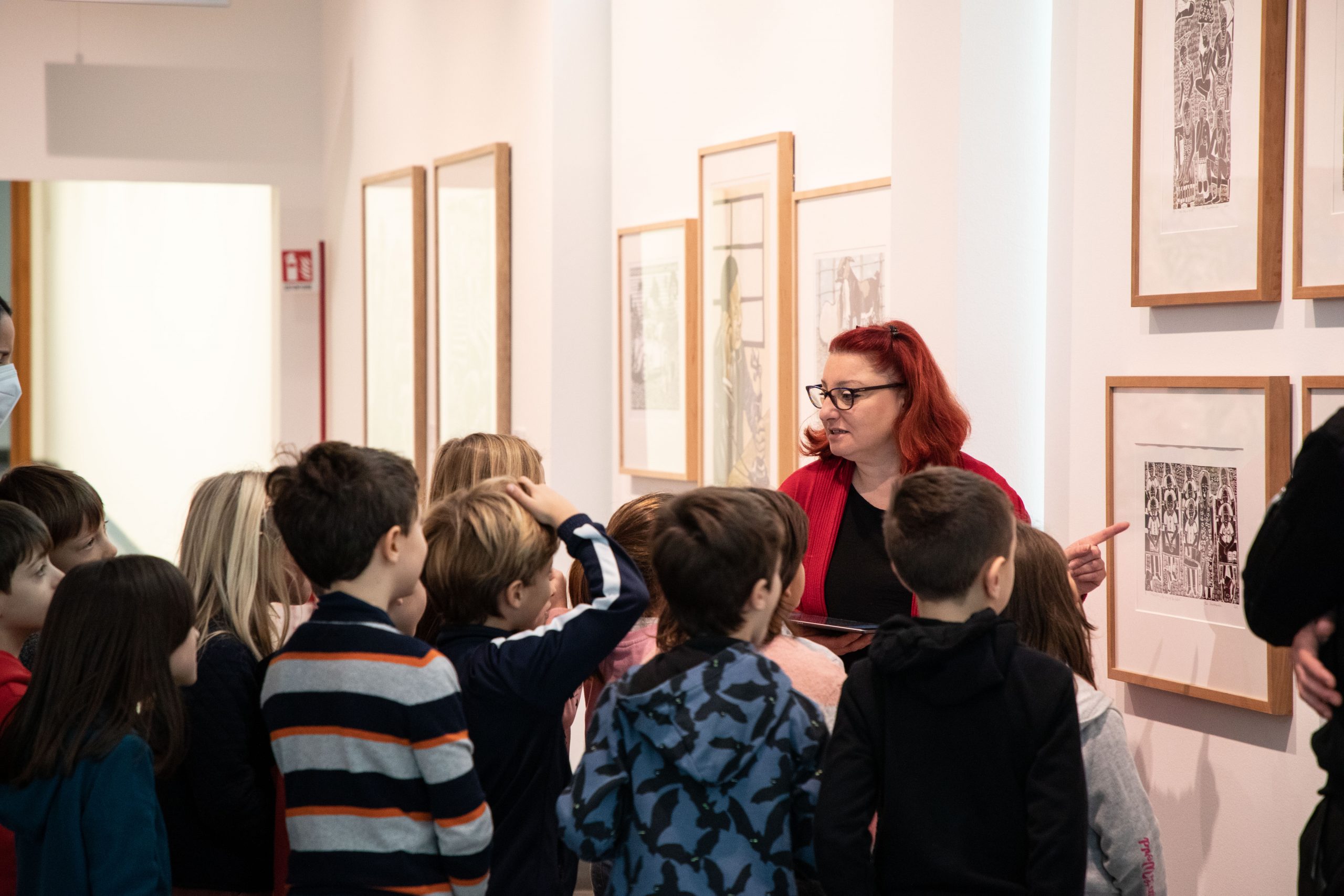
Although opening a branch in the suburbs rather than the city centre might initially seem counterproductive, the Würth Group aims to expand the cultural landscape of the area and bring the community closer to art. This is achieved by fostering a sense of community, collaborating with other cultural institutions, hosting guided tours for school groups, and organising concerts, such as those by two ensembles of the Würth Philharmoniker Orchestra held in 2023.
In the space of a few years, the Capena Art Forum has become an authentic cultural landmark within a town that, in itself, is a work of art.
Capena: A city of art where mosaics meet archaeology
The ancient town of Capena is an arts town where the medieval atmosphere still lingers, preserved in the urban layout and surrounded by the Roman countryside that Cicero famously recommended visiting in his Familiares (Letters to Friends). The historic centre is a true gem, featuring stone arches, cobbled streets, and small, colourful buildings, and Piazza del Popolo with a narrow, elongated, pink Clock Tower sandwiched between two yellow buildings that seem to be pushing it aside out of spite. Inside is the Civic Museum, which showcases the town’s history from the fall of the Roman Empire to present day.
Dotted around the town are benches that are true works of art, each decorated with mosaics. One, for example, depicts a colourful chameleon, blue-green trees, and a brilliant turquoise sky. Turning a corner, you might also come across a 9-metre giant, leaning against a wall and peeking out at the panorama.
Just a short walk from the Art Forum Würth Capena, on the Via Tiberina, lies the archaeological site of Lucus Feroniae, which includes a Antiquarium nearby, part of the Archaeological Superintendence of Lazio and Southern Etruria, renovated and reopened in 2016.
The area dates back to the 6th-7th century BC and includes the sanctuary dedicated to Feronia, the goddess of fertility and protector of trade, as well as the adjacent Roman colony with its Antiquarium and the Villa dei Volusii in Fiano Romano.
Now rediscovered, the site offers a wealth of ancient artefacts, including temple decorations, mosaics, statues, and other finds. These allow not only to recover the history of Capena and Fiano Romano, but also to interact with the surrounding landscape.
In collaboration with