Como, capital of silk, and InFabbrica, a living, participatory textile archive
Aristocratic villas, evergreen manicured gardens, postcard-worthy views and romantic corners. Stone villages, tiny pebble or grassy beaches, hills and mountains descending towards a mirror of fresh water. This is the landscape that greets you when you arrive on the shores of Lake Como – or Lario – in Lombardy. Its capital, Como – Roman in origin but medieval in appearance – with the hills of Brianza behind it and the first mountain slopes rising at its side, immediately presents itself as gracefully elegant and welcoming.
A destination of the Grand Tour, Como, the lake and its shores have long welcomed and enchanted poets and artists, military leaders and politicians, actors and musicians. And if these enlightened minds were able to draw from the lakeside city all the inspiration it could offer, Como, and its surrounding area, in turn absorbed and embraced, with intelligence and foresight, the cultural and economic fervour coming from outside.
It was precisely in this period, in the second half of the nineteenth century, that the town established itself as Europe’s leader in the production and export of fine textiles. It is therefore essential to recount the long artisanal tradition of the Como area, whose roots go back to the 1400s, when Ludovico Sforza sought to increase the cultivation of mulberry trees for silkworm farming.
Thus began a long production chain that involved the local population and withstood both foreign competition and the two wars. How? By preserving its artisanal methods while adapting to modern times, transforming unique know-how into ideas and design of global distinction.
With the blossoming of Italian fashion came collaborations between the great designers of the time and the weavers and silk-makers of Como: from Versace to Moschino, from the Fontana Sisters to Krizia and Etro, from Christian Dior to Givenchy. In 1969, the United States, France and Germany absorbed more than 60% of the fabrics produced in Como for export.
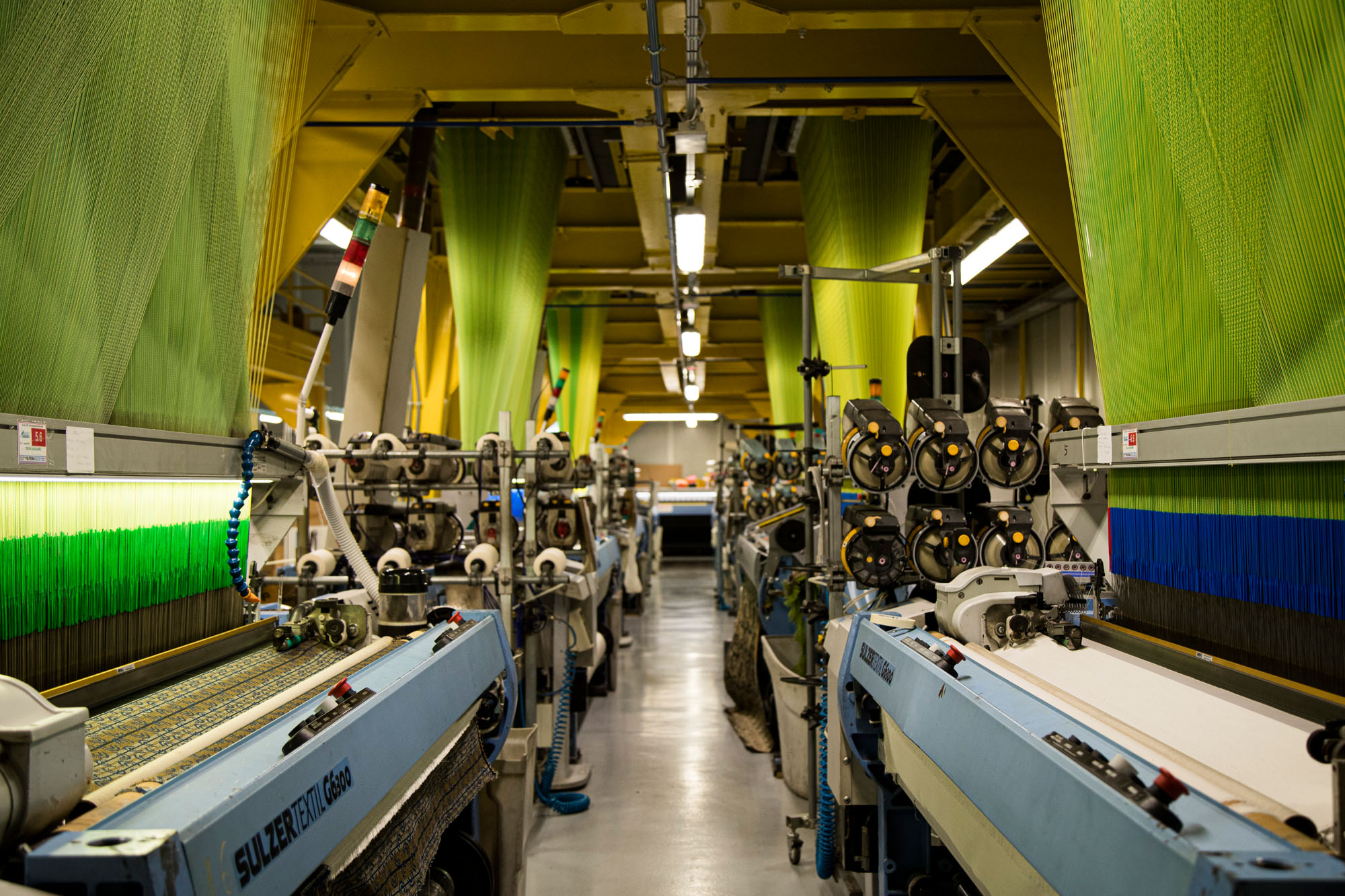
Today, the Como area is the only region in the Western world where the production chain still includes every stage of silk manufacturing: spinning, weaving, dyeing, printing and finishing.
And it is no coincidence that Como entered the UNESCO Creative Cities network in 2021.
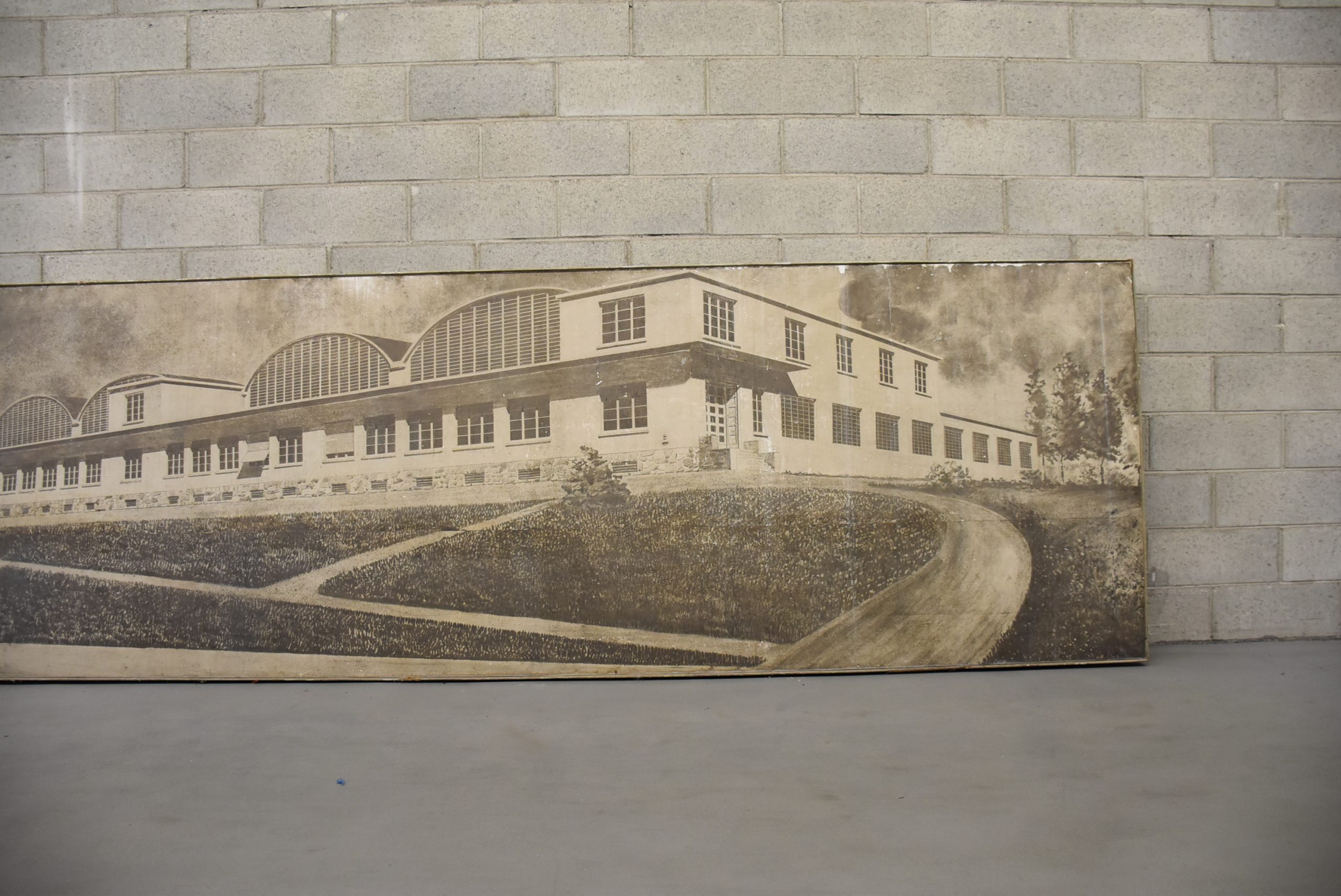
A virtuous example of this Como-based entrepreneurial sector is Colombo Industrie Tessili which, at its production site in Fino Mornasco, just a few kilometres from Como, has established InFabbrica, a historical archive and cultural hub.
Colombo Industrie Tessili and InFabbrica
It all began in 1962, in San Fermo della Battaglia. At the time, the Colombo couple – Piero, known as Gezz (meaning ‘gecko’ in the Como dialect, which explains the company logo) for his lively nature, and his wife Anita – opened a weaving workshop right beneath their home. It was among the corridors of the small workshop, surrounded by looms and finishing machines, that the couple’s children, Stefano and Massimo, grew up, today respectively the chairman and CEO of Colombo Industrie Tessili.
Following a philosophy that embraces Italian manufacturing tradition and innovation, ethics and high product quality, the shift from family business to major enterprise became inevitable.
Today the company includes the brands Its Artea, MarioBoselli Jersey, Progetto|62 and the more recent Unlimited, which, in addition to apparel fabrics, also produces home textiles.
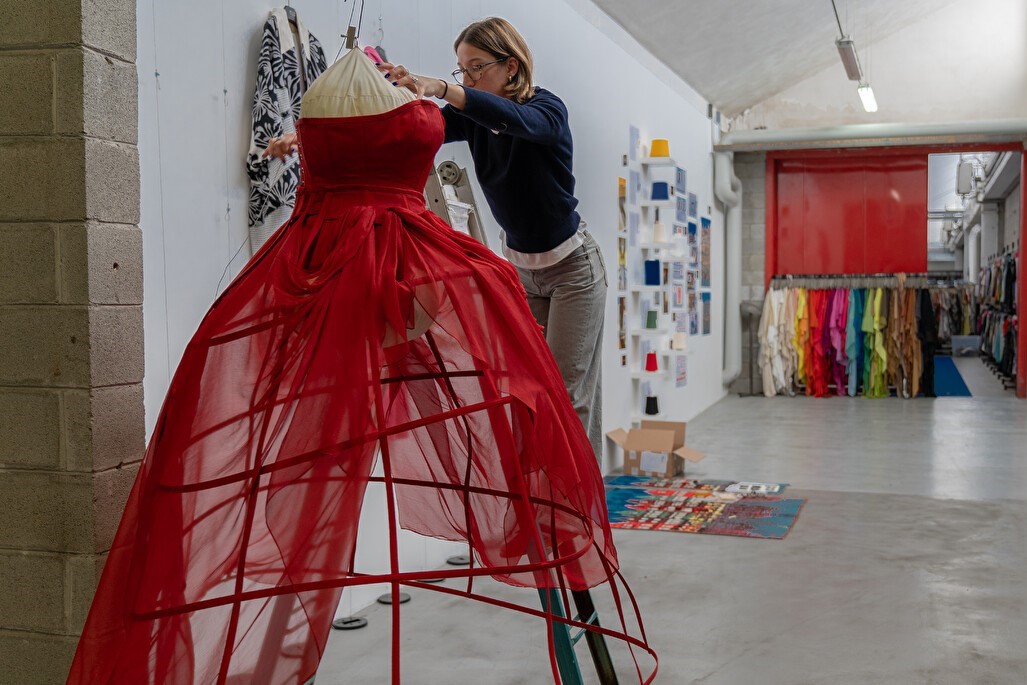
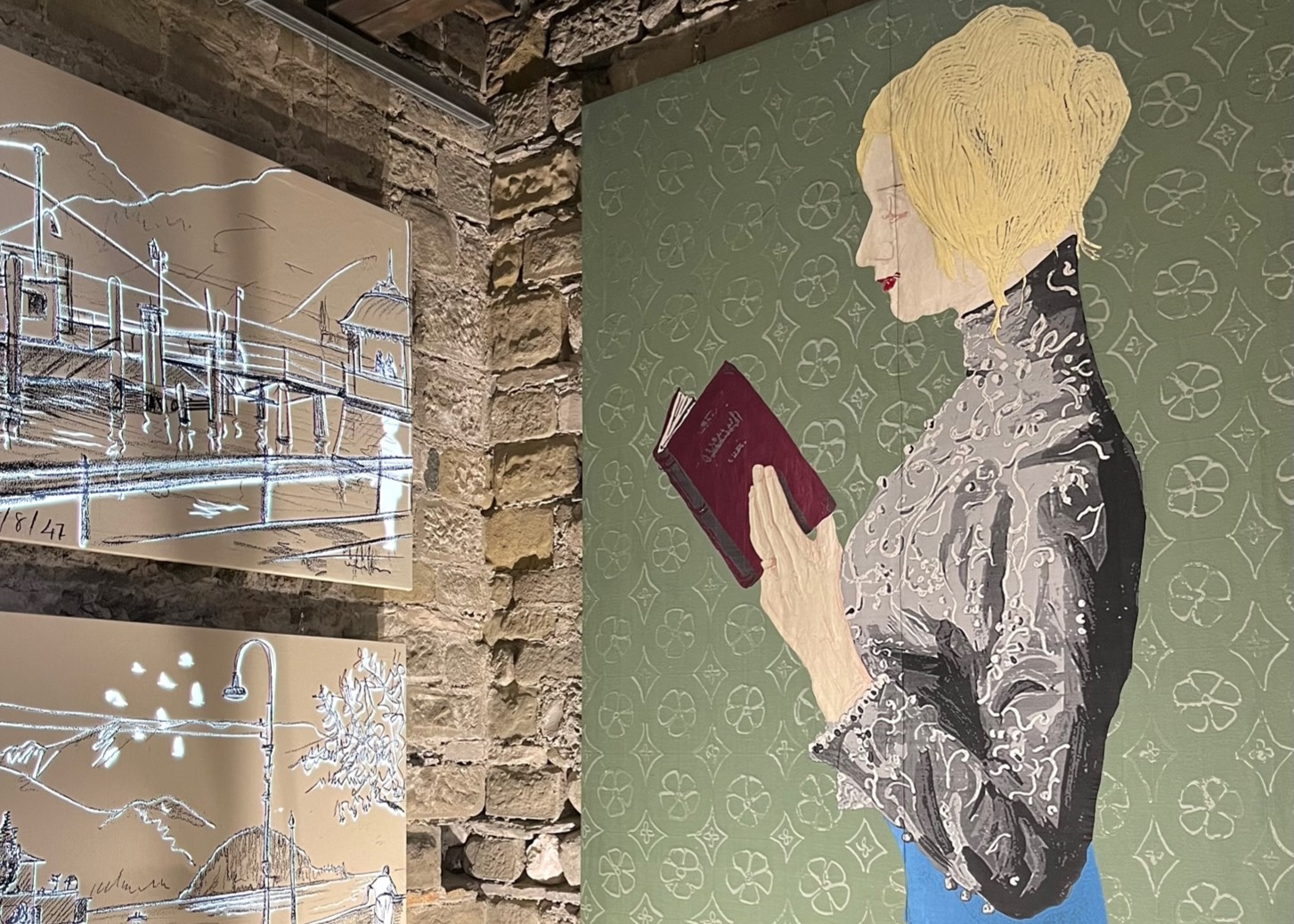
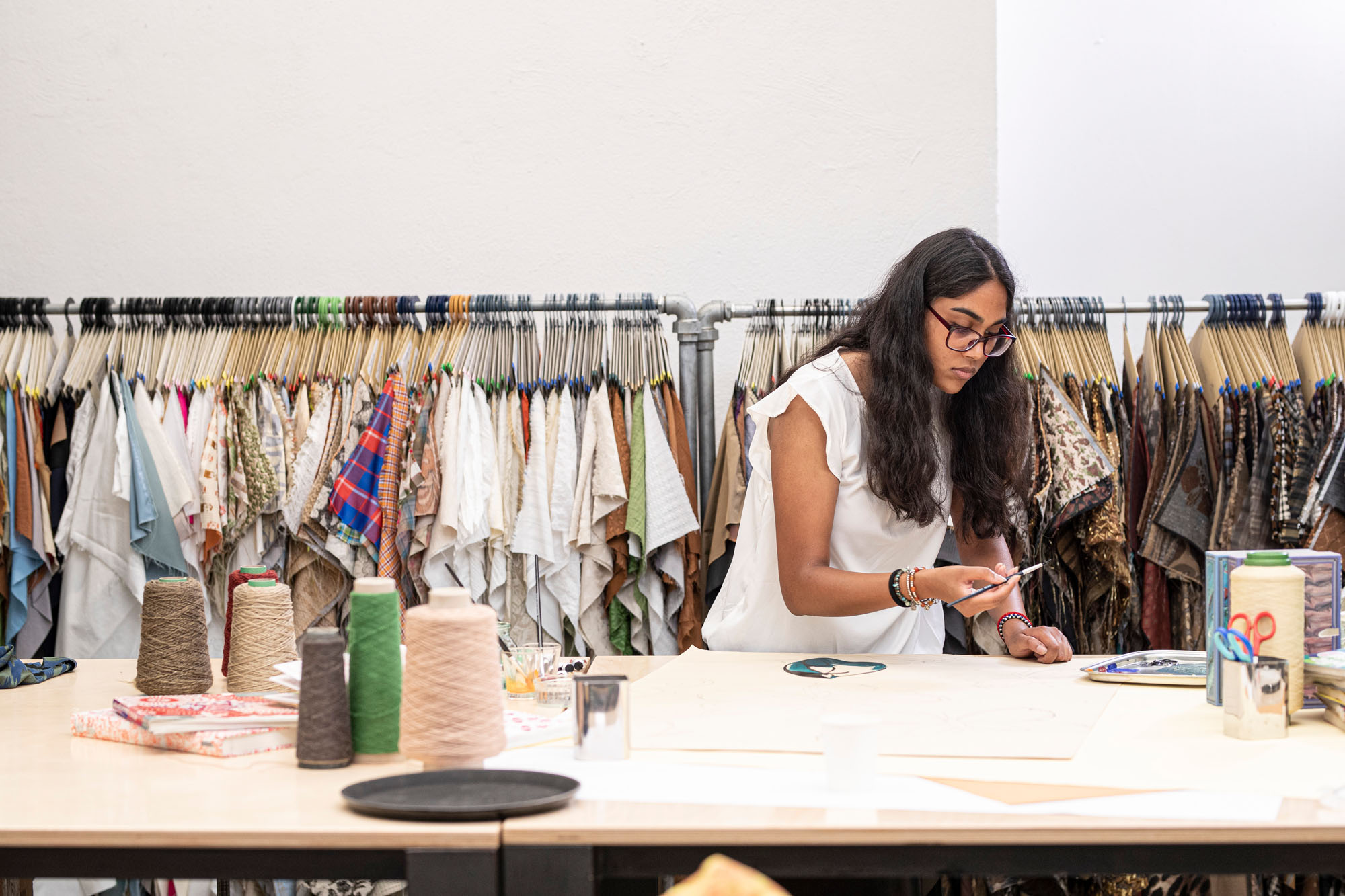
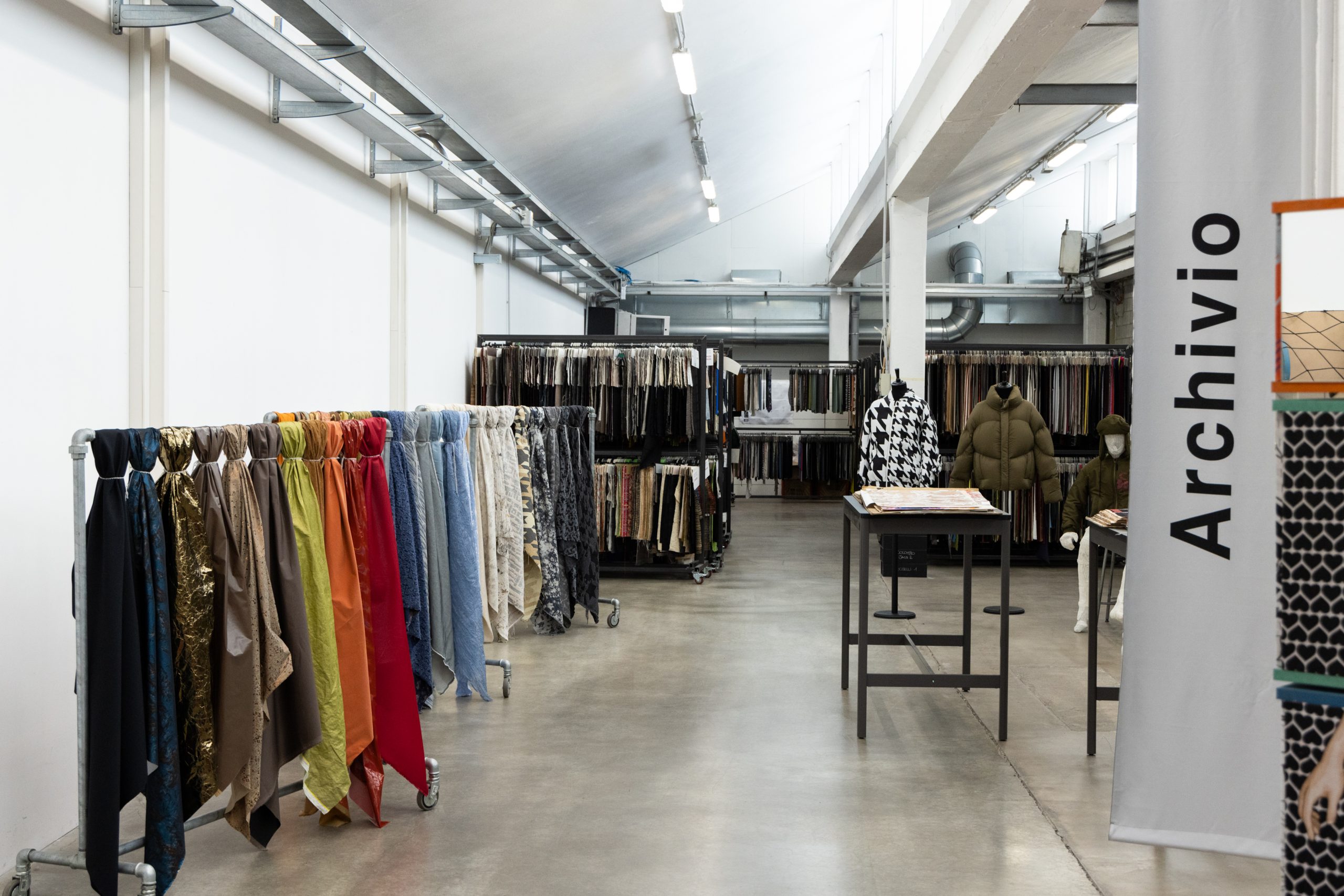
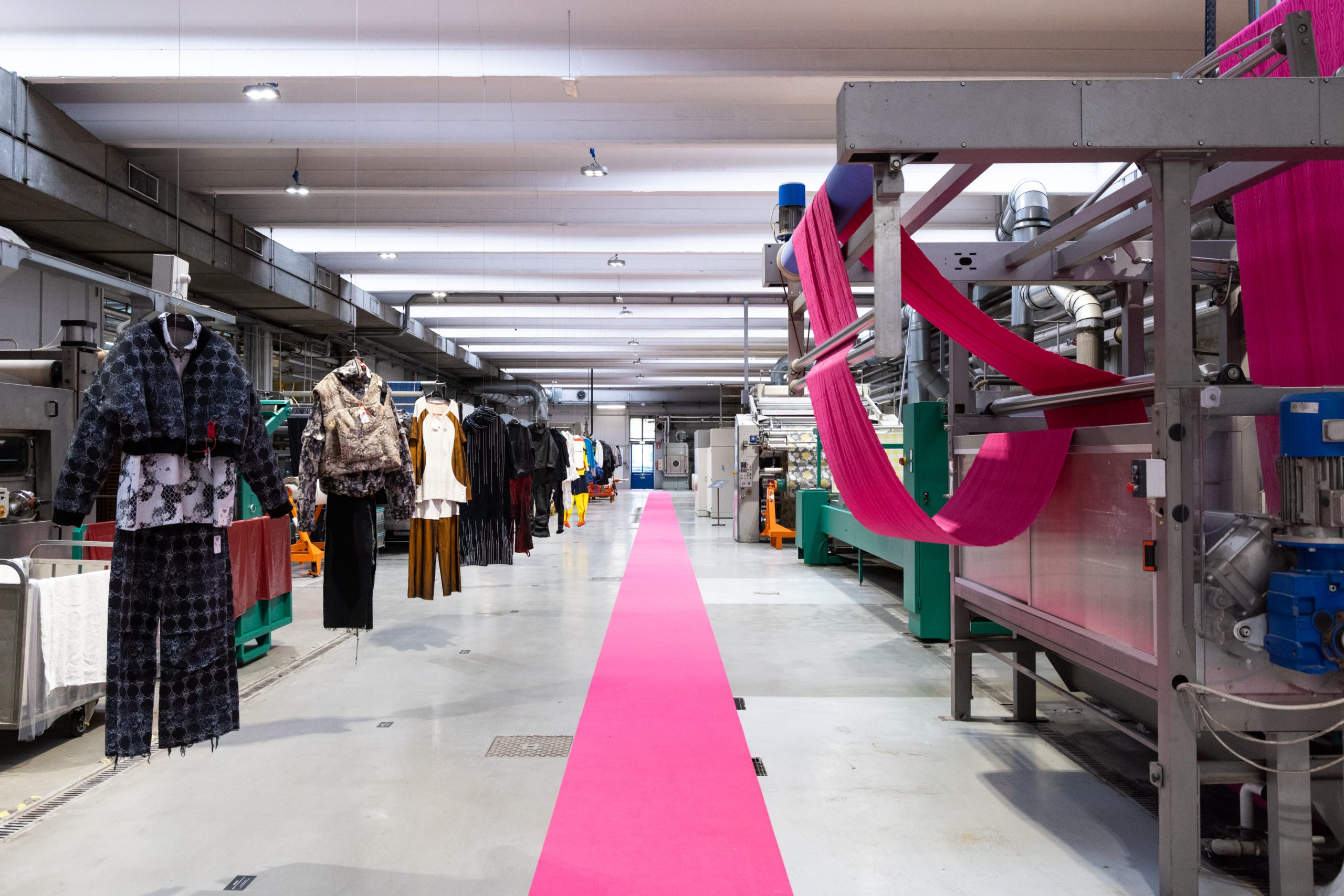
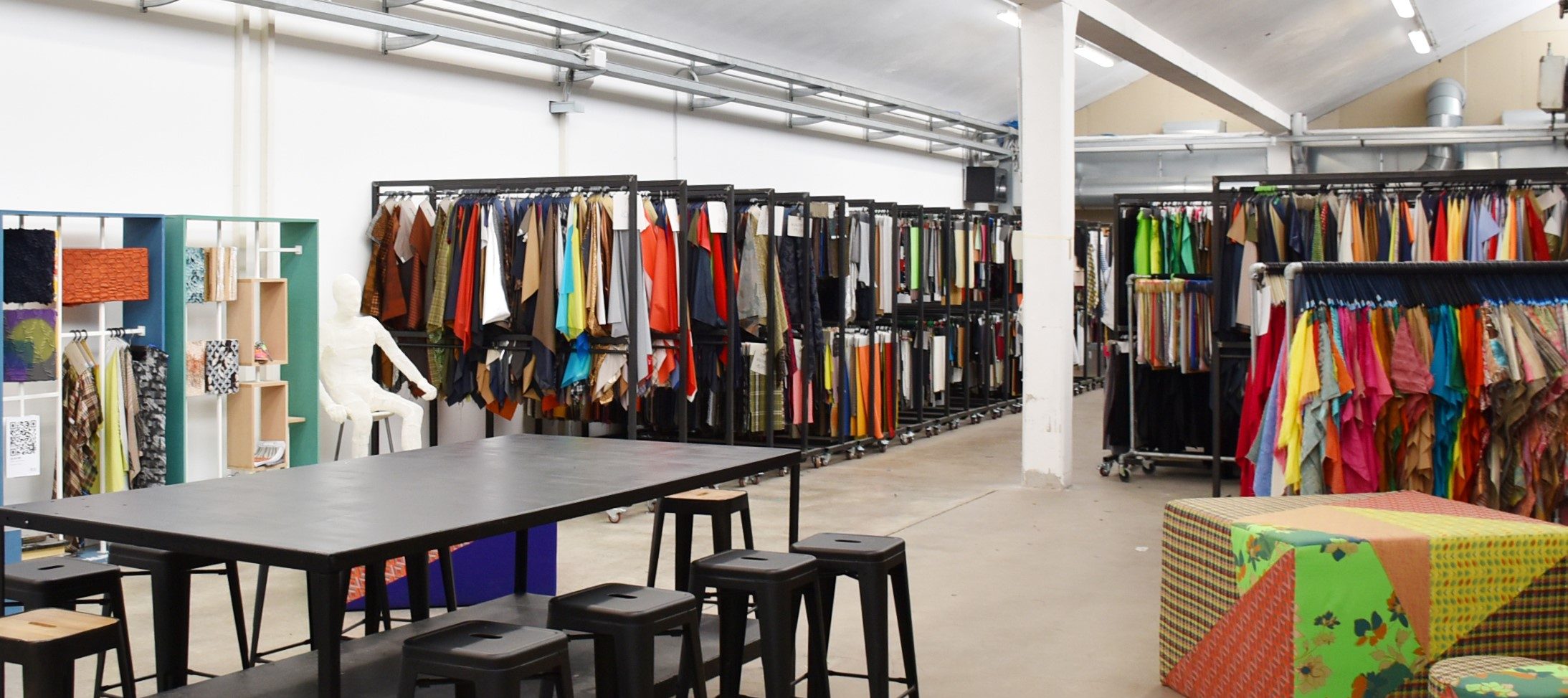
The company’s know-how and forward-looking vision are documented in its corporate archive, InFabbrica, a place for consultation, study and research, open to students, designers and the simply curious, and equally useful to employees who experience the company’s life on a daily basis. The archive spaces gather fabrics, documents, drawings, projects and research that recount the long history of Colombo Industrie Tessili. One section is dedicated entirely to the creative process of jacquard fabric in all its stages: from raw yarn to the finished product. It is therefore not merely an archive, but a true corporate museum and cultural hub. InFabbrica also hosts meetings, debates and temporary exhibitions through which visitors can discover the various collaborations that Colombo Industrie Tessili has developed over the years.
Article written in collaboration with