Artificial Intelligence (AI) has entered the world of business culture not as mere technology, but as a tool capable of shaping a richer narrative of Italy’s industrial memory. It provides a creative space in which manufacturing know-how weaves together with local identities, community histories and the heritage of craftsmanship that has made Italy a land of excellence.
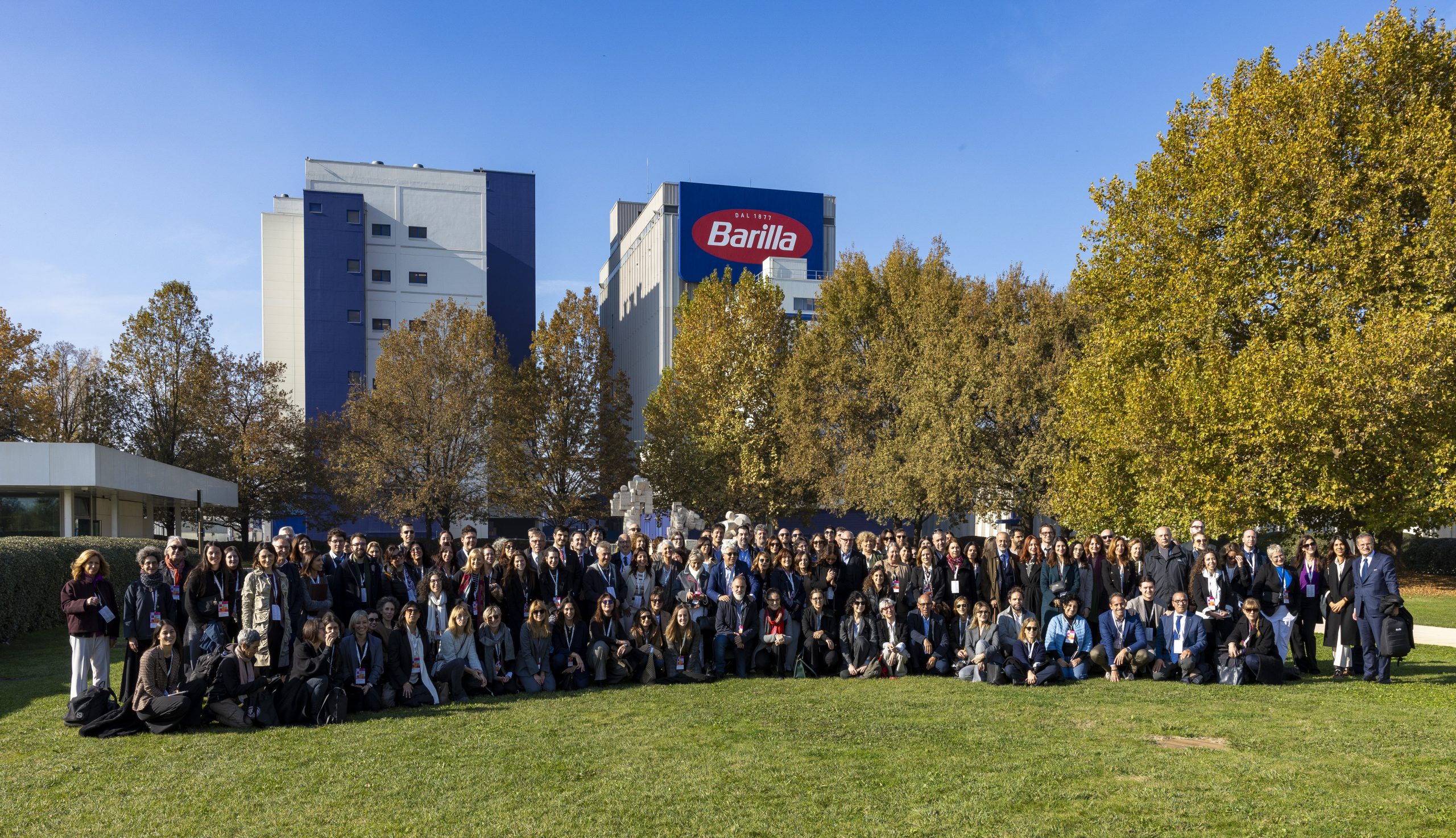
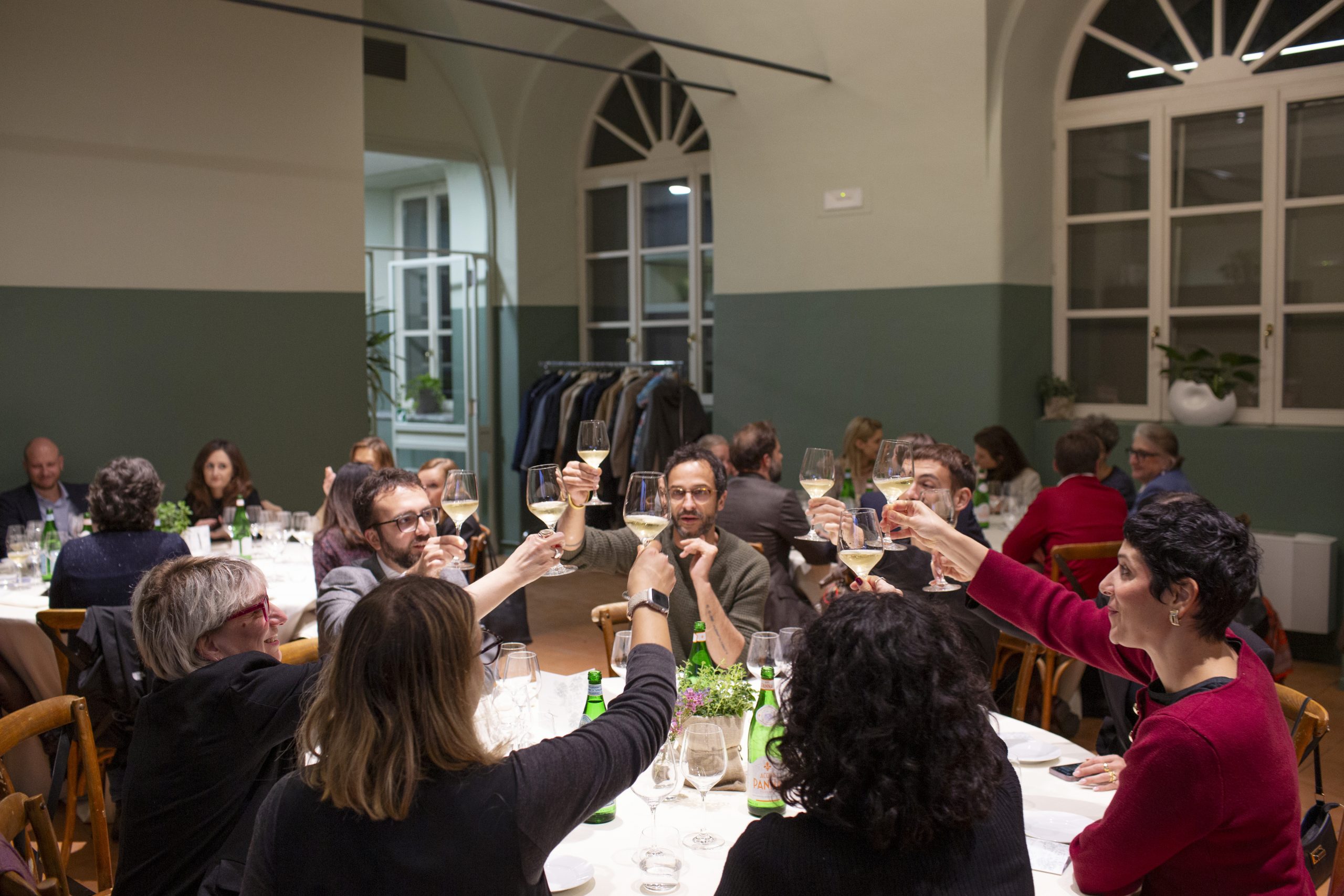
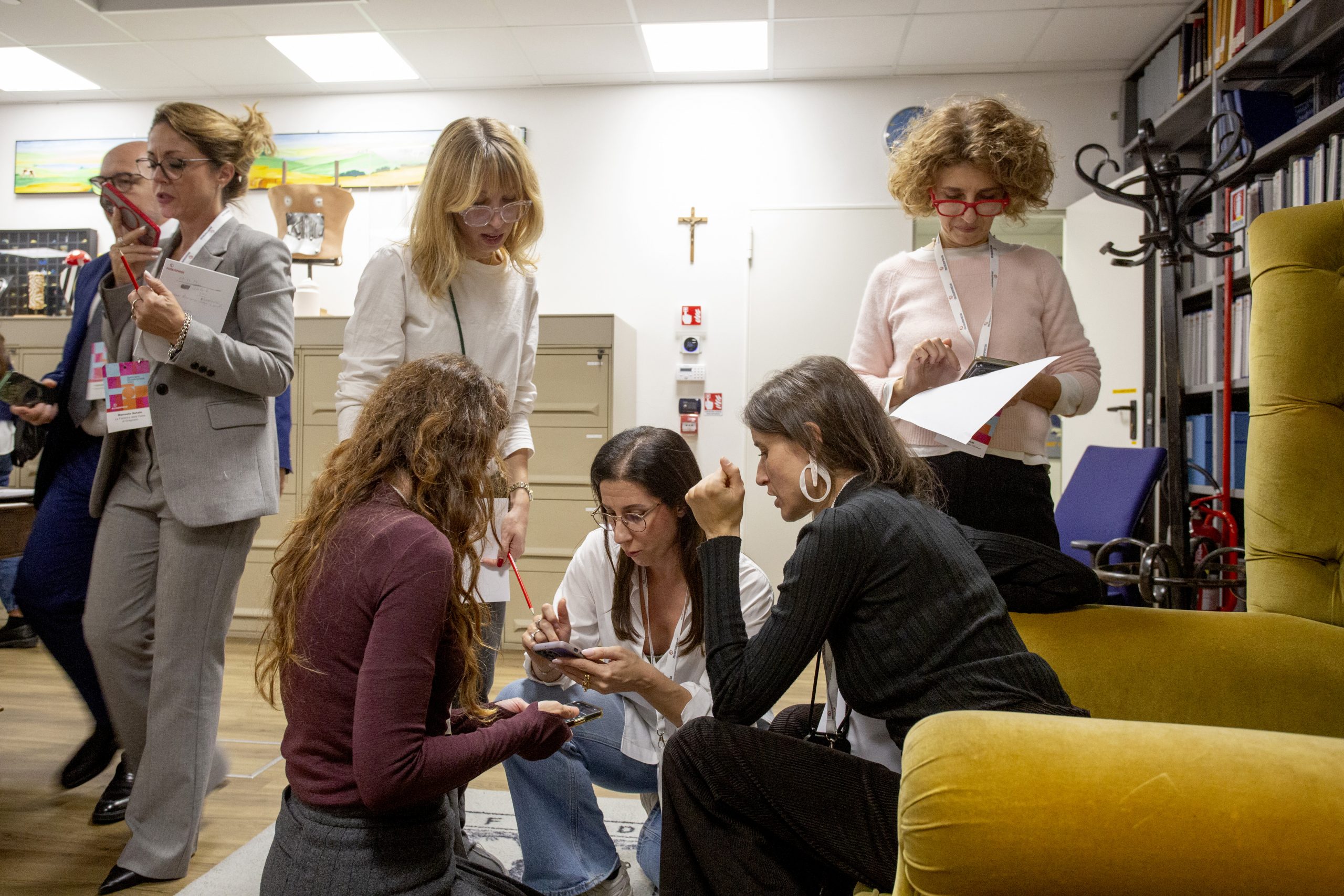
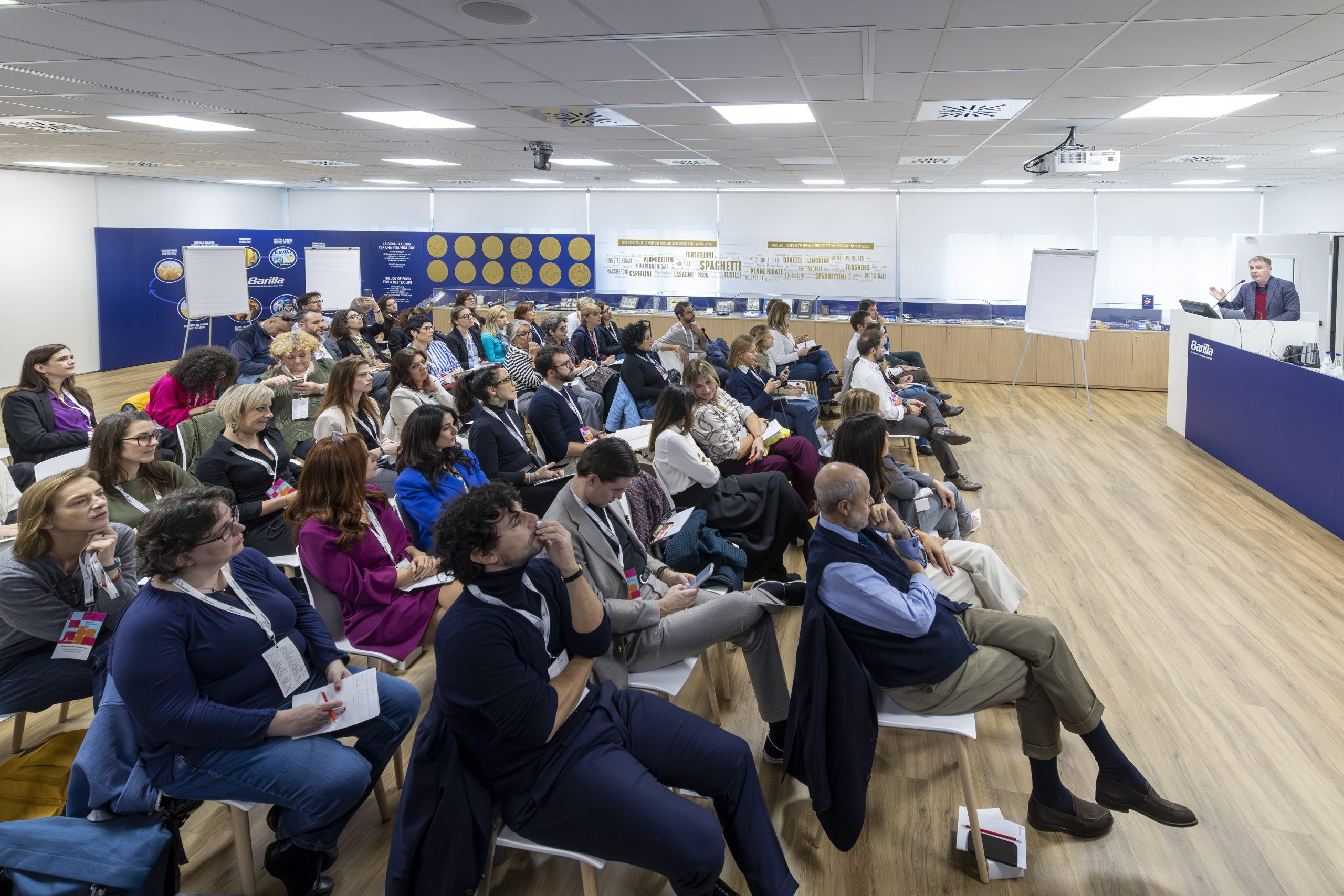
In the heart of Parma, a city that epitomises both tradition and innovation, the residential Museimpresa seminar – organised in collaboration with Barilla – brought together more than 150 corporate museums and archives from across Italy for a moment of reflection and exchange. Its aim looked firmly ahead, exploring how AI might become an ally in enhancing industrial heritage, offering new interpretative approaches, unexpected connections, and languages capable of speaking to future generations.
AI, with its ability to weave together data, experiences and perspectives, opens up new horizons and acts as a tool for interpretation, storytelling and dialogue between past and future. Within this context, business culture is renewed, becoming more inclusive and participatory, and presenting itself as a living space of memory and innovation.
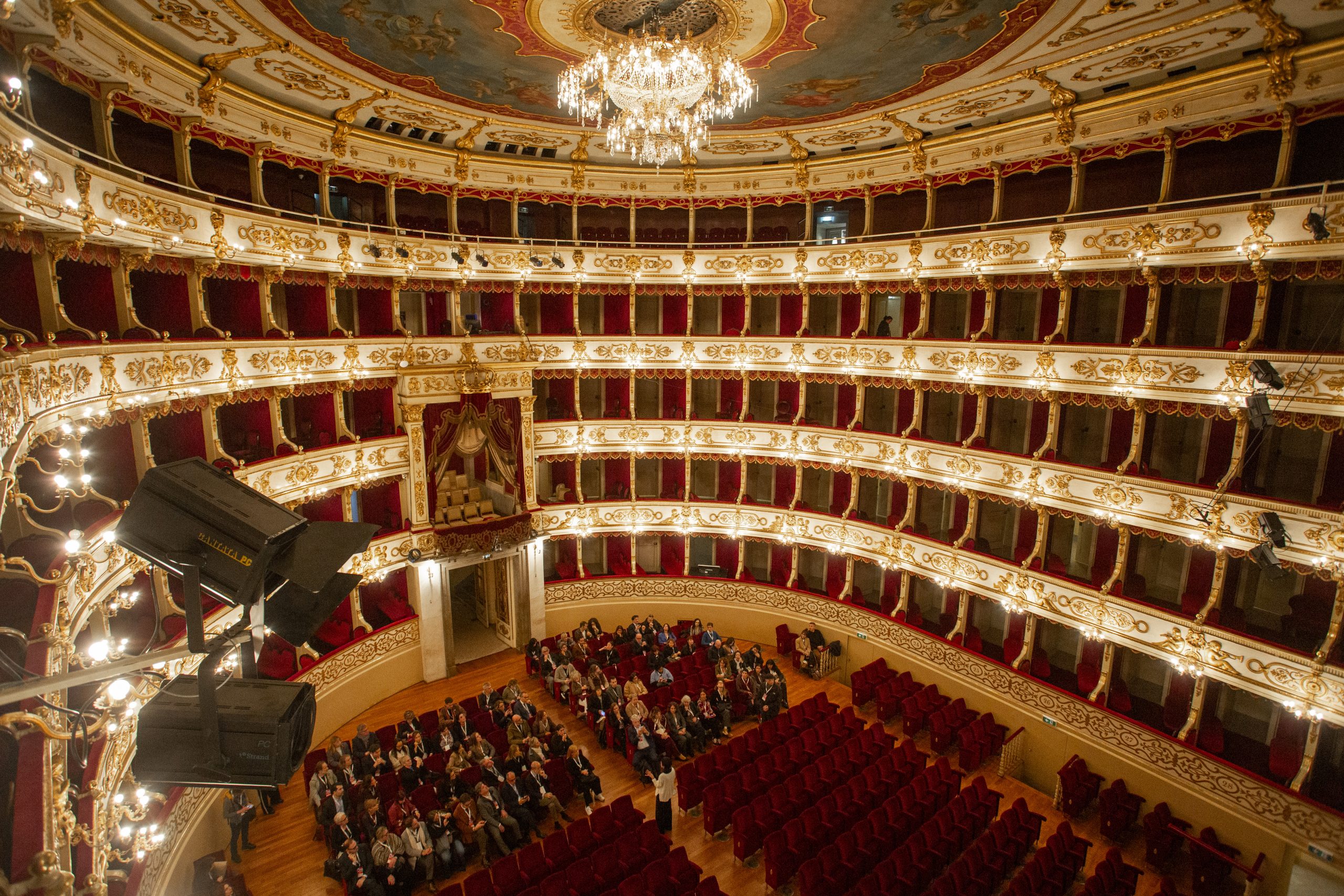
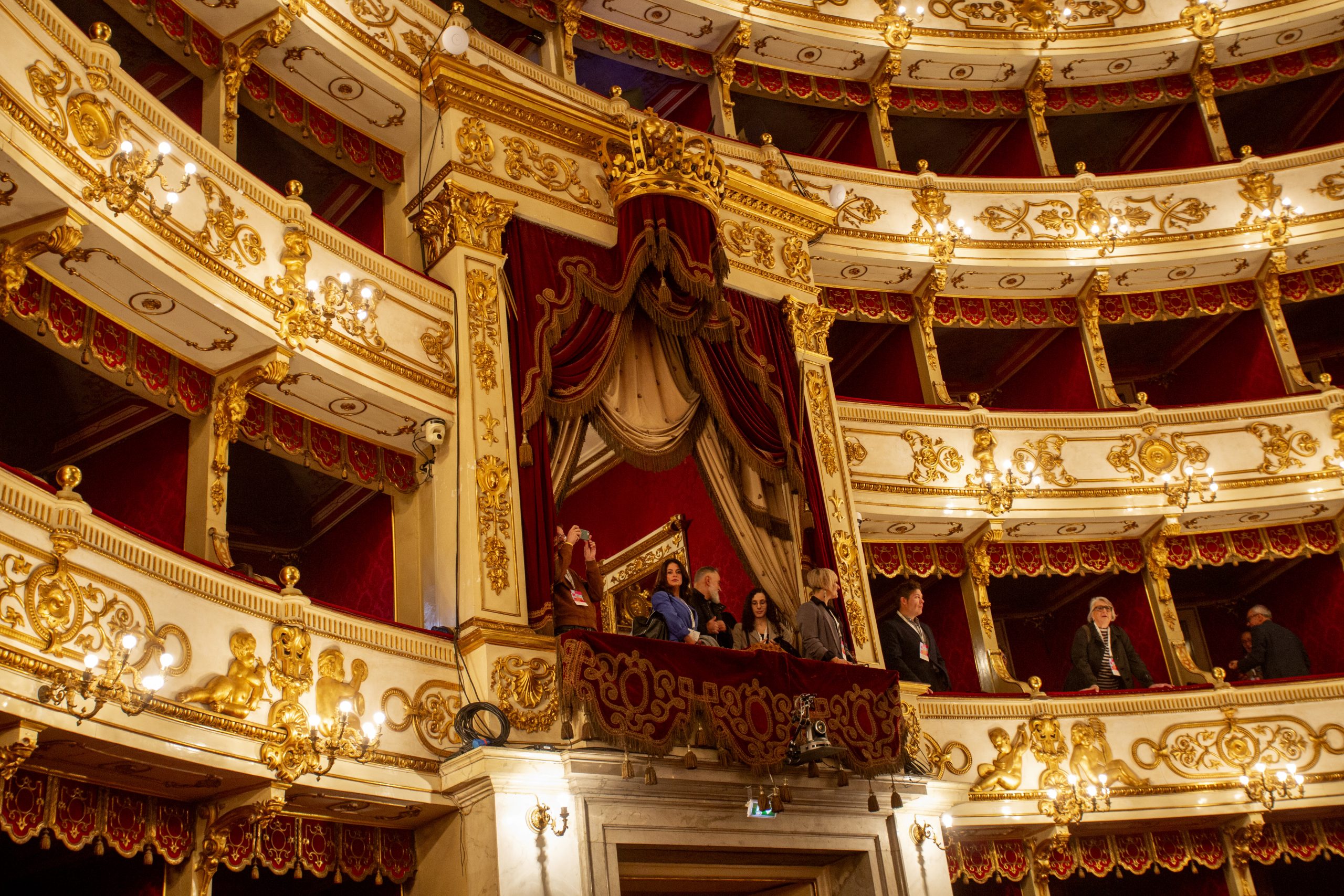
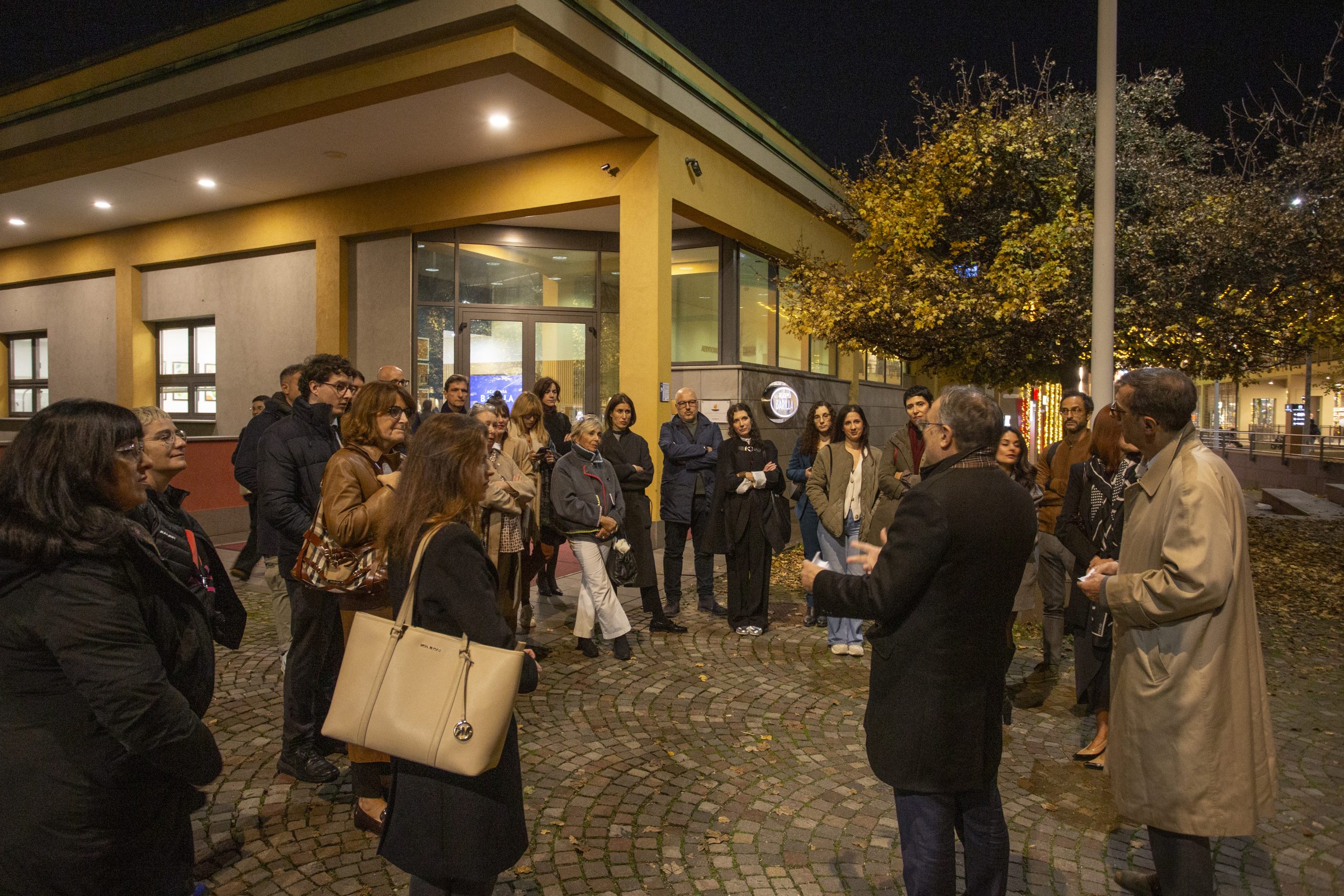
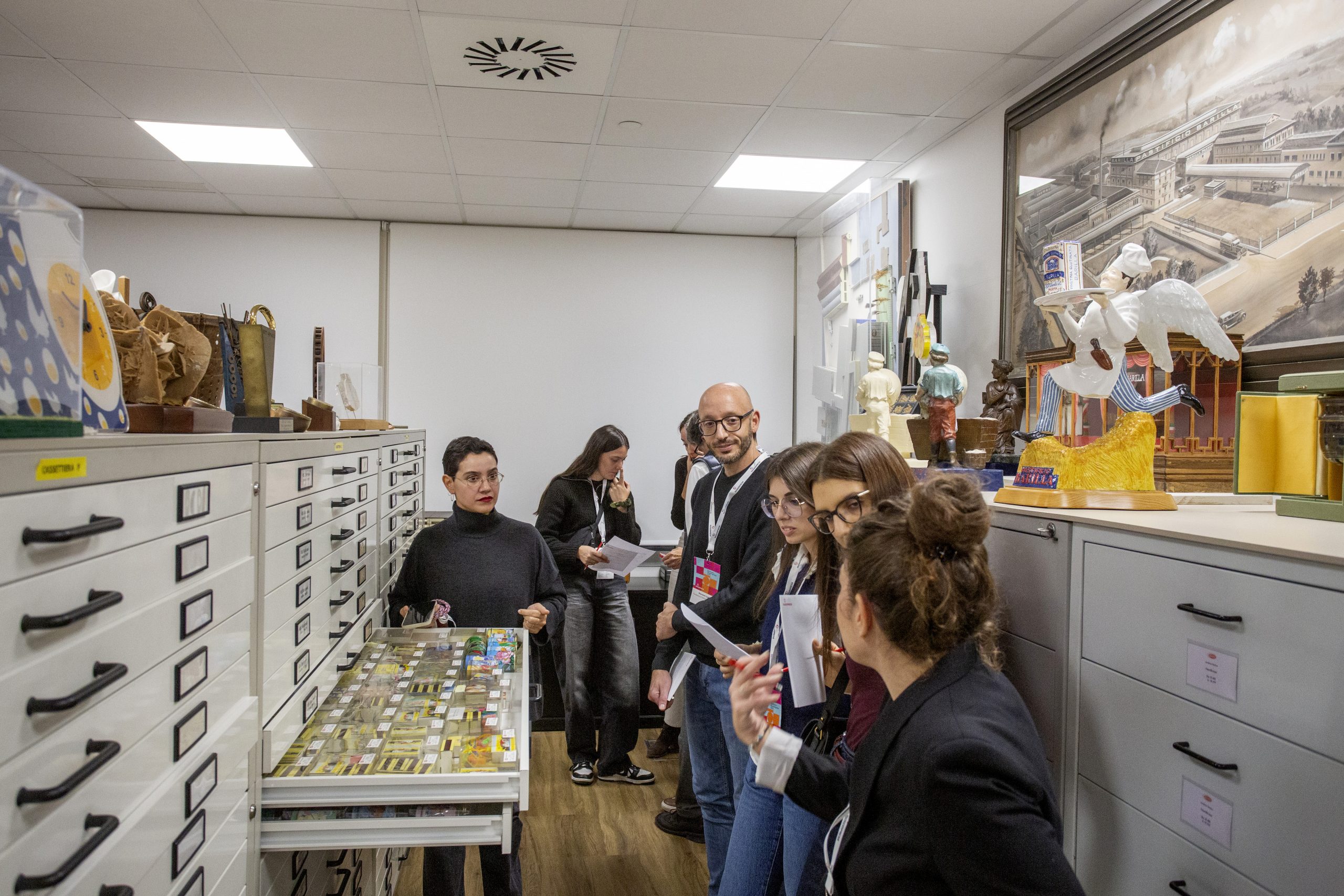
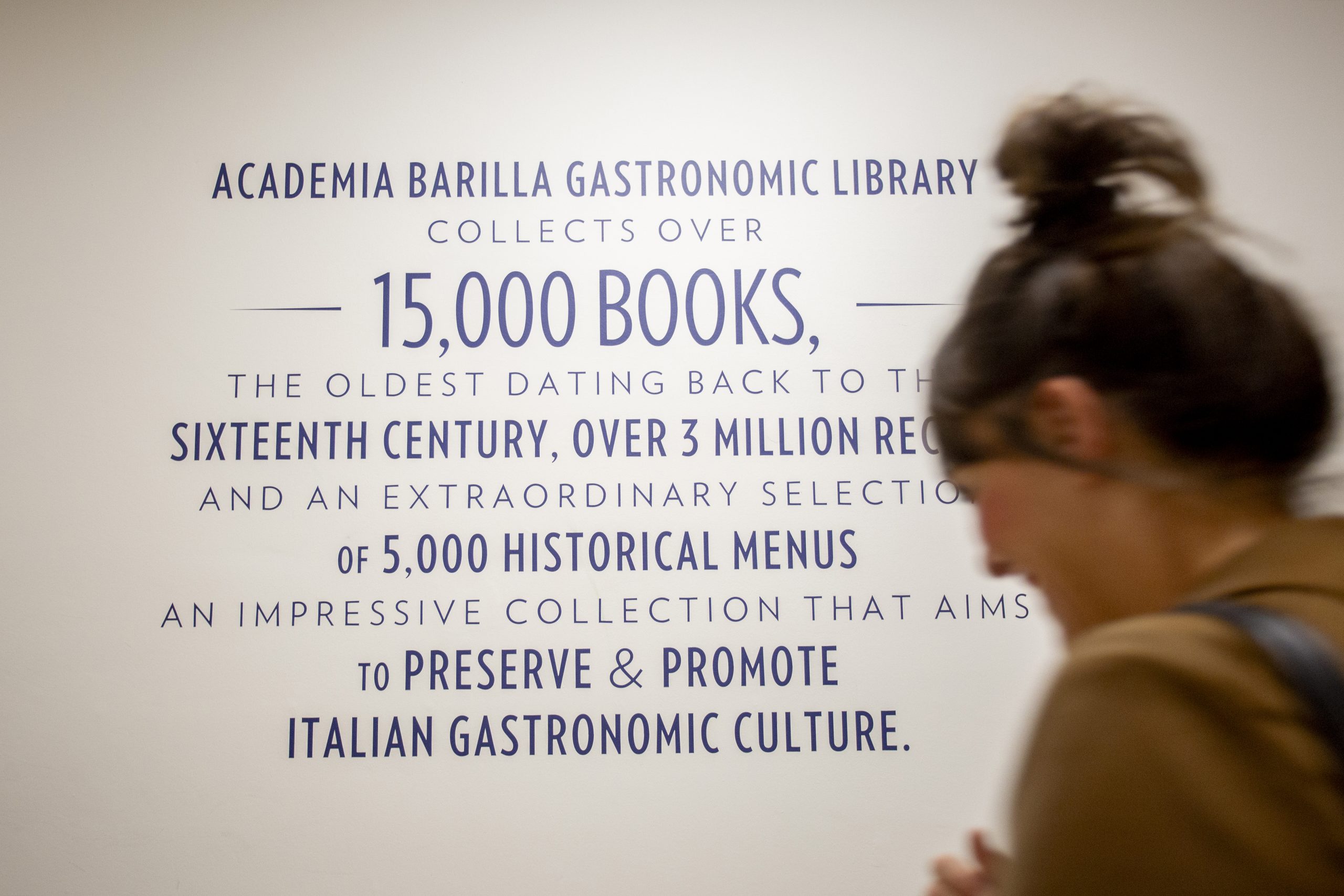
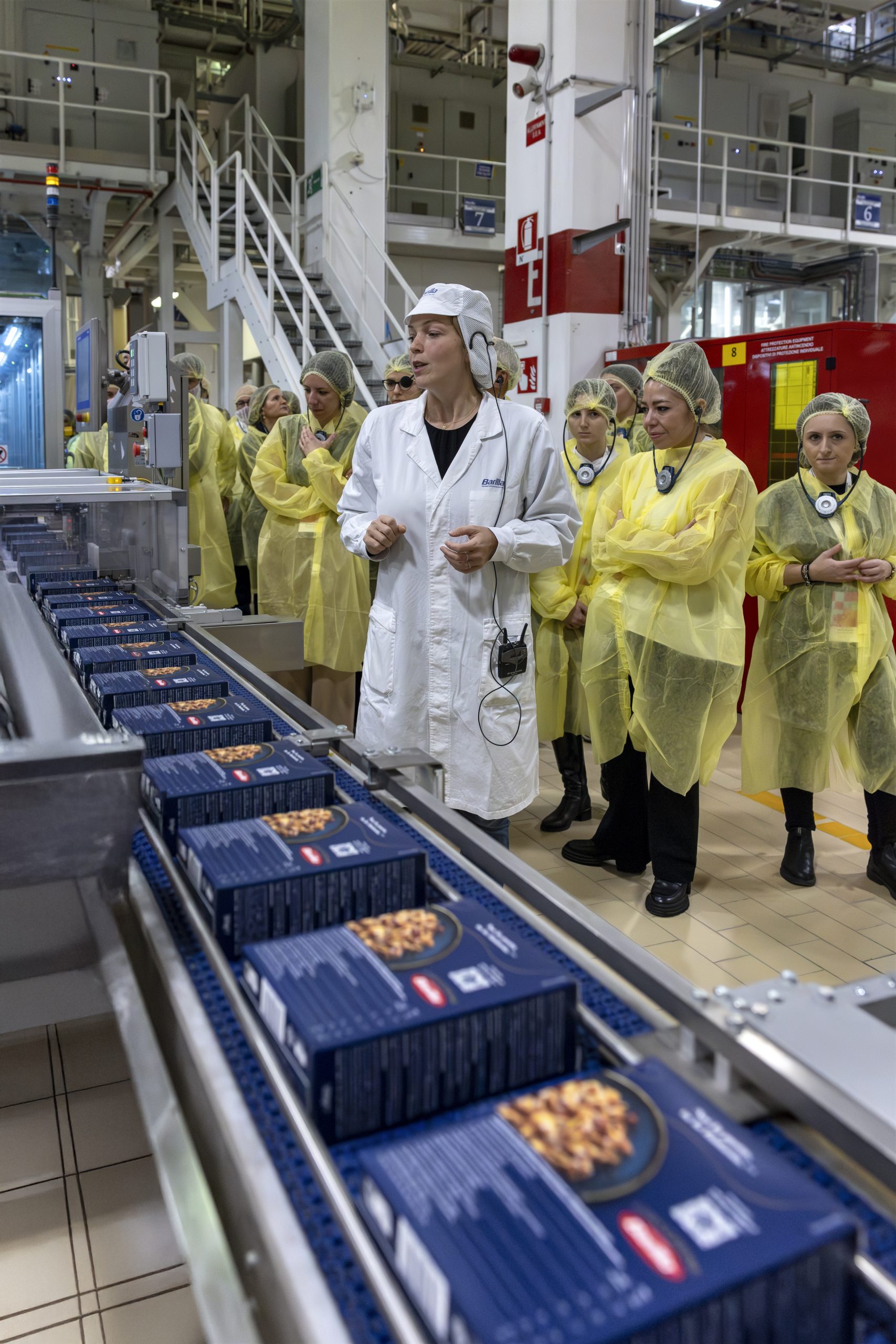
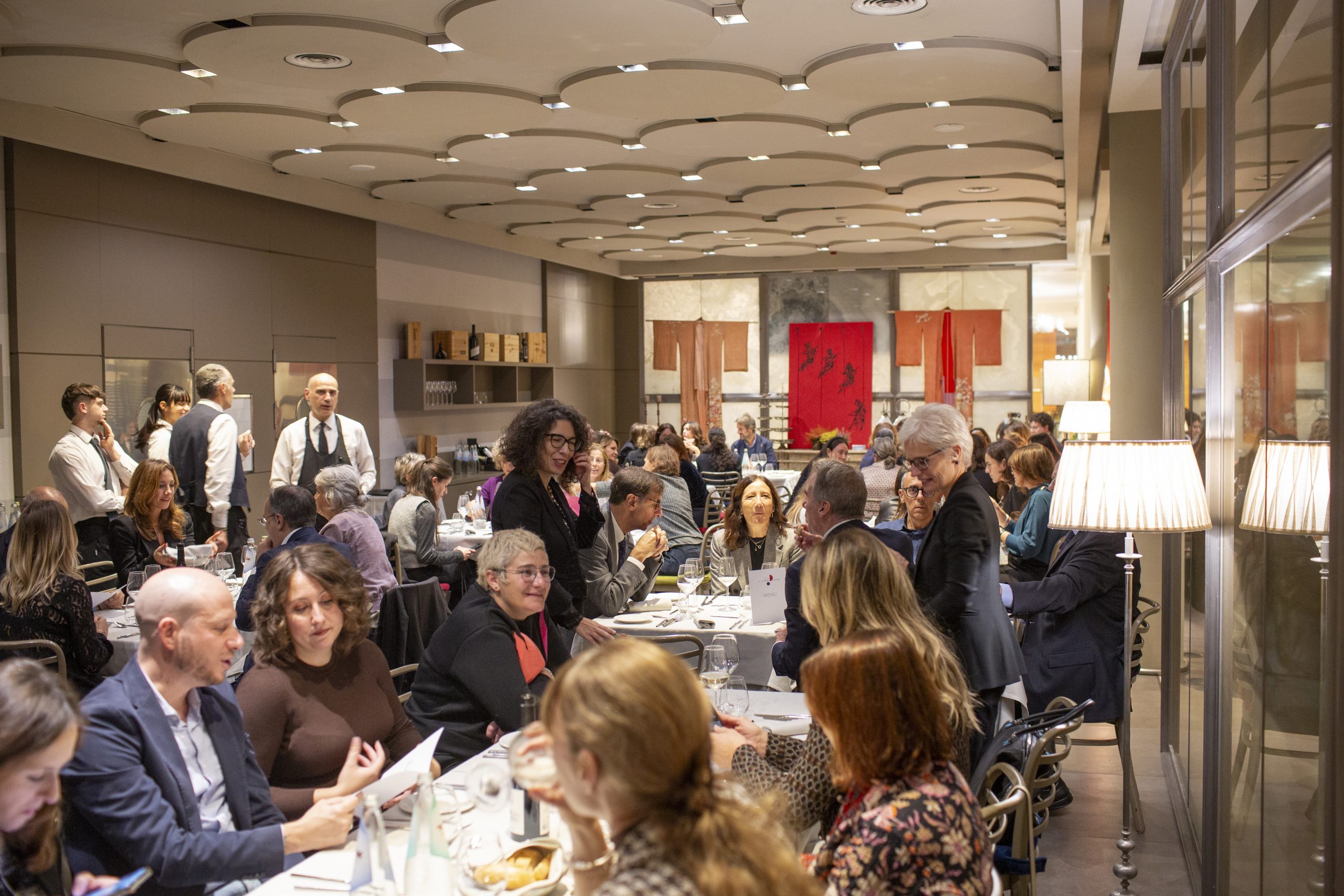
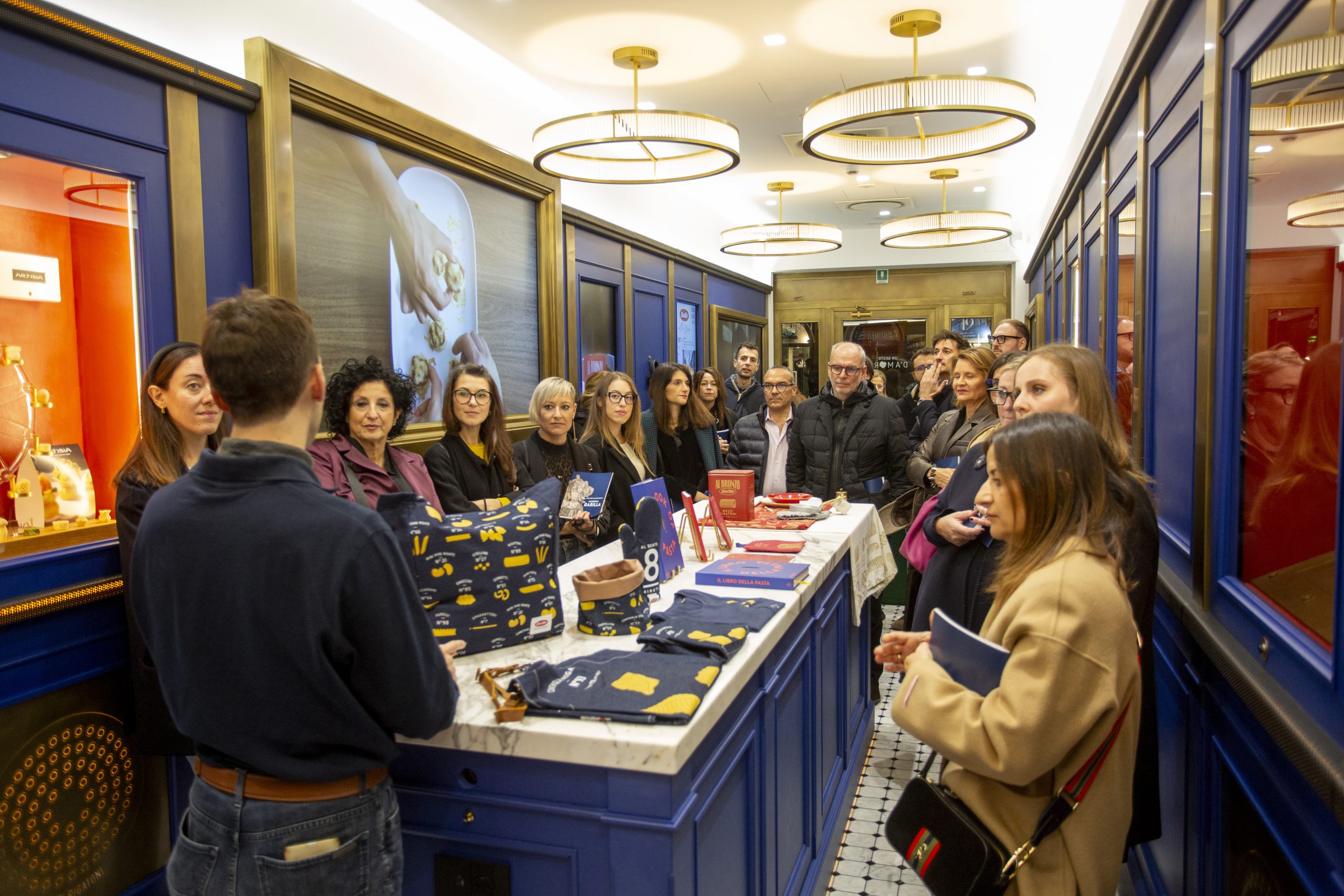
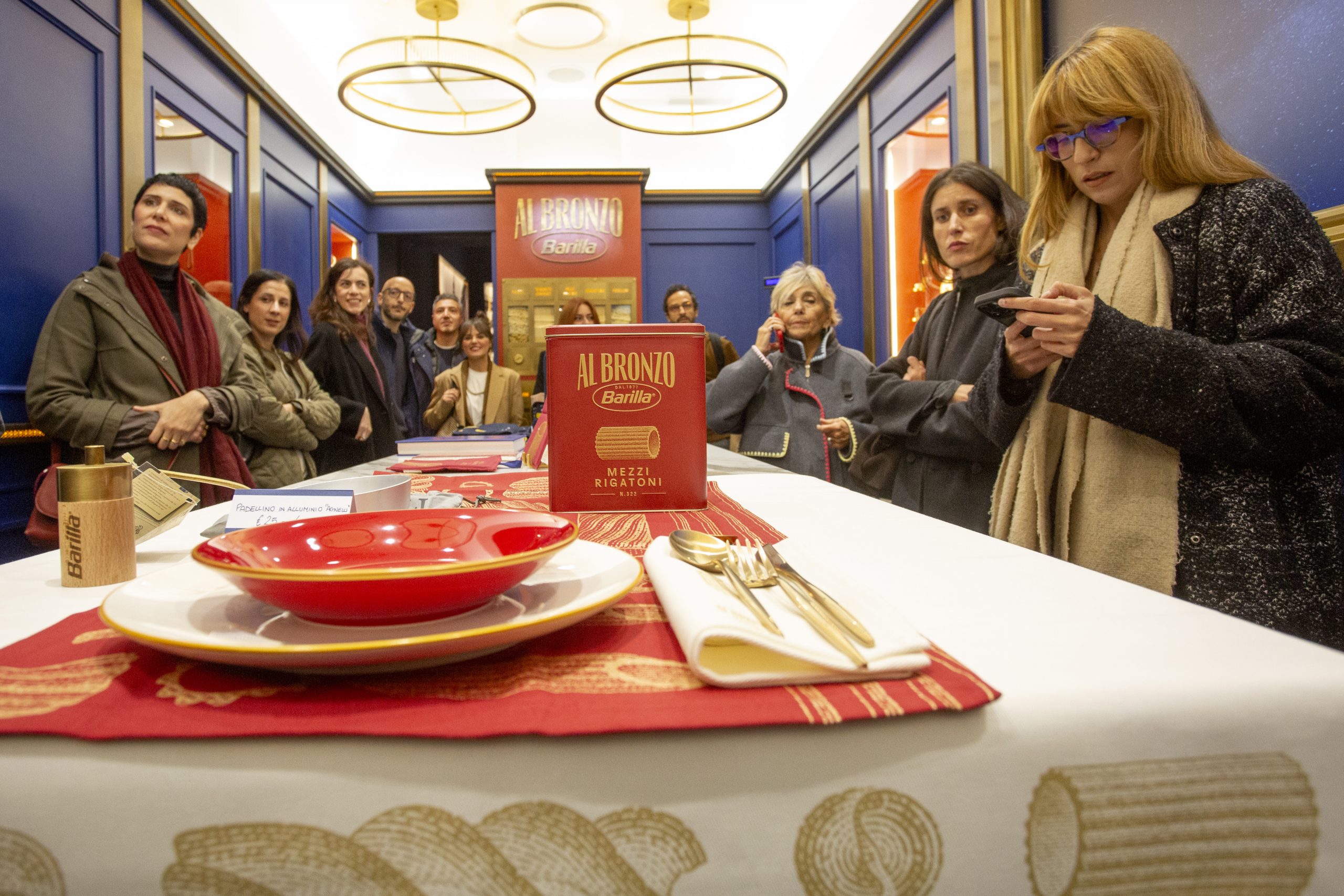
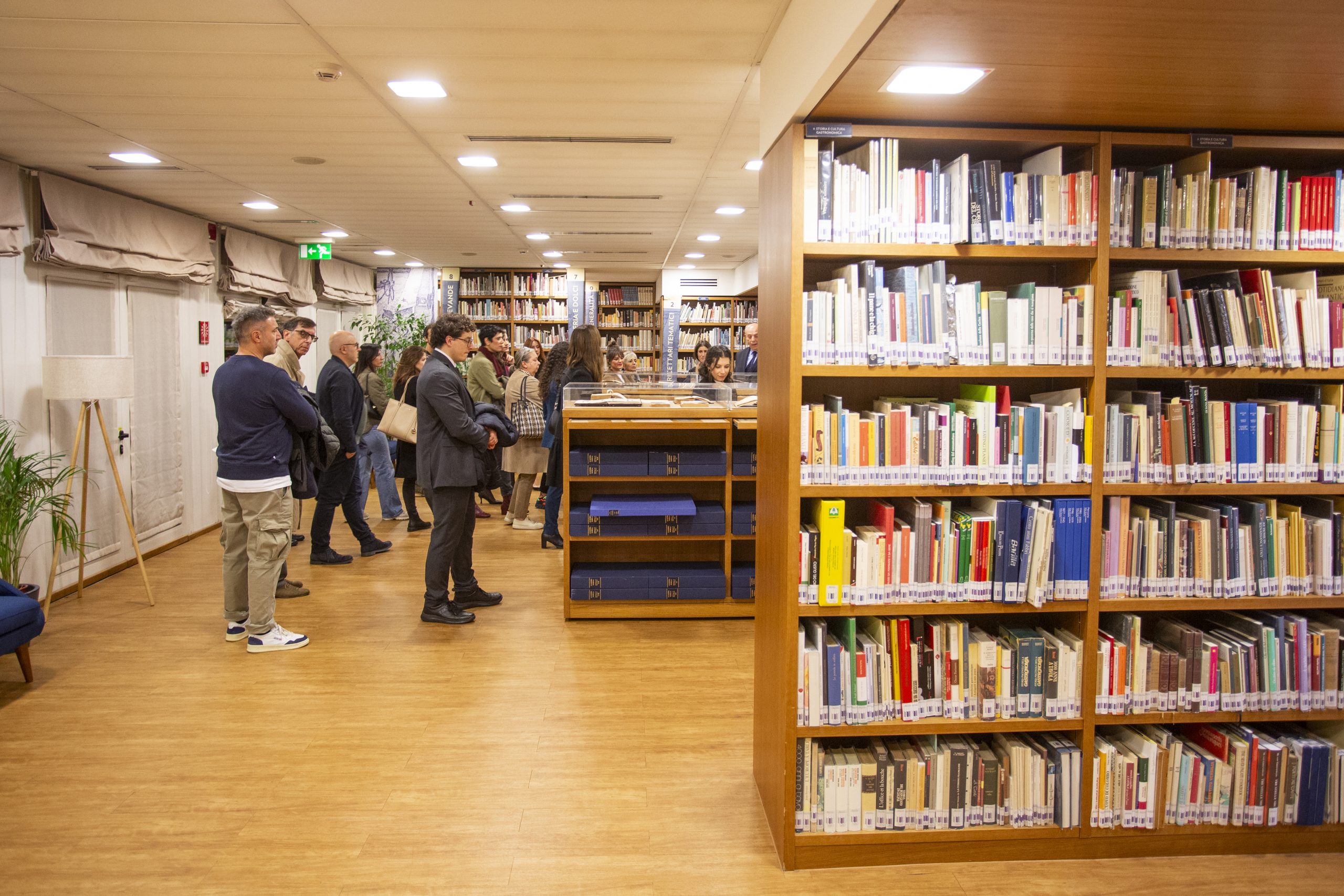
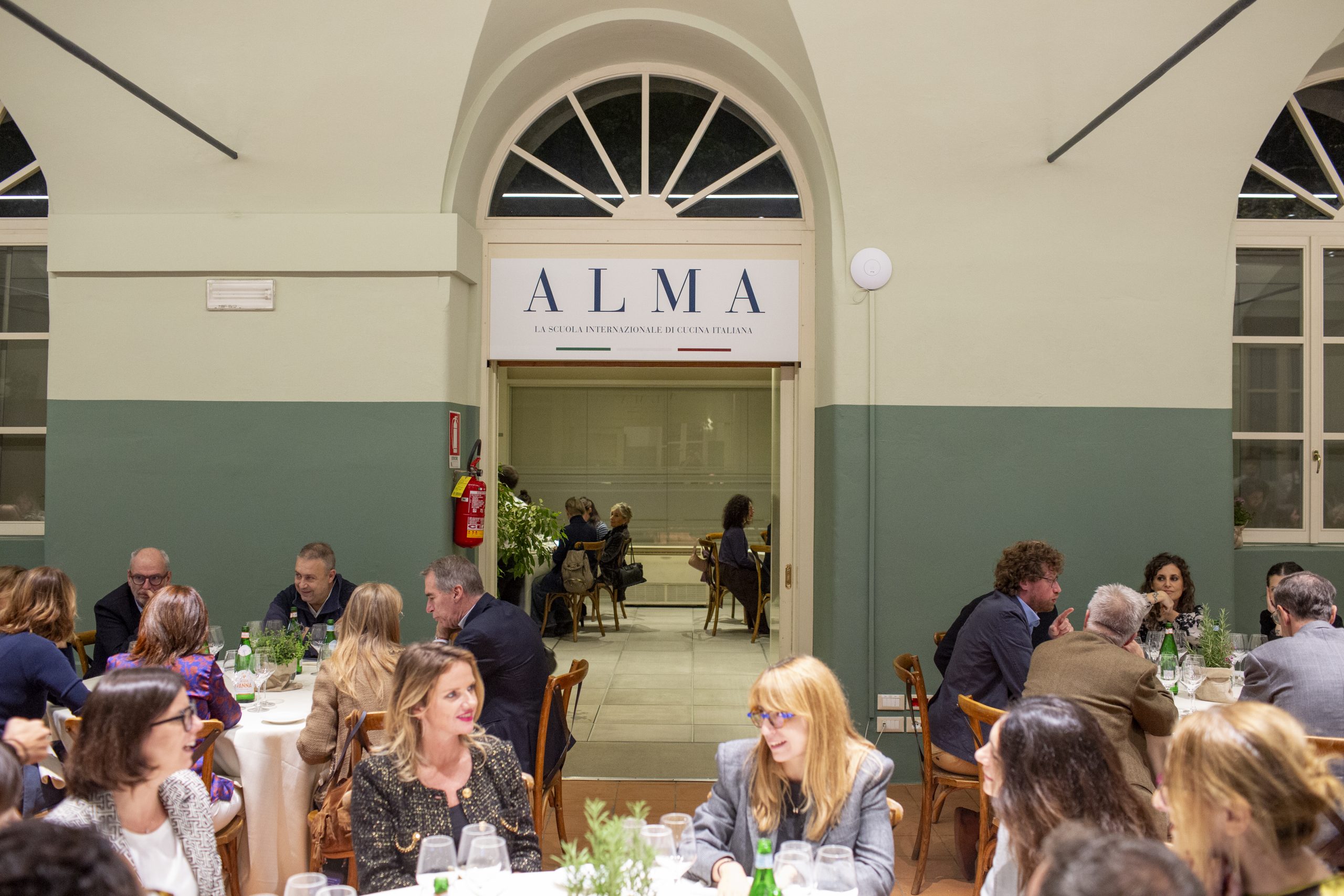
The seminar was held on 5 and 6 November in venues emblematic of Parma’s productive culture: from the Barilla plant and the Academia with its Gastronomic Library, to ALMA – the International School of Italian Cuisine – and the Teatro Regio, as well as the Food Museums and the Pennelli Cinghiale Museum. This wide itinerary celebrated the diversity of different corporate histories and the richness of local territories.
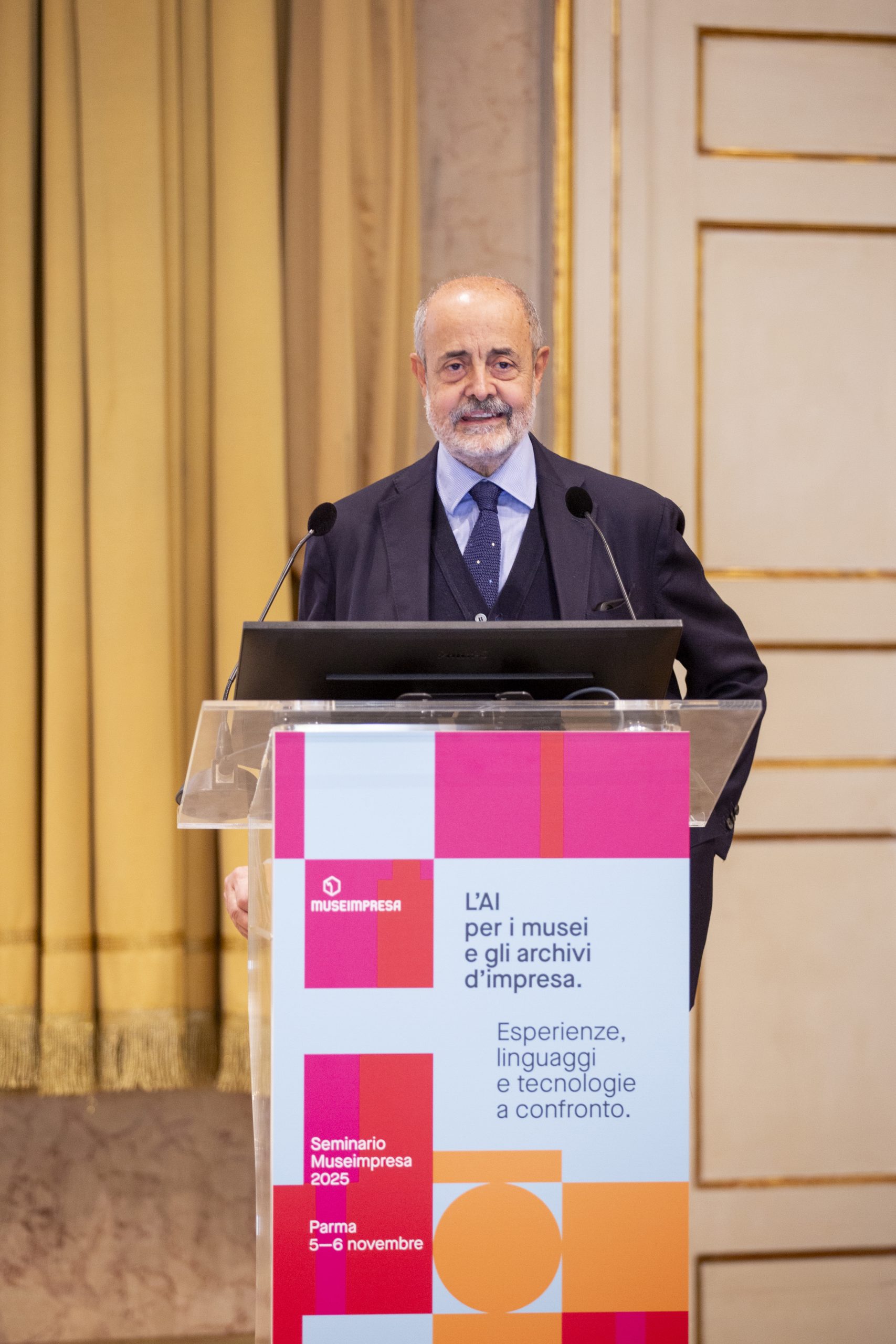
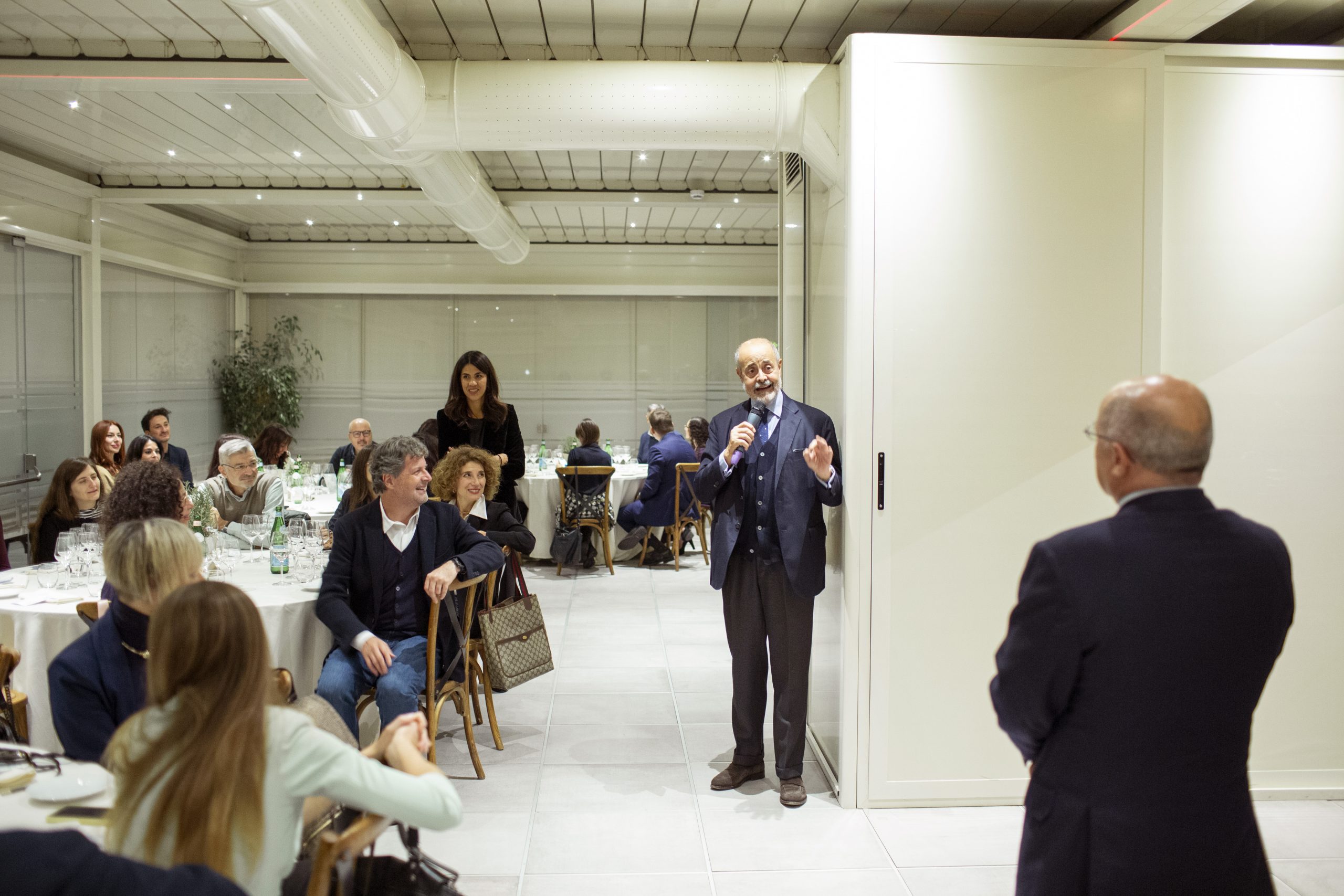
At the opening plenary, held at the Teatro Regio, speakers included Caterina Bonetti, Councillor for Educational Services and Digital Transition for the Municipality of Parma; Dario Montrone, Marketing and External Relations Director of the Teatro Regio di Parma; Cesare Azzali, Director General of the Parma Industrialists’ Union; and Antonio Calabrò, President of Museimpresa.
Antonio Calabrò, President of Museimpresa, stated:
‘AI does not replace the wisdom of craftsmanship: it enhances and amplifies it. It is a cultural tool capable of weaving connections between people, documents, images, products and places. We do not look to AI for special effects, but for a shared space of interpretation. A place where we can tell the story of Italian industry, with its rigour, creativity and inclusiveness, and transform it into cultural and social capital with meaningful effects on the growth and competitiveness of businesses in international markets. To preserve is to generate the future: with AI we give new voice to memory, allowing it to become a form of civic energy’.
‘The Barilla Group is delighted to have hosted, at its Parma headquarters, a conference enriched by the many contributions of participating companies and the heads of their Museums and Archives, all united by a single aim: to safeguard the memory of Italian industry and to highlight its extraordinary manufacturing expertise’, the Barilla Group stated. ‘The Barilla Historical Archive, in particular, is responsible for collecting, preserving and showcasing material documenting the Group and it’s brand’s nearly 150-year history, also through new digital and technological platforms, such as the dedicated website archiviostoricobarilla.com.’
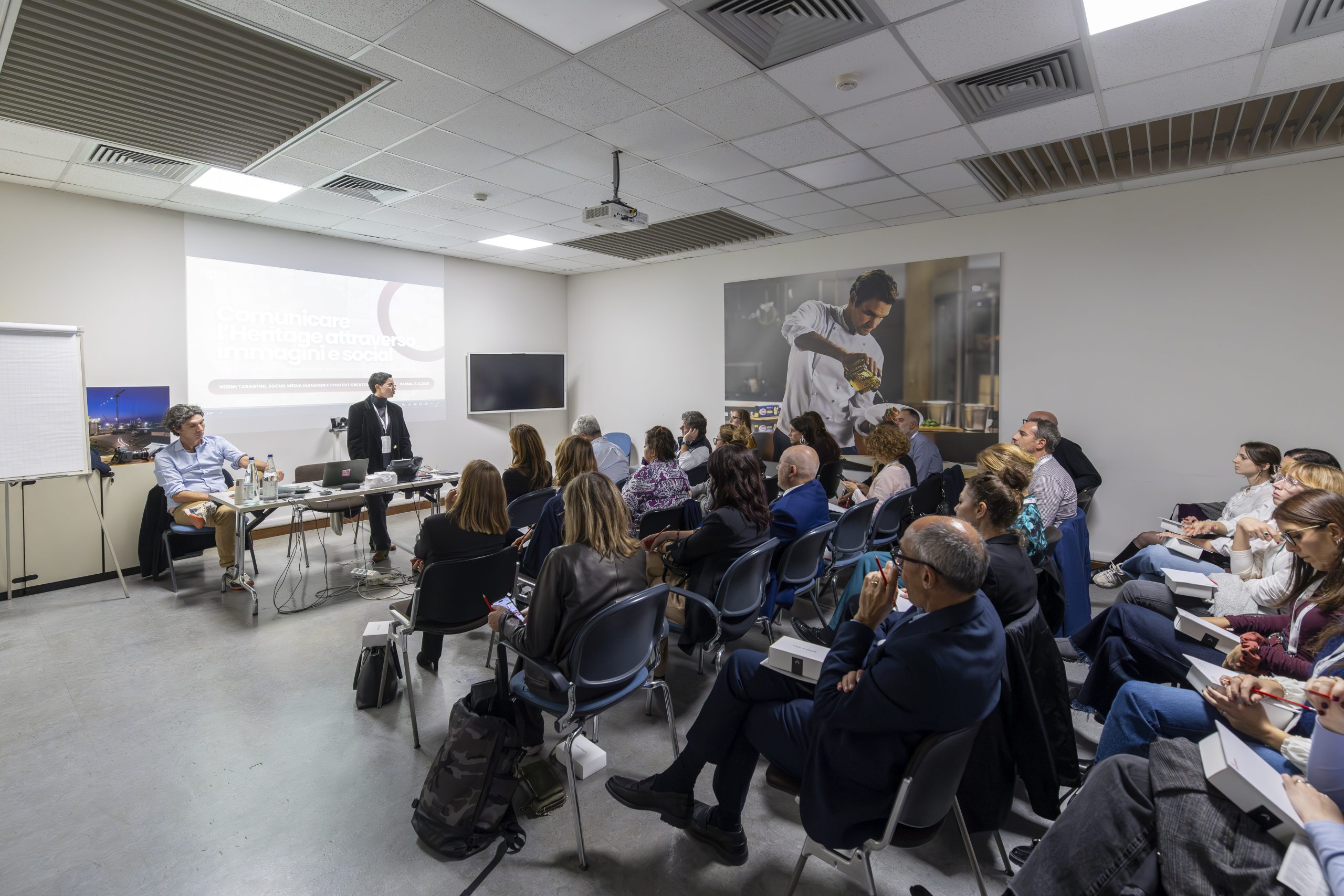
Following the opening remarks, the Digital Innovation Observatory for Culture of the Politecnico di Milano, whose research Museimpresa supports, presented the results of its annual survey of cultural institutions in Italy. The study captures the degree to which generative AI tools are being adopted, their fields of application, and the main barriers and enabling conditions for their effective use. Within the research sample – made up of museums, monuments and archaeological sites – a subset of corporate museums was also considered, which the data shows to be ‘one step ahead’. This group shows a higher level of maturity in terms of adopting technology and launching structured projects compared with the overall sample: 44% use AI (versus 30% of the total surveyed), and fully operational initiatives reach 4% (versus 1%). This indicates a greater ability to turn experimentation into practical implementation.
A subsequent series of case studies showed how AI is operating across the entire industrial-heritage chain: in archives, it speeds up cataloguing, enriches metadata and brings previously invisible connections to light; in museums, it enables semantic research and more inclusive visitor pathways; and in technical-industrial collections, it allows cross-cutting interpretations of patents and processes. The common thread? Curated data, shared standards and transparent tools – the conditions that turn industrial memory into public knowledge.
The protagonists of this session were the corporate archives and museums affiliated with Museimpresa: Heritage Lab Italgas and Fondazione MAIRE – ETS, the Historical Archive of Nuovo Pignone, the Colombo Textile Industries Archive, the Lanificio Fratelli Piacenza Archive, the Sisal Historical Archive, Fondazione Ansaldo, MUMAC – the Coffee Machine Museum of the Cimbali Group, the Insurance Museum, AIPAI – the Italian Association for Industrial Archaeological Heritage, and the Olivetti Historical Archive Association.
Photos: Lorenzo Passoni