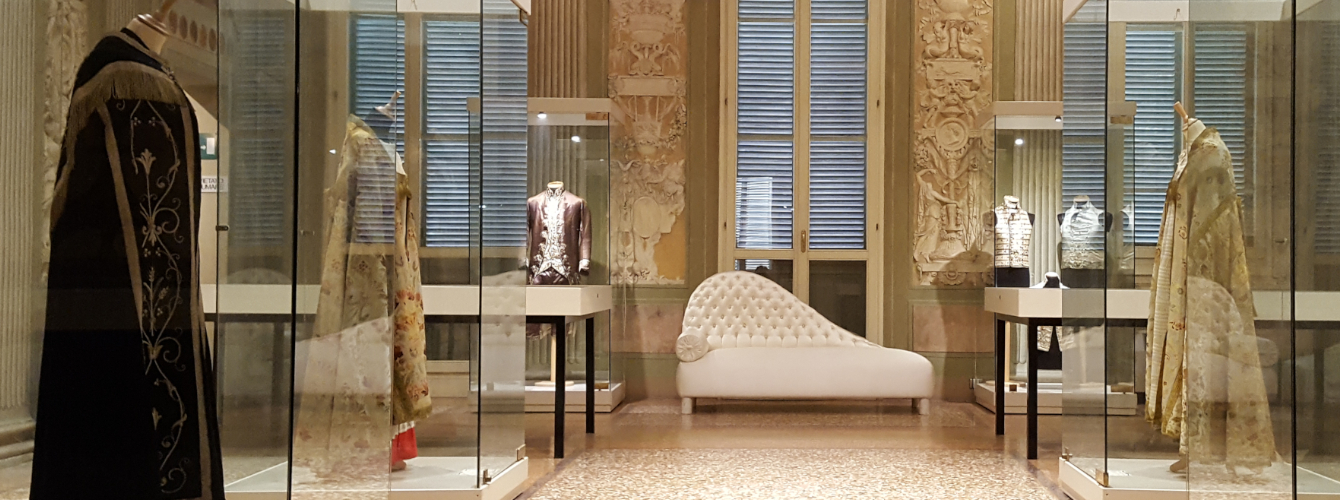
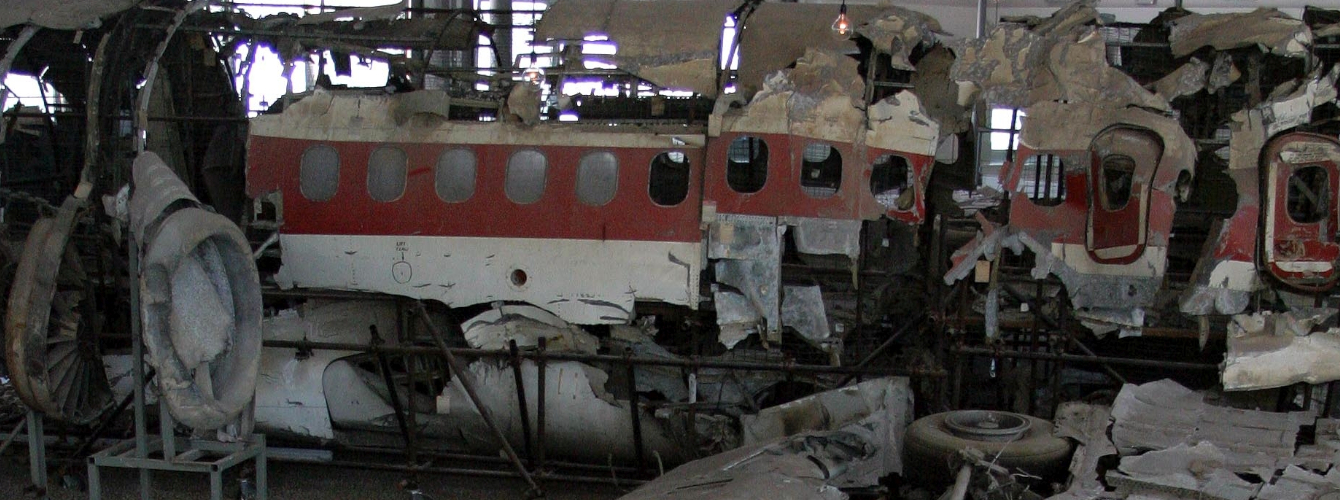
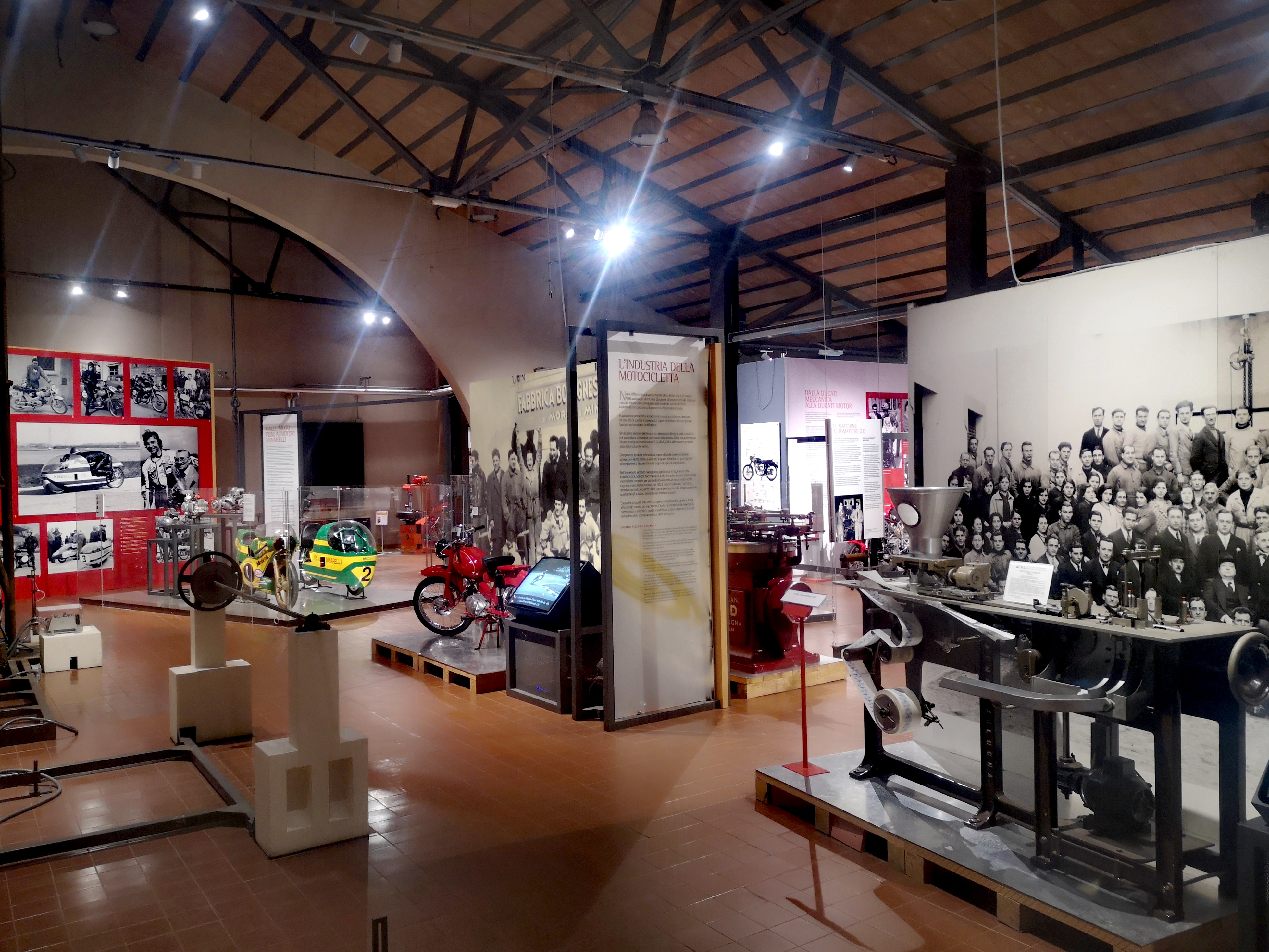
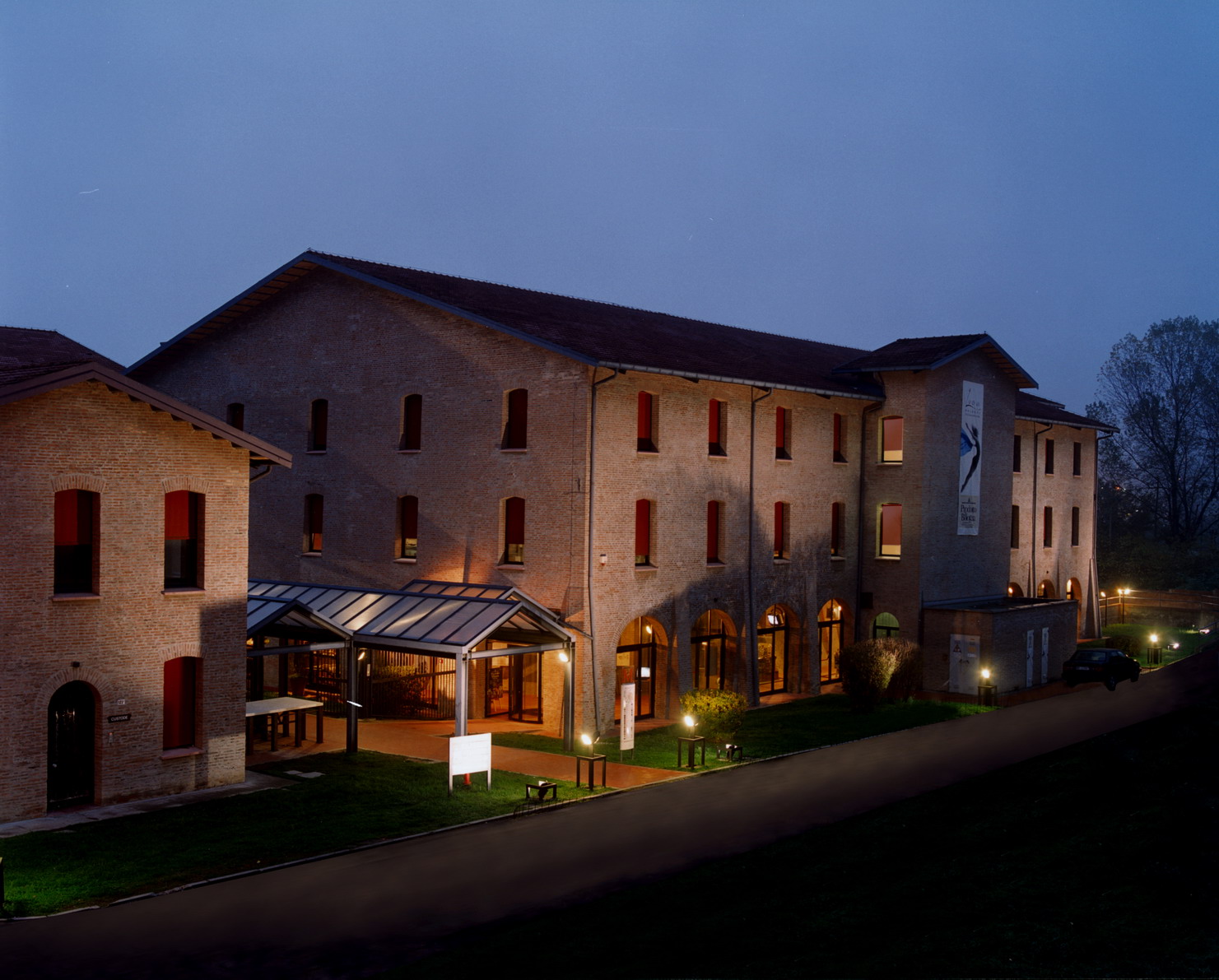
Through their collections, the Bologna Civic Museums tell the entire history of the Bologna metropolitan area, from the first prehistoric settlements to the artistic, economic, scientific and productive dynamics of contemporary society. Archaeology, history, art history, music, industrial heritage and technical culture are the major themes that can be addressed, also through transversal paths through the various locations.
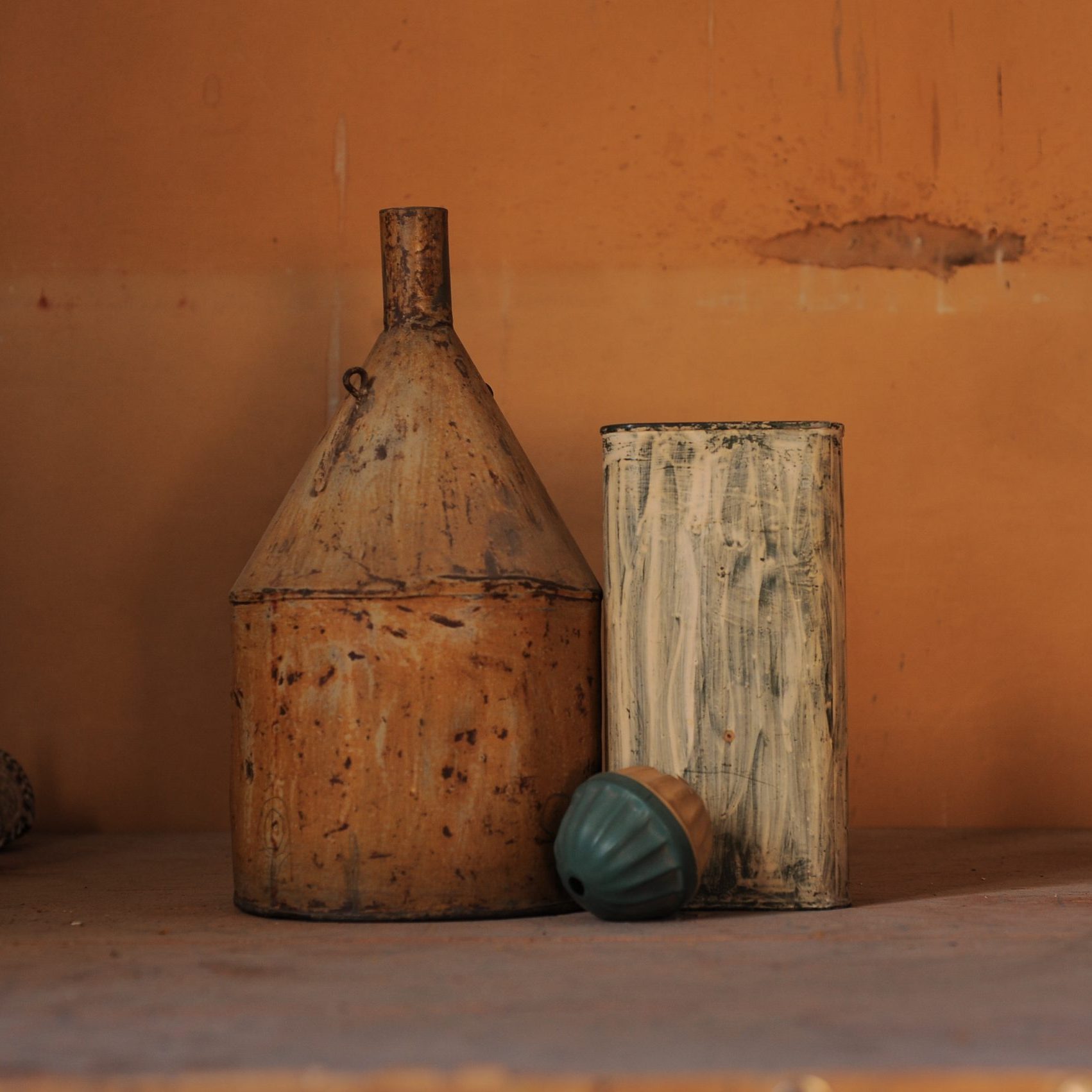
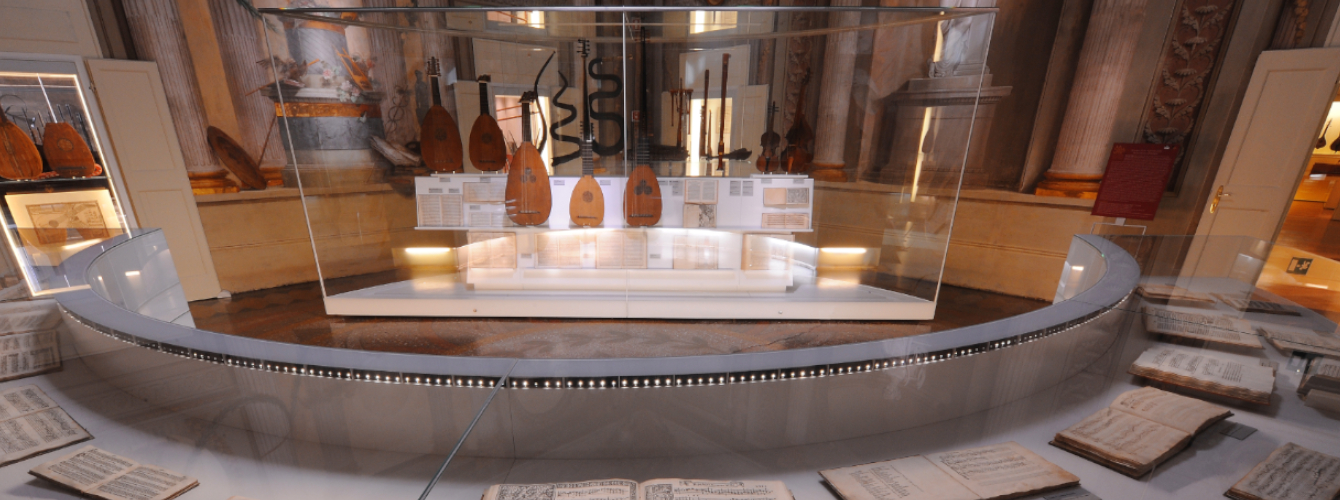
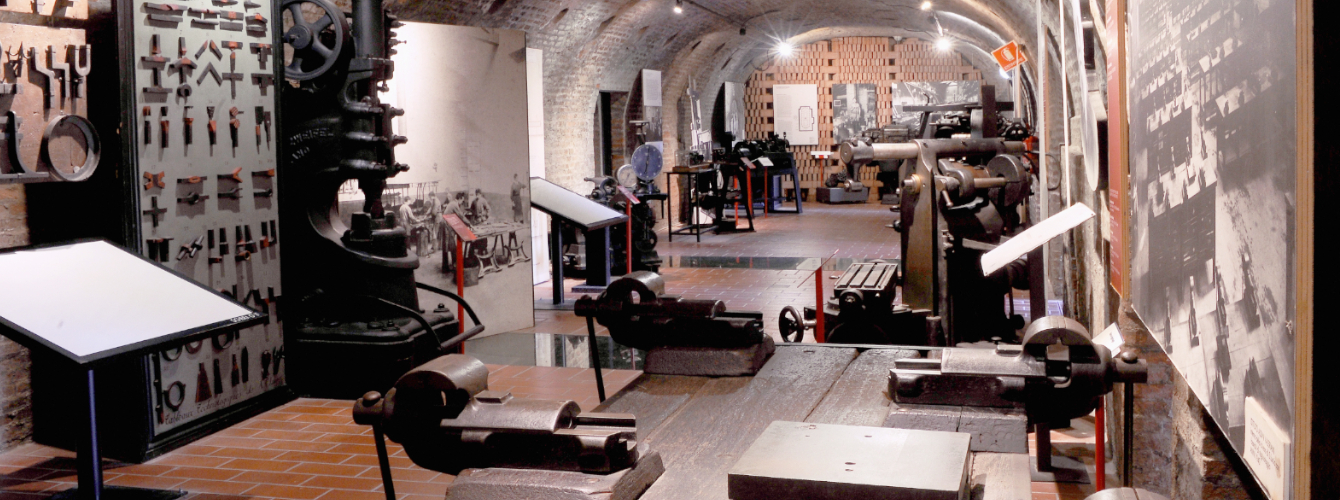
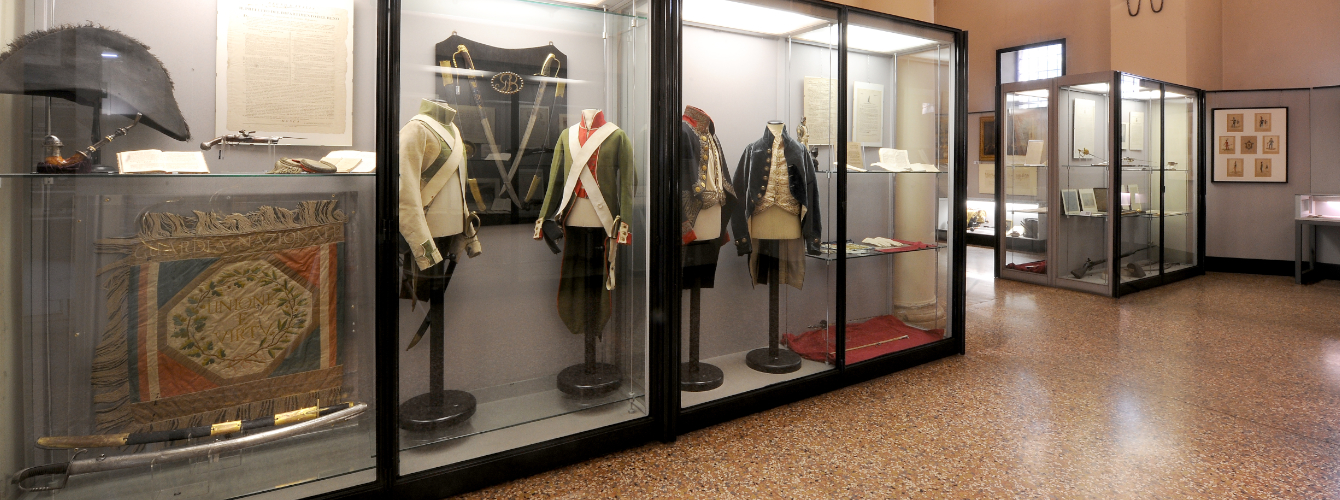
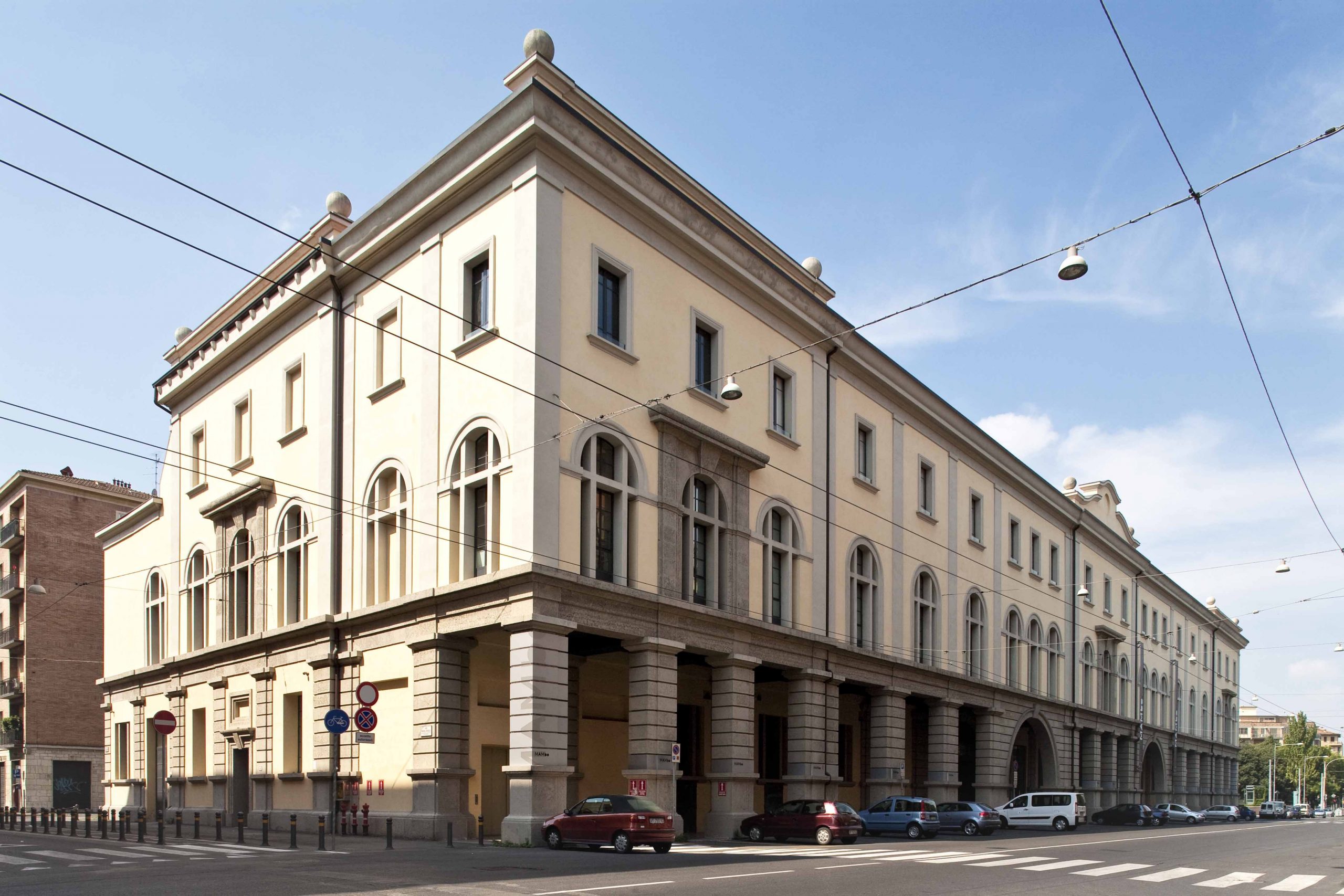
14 museums and exhibition spaces are part of the Bologna Civic Museums Sector: MAMbo – Museo d’Arte Moderna di Bologna, Museo Morandi e Casa Morandi, Museo per la Memoria di Ustica, Museo Civico Archeologico, Museo Civico Medievale, Collezioni Comunali d’Arte, Museo Civico d’Arte Industriale e Galleria Davia Bargellini, Museo del Tessuto e della Tappezzeria “Vittorio Zironi”, Museo del Patrimonio Industriale, Museo civico del Risorgimento and cultural enhancement of Cimitero della Certosa di Bologna, Museo internazionale e biblioteca della musica, and the exhibition space at Villa delle Rose.
The Bologna Civic Museums Sector studies, preserves, enhances and innovates a rich historical, archaeological, artistic, musical, scientific and technological heritage that documents the entire history of Bologna and its territory.
The Sector carries out its cultural and civic function in close relation with the context to which it belongs, acting as a scientific, cultural and educational reference point for the territory and a fly-wheel for tourism.
With the aim of making the Civic Museums increasingly inclusive and accessible to all, the Bologna Civic Museums Sector has been implementing numerous projects, including the redesign of museum spaces and services according to the principles of Design for All, the improvement of cultural, educational and cultural mediation services, the implementation of innovative communication tools and strategies, and the increase of digital use.
The activities are constantly up to date and are available on the sector’s and the museums’ communication channels.