In Castel Gandolfo and Milan, the history of two companies that have made environmental protection their mission
“The environment is not just an atmosphere, a nuisance in the hands of those who remain […] it is the host of the party,” sang the Silvestri-Fabi-Gazzè trio. Nothing could be more true, so much so that environmental protection appears among the fundamental principles of our Constitution.
Elsewhere, but not too far away, Greta Thunberg educates new generation ecologists, and Leonardo DiCaprio moves the consciences of adults. Two well-known faces on the front line for the defence of a planet that is suffering.
An emergency to which Eni and A2A also respond, promoting technological innovations and clean methods of energy production. Through their “houses of energy” – the Eni Historical Archive and the AEM Foundation – they not only preserve the historical memory of more than a century of technological progress, but have also found the right way to raise public awareness of energy sustainability.
Energy and the environment are at the centre of educational projects and temporary exhibitions that address the race for renewables and decarbonisation, passing through the necessary achievement of a continuous and self-sufficient cycle of separate waste collection and the fight against global warming.
Eni Historical Archive
The concept of energy, in its various forms, is the common thread of the multiple thematic itineraries presented in the Eni Historical Archive, housed since 2019 by the ancient Villa Montecucco in Castel Gandolfo, a papal village in the Castelli Romani area.
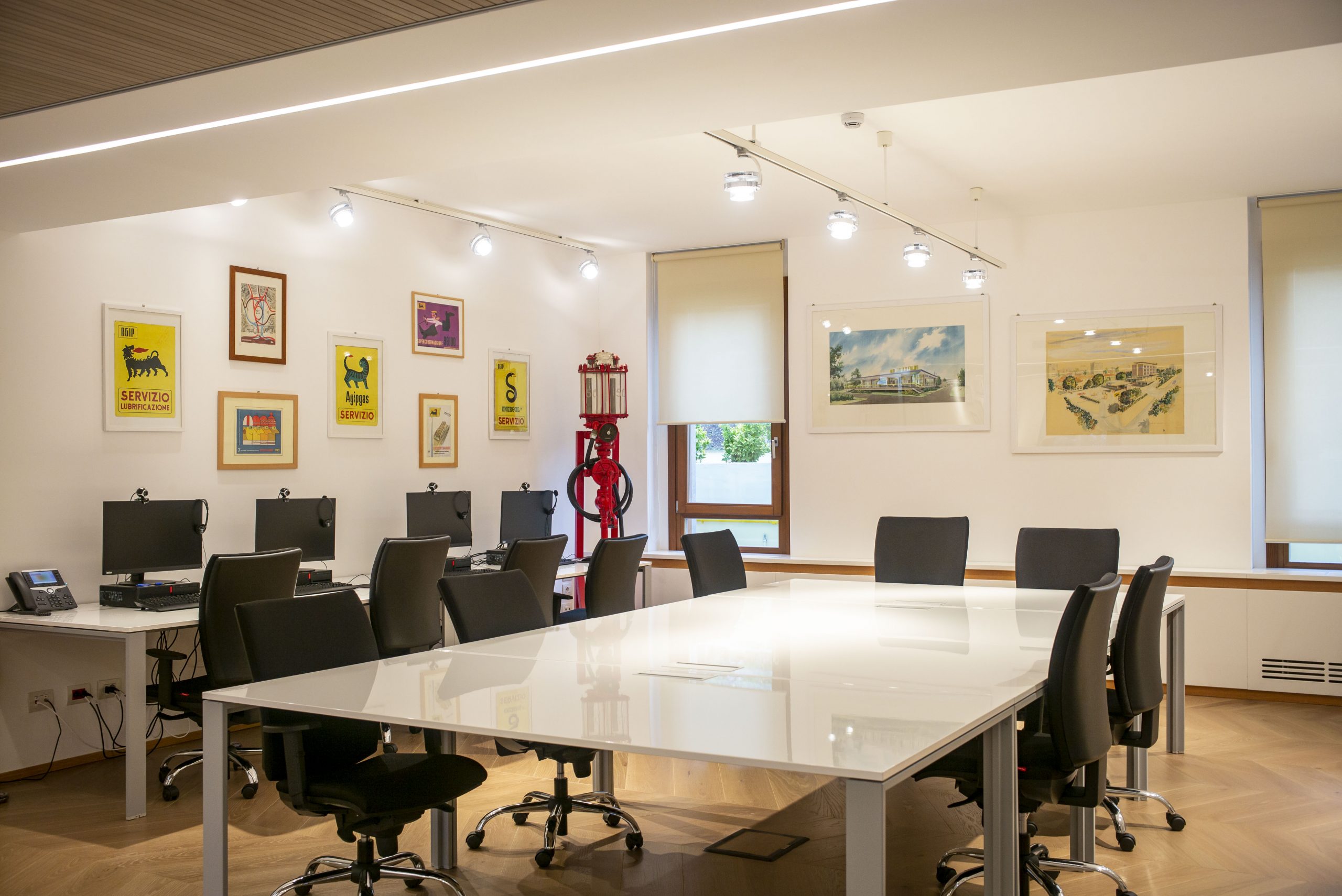
The exhibition itinerary reconstructs the history of Agip, Eni, and the companies acquired by the Group over the years, as well as highlighting the history of the Italian oil industry and energy policy, along with many social and cultural aspects of twentieth-century Italy. In the post-war years, Agip, with its six-legged dog logo, led the country towards economic recovery through the development of the methane network, the creation of service stations, and the search for hydrocarbons in the most remote regions of the East.
The undisputed protagonist of this social rebirth was Enrico Mattei – founder of Eni, enlightened entrepreneur, partisan, and politician. The far-sighted Mattei was able to create a spirit of enterprise shared by employees through welfare and affiliation policies. For example, understanding that his workers needed rest, he opened a couple of summer camps for them and their families – one on the Romagna Riviera, in Cesenatico, and the other in the Dolomites, in Borca di Cadore. Documents and images recovered from these disused company holiday locations evoke an era that no longer exists. The same is achieved by the audiovisual materials that testify how Eni created the opportunity for new forms of advertising and mass communication to enter the homes of Italians and the collective imagination of an entire generation. Here, the queen of Italian TV, Raffaella Carrà, appeared as the testimonial for Agip in the episodes of the popular ‘Carosello’, along with other comedy scenes graced by Dario Fo and Franca Rame.
Today, Eni, in addition to preserving its significant historical heritage, is engaged in the ongoing quest for game-changing technologies capable of generating a turning point in energy transition. The goal is to achieve total decarbonisation by 2050. One of the challenges underway is the development of magnetic confinement fusion, which involves the fusion of two light atoms that, when combined, emit energy. This solution, designed on an industrial level, would allow for the generation of large quantities of energy in a safe, virtually unlimited, and zero-emission manner.
Castel Gandolfo and Bernini, Artist of Energy
The Eni Historical Archive is surrounded by the contours of the Alban Hills, which embrace the Castelli Romani Park, where picturesque towns, with their patrician residences and monuments of the Roman Baroque, attract thousands of visitors. Castel Gandolfo – chosen by the ecclesiastical elite as a papal residence as early as 1624 – is one such town. Here, energy is expressed in an artistic form, thanks to the numerous works by Bernini.
A genius of the Italian seventeenth century, Gian Lorenzo Bernini was an artist who made the movement of bodies and forms his stylistic signature. In Castel Gandolfo, Bernini’s works include the baroque church of San Tommaso (1661) and the fountain that decorates the square in front of the papal palace. The vertical momentum and Baroque forms of these spaces create the impression that the bell towers and sculptures move with a life of their own. With a little stretch of imagination, the dynamism of these ancient architectural features could evoke the constant motion of a modern energy plant.
AEM Foundation
In 1966, the singer-songwriter, Adriano Celentano, wrote, “A city stands where there used to be grass”. Perhaps he did not imagine that the dozens of industries invading the suburbs of Milan would one day become cultural hubs.
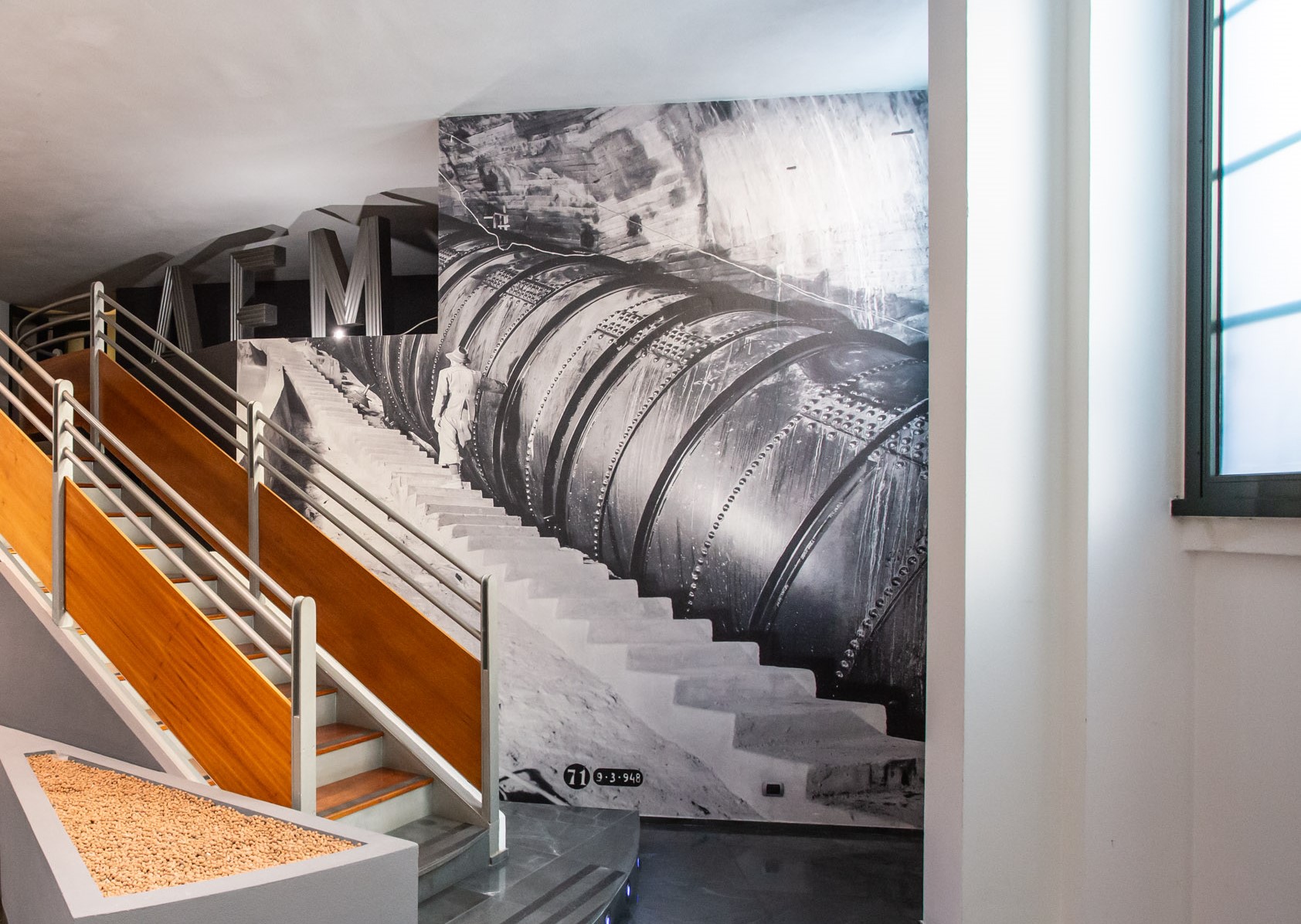
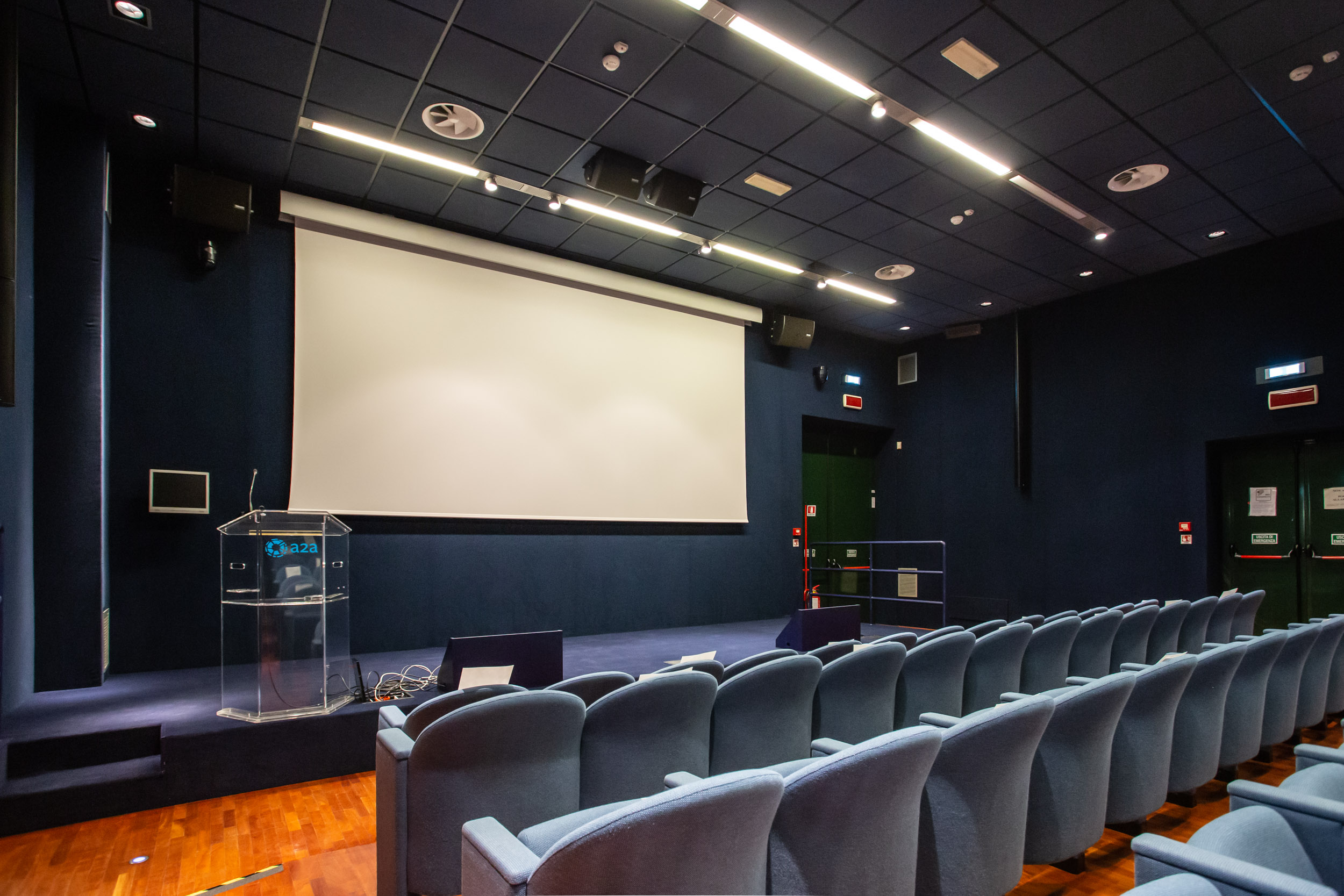
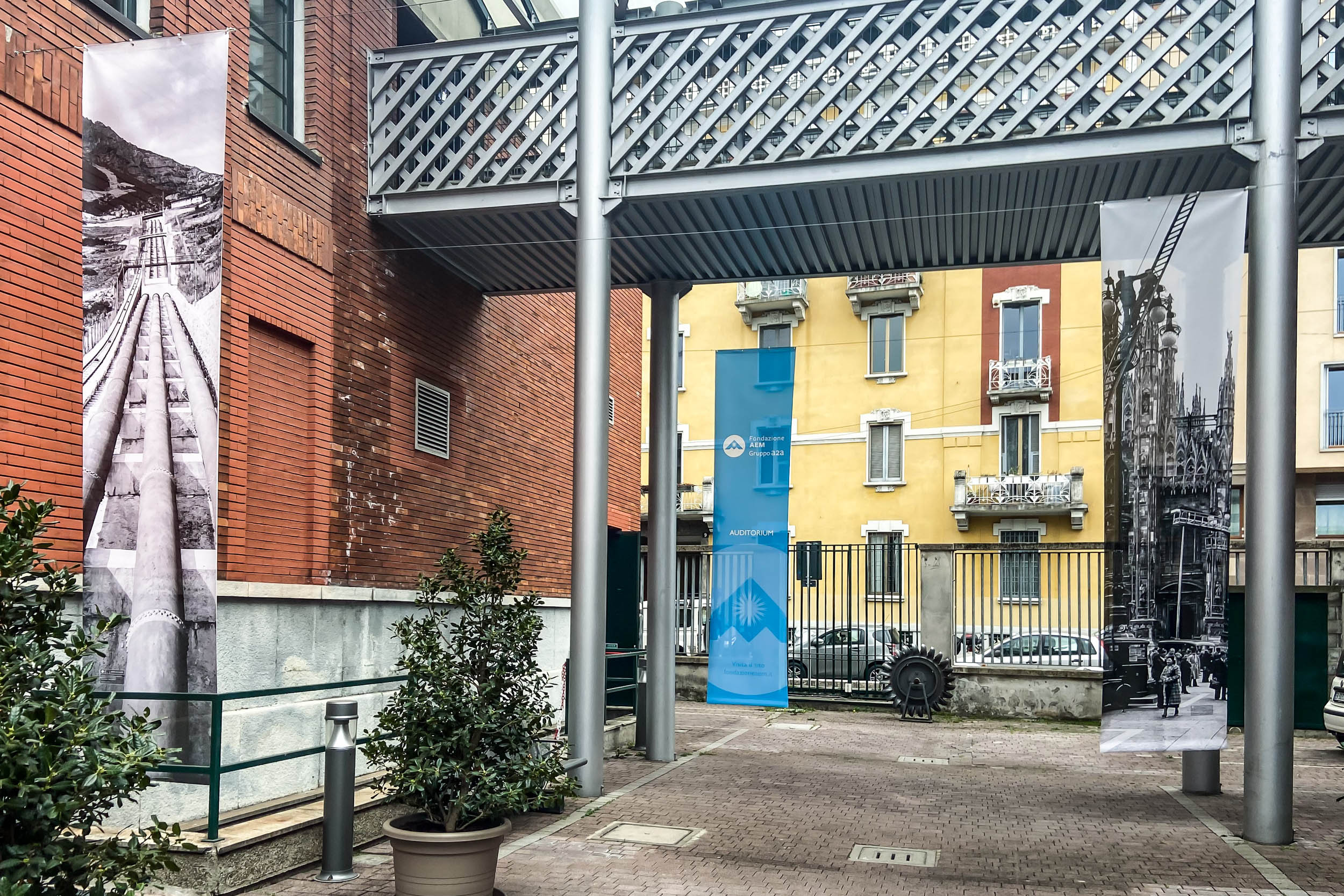
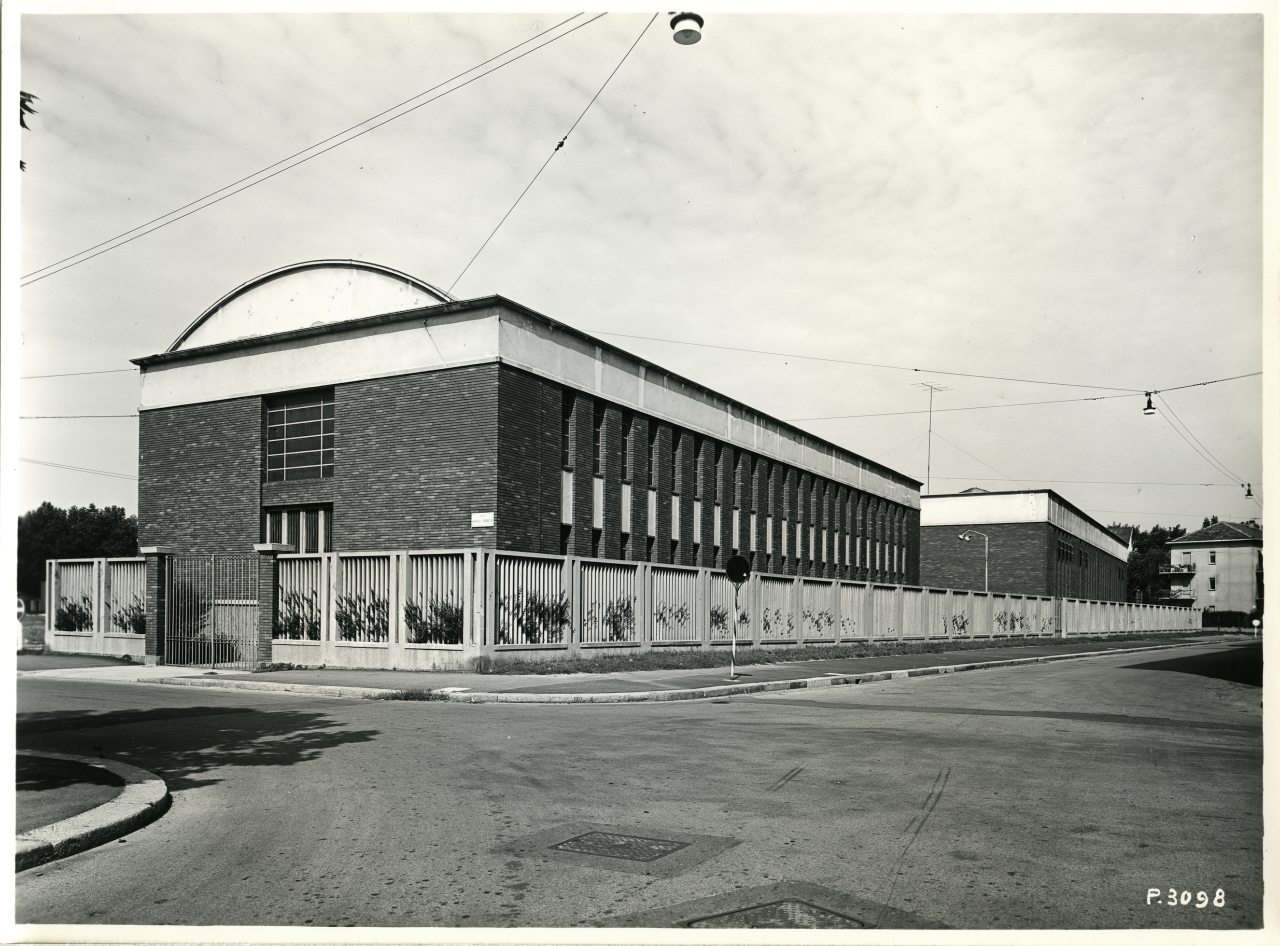
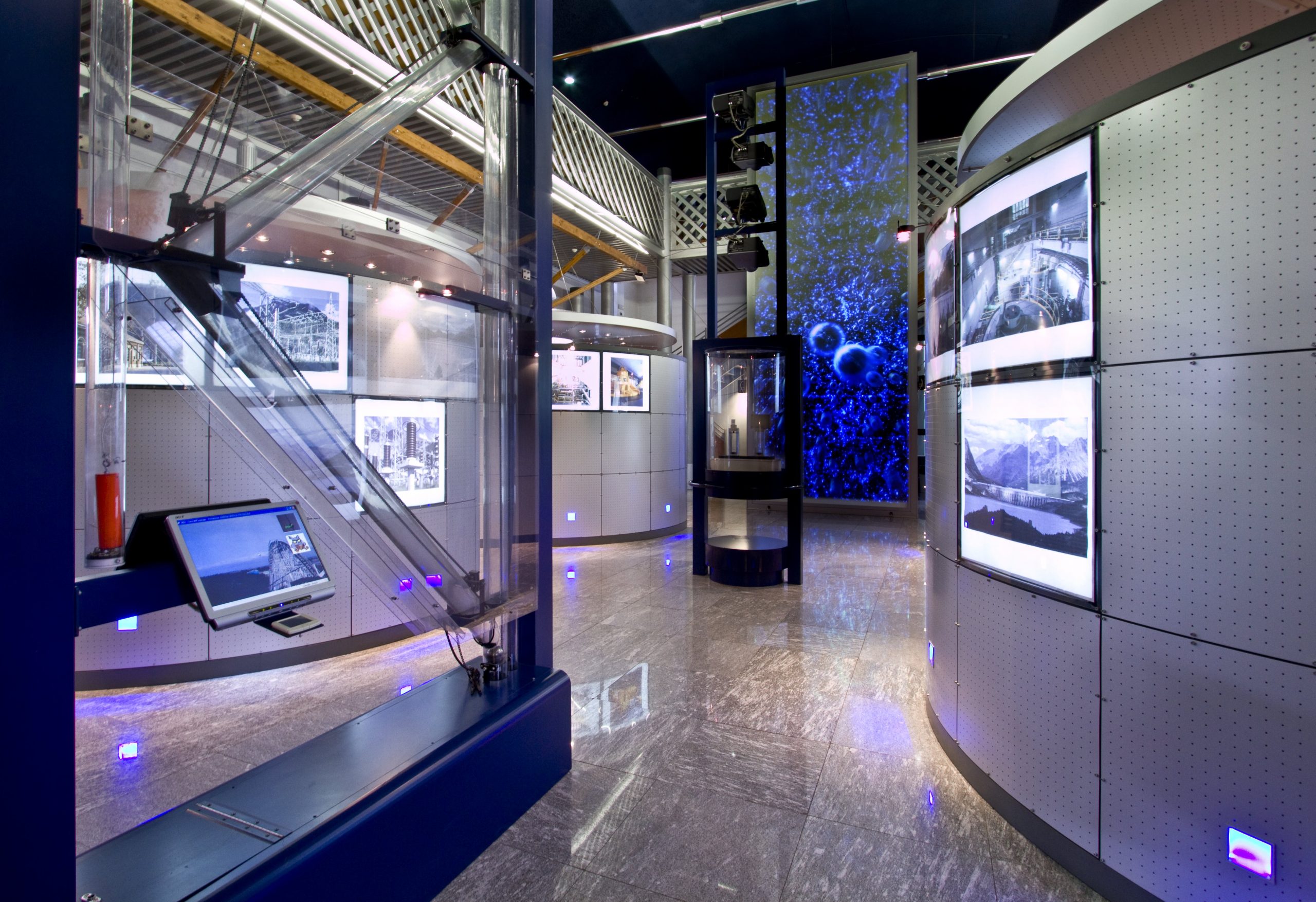
In Milan, at number 3 Piazza Po, the building of an electrical substation from the 1930s has housed the AEM Foundation since 2008. In addition to serving as an echo chamber for AEM’s heritage (now part of the A2A Group), it is an exposition and communication space that hosts exhibitions, events, and seminars through which the company’s history is shared, and fundamental principles of sustainable development are promoted, actively raising public awareness of energy efficiency. For years, thousands of primary and secondary school students have participated in film festivals and guided tours. At the same time, numerous cultural exhibitions and professional training activities are aimed at an adult audience.
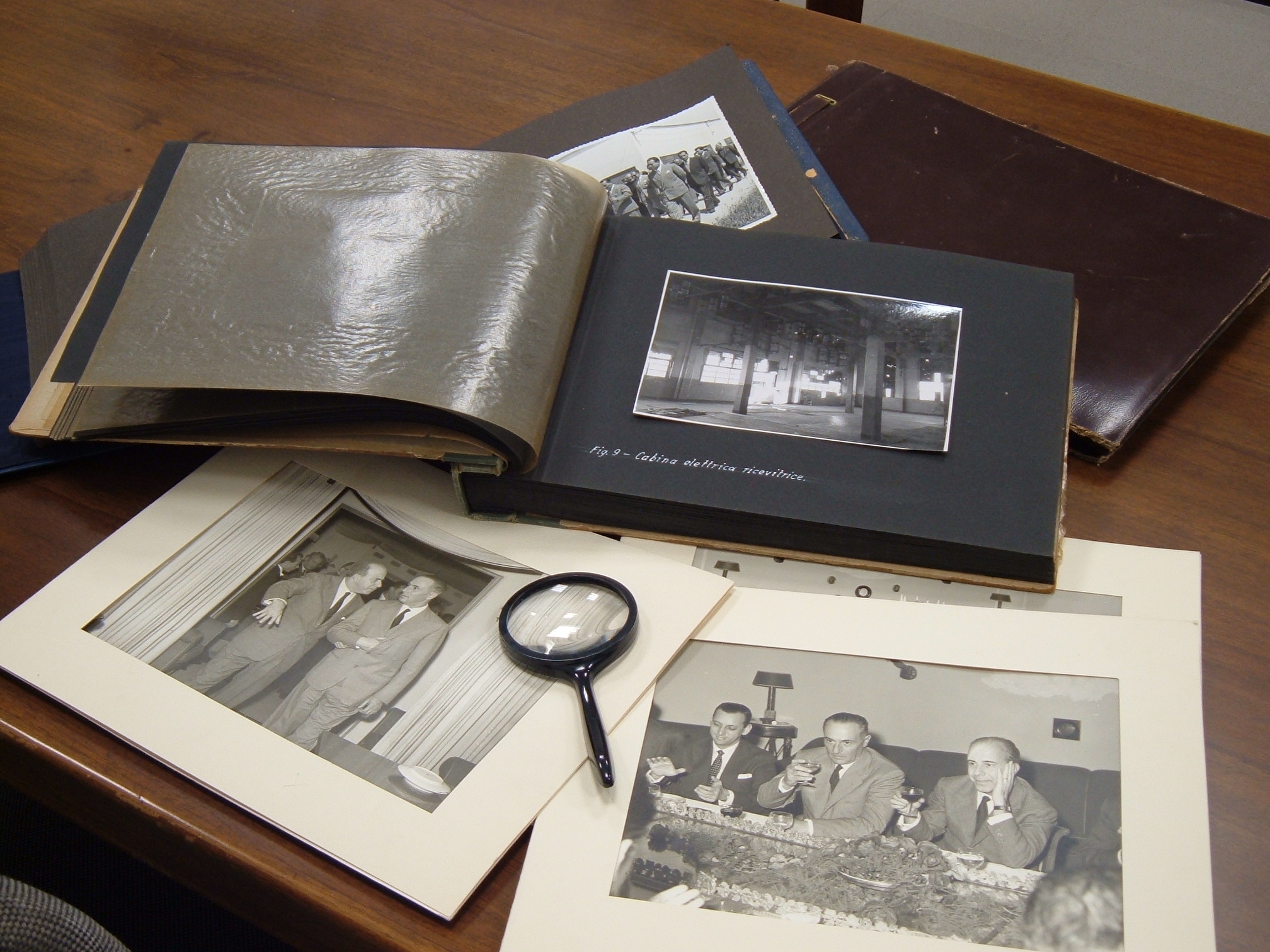
The drive for dissemination and education stems from the archival core of the Foundation, which, through photographs, documents, and audiovisual materials, tells the story of the company and highlights the long-standing synergy between the company and the city.
The resounding notes of Jannacci and Fo, who performed for the AEM Cultural Committee in 1964, still echo today. The sketches of the fountain in Piazza Castello, installed by AEM in 1940, continue to resonate; and the ‘Snowfall of the Century’ in January 1985 – when AEM carried out twenty thousand interventions over a fortnight to ensure a steady gas supply to Milanese homes – is remembered.
Currently undergoing restyling, the Foundation is preparing to become a future business museum focused on the history of AEM, which will also host innovative projects on the educational-cultural front.
City Life between Futurism and Sustainability
Not far from the AEM Foundation shine the lights of the CityLife district, created in the area of the former trade fair building. A consortium of investors took over this land, planning an entire futuristic neighbourhood. It is a place where you can breathe contemporary life, energy, and dynamism. The skyscrapers designed by Arata Isozaki (the Straight), Zaha Hadid (the Twisted), and Daniel Libeskind (the Curved) – home to three major companies – have transformed the Milan skyline. The shopping centre has become another key landmark for Milanese shopping. The park’s lawns and landscaped gardens have become a new gathering spot for Milanese of all ages.
Further transforming the landscape are the curved residences designed by Hadid and the undulating buildings by Libeskind, all constructed with a focus on energy optimisation, efficient resource use, and environmental sustainability.