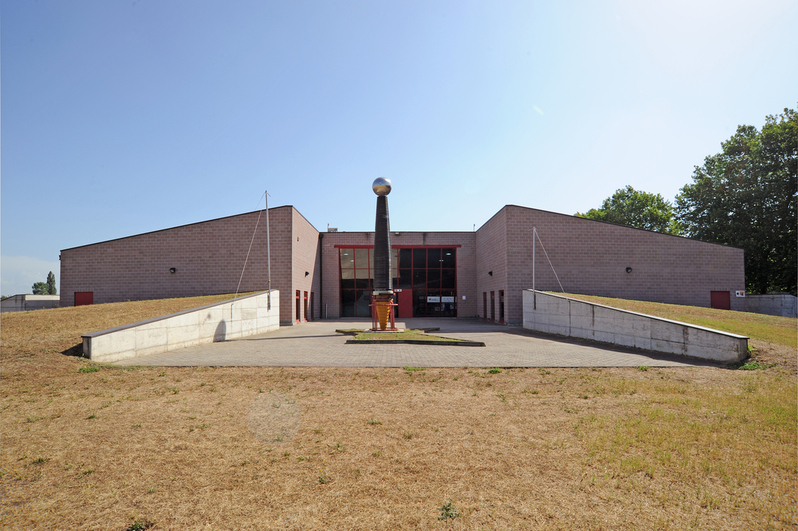
The Museum of Electrical Engineering in Pavia, a city of art and studies
Frederick Barbarossa was crowned King of Italy in the Basilica of San Pietro in Ciel d’Oro, which houses the remains of St. Augustine. Albert Einstein spent a long holiday period there in 1895 while preparing for the entrance exam to the Zurich Polytechnic, along with dips in the Ticino River, riding bikes, and relaxing at Palazzo Cornazzini. Ugo Foscolo and Alessandro Volta – who respectively taught Eloquence and Experimental Physics – once strolled in the University’s loggias and the Magnolia Courtyard. Founded in 1361 by Emperor Charles IV, the University of Pavia is one of the oldest in Italy. It can well be said: in Pavia, every place has a story.
You can walk along the glittering Corso Cavour and Strada Nuova, find yourself in Piazza della Vittoria, and sit at a table in one of the many venues that animate it. You can stroll along the cobbled streets that lead from the Duomo towards the Ticino River and come across the small basilica of San Teodoro, dating from the 12th century, with its red brick façade. Inside the Visconti Castle, you will find the Civic Museums, and at night, the Ponte della Libertà should be admired when the arches are lit up in blue, yellow, and bright pink neon lights by the artist, Marco Lodola. Alternatively, you can seek out the noble towers built by wealthy families to show off their status rather than for defensive purposes. Of the hundred, more or less that were built, only thirty-two remain. Many are incorporated into the buildings next to which they were constructed while others have been reduced to ruins. Five still stand. There is the iconic Ponte Coperto, built in 1351 on the pre-existing Romanesque one, remodelled, bombed in 1944, and rebuilt in 1951. And, last but not least, 10km away is one of the most important buildings of the Renaissance: the Certosa. An artistic and architectural wealth recalls both the glorious and troubled past of Pavia. Yet the ancient scenery is accompanied by a young and dynamic atmosphere, thanks to the University, partner of over 300 international exchange programmes, which means the city is mainly populated by young faces, with a packed line-up of events unfolding.
The Museum of Electrical Engineering of the University of Pavia
The University of Pavia’s interest in history and cultural heritage is kept alive through the University Museum System, a “department” that aims to organise the activities of its museums. They include the Museum for the History of the University, the Golgi Museum, the Kosmos Museum of Natural Sciences, the Museum of Archaeology, the Botanical Garden, the collections of Mineralogy, Chemistry, History of Medicine, and Physics. The Museum of Electrical Technology (MTE) was added to this vast museum heritage in 2007.
It was 1778 when Alessandro Volta, already a prolific inventor, was offered the chair of Experimental Physics at the University of Pavia. Around twenty years later, after in-depth studies, observations, and experiments, Volta created and perfected the invention that would make him famous worldwide: the battery. The first system to generate electricity with a constant current over time. In 2000, during the celebrations for Volta’s great creation, a temporary exhibition was held in the University to present the project for the construction of the Museum of Electrical Engineering. The museum tells the fascinating history of the most important scientific discoveries and inventions related to the study of electricity, from its origins to the present day, which have contributed to the evolution of technology and society.
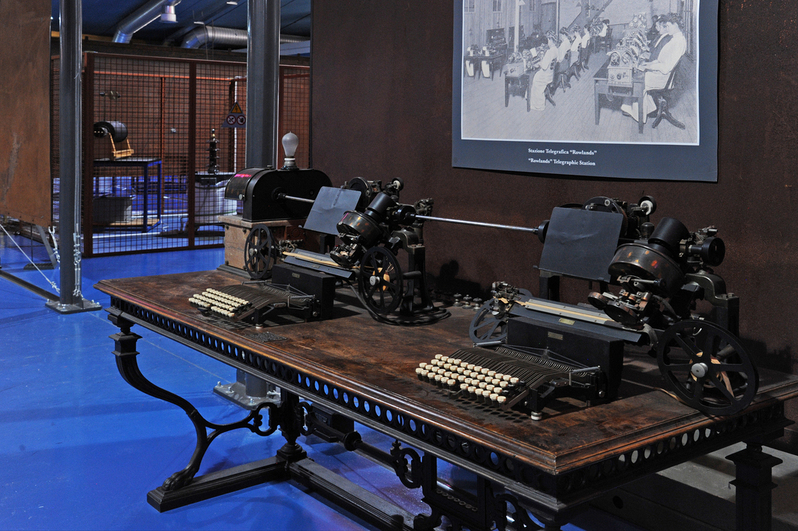
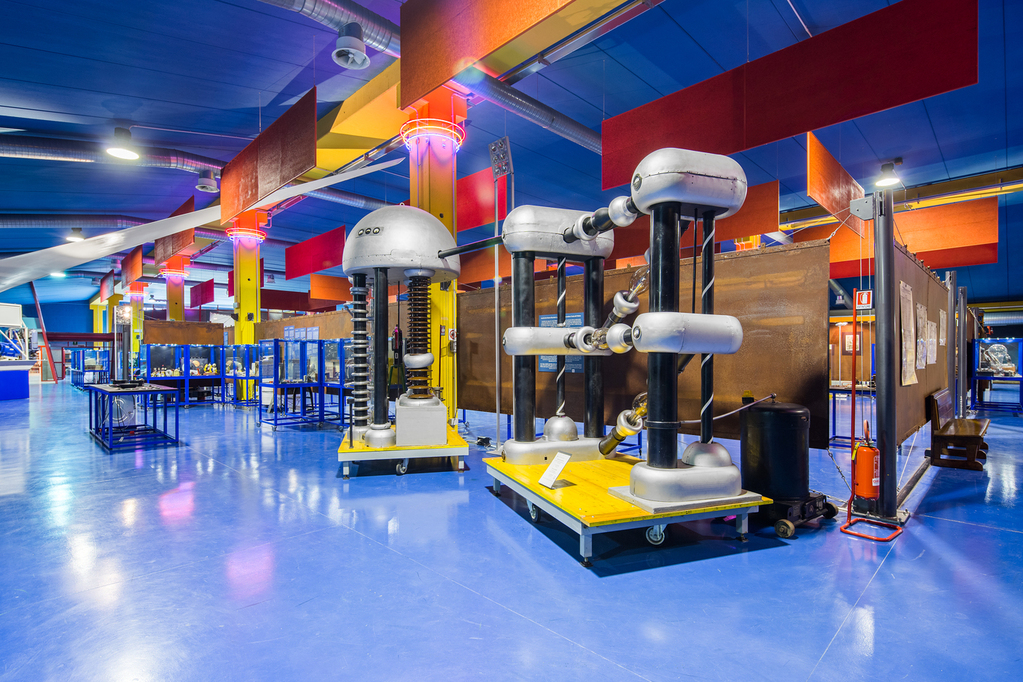
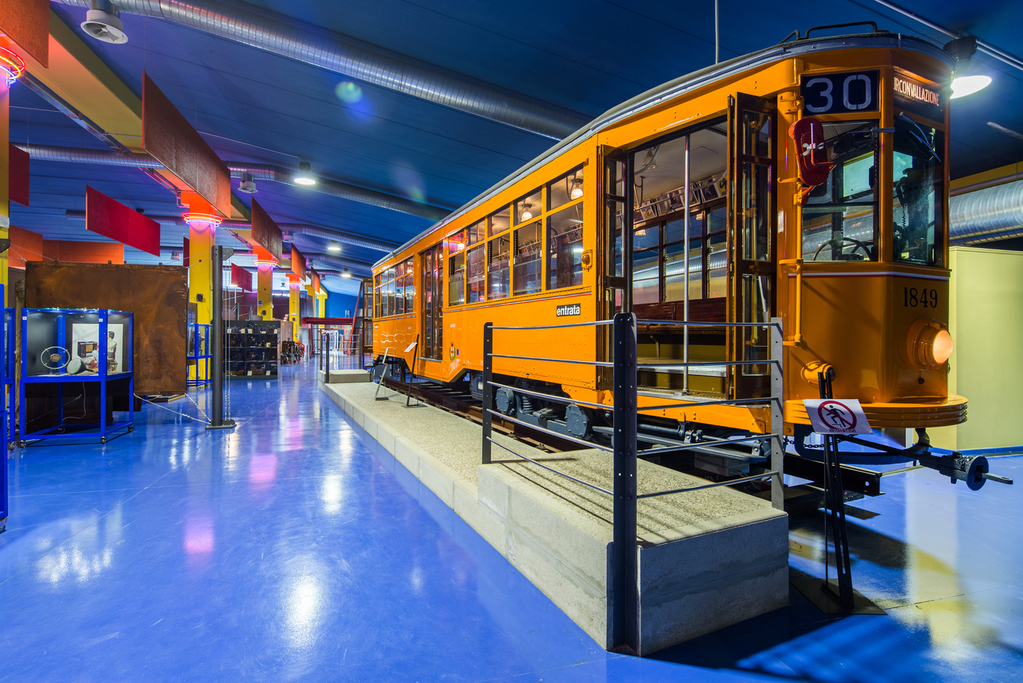
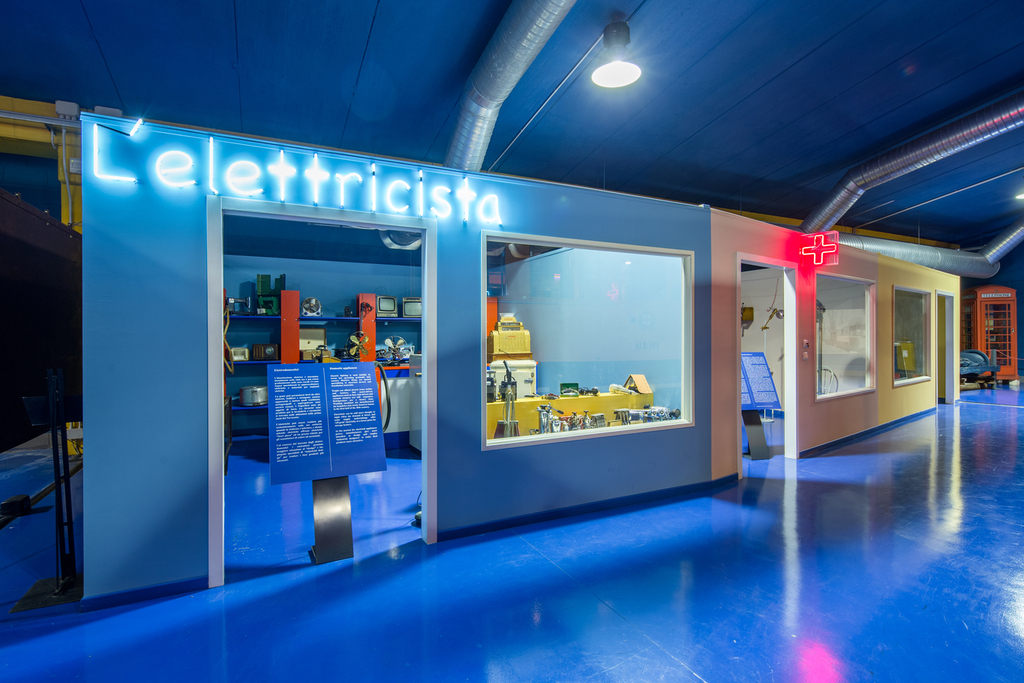
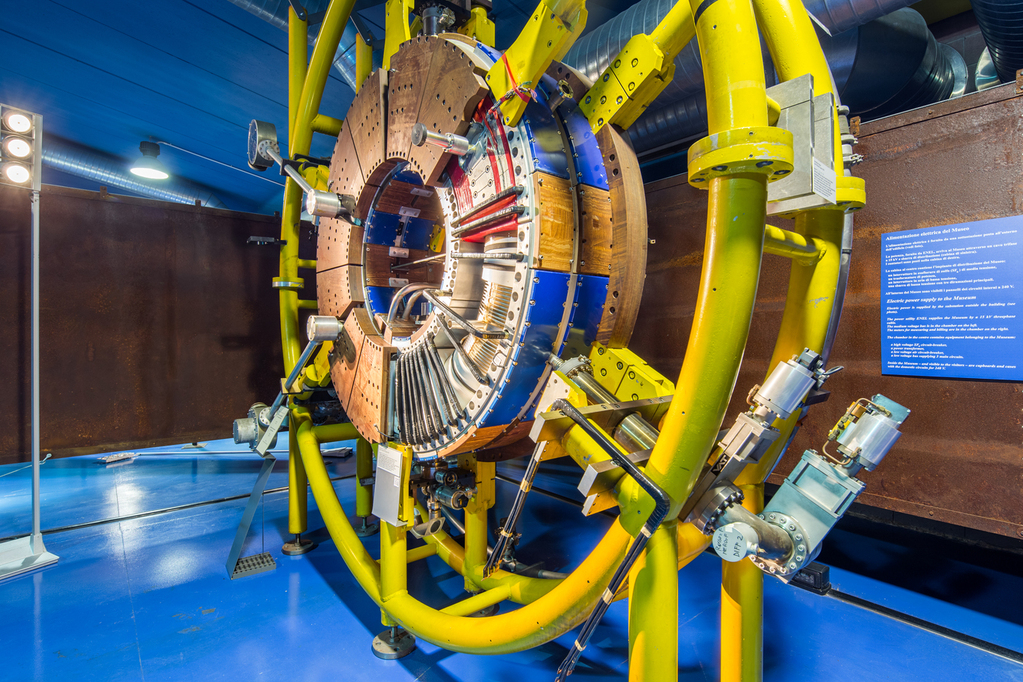
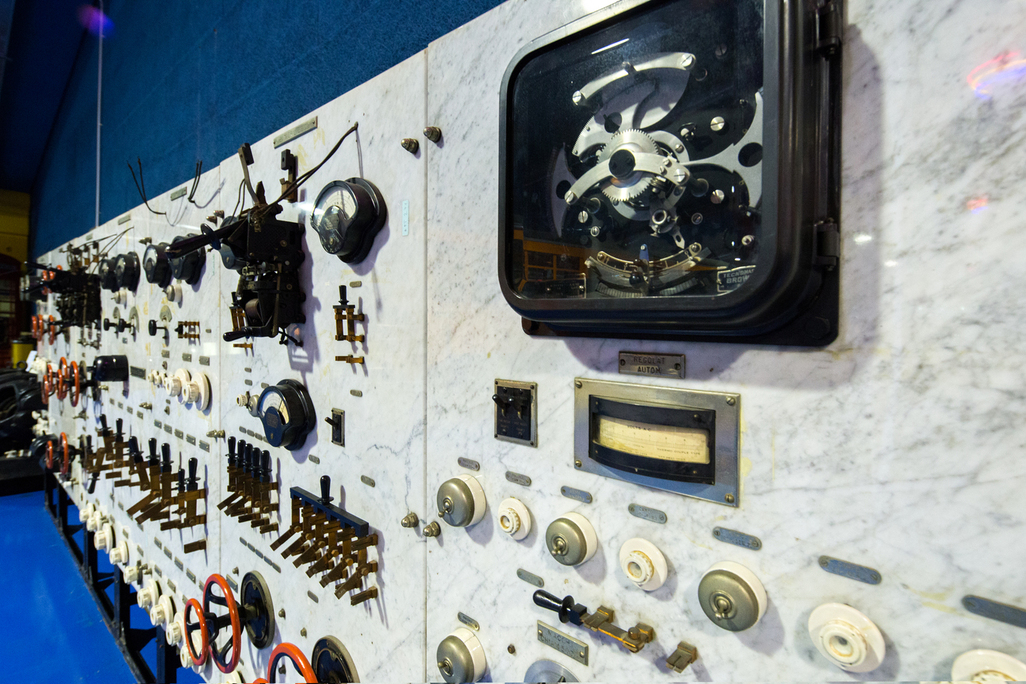
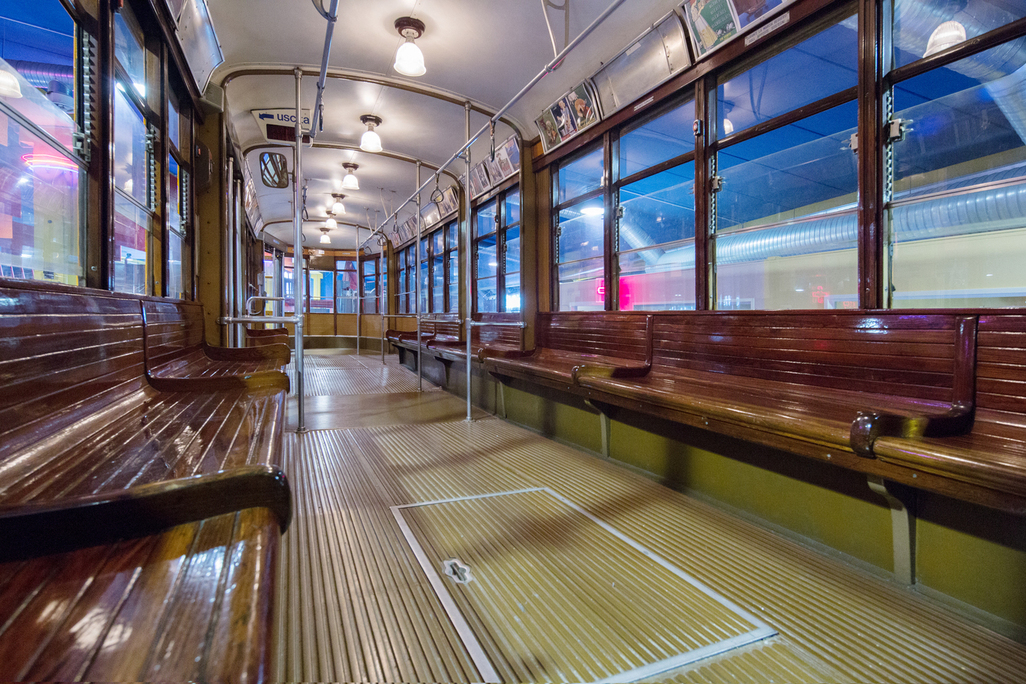
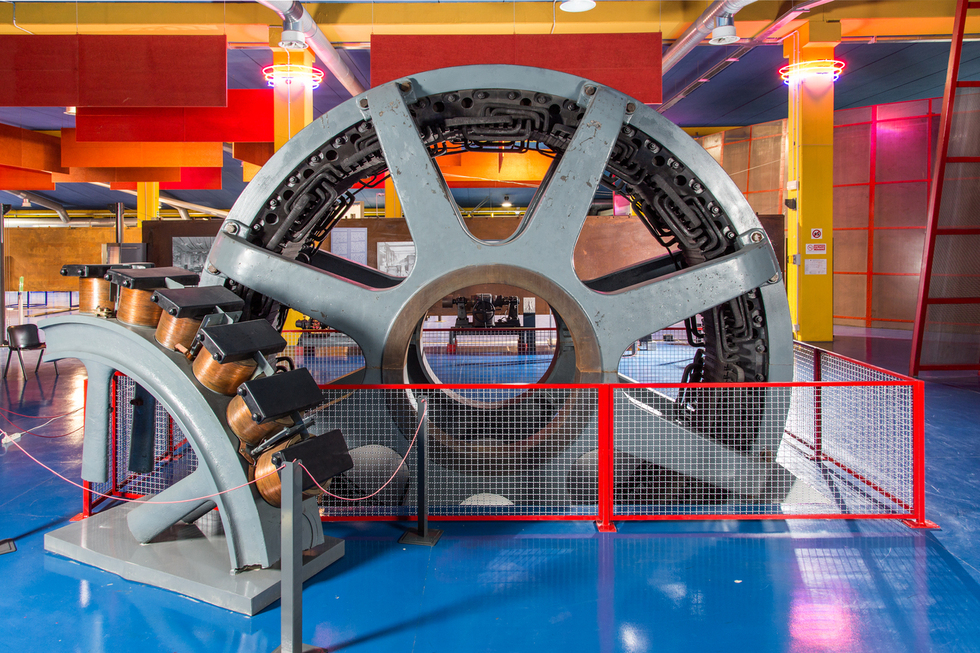
The journey is divided into five historical and thematic sections featuring unique and original pieces from the collections of Enel, Sirti, and the University of Pavia, which have gradually been added to over time. For example, there is an alternator from the Paderno d’Adda power plant, an old Milanese tram, a particle accelerator, a wind generator, and Eta Beta, a nuclear fusion generator. The museum also hosts an original example of the Enigma machine, designed to protect patents and projects from industrial espionage, which later became an encrypted communication system used in the twentieth century by the armies of major world powers such as Germany, Japan, and the United States. This machine offered a valuable contribution to the mathematician, Alan Turing, helping to decipher Nazi communications during the Second World War.
In collaboration with