Rome: the evolution of Italy told through the CDP Museum
An imperial city that later became a papal city, Rome has accumulated so much history and art over the centuries that its treasures are beyond measure. It is difficult to imagine another city so rich and intense, where the opulence of the ancient Romans and the refinement of Renaissance style can be seen at every turn. But Rome is not only the Colosseum or St. Peter’s; it is not only the masterpieces of Michelangelo or Bernini, to which a visit seems mandatory. Often, in the shadow of works of this magnitude, there are places of equal beauty unknown to most, as well as historical and social importance. This is the case of the CDP Museum, the museum of ‘Cassa Depositi e Prestiti’, located in Via Goito, in the heart of the historic centre.
Cassa Depositi e Prestiti and the CDP Museum
Founded in 1850 to collect deposits from Italian investors and finance the country’s infrastructure, the Cassa Depositi e Prestiti (Italian development bank) has a history deeply intertwined with the economic and social development of Italy. Over the years, CDP has expanded its horizons, contributing to the construction of key transport infrastructure, energy and telecommunications networks, offering support to businesses, promoting social housing and urban regeneration initiatives, as well as engaging in international cooperation for sustainable growth, particularly in developing countries.
CDP also values art and culture as strategic factors for promoting the sustainable development of local areas and communities. Throughout its long history, the Cassa Depositi e Prestiti has collected works of art that, since 2020, have been displayed in the CDP Museum. The museum aims to be a vehicle for the promotion of art and culture, with the goal of passing on the historical, social, artistic, and cultural heritage of Italy to the younger generations.
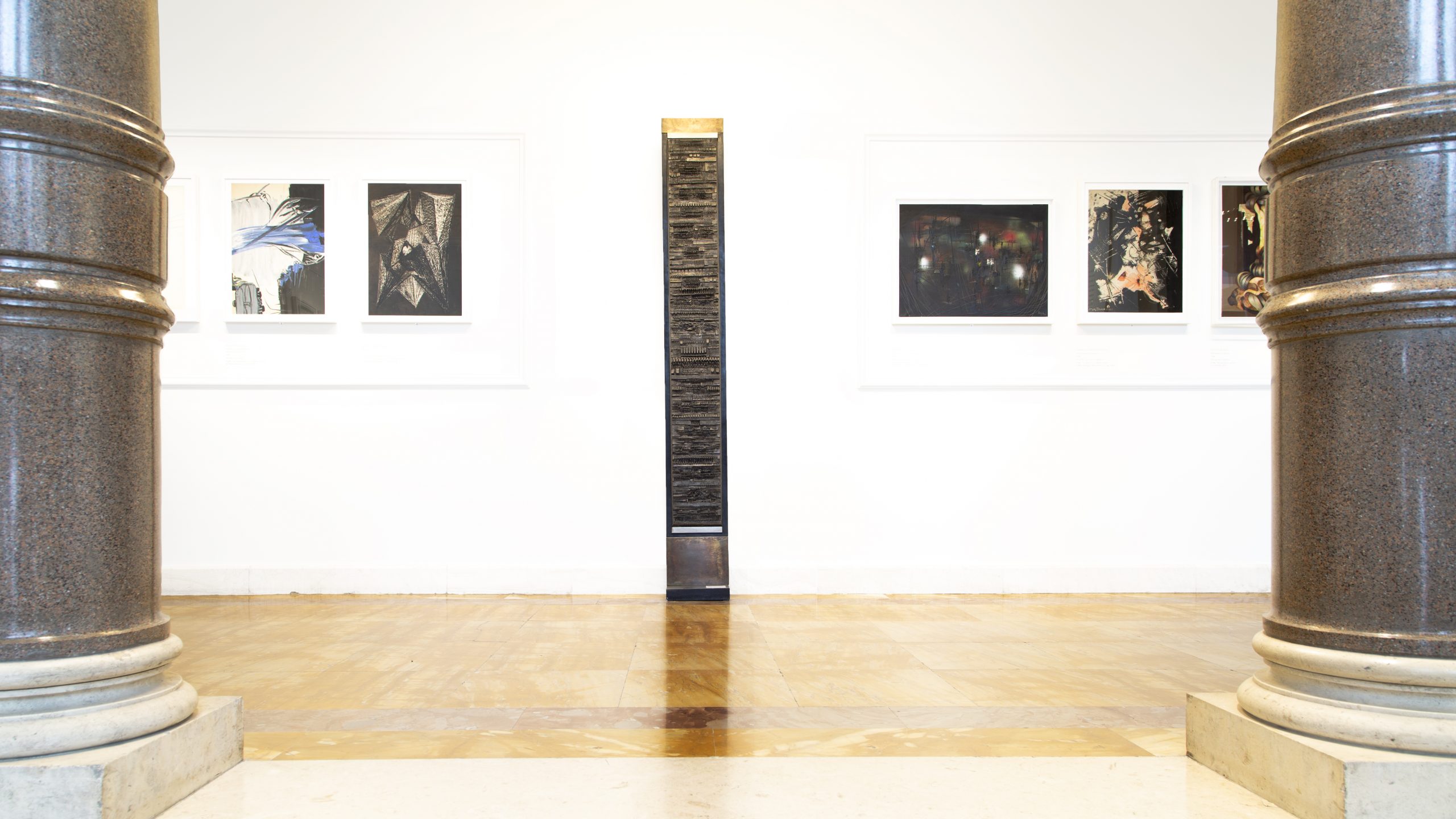
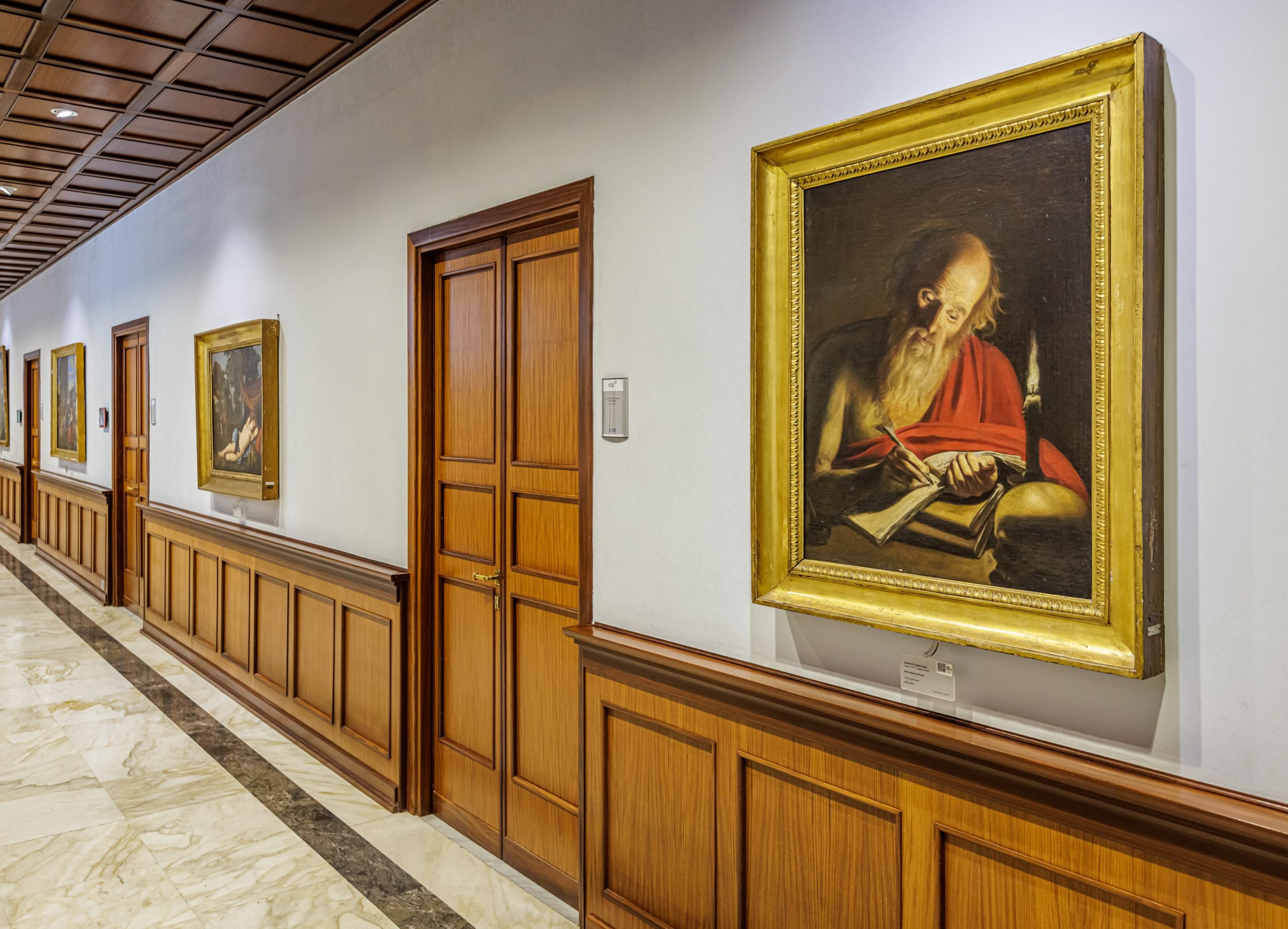
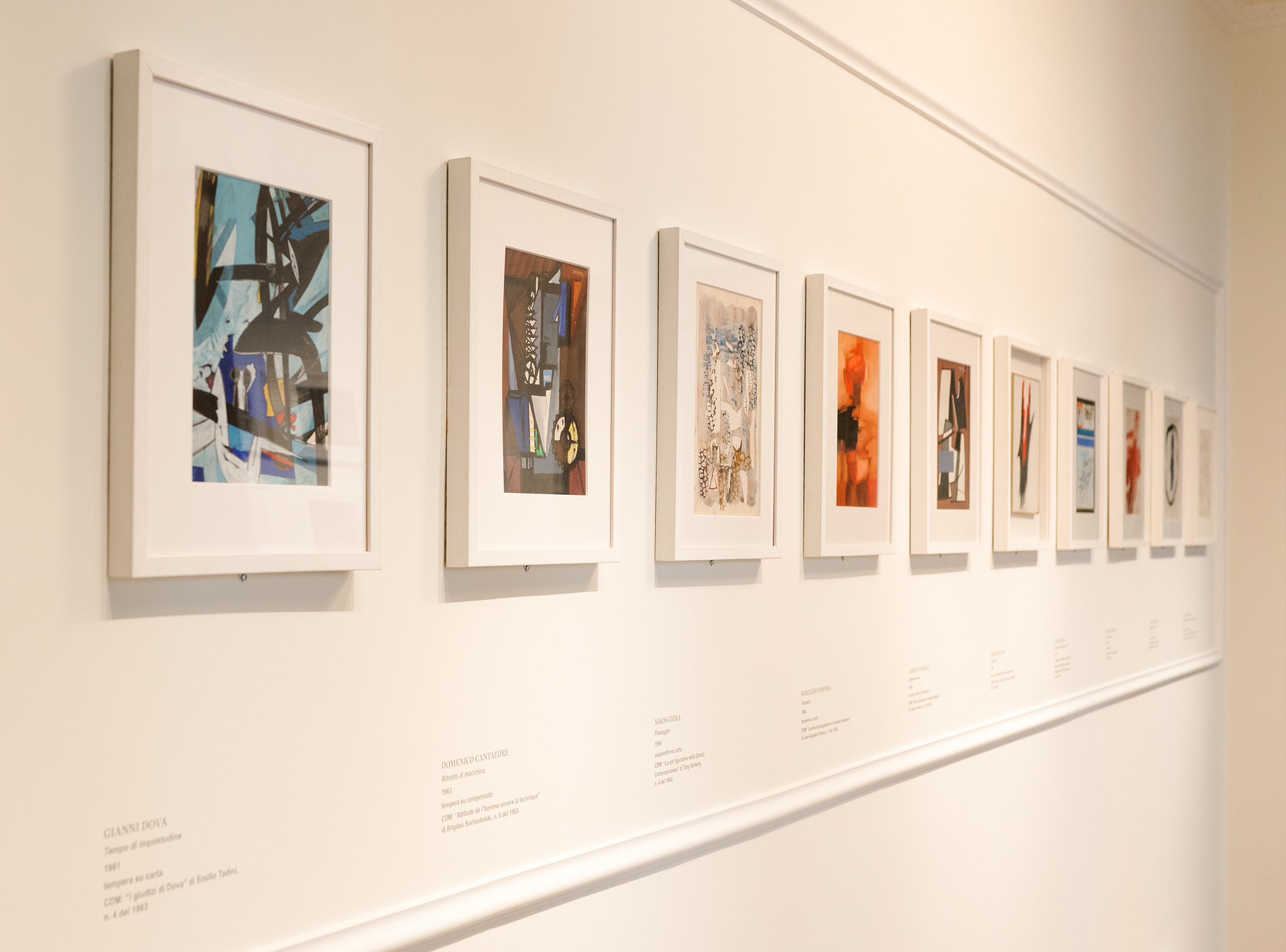
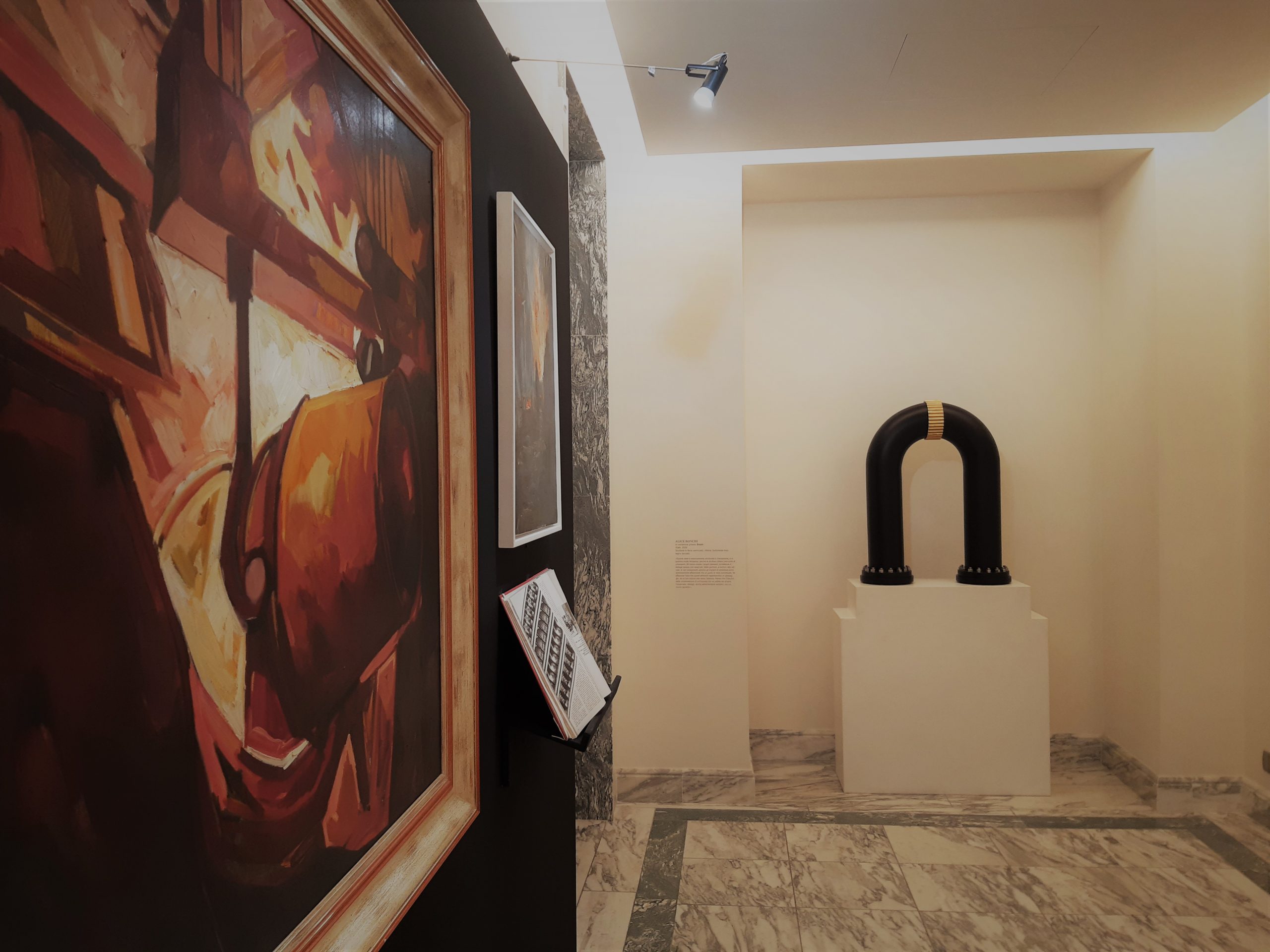
The Cassa Depositi e Prestiti museum brings together a collection of Ancient Art (works created between the seventeenth and nineteenth centuries, which come from the Monte di Pietà) and four collections of Modern and Contemporary Art, with works created between the 1950s and 1970s that reflect industrial patronage and artist residencies in factories. The picture gallery of the modern art collection, the biggest of the museum’s collections, derives from the ‘Civiltà delle Macchine’ publication (the IRI Group’s company magazine, 1953–1979), which successfully engaged academics, intellectuals, poets, philosophers, and artists with the goal of reflecting on the industrial, technical, scientific, technological, and economic development of post-war Italy. The works, commissioned for the covers and internal articles by artists such as Gino Severini, Emilio Vedova, Franco Gentilini, Afro, Giuseppe Capogrossi, Eugenio Carmi, Piero Dorazio, and Renzo Vespignani, were recovered following the survey, research, and cataloguing of the CDP Group archives.
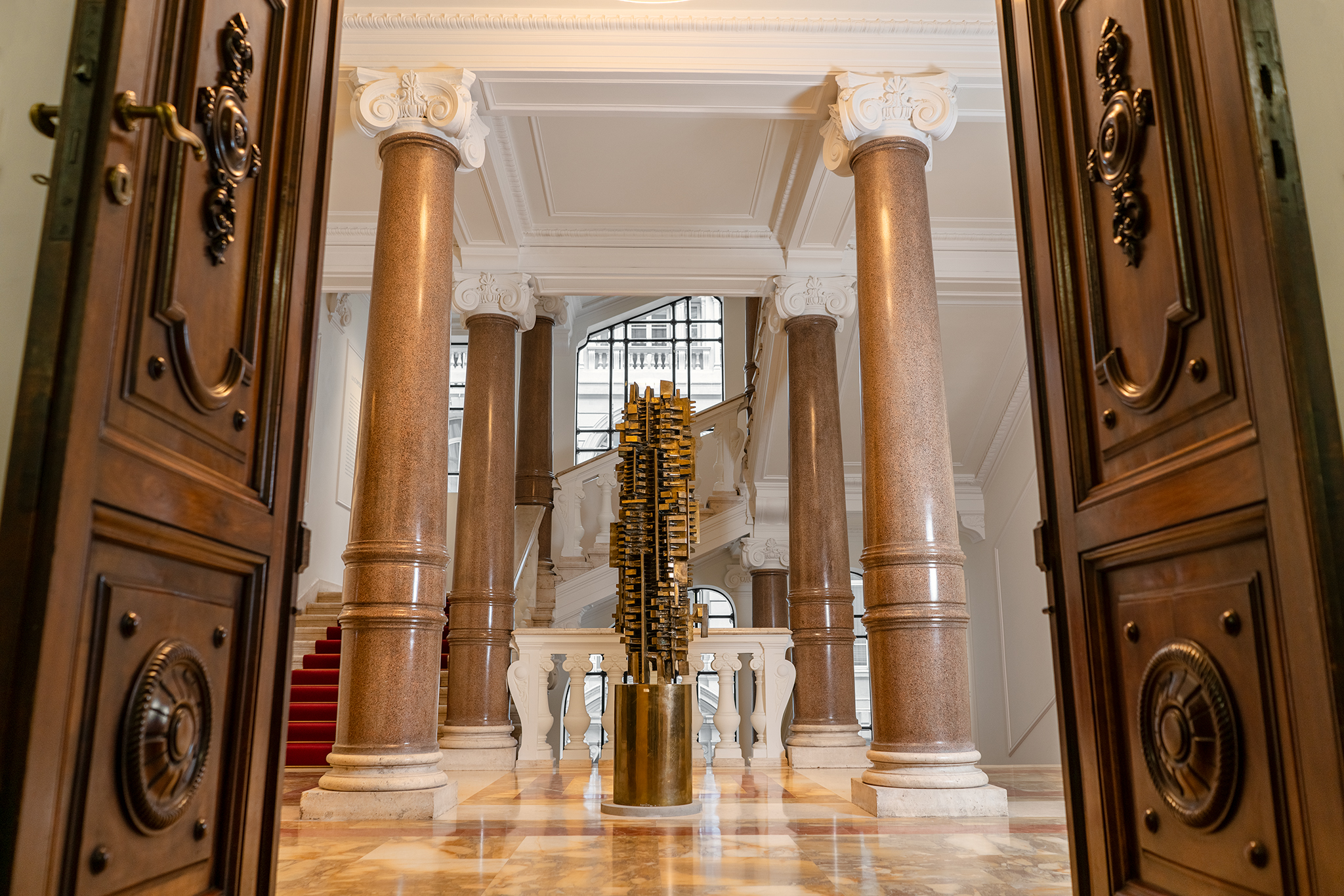
The collections of the CDP Museum – along with the two historical archives, which preserve over 26 linear km of documents and more than 20,000 photographs chronicling the story of Italian industrialisation and progress after the war – are housed in the building that also hosts the offices of the company’s historic headquarters in Via Goito, Rome. The building, which is protected by the Superintendency, was constructed at the beginning of the 19th century. Thanks to a dedicated installation project, the artworks are displayed throughout the corridors and monumental staircase of the headquarters, with the aim of making them accessible to the workers of the CDP Group and its stakeholders.
In collaboration with