The Generali Legacy: an immersion in the international history of Trieste
Nestled between the sea and the karst rock, Trieste combines Habsburg precision, Mediterranean allure, and a touch of Eastern influence. It is a city of many facets, revealed in its squares and vistas shaped by the bora wind. Trieste holds the European record for the largest square open to the sea: Piazza Unità d’Italia, a spectacular architectural and theatrical stage. It is also home to the Molo Audace, a favourite spot for seaside strolls along the pier; the Castle of San Giusto, which overlooks the gulf; and the seafaring alleys of the Cavana district. Trieste also hosts the fairytale Castle of Miramare, historic cafés, and the Grand Canal with its gently floating boats. At the end of the canal stand Sant’Antonio Nuovo and the Serbian Orthodox Church of San Spiridione, while nearby lie the Synagogue and the Greek Orthodox Church of San Nicolò. This mix converges in the Borgo Teresiano, an 18th-century district commissioned by Maria Theresa of Habsburg.
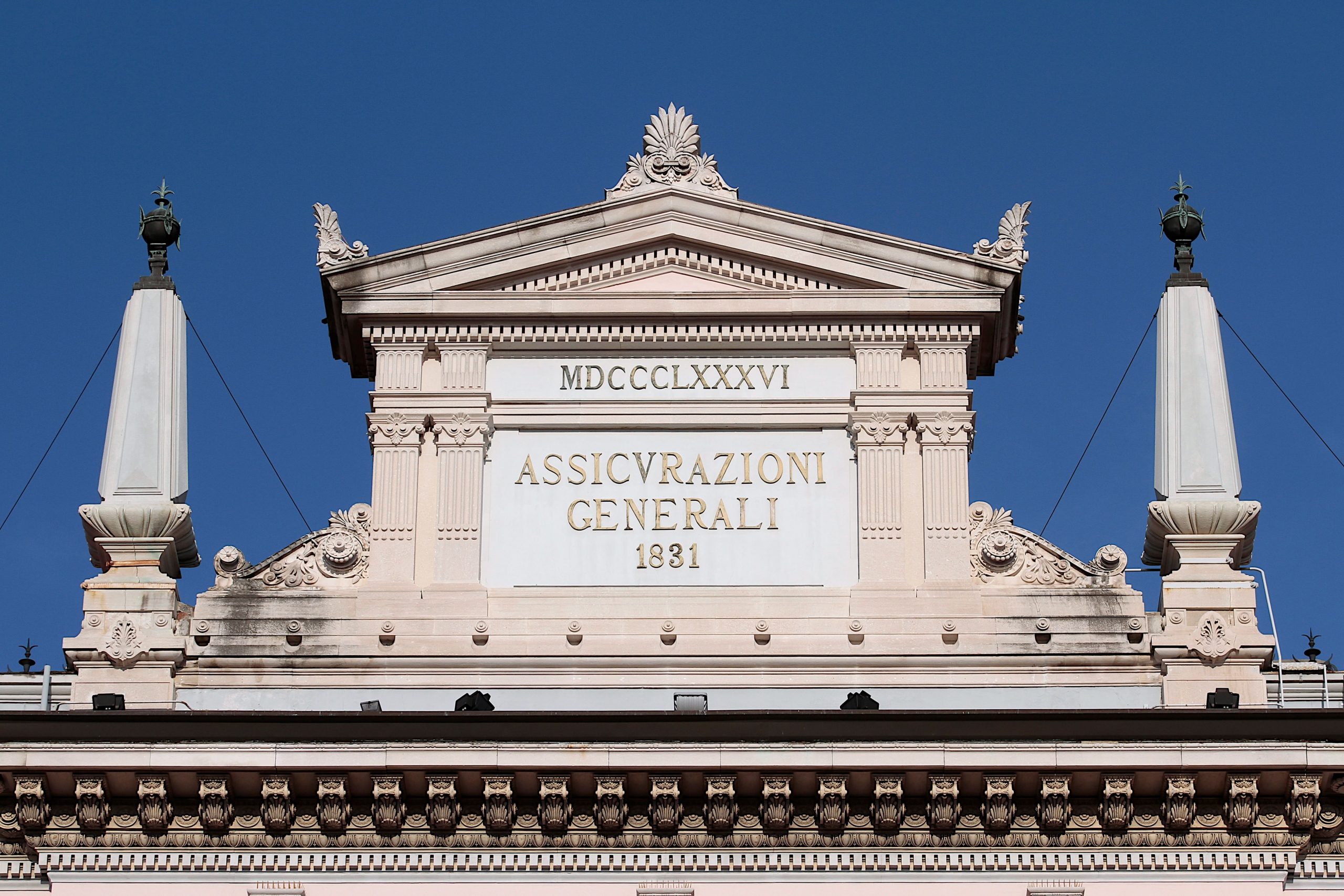
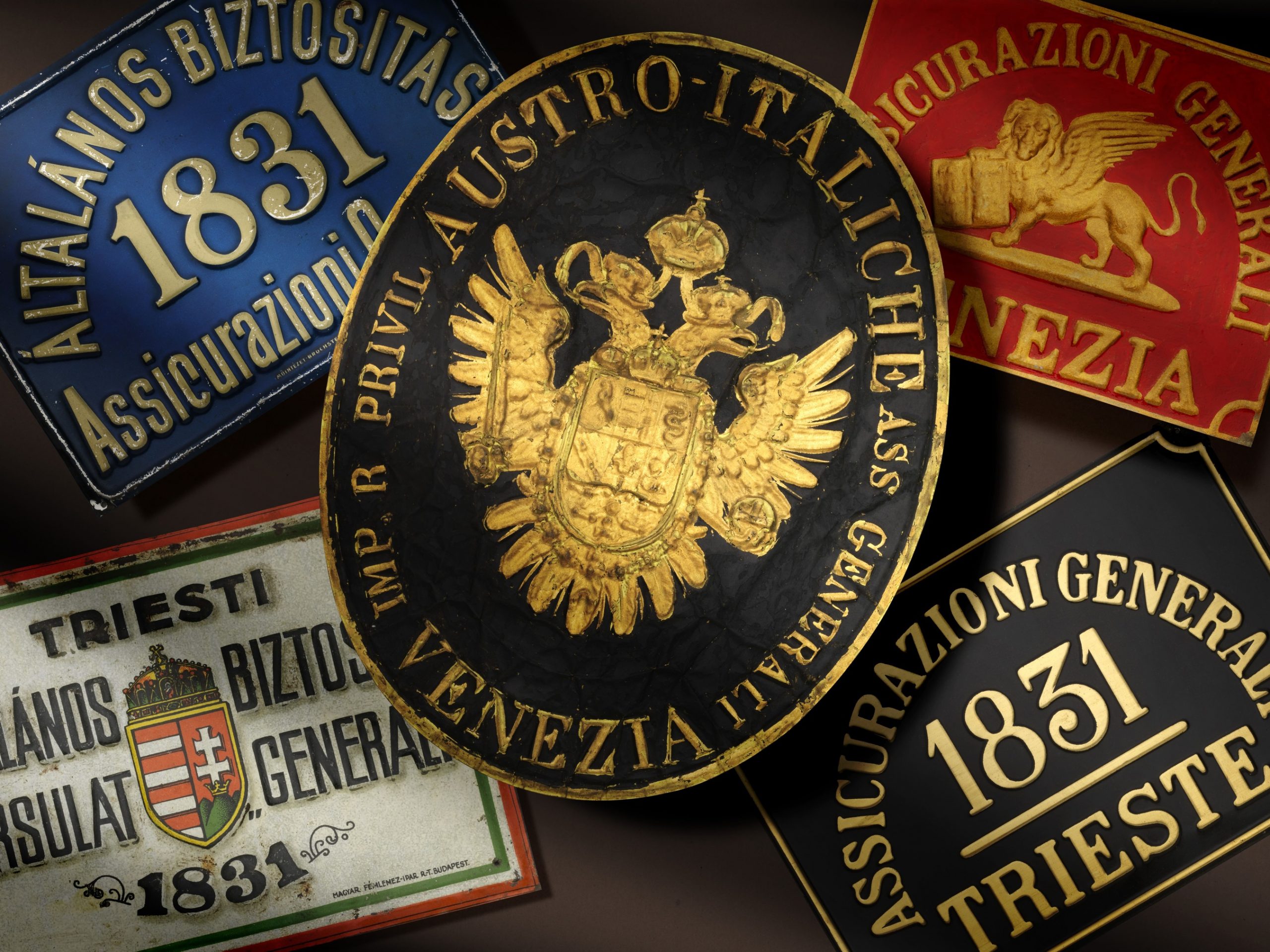
It was precisely because Trieste served as a commercial hub of the Habsburg Empire that Generali was founded here in 1831. Its name reflects the company’s comprehensive activity with all branches of insurance: fire, accidents, transport, life, and hail. With broad financial, operational, and geographical ambitions, Generali quickly became integral to the city’s economic and geopolitical landscape. The founders included owners of trading houses and entrepreneurs active not only in Trieste and the Empire, but also in Italy. The Central European context facilitated rapid expansion across Europe and beyond. By the late 19th century, the company had developed into an early example of a ‘group’ –then an uncommon concept – with subsidiaries and affiliated companies spread across Italy, Central Europe, and eventually all continents. This long and prolific history has left an enduring cultural and artistic legacy of immense value. Comprising paintings, sculptures, and historic buildings, it reflects Generali’s ongoing investment in culture throughout its centuries-old insurance activity.
Palazzo Geiringer and the Art Collection
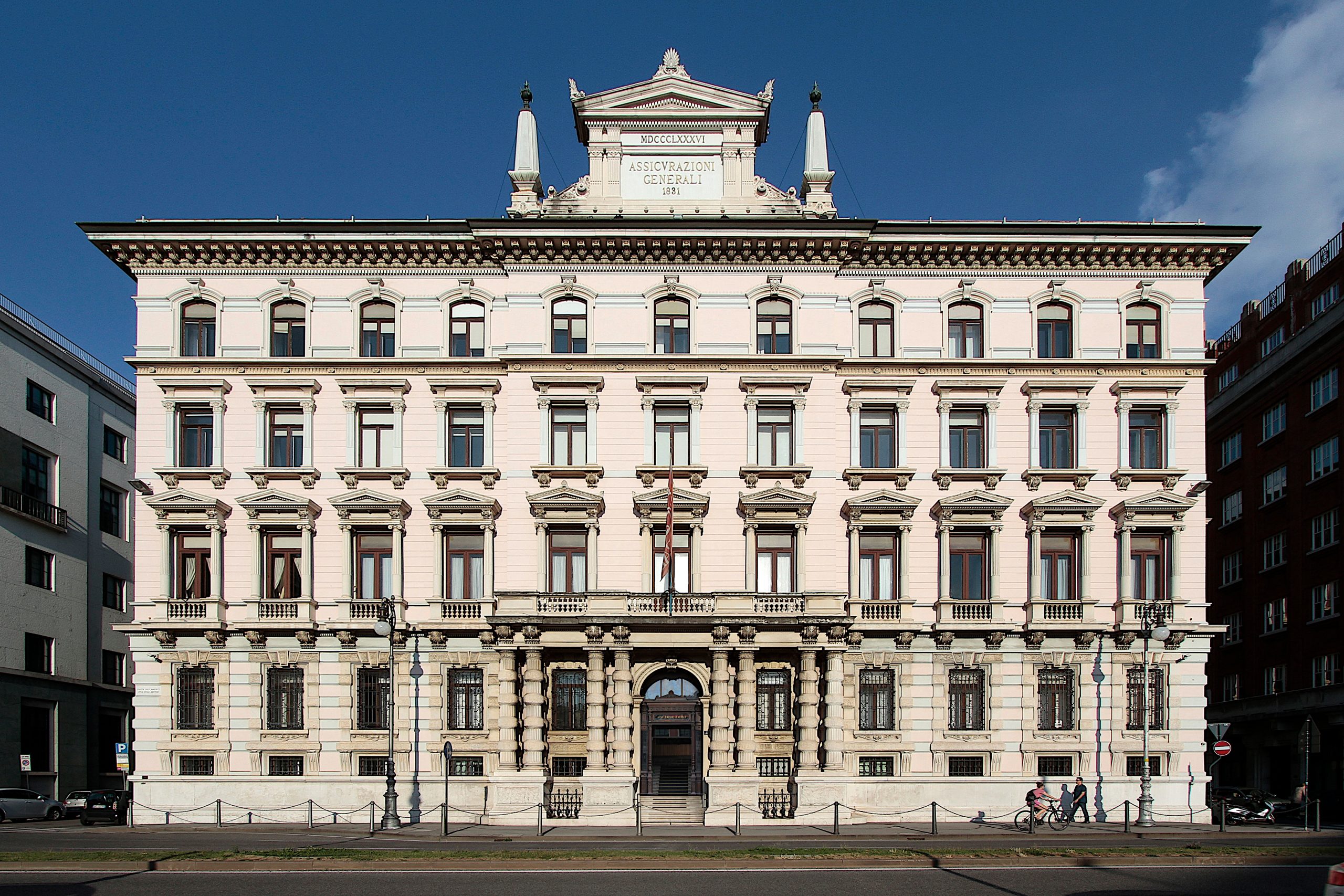
The historic headquarters in the Borgo Teresiano is Palazzo Geiringer, named after its architect and purpose-built between 1884 and 1886 to house the central management offices. The building blends Renaissance and neo-Hellenistic elements in an eclectic synthesis characteristic of the late 19th century.
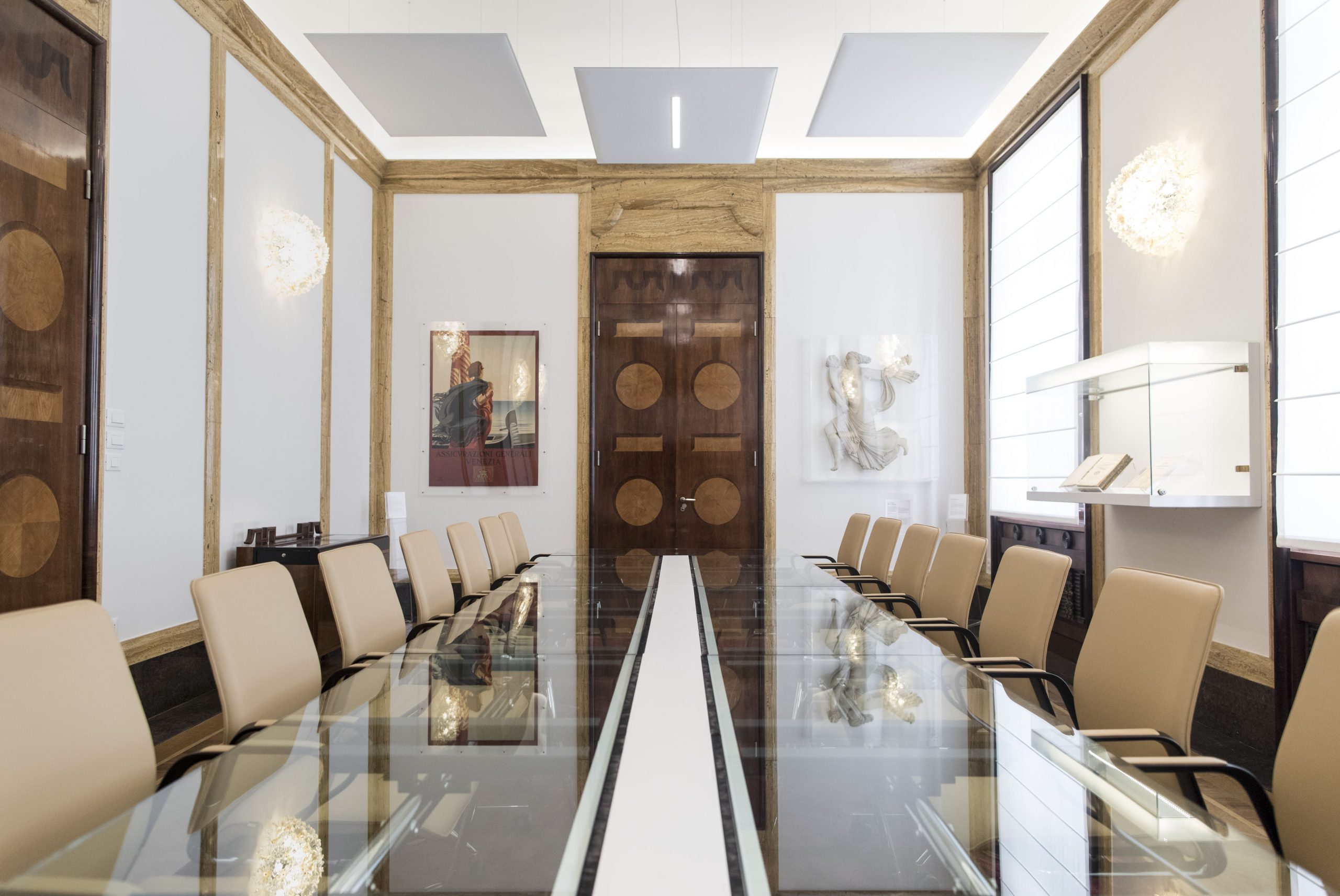
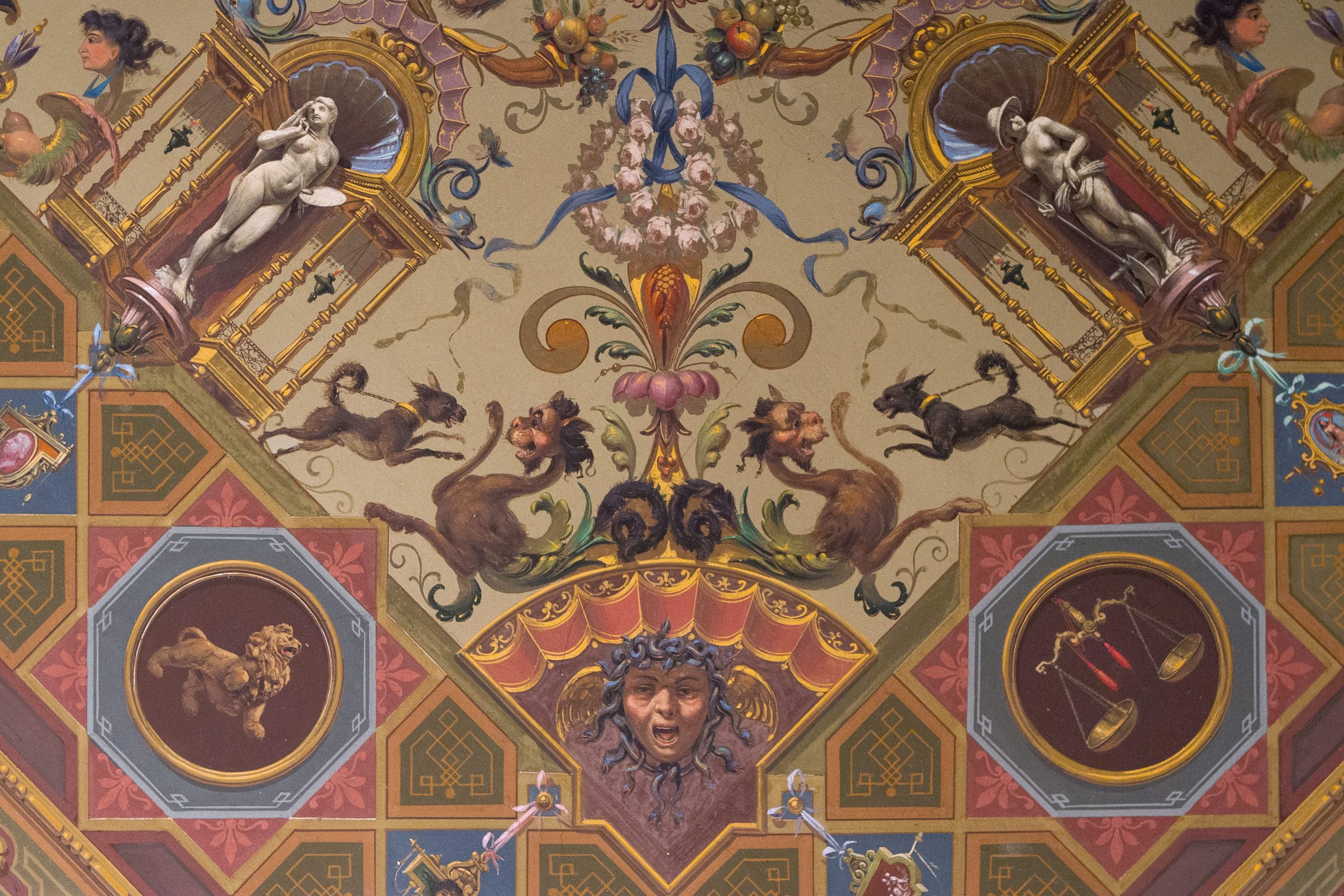
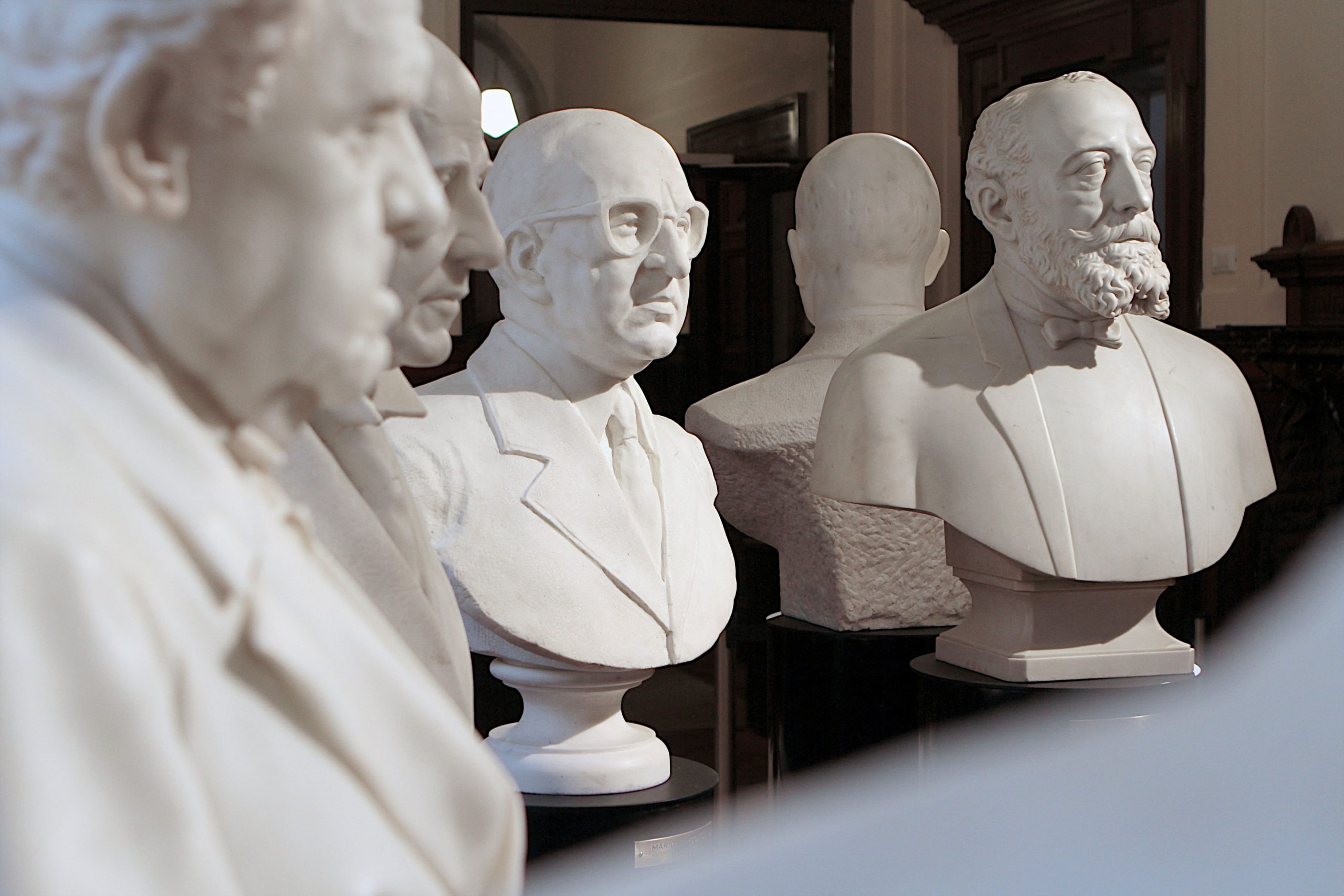
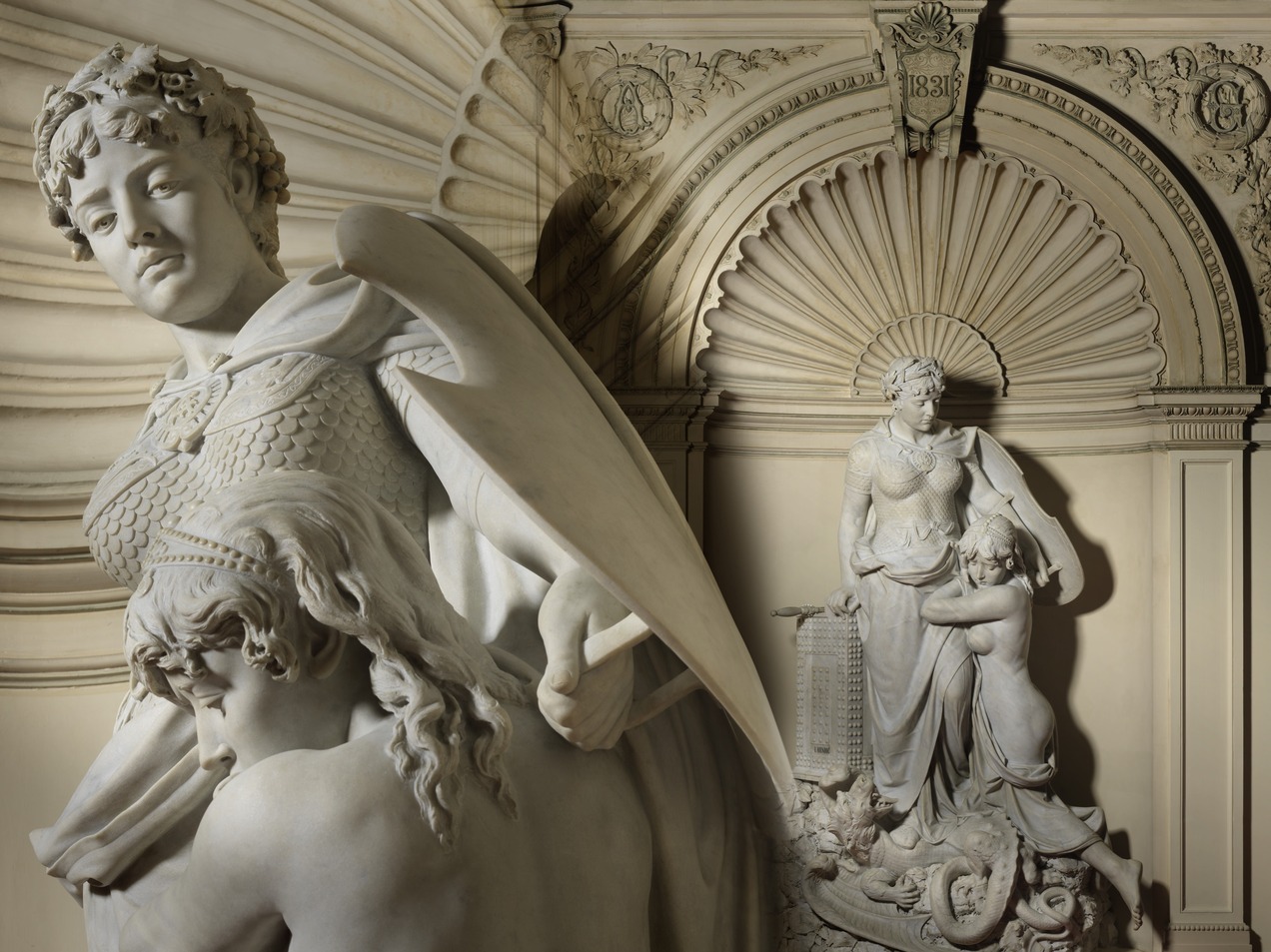
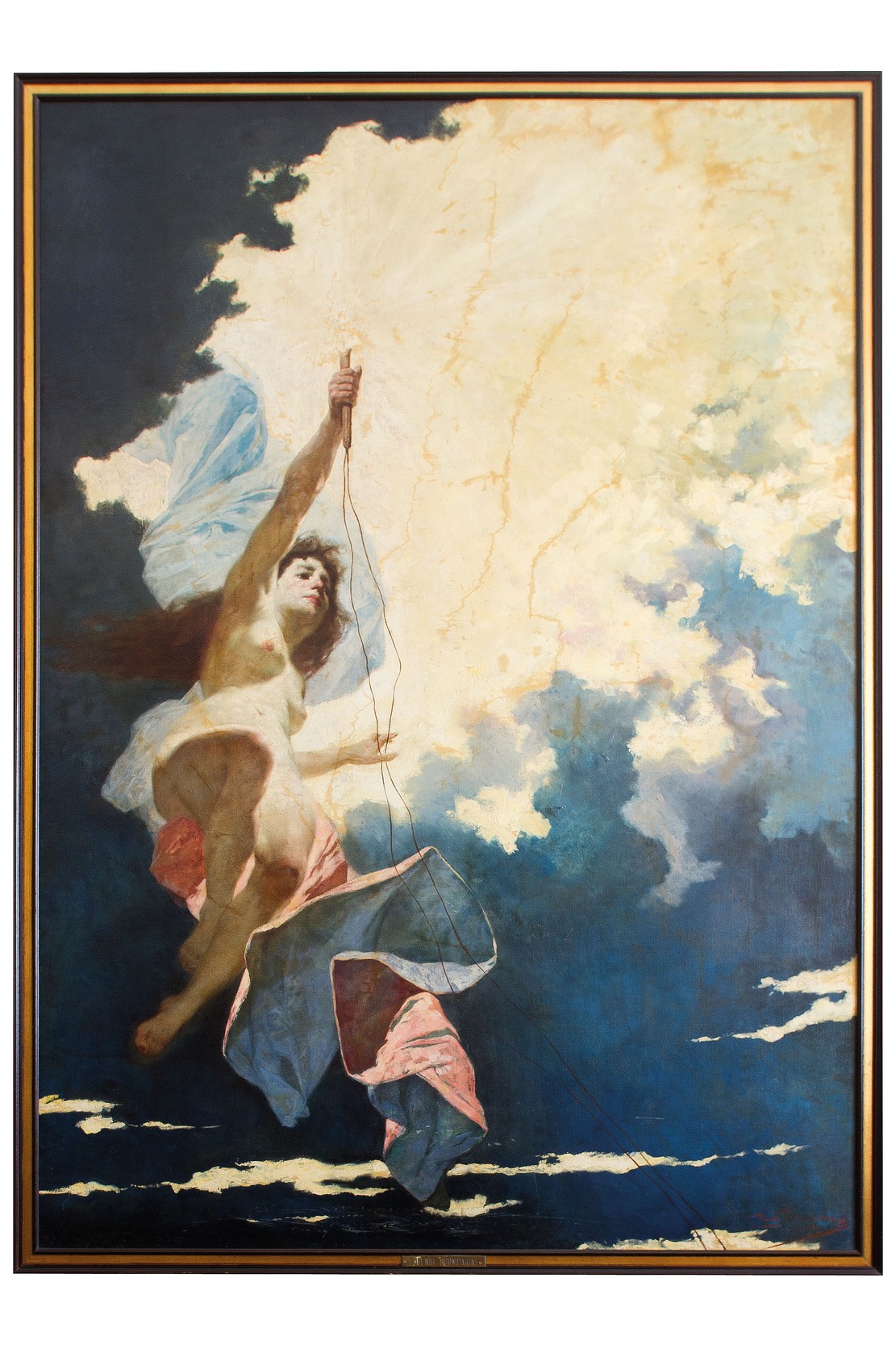
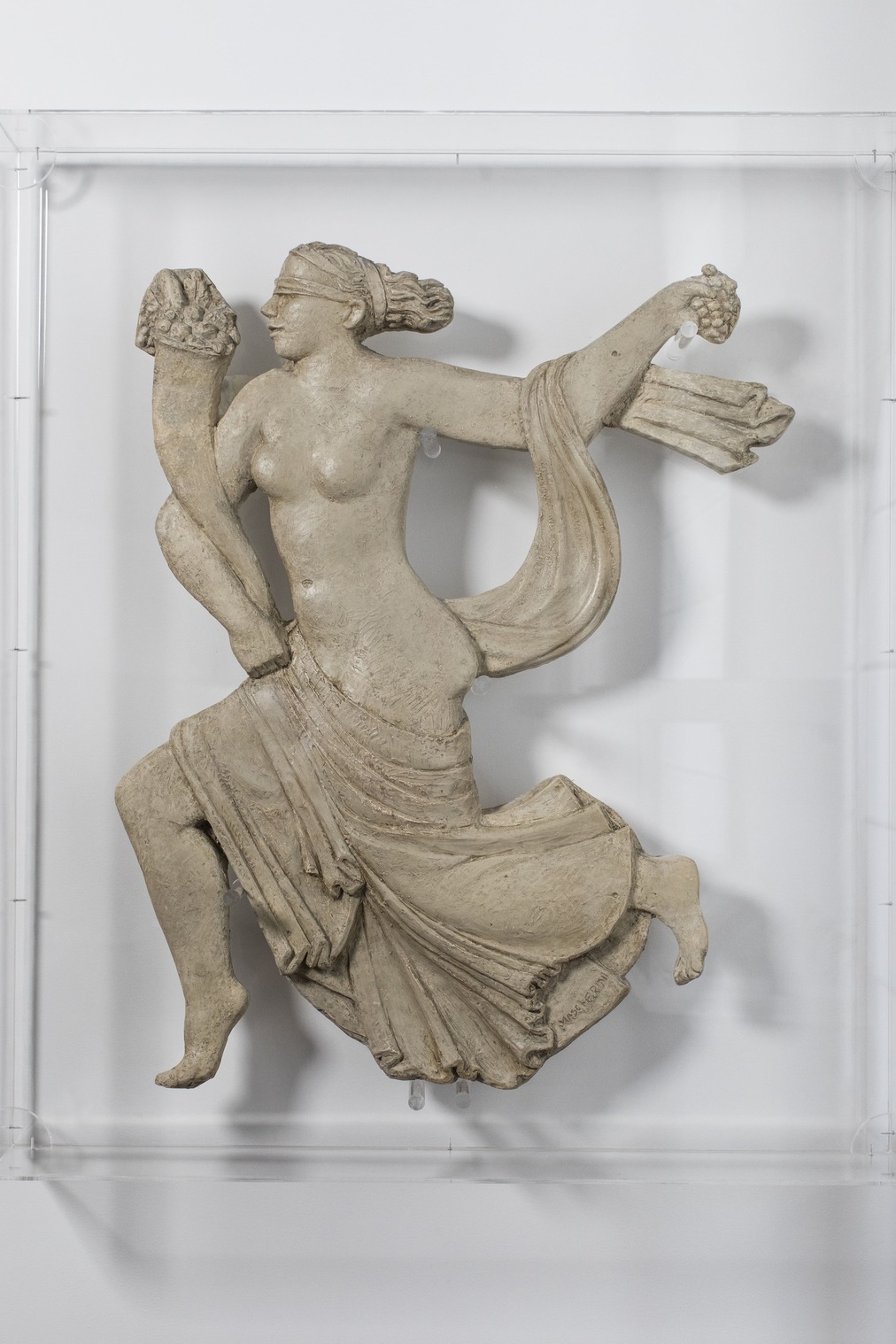
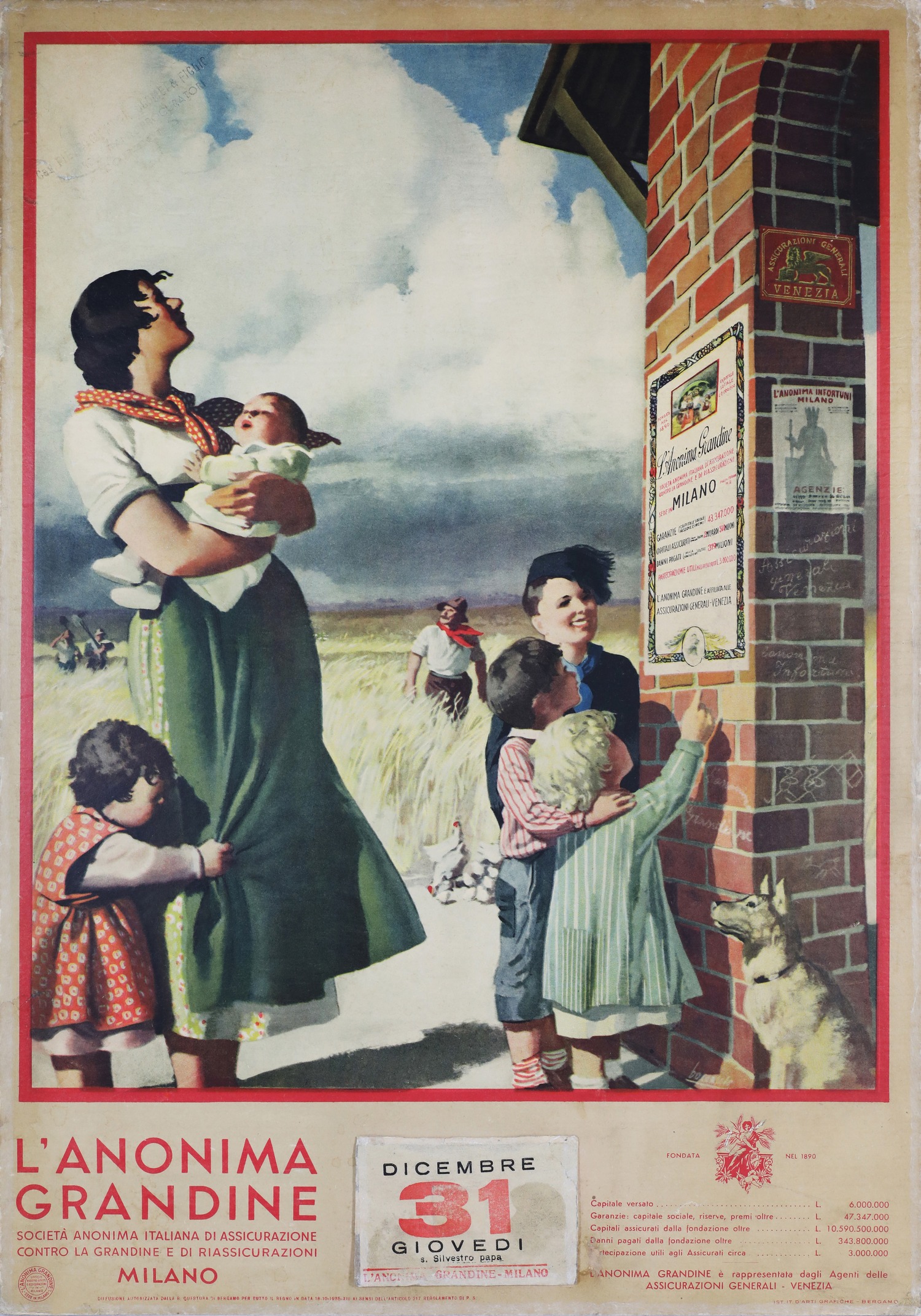
Inside are limestone decorations in an eclectic Viennese style, and on the main floor, historically significant rooms exhibit works from Generali’s cultural heritage. These include posters and advertisements by artists such as Marcello Dudovich, Gino Boccasile, and Achille Beltrame. The president’s room, decorated by a young Carlo Bonanni in a Raphaelesque style, is a highlight, along with the marble busts of former presidents and the assembly hall. The latter features a large coffered glass ceiling adorned with finely decorated crystal plates and a sculptural group created in 1888 by Ivan Rendić, representing the allegory of Providence. The art collection reflects a strong connection to the region and the artistic movements of the 20th century, particularly Italian art. It includes works by local painters such as Eugenio Scomparini, Arturo Rietti, Gino Parin, Livio Rosignano, Nicola Sponza, Giovanni Zangrando, and Carlo Sbisà, as well as sculptures by Ugo Carà and Marcello Mascherini.
Palazzo Berlam e l’Archivio storico
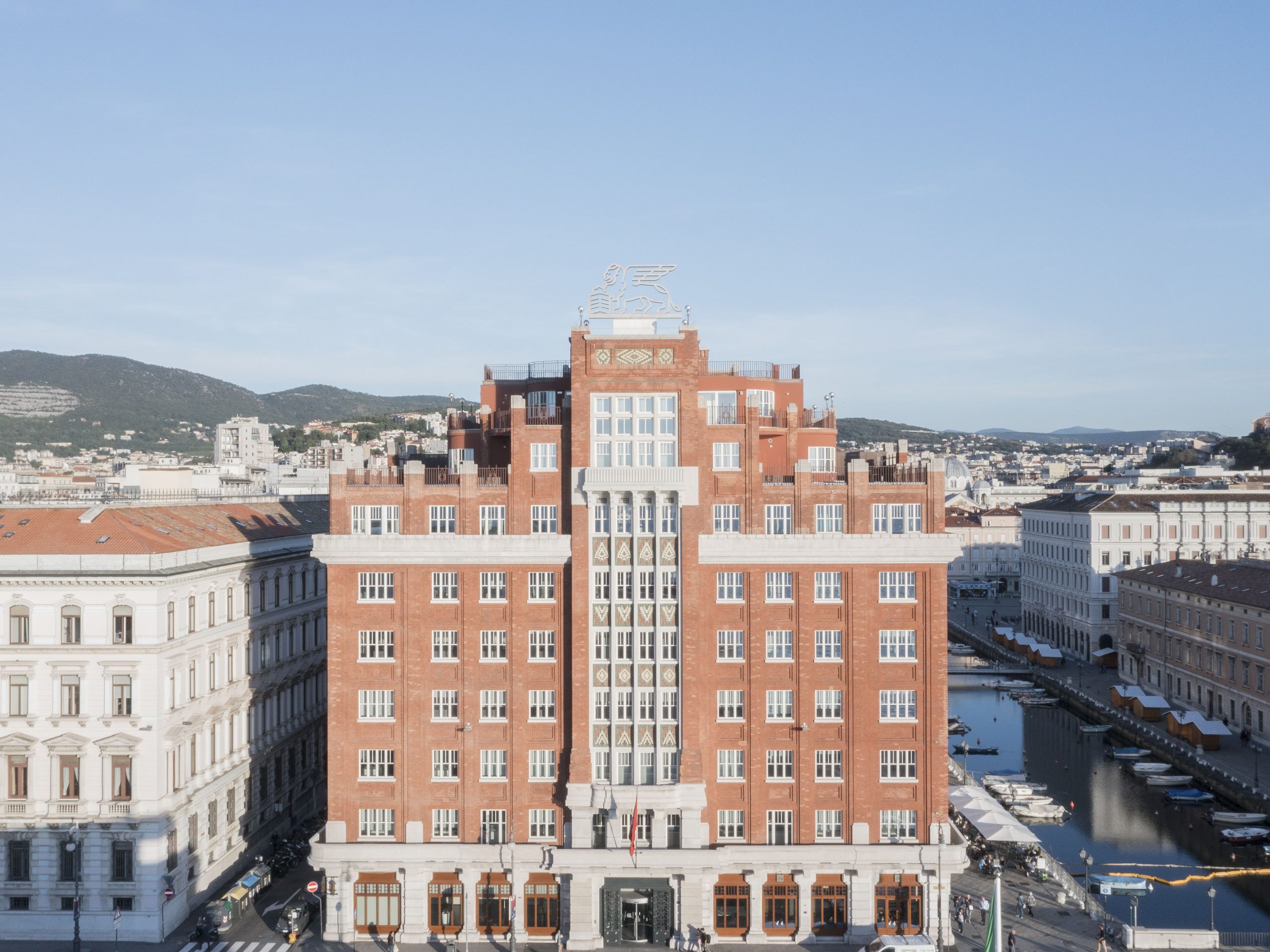
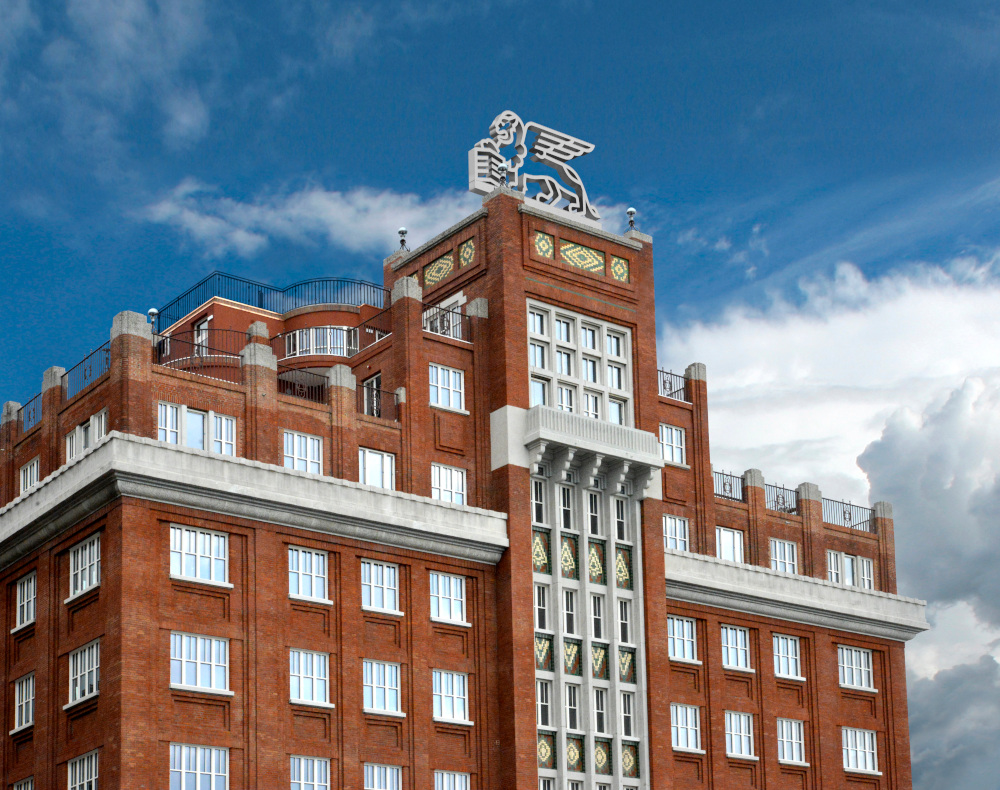
The Historical Archive is housed in the iconic Palazzo Berlam, also known as the Red Skyscraper, one of the most striking buildings of 20th-century Trieste. Located in Piazza Luigi Amedeo Duca degli Abruzzi, where the Grand Canal meets the waterfront, the building was designed by the Trieste-born architect, Arduino Berlam, and constructed between 1926 and 1928. Acquired by Generali in 1932, its design was inspired by the red-brick skyscrapers of New York and the artistic avant-garde movements of the time, such as the Wiener Secession and Nordic Expressionism, making it a prime example of modernist architecture in Trieste.
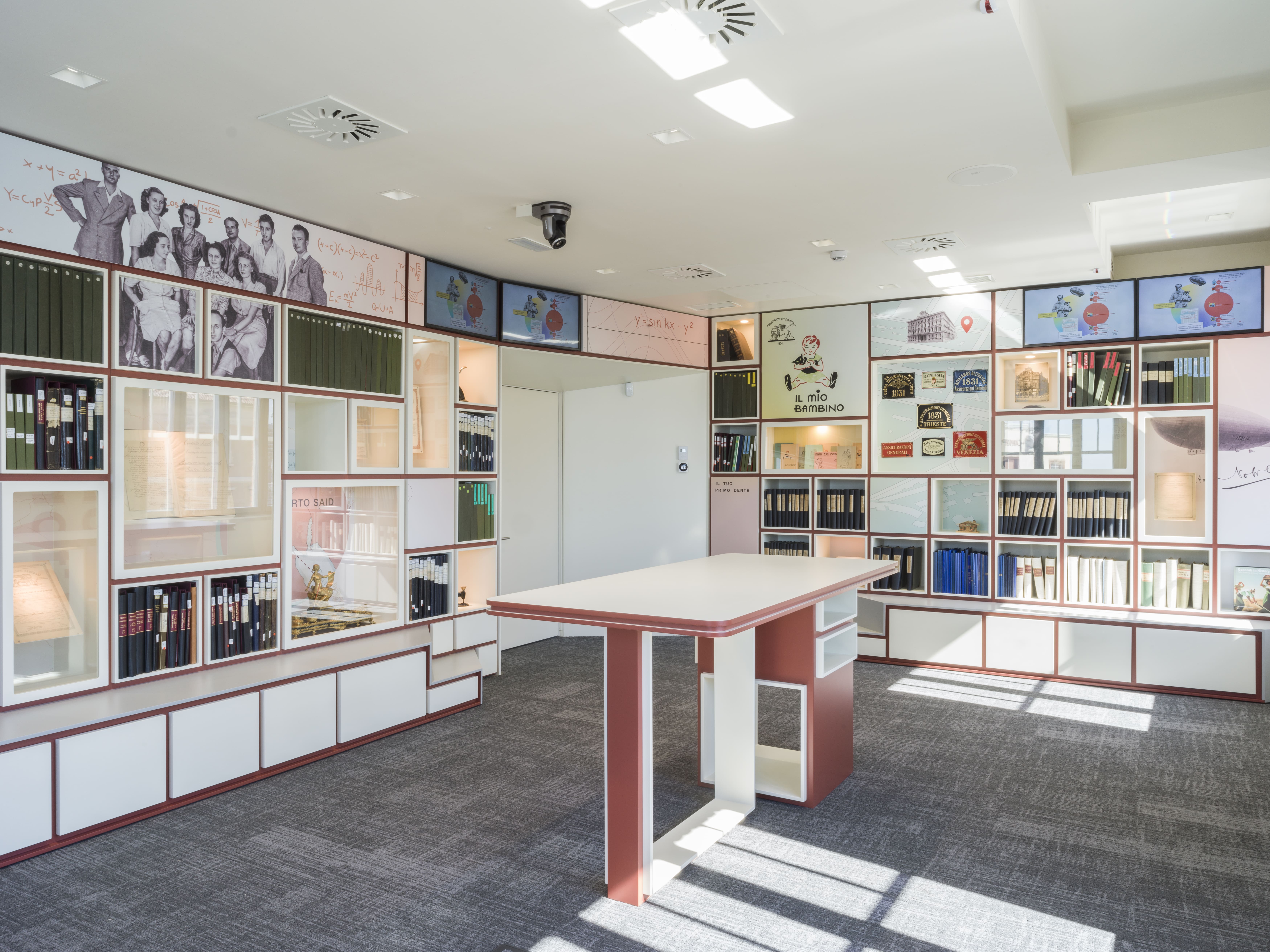
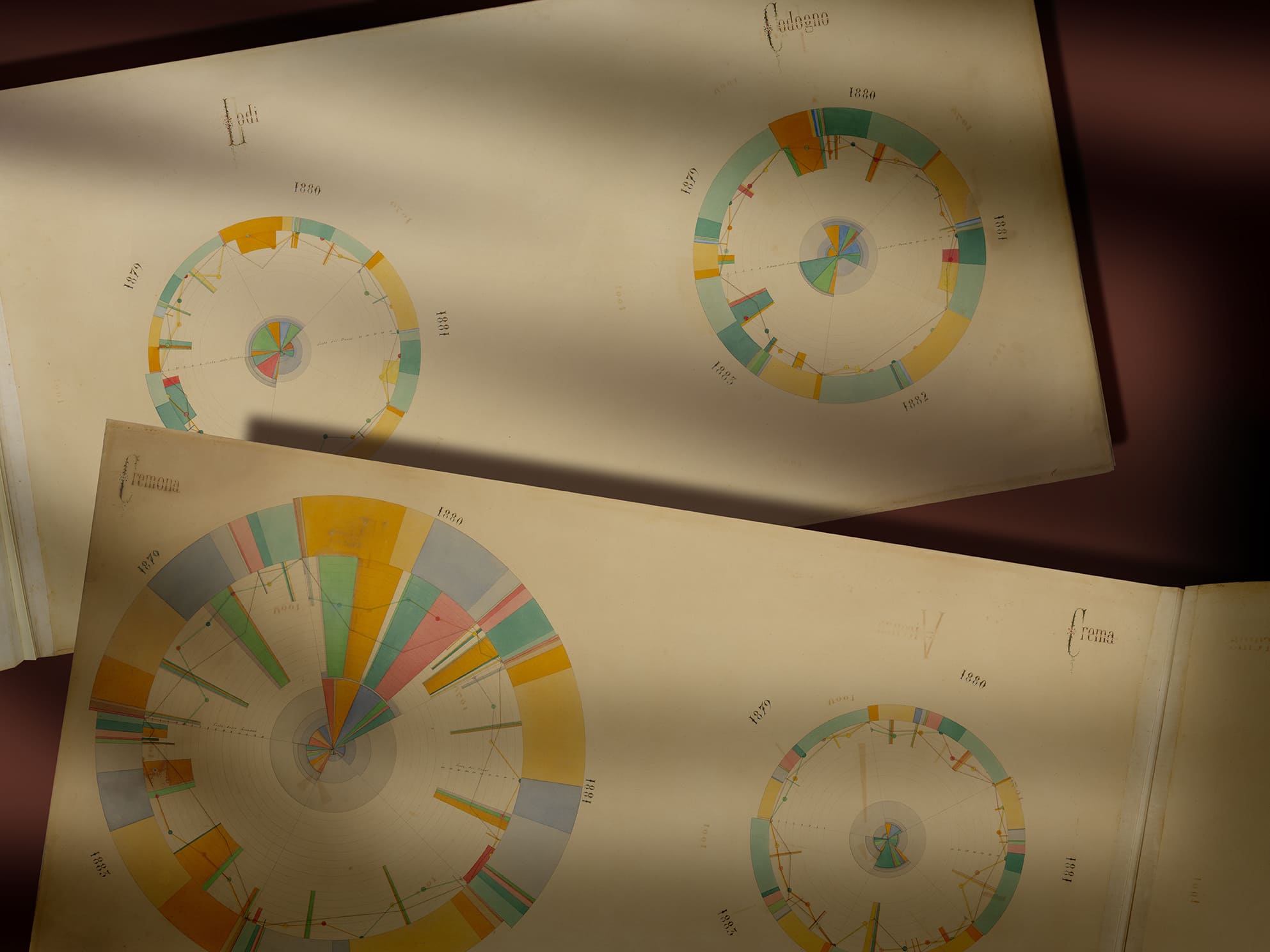
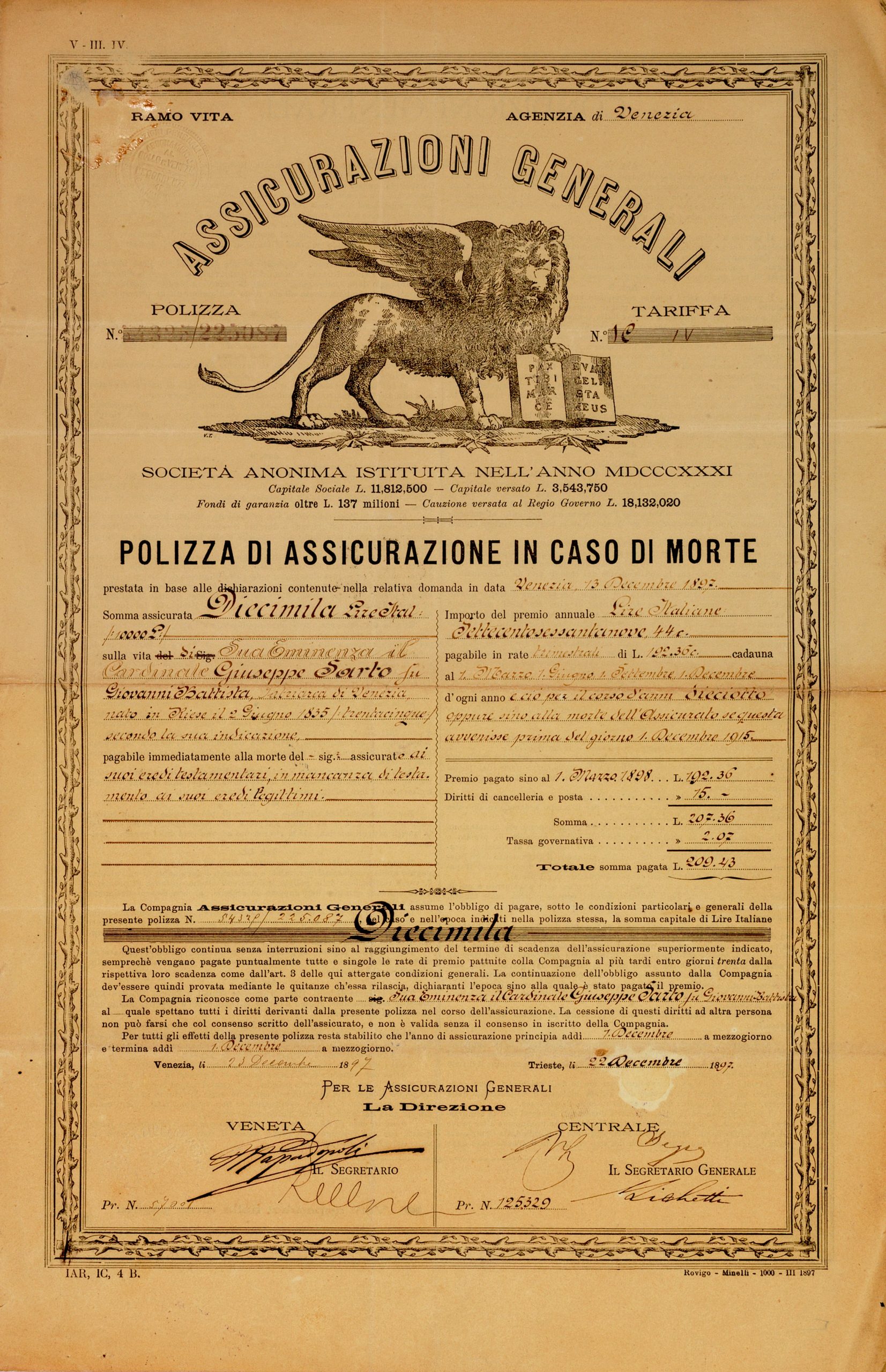
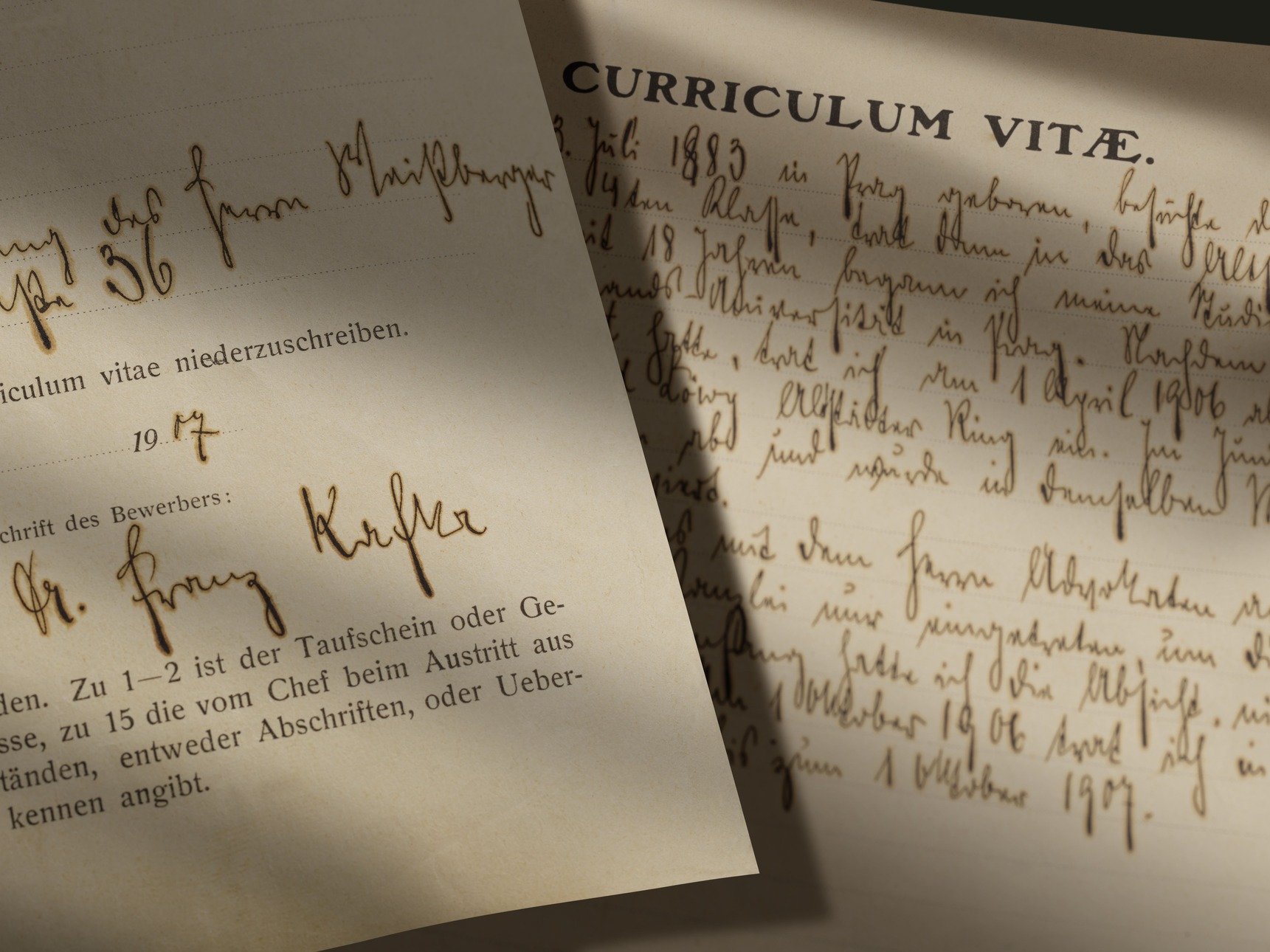
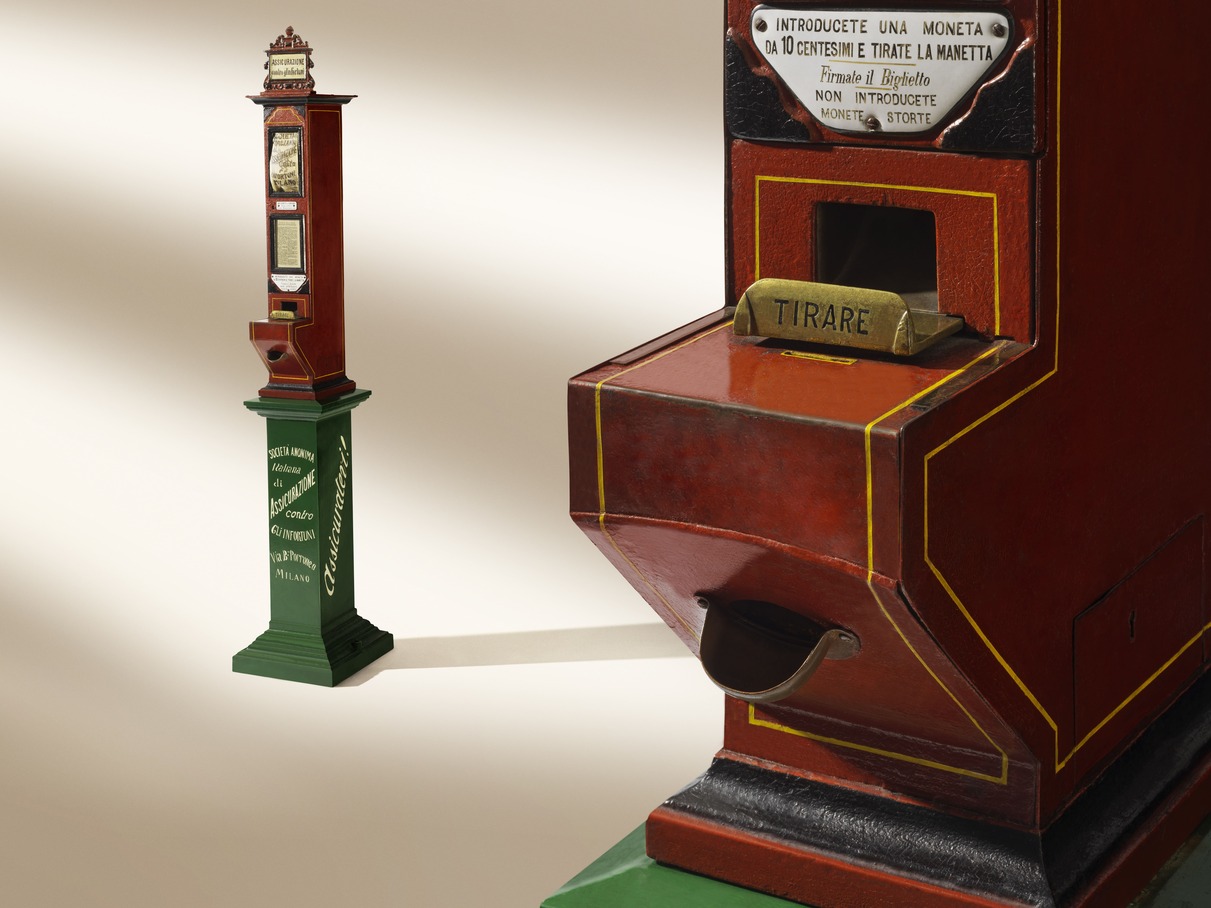
The archive safeguards and showcases documentation produced by Generali’s Central Management in Trieste since its foundation. It includes pioneering 19th-century infographics on hailstorms in Italy, policies issued by Popes Pius X and John XXIII, and Charles I of Habsburg, as well as photo albums, illustrated records of participation in world fairs, and jubilee diplomas celebrating company anniversaries. It also houses writings by Franz Kafka, an employee in the Prague offices, documents related to the opening of the Suez Canal, insurance for Umberto Nobile’s historic North Pole expedition, and even records on space insurance. These threads, woven from every corner of the world and across the fabric of history, converge on the Upper Adriatic, in Trieste.
In collaboration with