One of the largest agricultural estates in Italy, a historical archive, and three WWF-protected oases
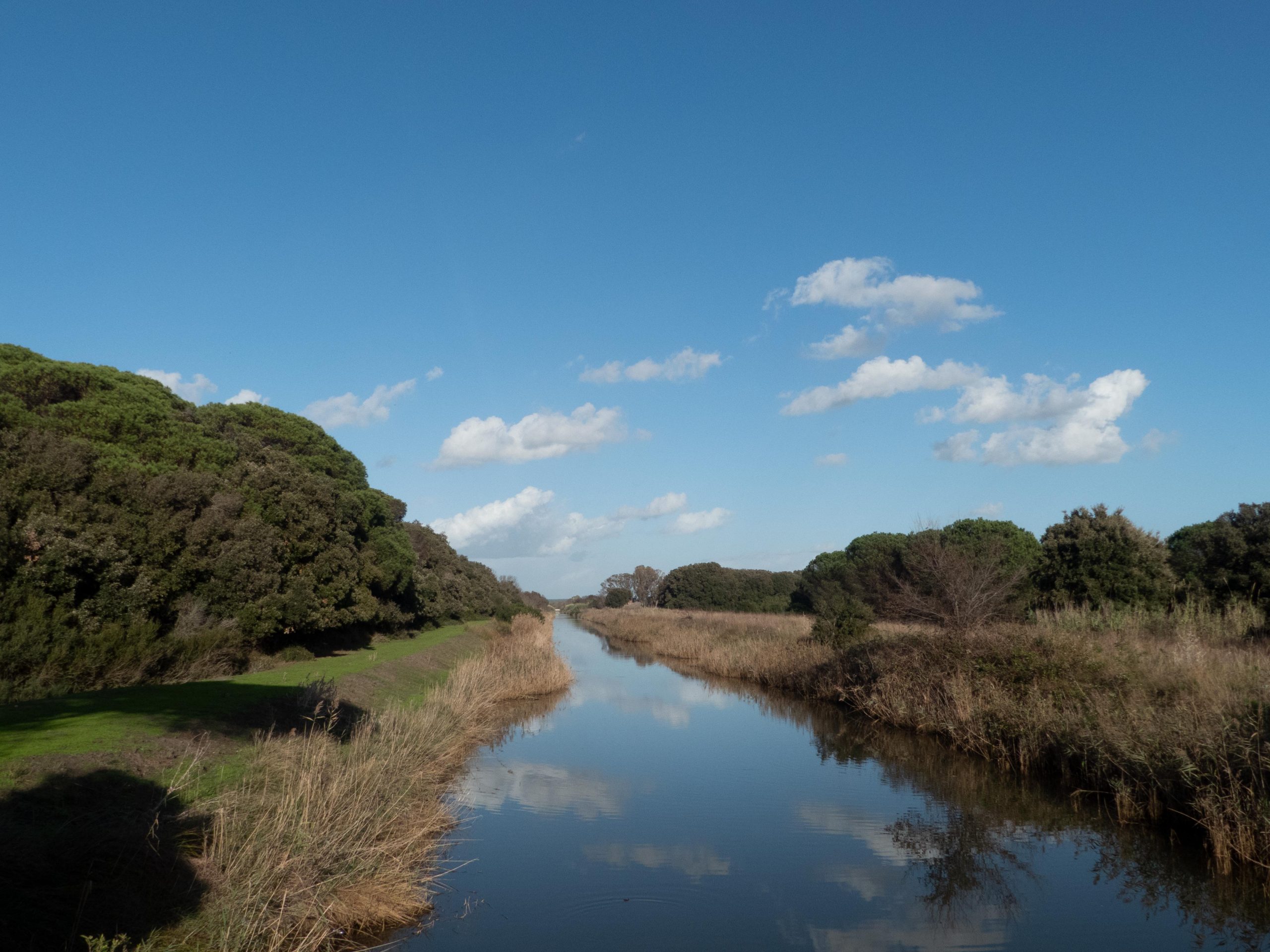
Leaving behind Rome, with its undeniable beauty, monumental masterpieces of art and architecture, as well as its traffic and crowds of tourists, the road leads toward the coast, sea, beaches, and tranquillity of the Roman coastline, which boasts a natural heritage protected by the Litorale Romano State Nature Reserve. The reserve occupies 15,900 hectares, extending from the marina of Palidoro in the north to the beach of Capocotta in the south. It spans many kilometres of Mediterranean scrub, wetlands, dunes, and woods, as well as important historical and archaeological sites, such as Ostia Antica, the Imperial Harbours of Claudius and Trajan, and the Necropolis of Porto on the Isola Sacra. This area has been profoundly transformed by one of the most significant land reclamations in the Lazio plains, which began in the 19th century and was completed in the 1920s. The Maccarese Agricultural Company (owned by Edizione Holding of the Benetton Group since 1998) is set within this extraordinary context. The estate covers 3,200 hectares and is overlooked by the Castle of San Giorgio and the Torre Primavera. It also includes three nature reserves managed by the WWF: the Vasche di Maccarese, Macchiagrande oasis, and the Bosco Foce dell’Arrone.
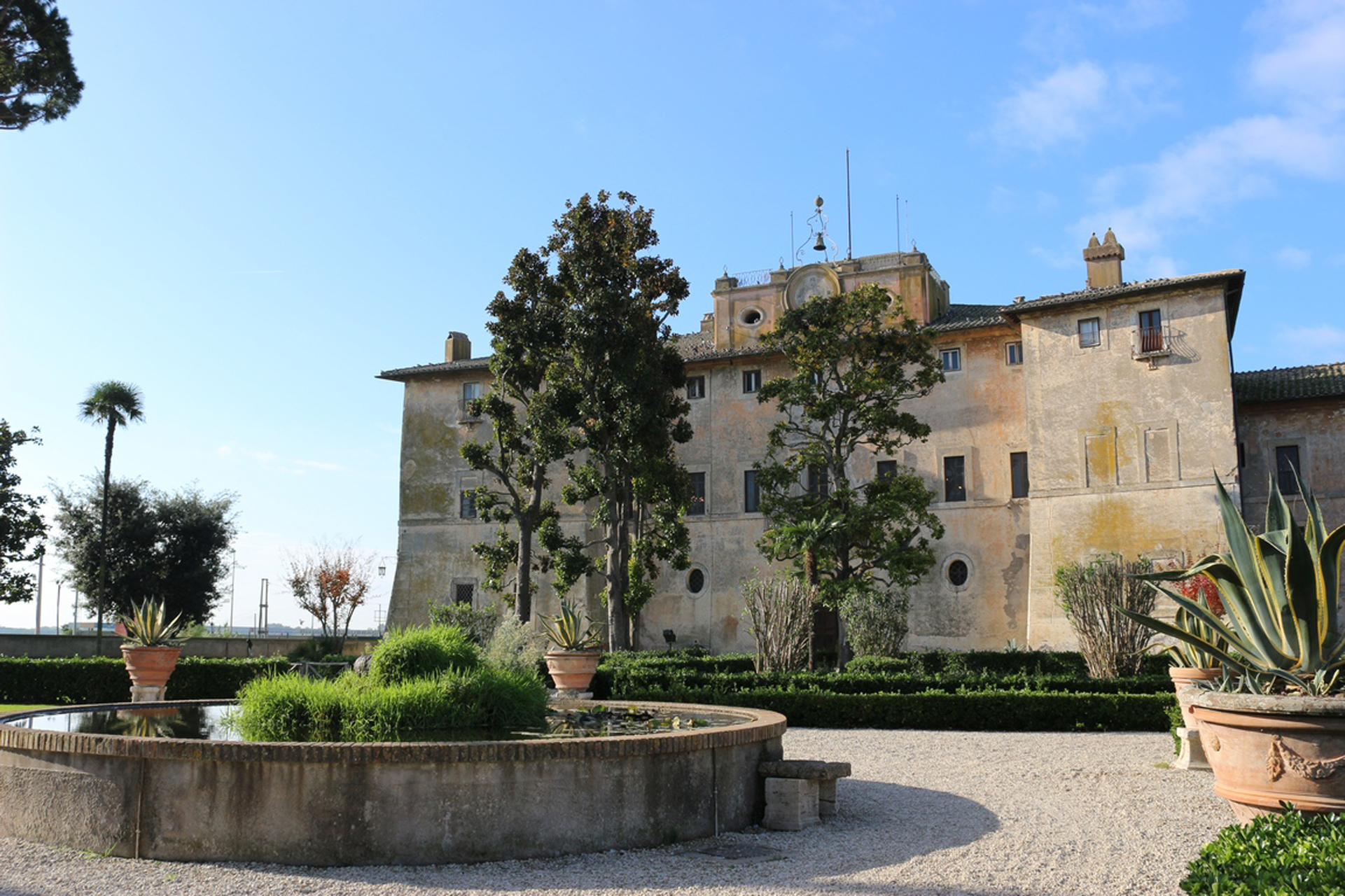
The Castle of San Giorgio and the Torre Primavera
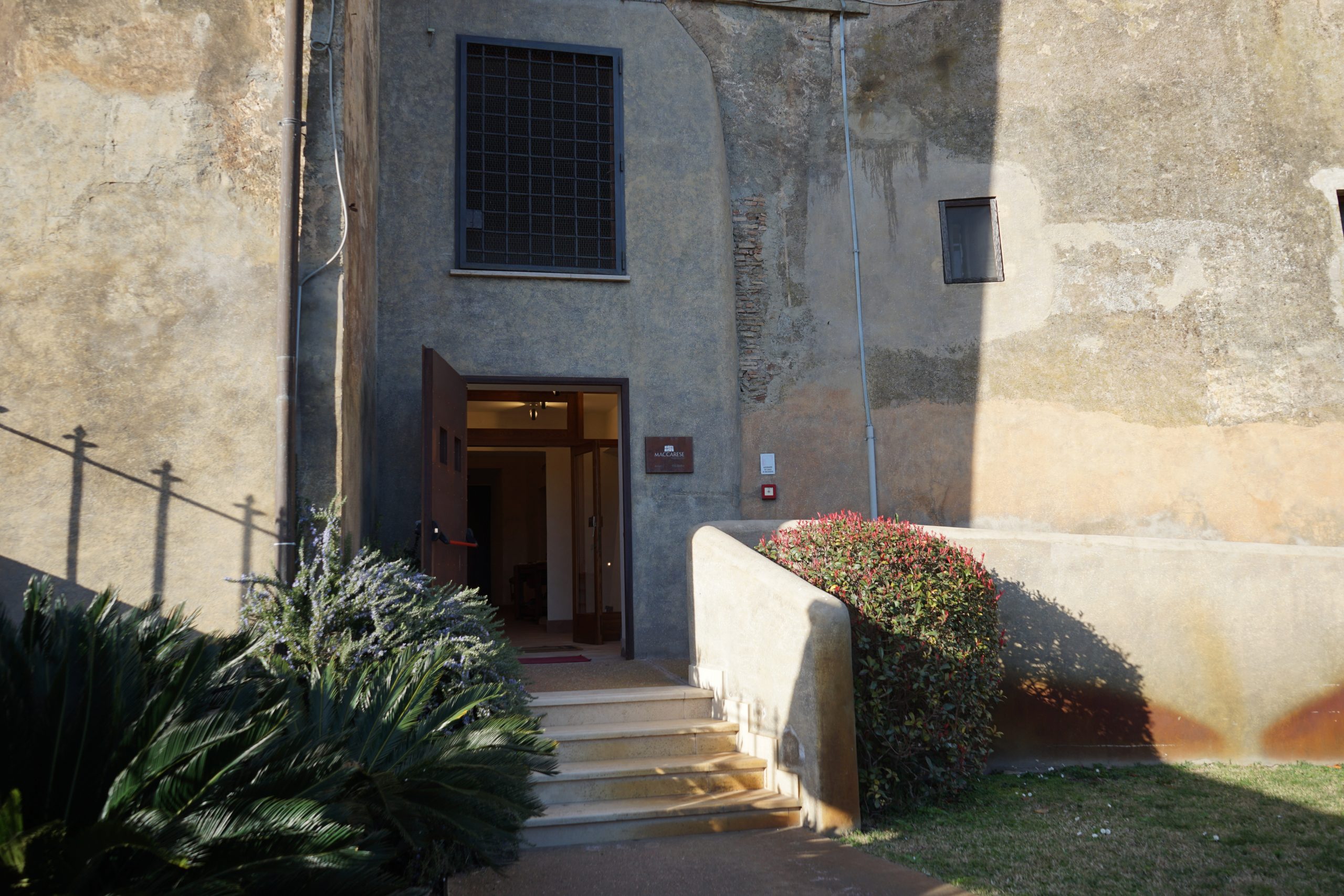
The Castle of San Giorgio was originally built as a villa in the 13th century within extensive Norman lands. It passed from the Anguillara family to the Mattei, from the Mattei to the Pallavicini, and finally to the Rospigliosi family. In 1756, Camillo Rospigliosi commissioned the reconstruction of the villa, adding a majestic spiral staircase, elegant rooms such as the Music Room, and a garden with a large fountain overlooked by the Nuns’ church.
A place that conjures up a whole host of atmospheres and emotions, the castle features halls, terraces, frescoes, and paintings – including Adrien Manglard’s landscapes – bringing to life the grandeur of 18th-century royalty. Surrounding it, one cannot help but think of those who toiled to transform the marshy lands into farmable fields. Today, the castle has become a cultural and gastronomic hub: it hosts conferences, events, and receptions, while former workshops have been converted into restaurants and bars. Closer to the sea, the Tower of Maccarese, or Primavera, served as the castle’s outpost, protecting it from Turkish or Barbary incursions. Built in the 16th century, likely on the site of a previous medieval lookout, it has a square plan and stands just under 20 metres high.
The WWF Oases: Macchiagrande, Foce dell'Arrone, and Vasche di Maccarese
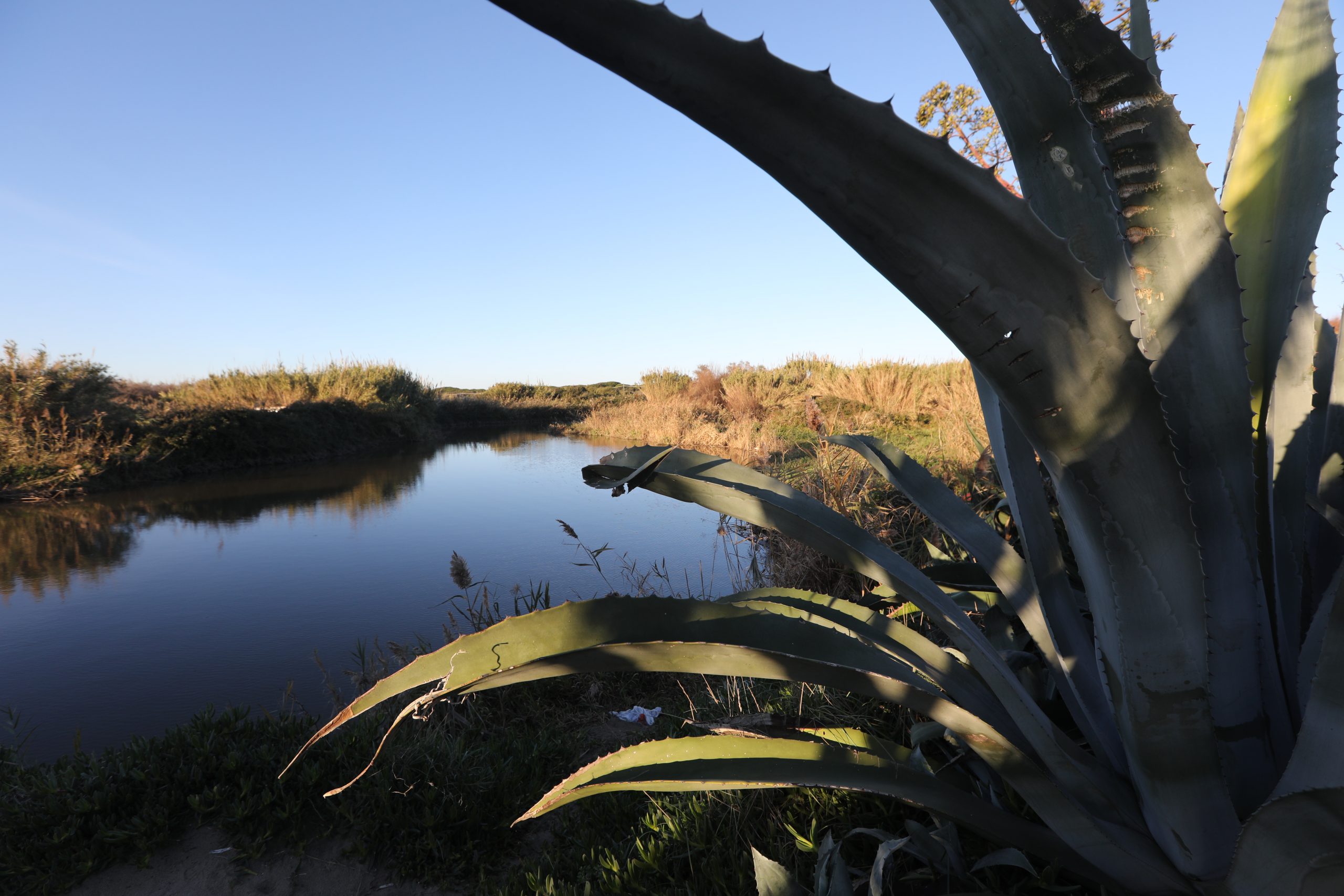
These three oases are located within the Litorale Romano State Nature Reserve and the Maccarese agricultural estate.
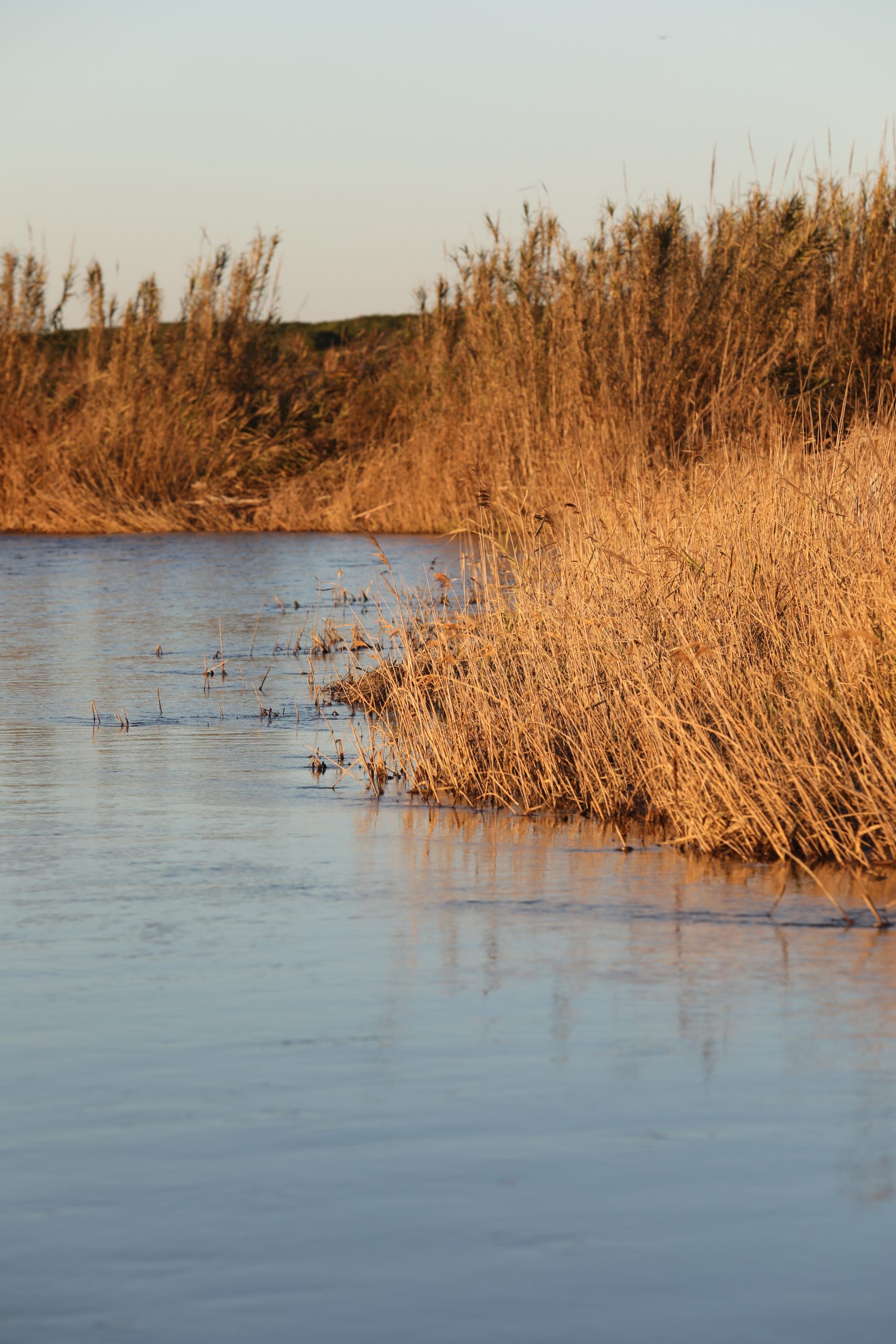
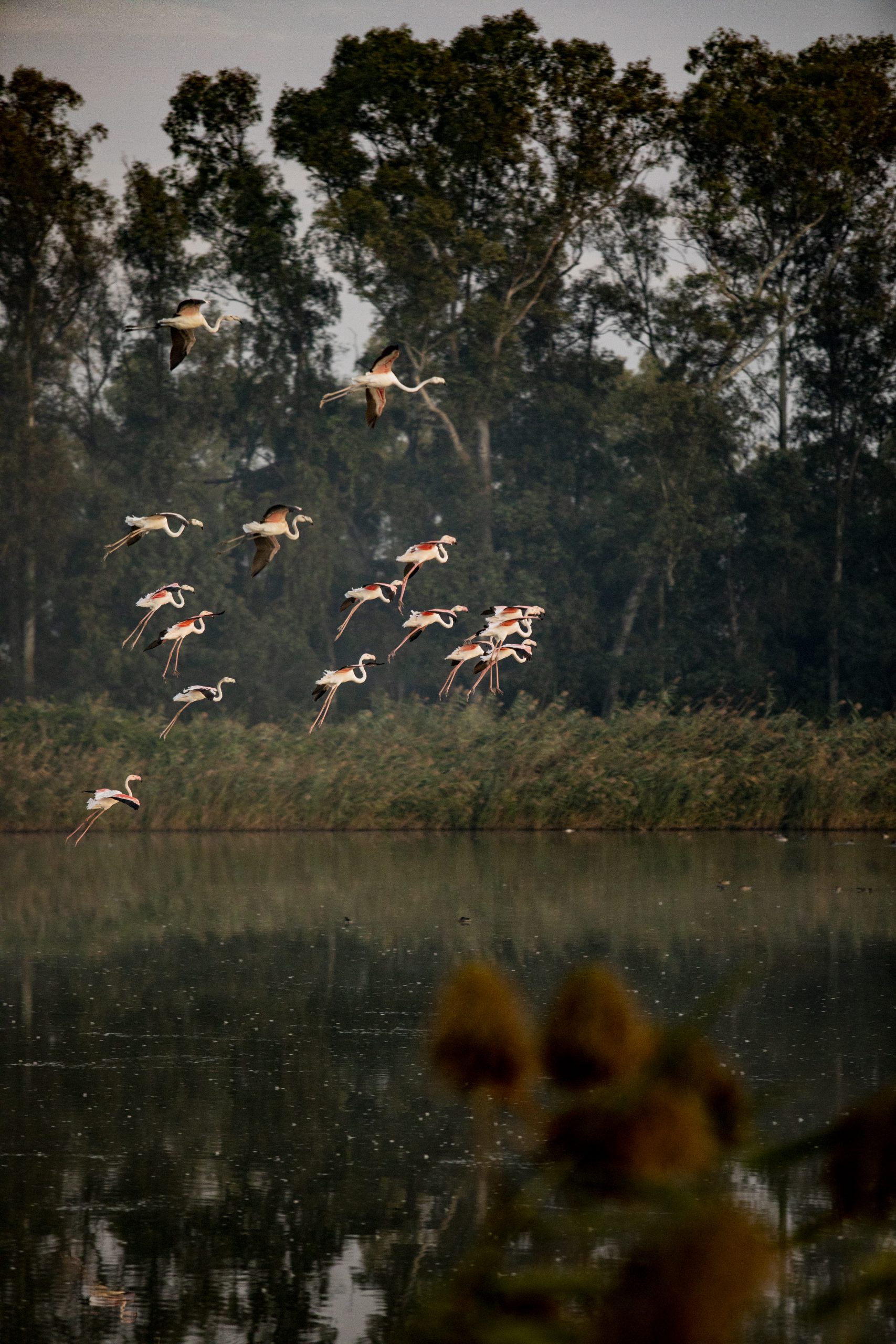
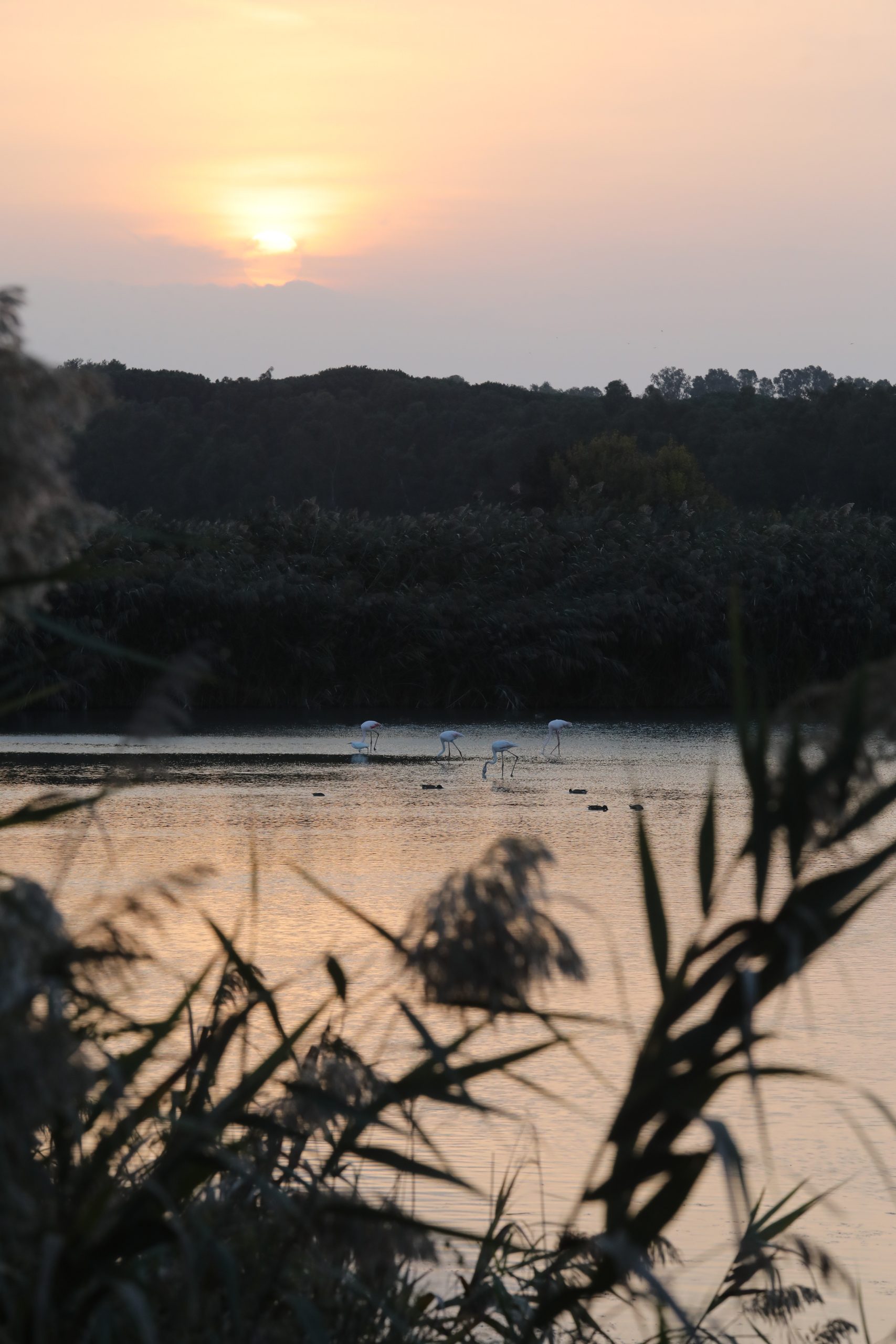
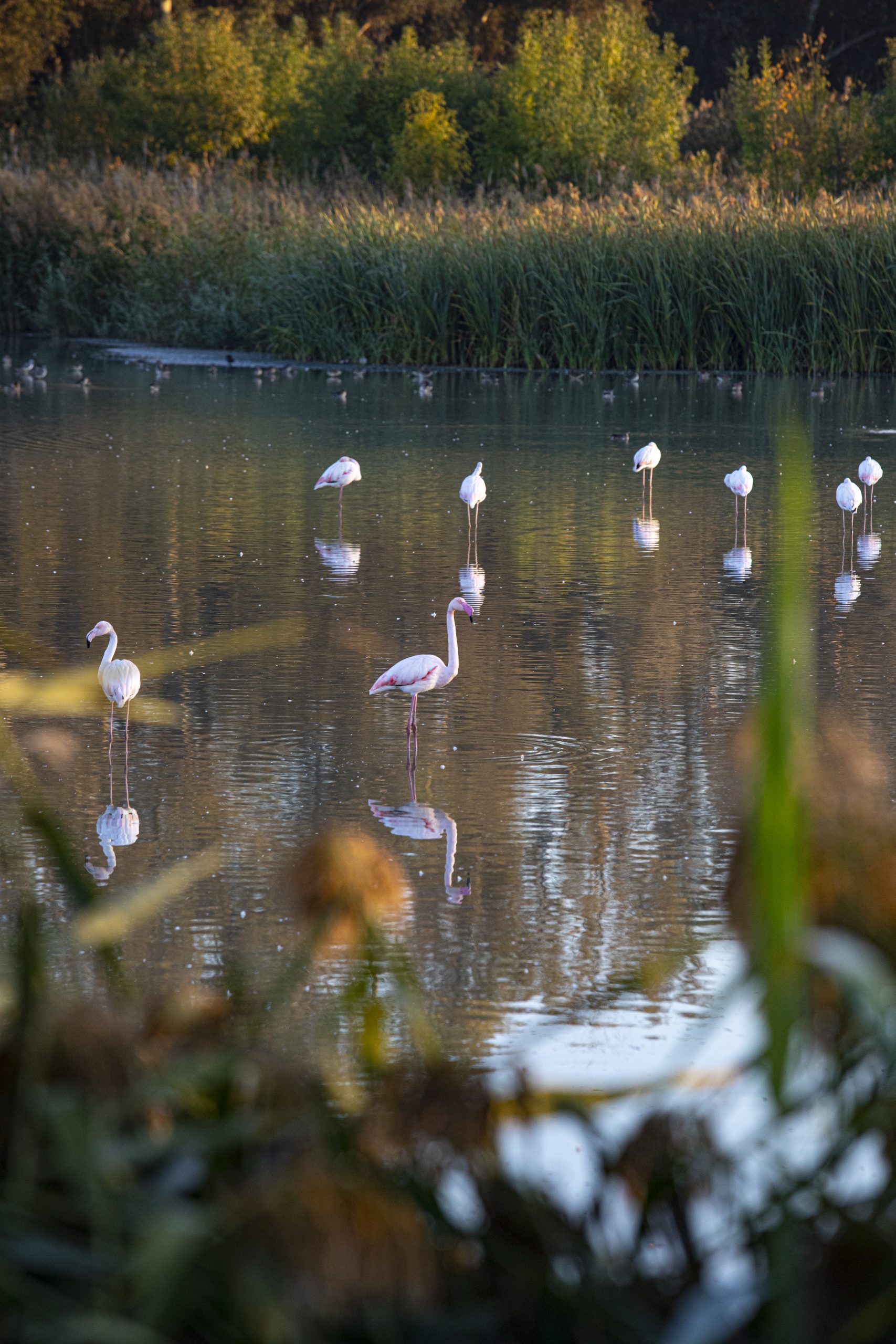
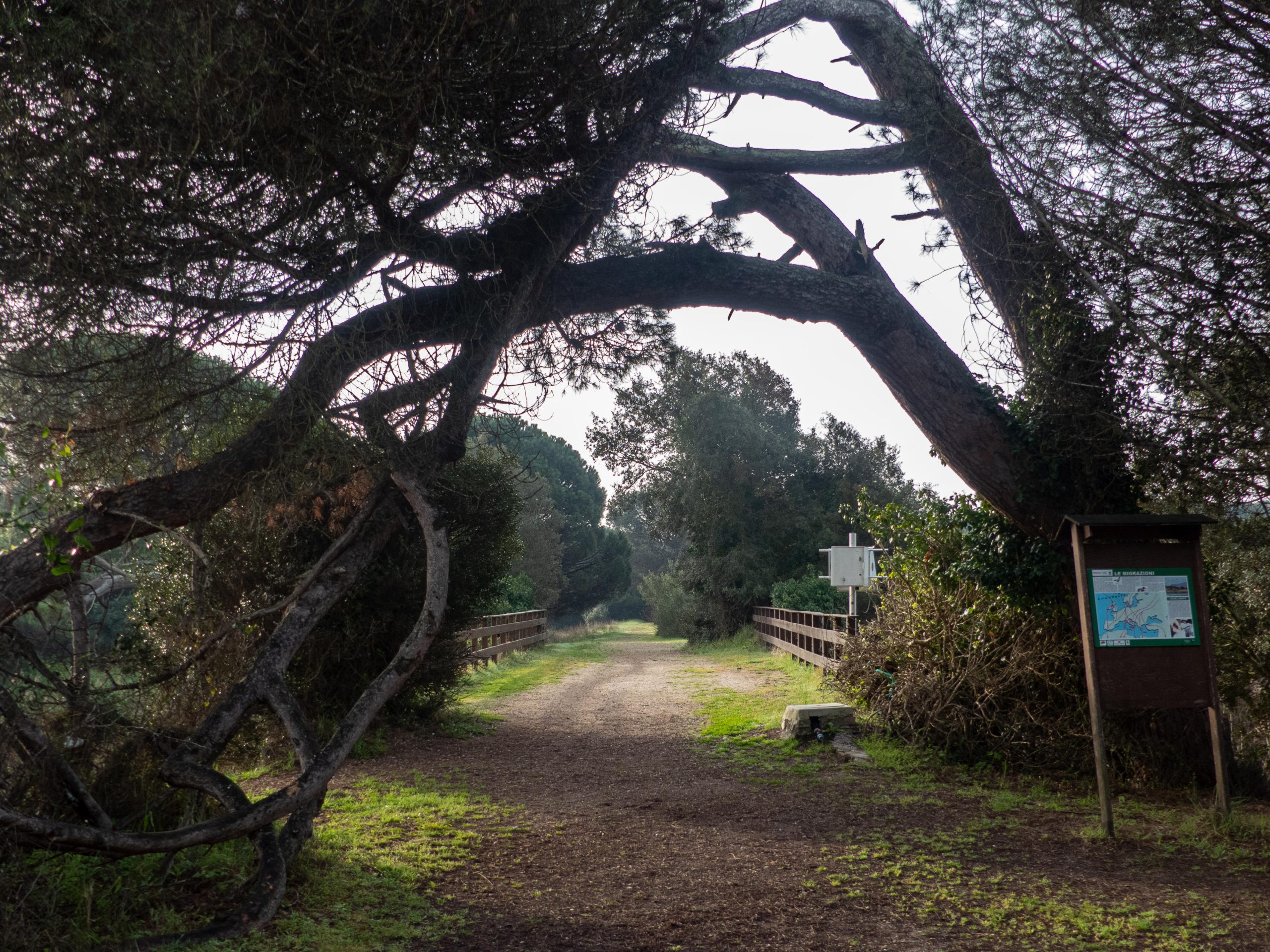
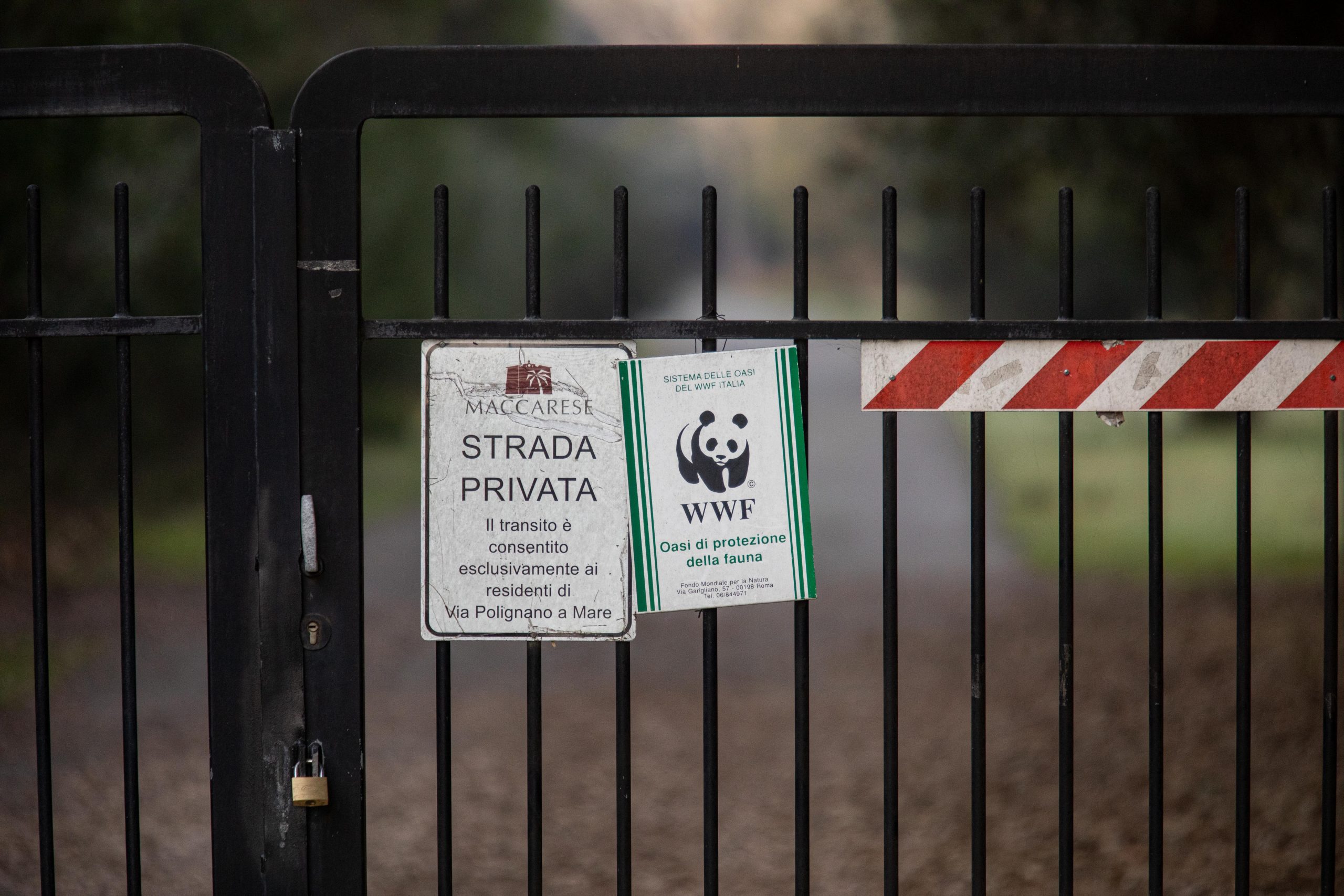
In 1986, the Maccarese Company granted the WWF over 200 hectares of holm oak forest, giving rise to the Macchiagrande oasis, which is home to fallow deer, porcupines, foxes, badgers, barn owls, tawny owls, little owls, tortoises, and numerous species of aquatic birds. The Bosco Foce dell’Arrone Oasis became part of the WWF Oasis network in 2011, thanks to fundraising and the efforts of Maccarese Spa. It preserves an incredible section of hygrophilous forest, spanning around 40 hectares, and is crossed by 2.5 km of paths that allow visitors to admire the protected environments: meadows, forests, wetlands, and coastal dunes. The ‘Vasche di Maccarese’ cover approximately 33 hectares, largely occupied by five artificial ponds (‘vasche’) built in the 1970s for hunting purposes. These were later converted into structures for aquaculture, but with limited success. Over time, neglect has transformed them into the ideal environment for marsh flora and fauna.
The Maccarese Agricultural Company and its Historical Archive
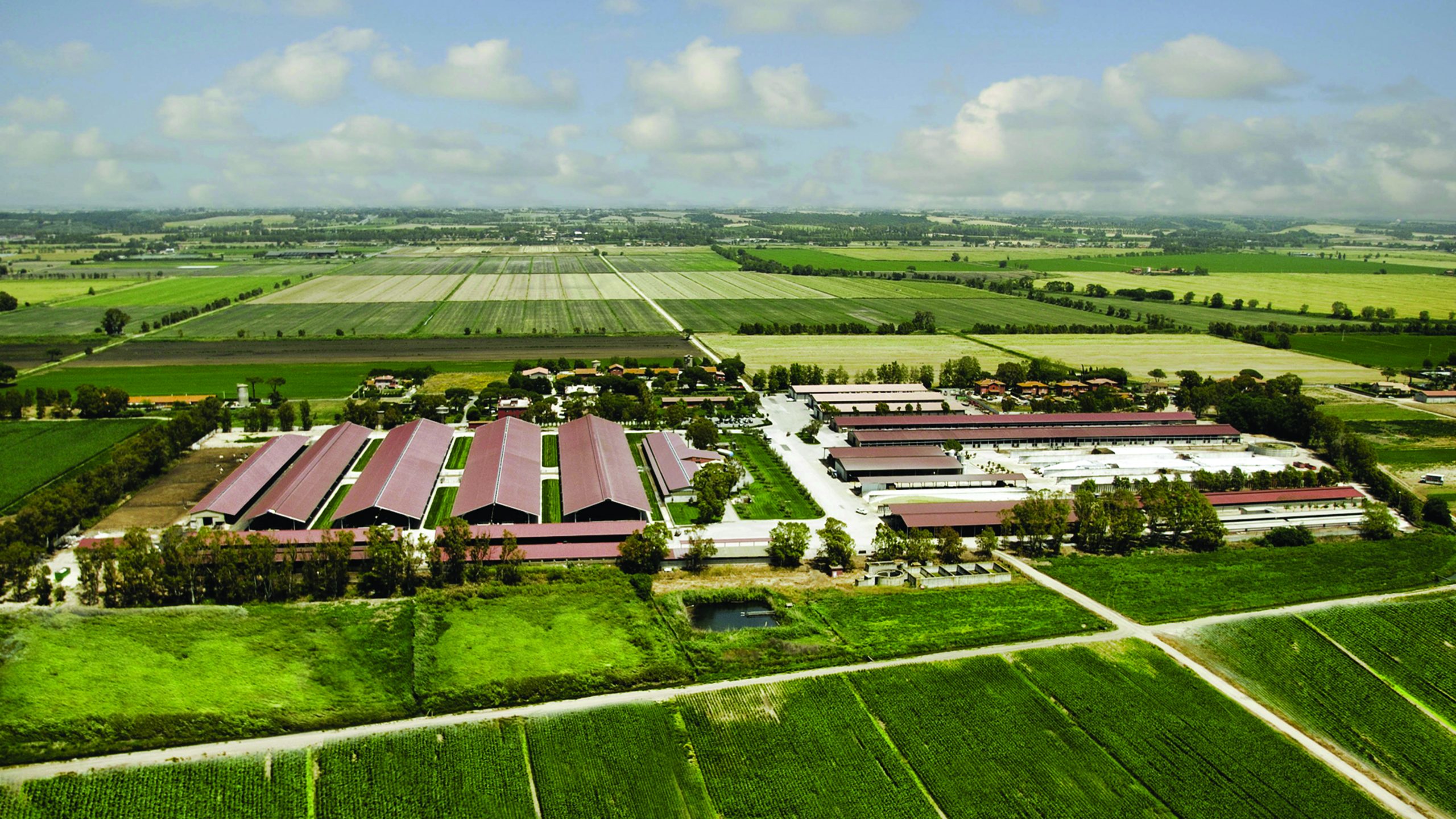
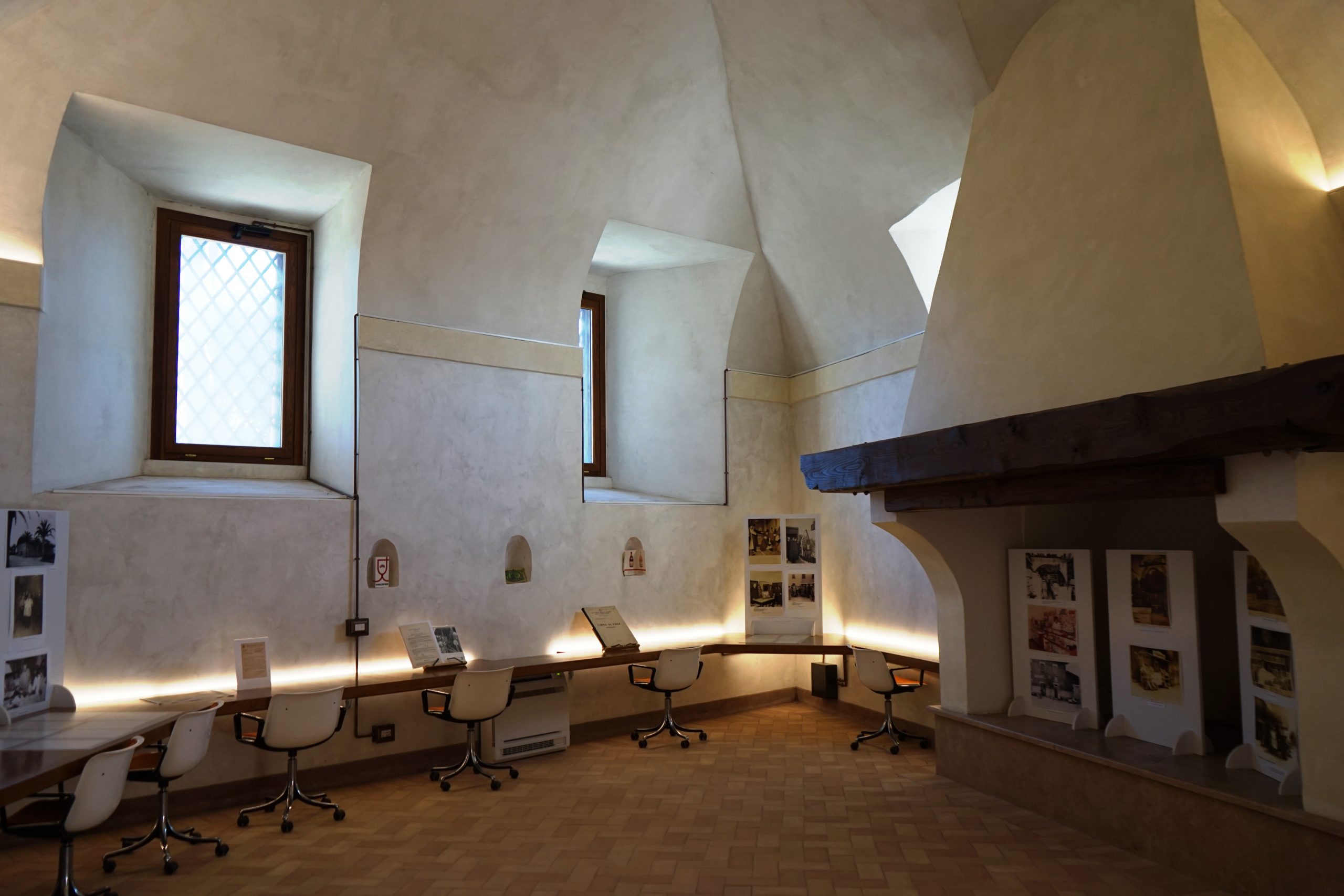
Spanning an area of 3,200 hectares in a single estate, the Maccarese Agricultural Company is considered one of the largest agricultural enterprises in Italy, as well as one of the most important Italian business entities. It was founded on 20 March 1925 as Maccarese SAB (Società Anonima di Bonifiche) with the goal of reclaiming an entire area of 4,500 hectares. Following the 1929 economic crisis, the company was sold to IRI (the Institute for Industrial Reconstruction) in the 1930s. In 1998, as part of the privatisation programme initiated by the government, it was acquired by Edizione Holding of the Benetton Group, which made substantial investments for its renovation, improving its management and production quality.
Recently, a super-intensive almond grove covering 140 hectares was planted, establishing the company as a leader in Italy for this type of crop.
Agricultural activities are complemented by one of the largest dairy farms in the country, with 3,600 cows producing 57,000 litres of high-quality milk per day, which satisfies 15% of the daily milk consumption in Rome. The zootechnical centre covers 17 hectares and employs advanced software to monitor milk quality, milking efficiency, reproduction, and food consumption analytics, all aimed at ensuring food safety and animal welfare.
To complete the cycle of sustainable agriculture in line with the circular economy, two biogas plants were constructed in 2010 for electricity production, using livestock effluents and silage produced on the farm as fuel. In 2021, a photovoltaic system with a capacity of 300 KW was installed on the roof of a barn, enabling the entire company to achieve daytime energy self-sufficiency.
In collaboration with