The life and miracles of a neighbourhood and a company that helped shape the habits and customs of Italy
The days when Isola was an unmistakably working-class district are now long gone. That spirit hasn’t vanished entirely, of course, but it has certainly mellowed. For while the streets still murmured with stories of crime, activism and drum ’n’ bass, the 2010s arrived – and with them a wave of urban regeneration that recast the neighbourhood as an enclave of hipster subculture. Here, it drifts between old — even centuries-old — shops that still hold out, and new openings ranging from craft boutiques to vintage and second-hand stores, independent bookshops, and a mix of historic and alternative venues.
Its proximity to Porta Nuova has produced a kind of fusion between past and present. As a result, Isola’s bohemian energy blends with the futuristic atmosphere surrounding Boeri’s Bosco Verticale and the Biblioteca degli Alberi, the sleek office towers of multinationals, Piazza Gae Aulenti, Corso Como and its boutiques. Today the area is a potpourri of places of every kind, attracting an eclectic mix of visitors.
This itinerary guides you through the neighbourhood’s now-iconic landmarks as well as little-known gems. It begins at the green oasis of BAM, the Biblioteca degli Alberi Milano, overlooked by the residential towers of the Bosco Verticale and quietly marked by the red brick of the Casa della Memoria. From here, you delve into the very heart of Isola, authentic, rough-edged. Here, visitors encounter walls emblazoned with street art, small bars and shops, and the unexpected sanctuary of Santa Maria della Fontana. Finally, as you make your way back towards Garibaldi station, you come upon a hidden gem: the Sisal Immersive Museum, an immersion into Italy’s popular culture.
BAM and the Bosco Verticale
BAM, the Biblioteca degli Alberi Milano, is not a simple park but a chequerboard of lawns, often in bloom, intersected by themed ‘circular forests’ designed by Inside Outside | Petra Blaisse. It is a contemporary botanical garden where different tree species form open-air ‘green rooms’. A vibrant urban breathing space, it serves as both a stage for cultural events and a haven for relaxation, offering unique perspectives on futuristic buildings and marking the boundary between Isola and Porta Nuova. Bordering the park is the Bosco Verticale, two residential towers designed by Stefano Boeri Architetti and cloaked in thousands of trees, shrubs and perennial plants that cover the balconies and terraces, creating a forest that grows upwards. It is a living manifesto of metropolitan reforestation – a bold experiment aimed at integrating nature and architecture, fostering biodiversity in the heart of the city.
La Casa della Memoria
Behind Boeri’s two towers stands the Casa della Memoria, a space dedicated to preserving and transmitting the collective memory linked to Italy’s struggles for freedom and democracy. Designed by the Baukuh architectural collective, the solid red-brick building is decorated with pixelated mosaics depicting emblematic images from Milan’s twentieth-century history: pivotal moments such as deportations, terrorist attacks and the Liberation. In addition to housing the documentary, photographic and audiovisual archives of five associations (ANED, AIVITER, ANPI, the Piazza Fontana 12 December 1969 Association and the Ferruccio Parri National Institute), which work in synergy with the Municipality to keep the memory of Italy’s history alive from the Resistance to the years of terrorism, it promotes public and intergenerational dialogue through temporary exhibitions, conferences, talks, screenings and educational activities.
Inside, there is also a permanent collection featuring site-specific works by Fabrizio Dusi, including a series of neon and ceramic inscriptions. Installed on the façade and throughout the building’s interior, these works convey messages of resistance and hope, as in the case of Don’t Kill. Also on display are Alberto Lagomaggiore’s photographic series Tempo Sospeso, capturing the city’s empty, silent spaces during the days of the lockdown, and Diego Randazzo’s Kids, which lights up the windows of the Casa della Memoria each night to commemorate the firsthand stories of survivors of the Gorla massacre.
Sanctuary of Santa Maria alla Fontana
You have to seek it out, venturing into the most authentic part of Isola, among balconied tenement houses, and little restaurants, bars and workshops. Here, silence gradually finds its place, and in a Milan of times gone by, a spring once flowed that was believed to be miraculous. It was regarded not simply as an ordinary spring, but as a genuine cure-all: a kind of spa before such places even existed. It is to this source of healing water that the church of Santa Maria alla Fontana owes its name and its origins.
An illustrious figure, Charles II d’Amboise – the powerful French governor of the city under Louis XII – also experienced the benefits of this miraculous spring. His gratitude was transformed into stone and devotion in 1507, when he decided to have a sanctuary built here. Rumour has it that behind Giovanni Antonio Amadeo’s design stood the hand – or at least the influence – of geniuses such as Bramante and Leonardo da Vinci, who were active in Milan at the time. From the very beginning, Santa Maria alla Fontana was more than a place of worship; it soon established itself as one of the three pillars of healthcare in the city, alongside the monumental Ca’ Granda and the Lazzaretto. The sanctuary grew over the centuries, undergoing alterations and extensions, yet remaining a spiritual beacon and a deeply cherished point of reference. At least until the shadow of progress spoiled the spring: at the end of the nineteenth century, a nearby bitumen factory irreparably contaminated the water table, bringing an end to the miraculous waters. A 1920 refurbishment by the architect Mezzanotte gave the church a new Neo-Gothic façade, but it did not erase its past. Hidden in the church courtyard, the original basin still survives today. Of course, the water that fills it now comes from the decidedly less poetic municipal aqueduct, but it is enough to evoke the story of a place born of earth, water and faith.
Widespread, digital, immersive: the museum according to Sisal
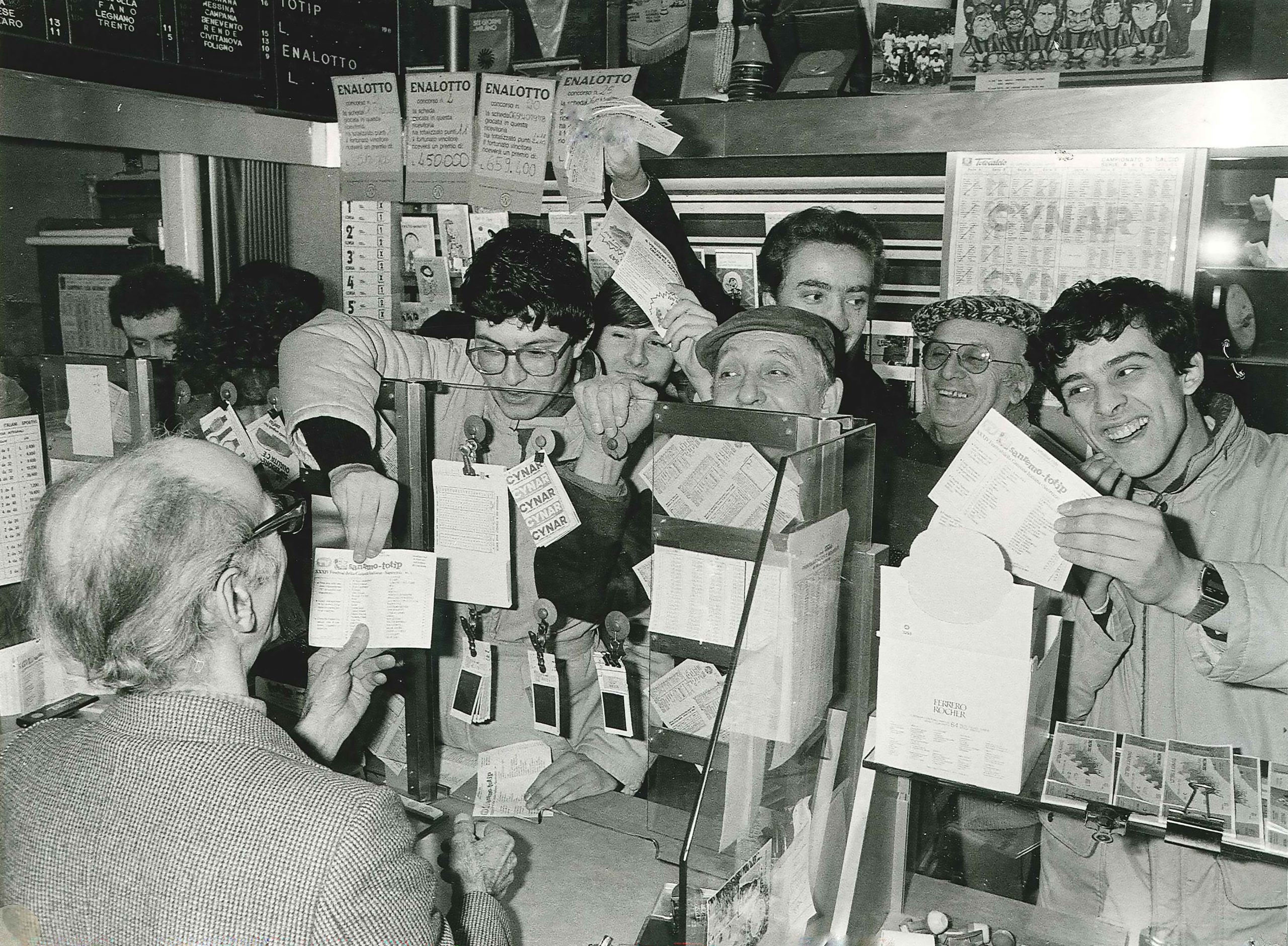
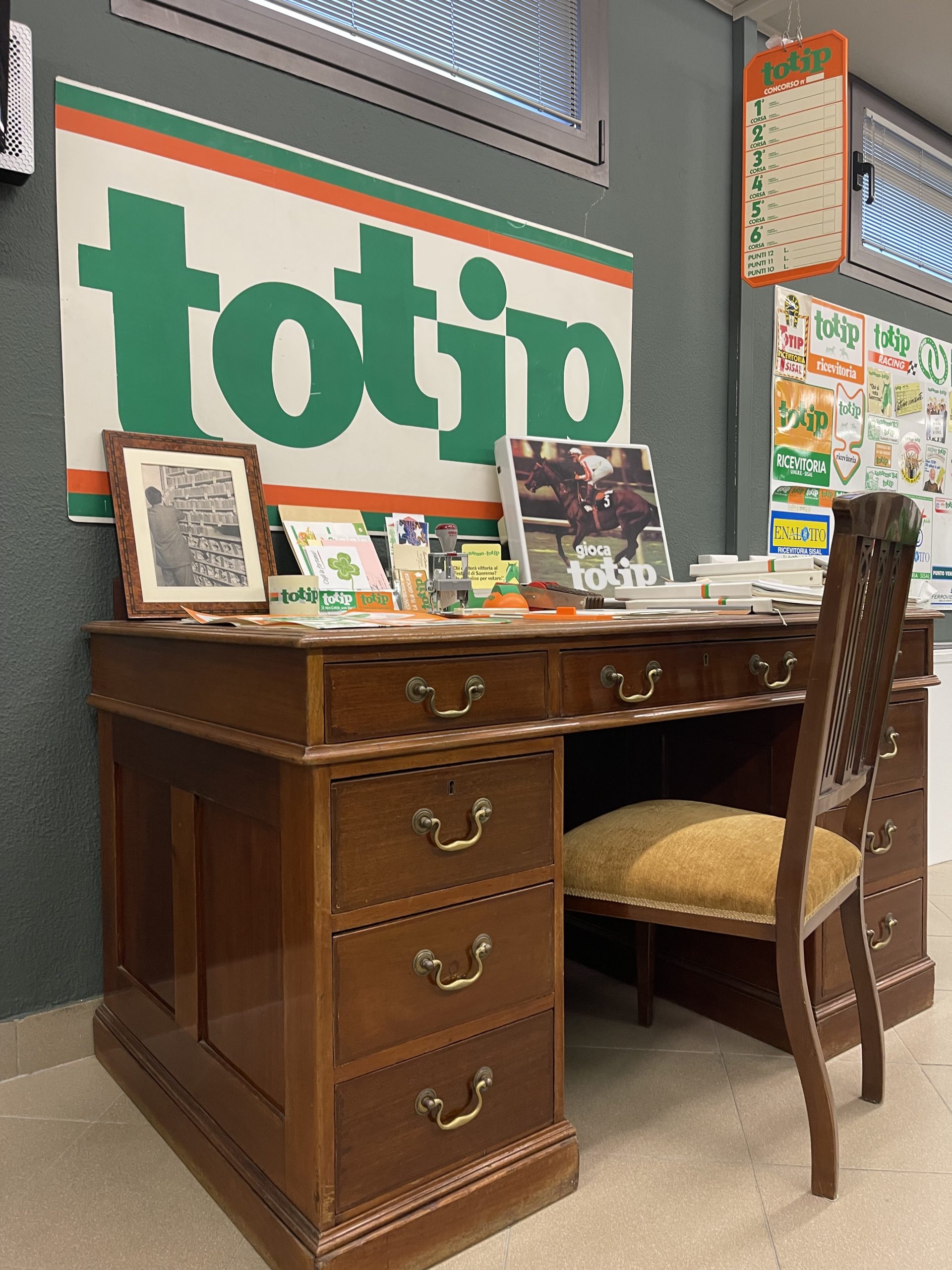
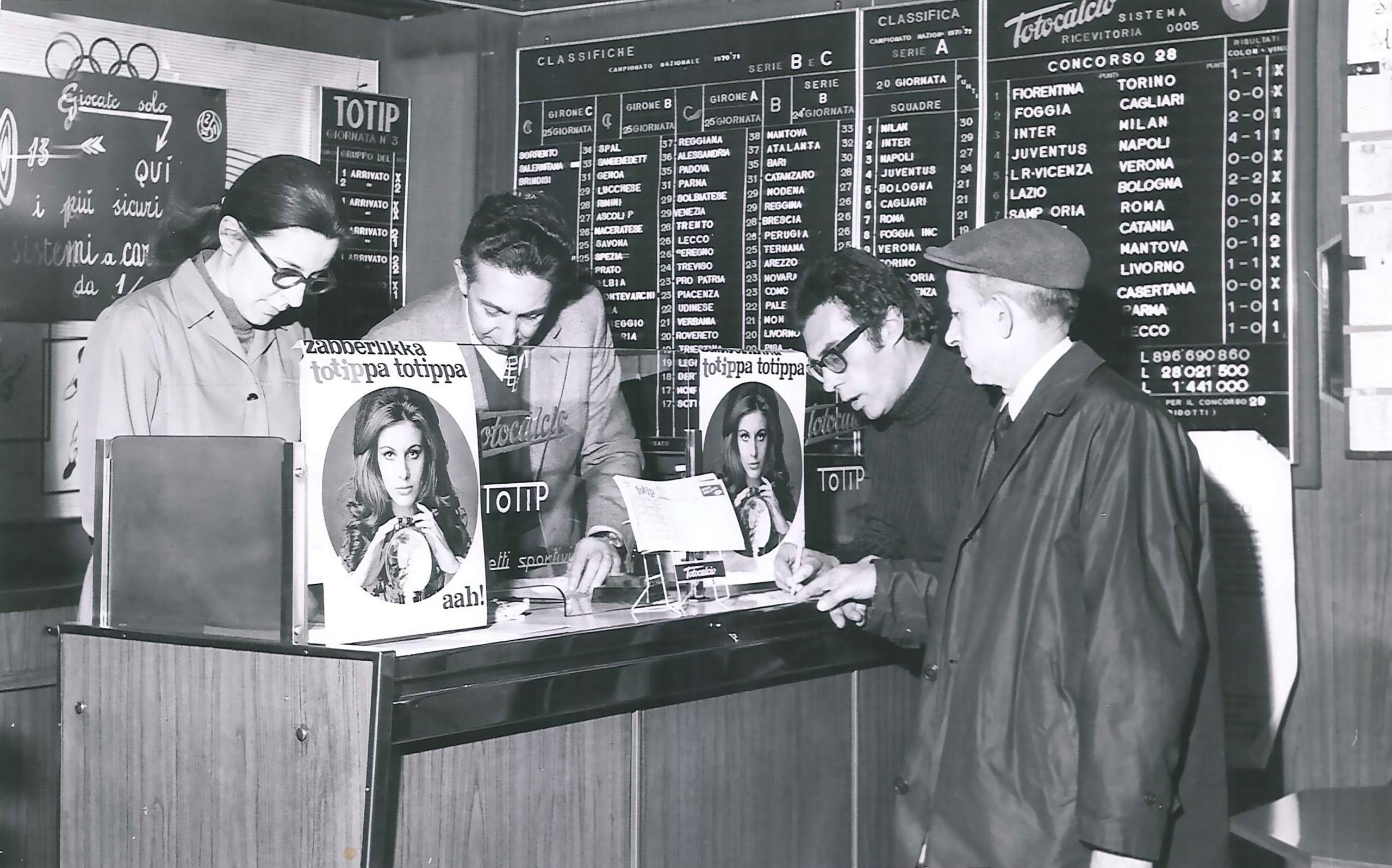
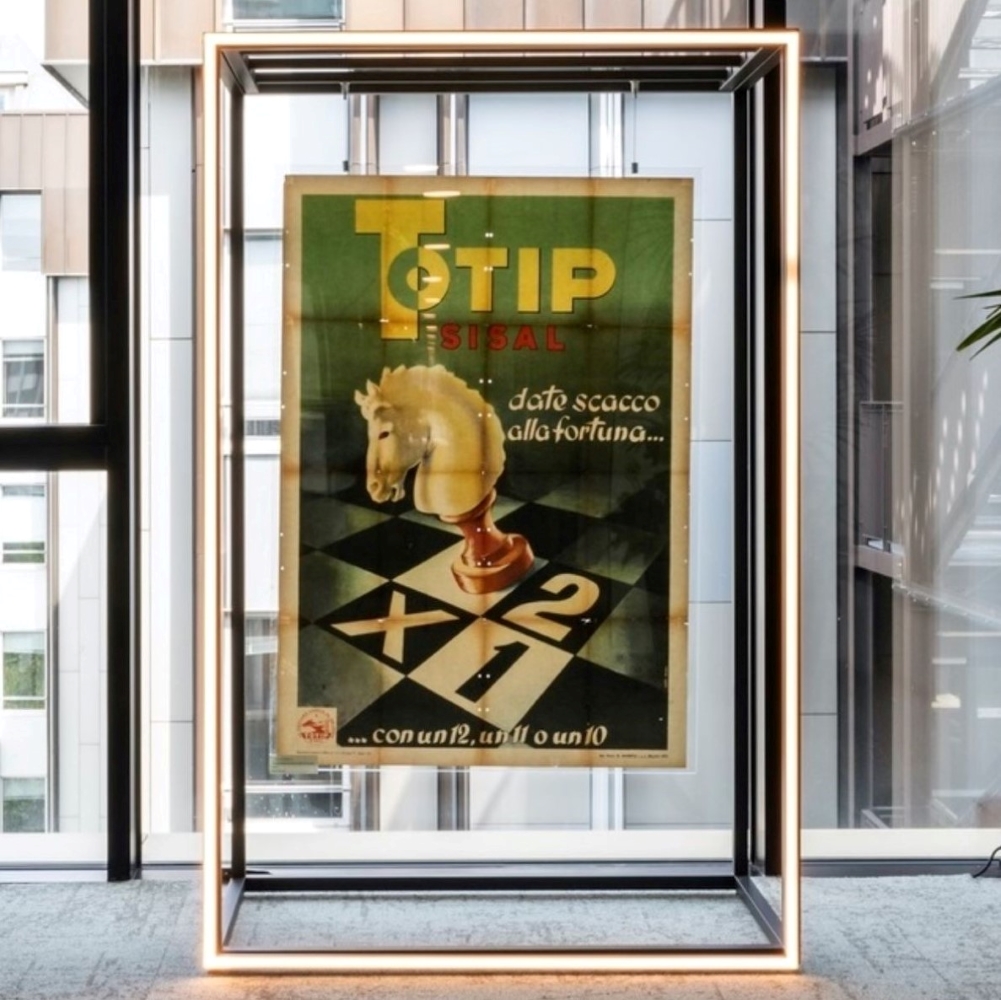
In post-war Italy, amid the hardships of reconstruction, a widespread desire for lightness began to surface. It was in this atmosphere that Sisal was born in 1945. This name would soon become synonymous not only with betting, but with a genuine social phenomenon. Because Sisal, with inventions such as the legendary Totocalcio schedina, changed not only Italians’ Sundays, but their habits all week round. Bars, newsstands and tobacconists were suddenly transformed into small social hubs: places where you didn’t just stop for a coffee, but predicted match results with a 1, X or 2, argued about football for hours, and allowed yourself to hope. Then came the Totip for horse racing, and finally the SuperEnalotto lottery, the modern dream of striking it rich. Sisal became woven into Italy’s social fabric, becoming part of everyday rituals.
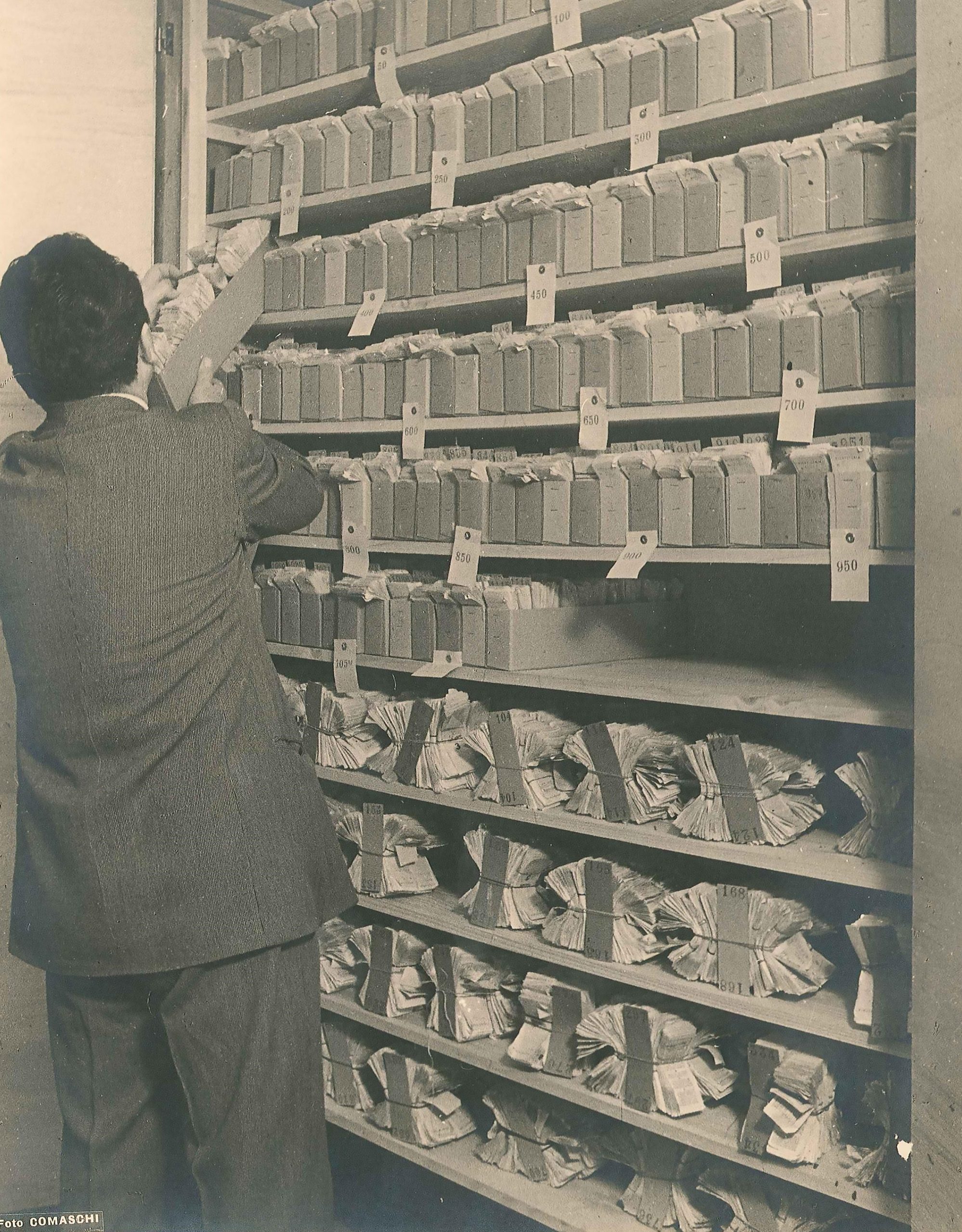
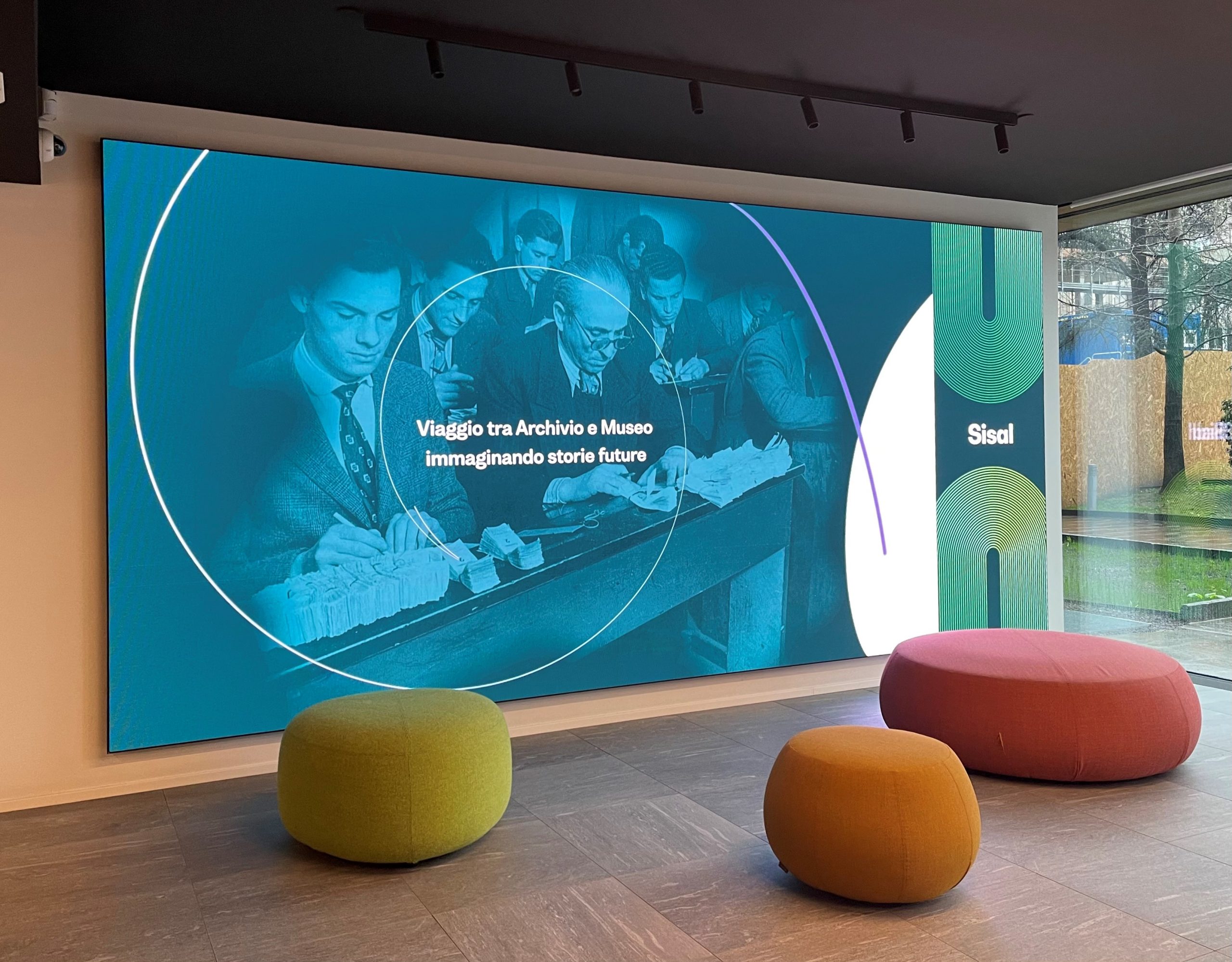
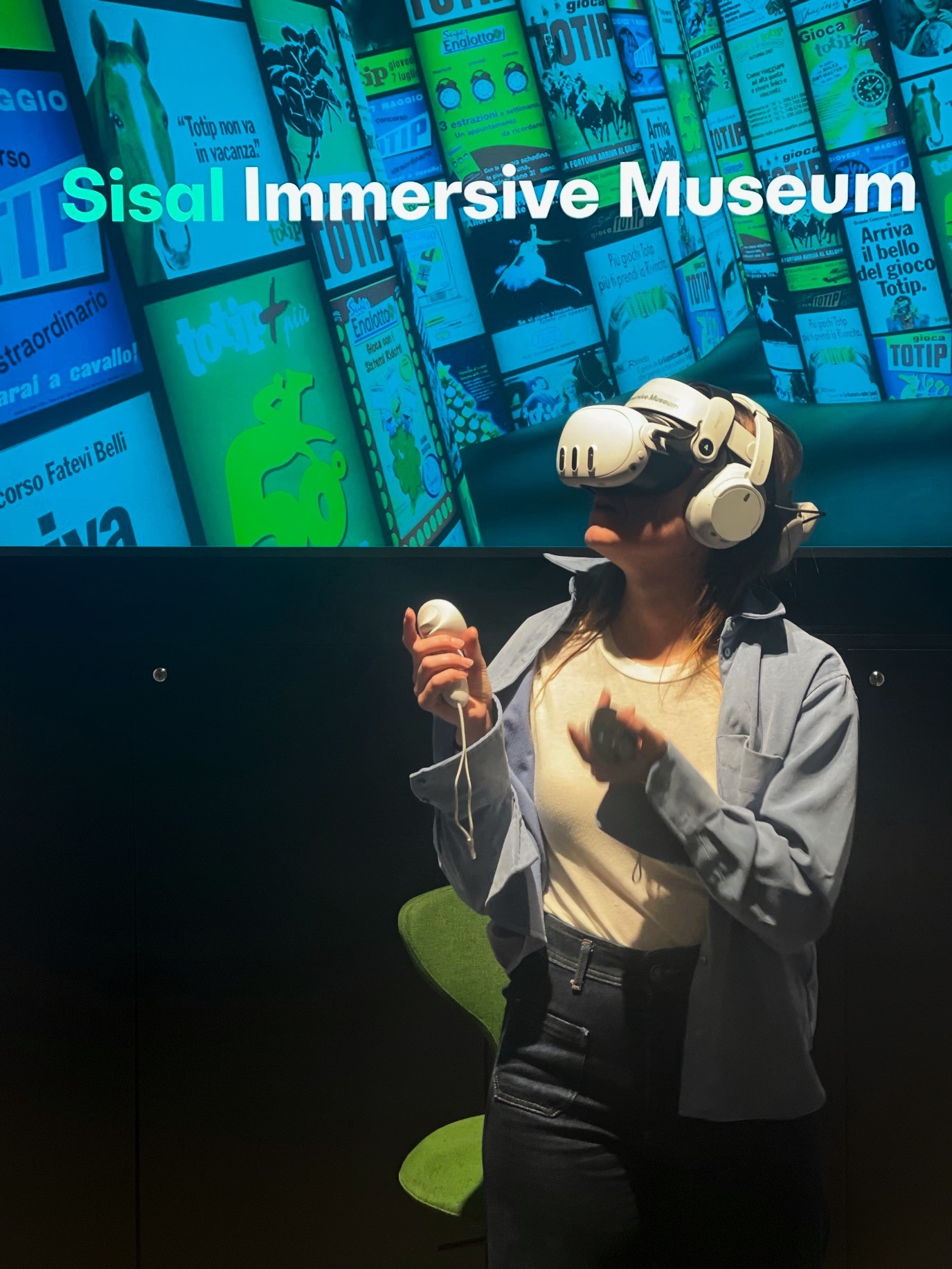
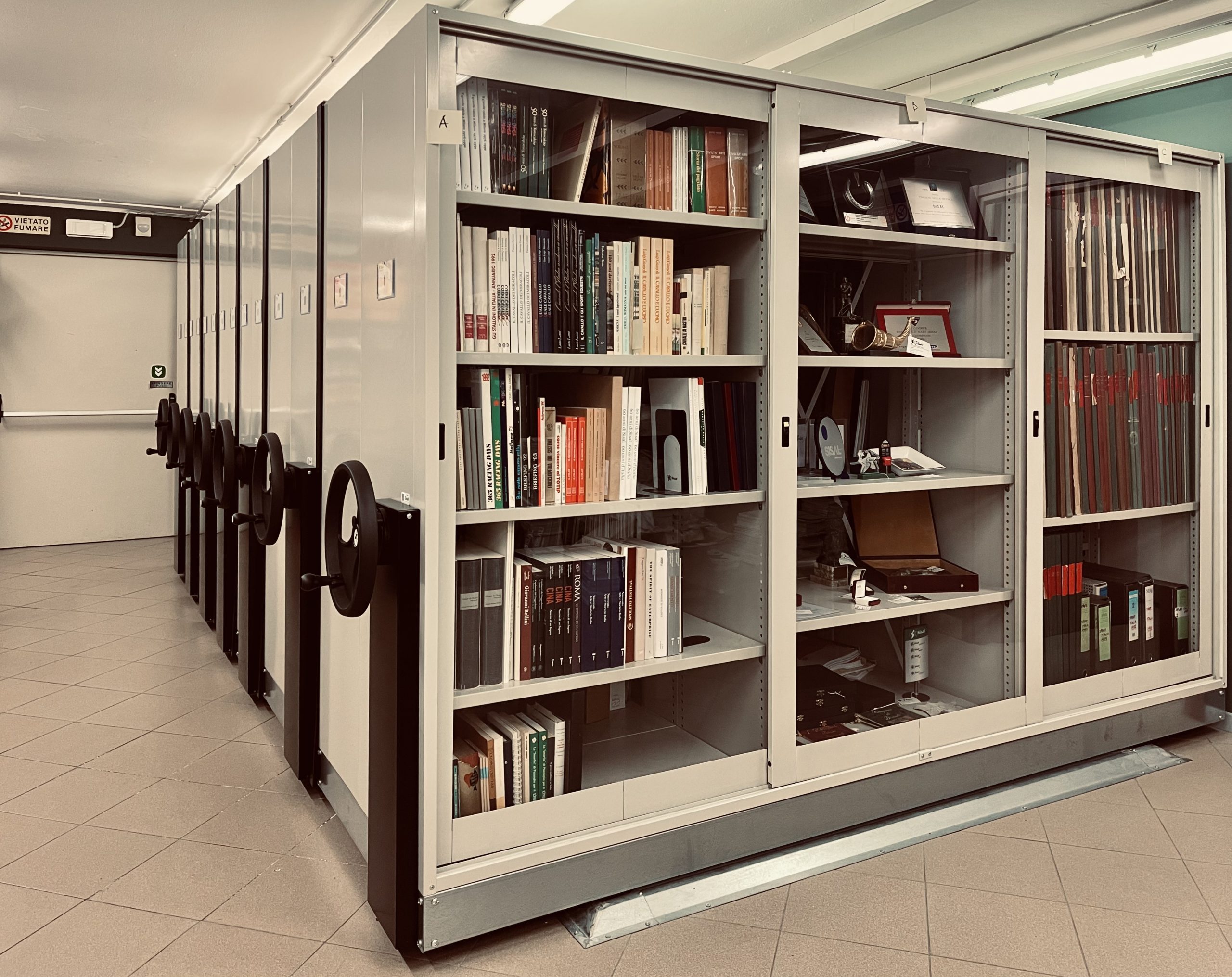
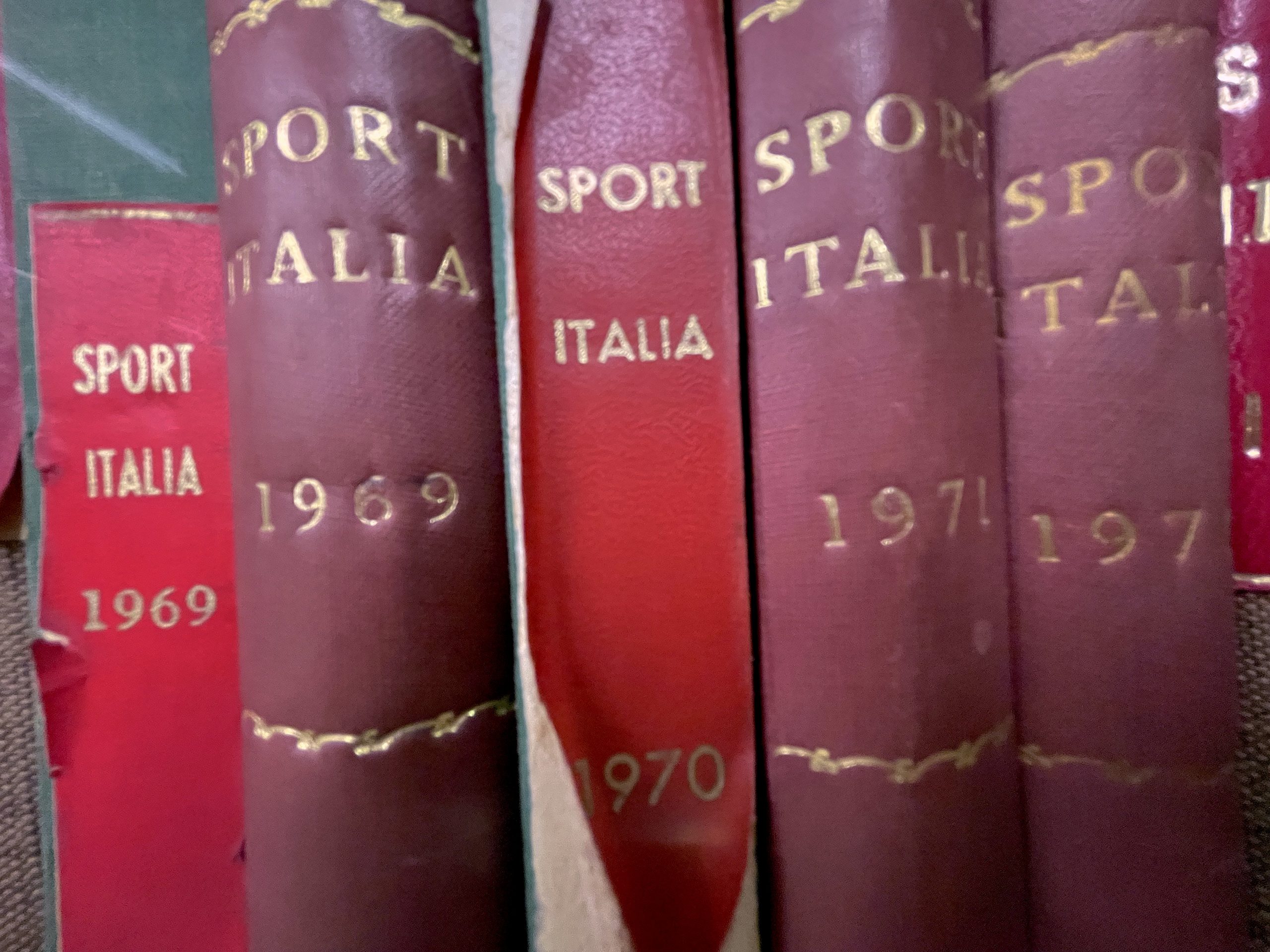
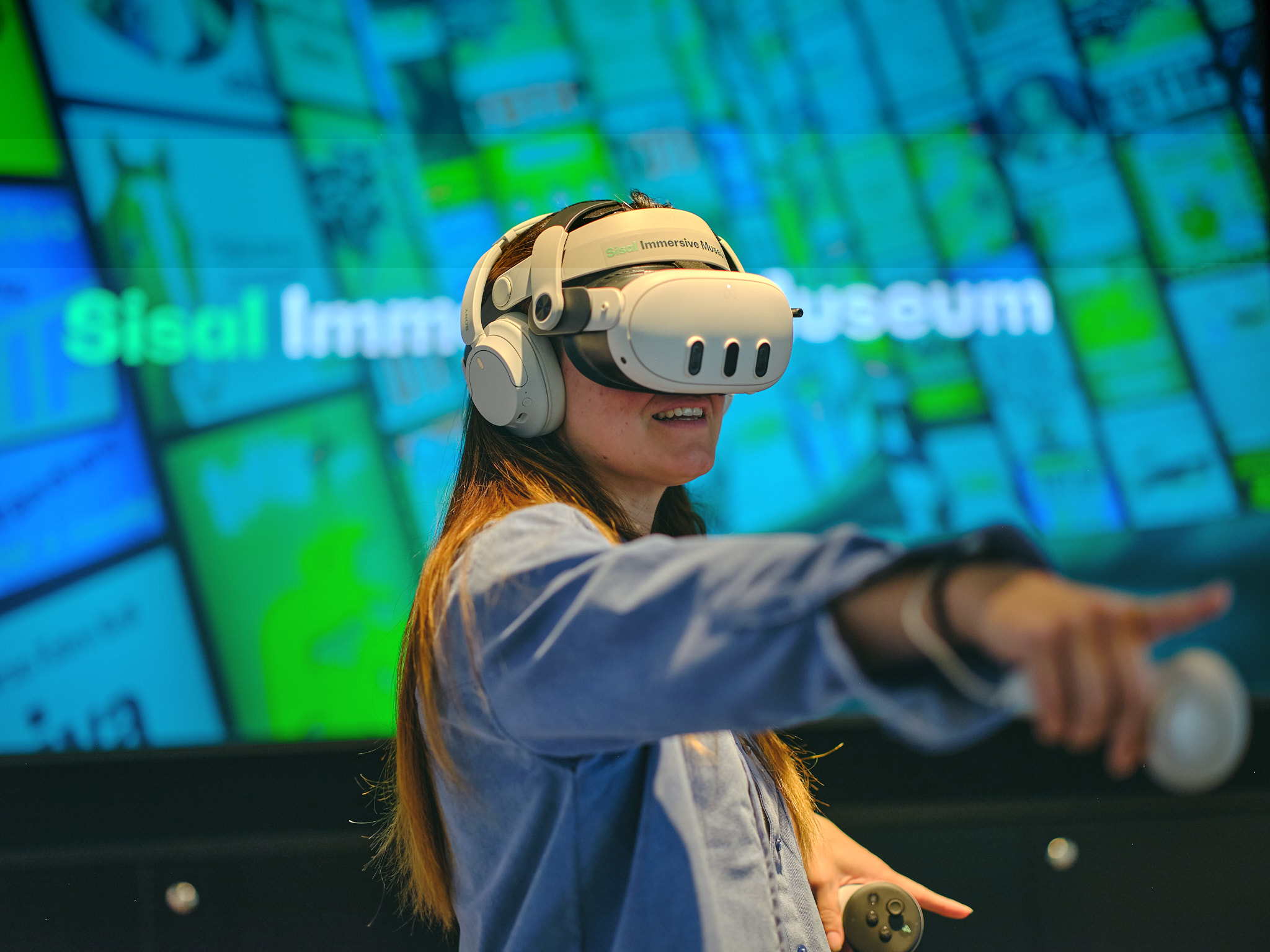
Today, that remarkable journey through Italian popular culture has not been lost: in 2012 the Sisal Historical Archive was created in Peschiera Borromeo. It holds more than 10,000 fragments of historical memory, including vintage photographs, posters, old TV adverts, and even the complete collection of the Sport Italia newspaper, and is a heritage that smells of paper and memories. But history, as we know, loves to be told out loud. And this is where the Diffuse and Digital Museum, inaugurated in 2022, comes into play. It is not a traditional museum, but a narrative pathway that unfolds across the floors of Sisal’s headquarters in Milan, in the Bassi Business Park in Isola. Display cases with historical objects, old signs, betting slips, posters and the Sisal Memory touchscreens: a simple tap is enough to plunge into anecdotes and digital content, discovering new fragments of this fascinating Italian mosaic. The latest step towards the future is the Sisal Immersive Museum, launched in 2024 – a dive into the history of Italian popular culture with a technological twist: the Sisal Immersive Museum, inaugurated in 2024. Here, the company’s historical archive comes to life through virtual reality, XR headsets and human interaction. It is a true journey through time, an evocative bridge between past and present, where old documents are transformed into stories to be experienced. The itinerary unfolds through a series of captivating themed spaces: one reveals the behind-the-scenes story of the iconic ‘1X2’; another explores how Sisal’s communication has shaped the collective imagination. Finally, there is the figure of the Human Performer, a guide-actor who helps foster connections among participants, enhancing the dynamism and engagement of the experience.
Article written in collaboration with