Industrial memory, the environment and science laboratories: the story of an urban metamorphosis
A small town on the outskirts of Turin that has managed to reinvent itself without relinquishing its memory, balancing industrial heritage with environmental challenges, local identity with a metropolitan outlook. In Roman times, Settimo Torinese was ad septimum lapidem, the seventh milestone on the road to Turin; in the Middle Ages it became a contested territory between the House of Savoy and the Marquises of Monferrato, prized for its topography and strategic communication routes. La metamorphosis arrived in the nineteenth century, when, just a stone’s throw from an industrially booming Turin, the town became the ideal place for new factories to establish themselves. It was the beginning of a new era. Today, Settimo Torinese reveals itself as a kind of laboratory where modernity has woven a complex fabric linking factories and working-class neighbourhoods, a millennia-old relationship with the great river, and ongoing innovation. It is a place where the vestiges of the past engage in a compelling dialogue with the future. It is a small dot on the map of Italy that holds big surprises: from the medieval tower to the Freidano Ecomuseum, all the way to the contemporary MU-CH | Museo della Chimica.
The medieval tower
Guardian of a past marked by wars, destruction and rebirth, the Tower of Settimo is what remains of the ancient castle that overlooked the village from the late Middle Ages, when the waters of the Rio Freidano flowed at its base, forming a natural moat. Built between the fourteenth and fifteenth centuries, the tower witnessed sieges and shifting alliances until the wars of the sixteenth century brought about its downfall. Of the castle, only fragments remained – a broken silhouette on the Savoy plain. Over time, the defensive stones became a dwelling: in the nineteenth century the tower was incorporated into a private residence, adorned with a garden that softened its architectural severity. Then, in 1912, it passed into the hands of the Municipality, which gradually returned it to the community as a space for culture and memory. Today it hosts the Nel segno dell’acqua. La Torre e la Città (Shaped by water. The Tower and the city) itinerary, an integral part of the Freidano Ecomuseum: a journey through archaeology and the environment, revealing the history of the canals and mills that once made Settimo a crossroads of ingenuity and labour.
Freidano Ecomuseum
A dynamic cultural organism along the banks of the Rio Freidiano, it is now recognised as the only urban ecomuseum in Piedmont. This is not merely a place of preservation, but a constantly evolving project launched in 1985 to highlight the local heritage, which is inseparably tied to water and agricultural labour. At the centre of this narrative is the Mulino Nuovo, a restored nineteenth-century building that houses the Ethnographic Museum, which preserves historical and material culture testimonies, recreating the atmospheres and working cycles of the nineteenth century through interactive systems. It also hosts the Exhibition Space and the Energy Park, an educational green area where visitors can observe hydraulic wheels and millstones in action.
The ecomuseum, however, extends far beyond the walls of the Mill and beyond the city itself: with the Ecotempo project, Settimo Torinese becomes an open-air territorial museum. Water and canals, once the lifeblood of local production, are once again becoming a lived-in landscape, rediscovered through routes, installations and cycling and walking paths.
MU-CH | Museo della Chimica
Chemistry is without doubt one of the sectors that most profoundly shaped the face and industrial identity of Settimo between the nineteenth and twentieth centuries. An intense relationship, at times a difficult one, yet one that reshaped both the landscape and the social fabric. It is a heavy inheritance, made of chimneys and industrial sheds, but not one the city wished to erase. On the contrary, it has learned to reinterpret it.
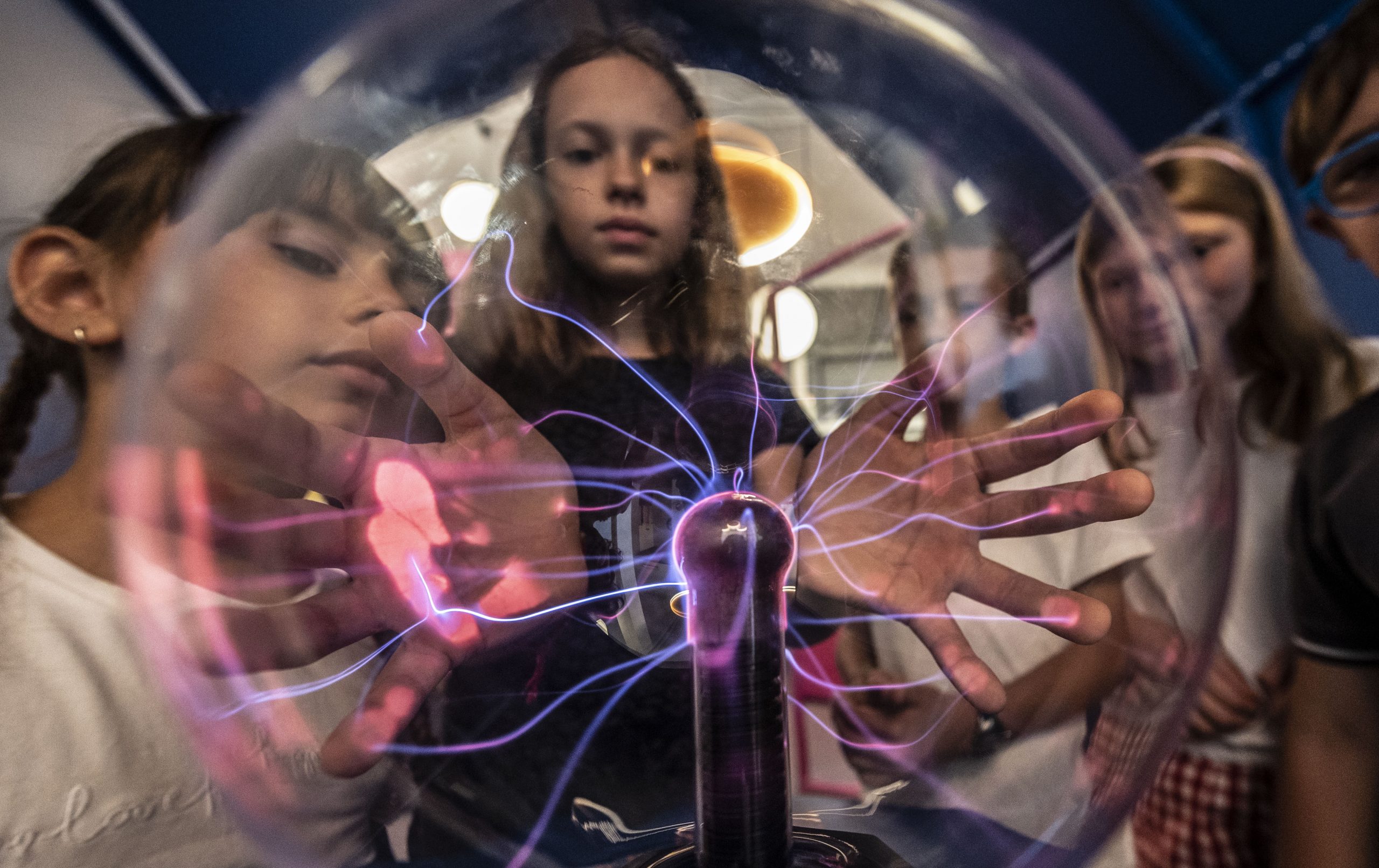
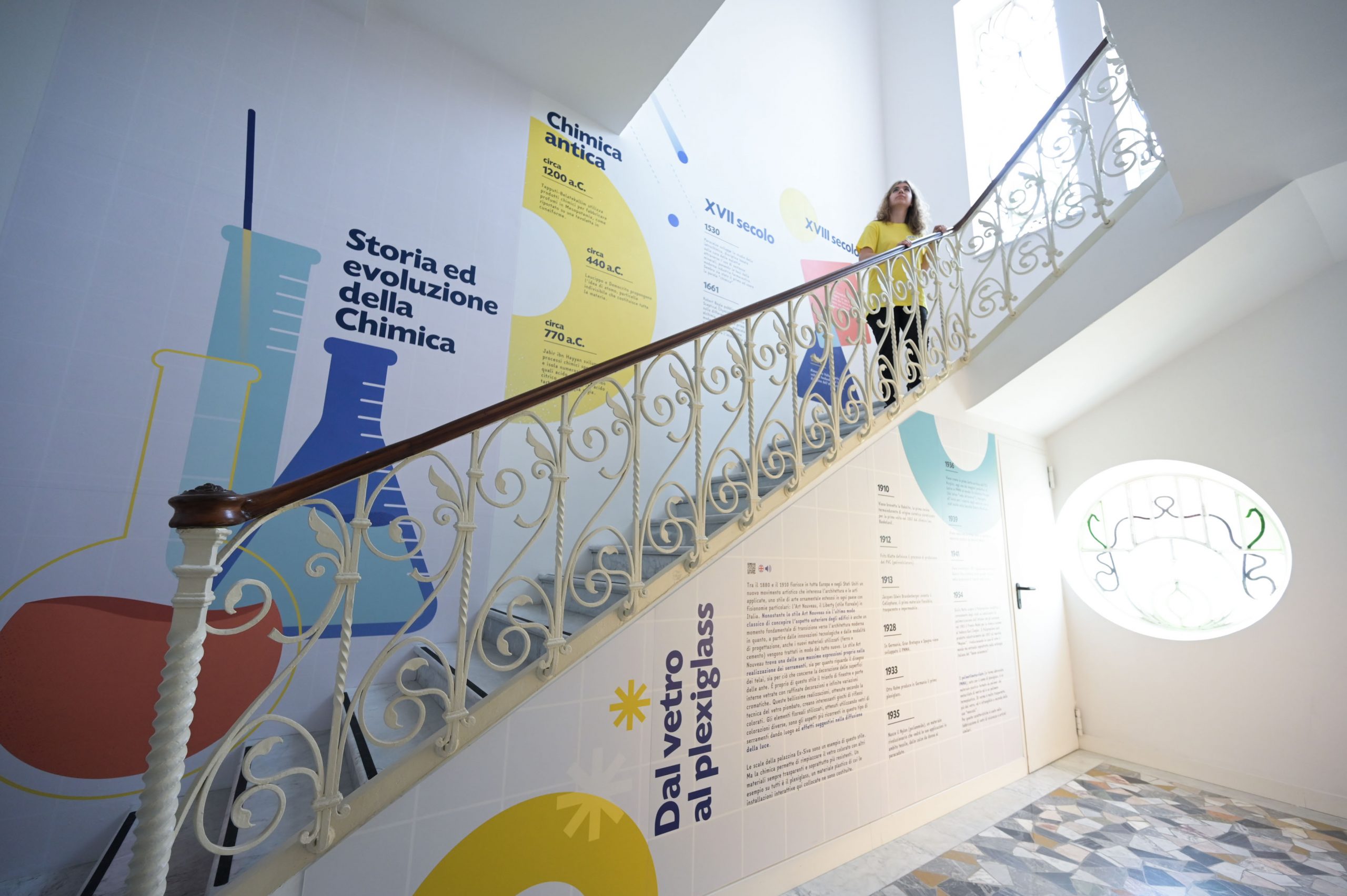
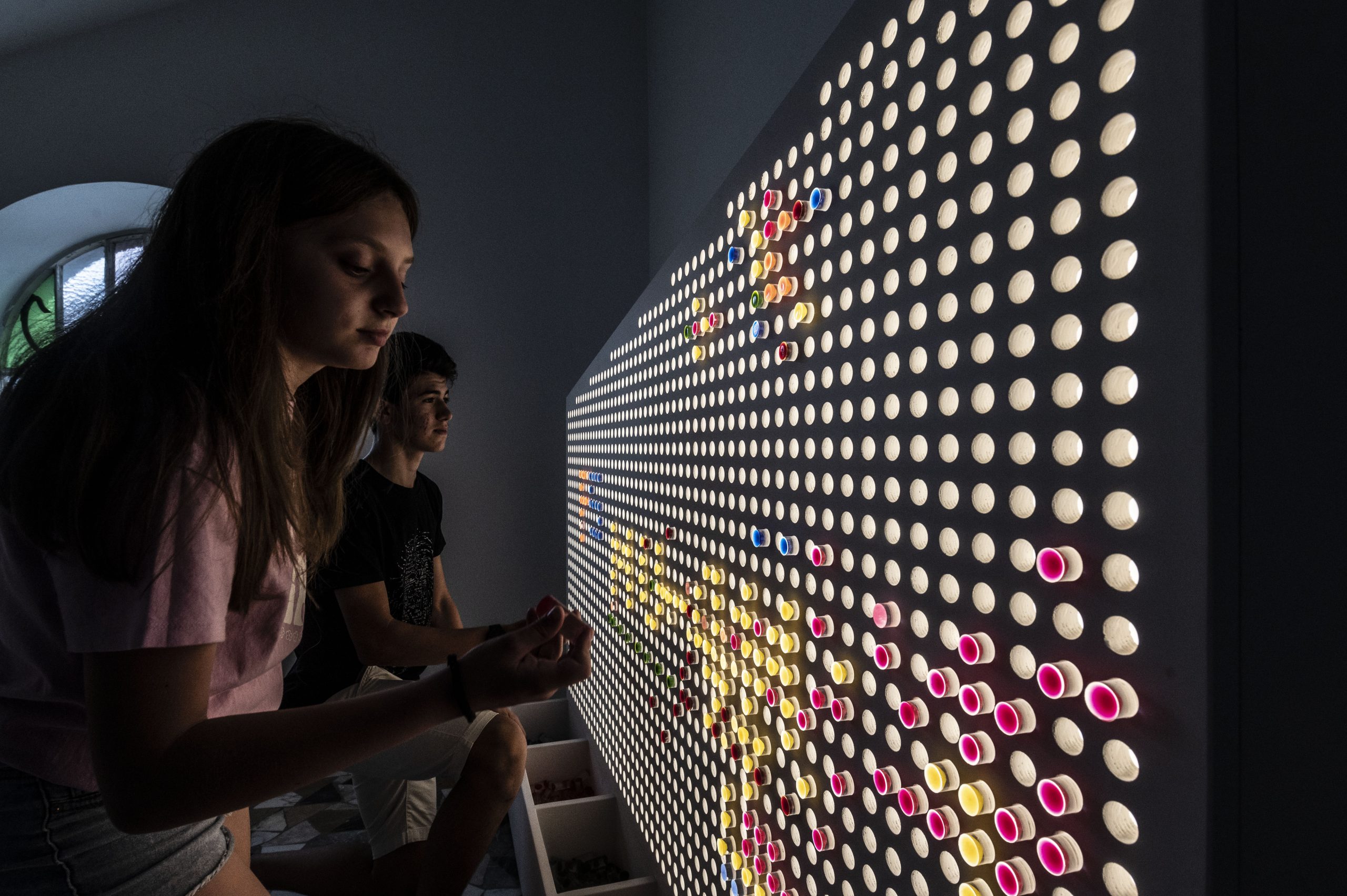
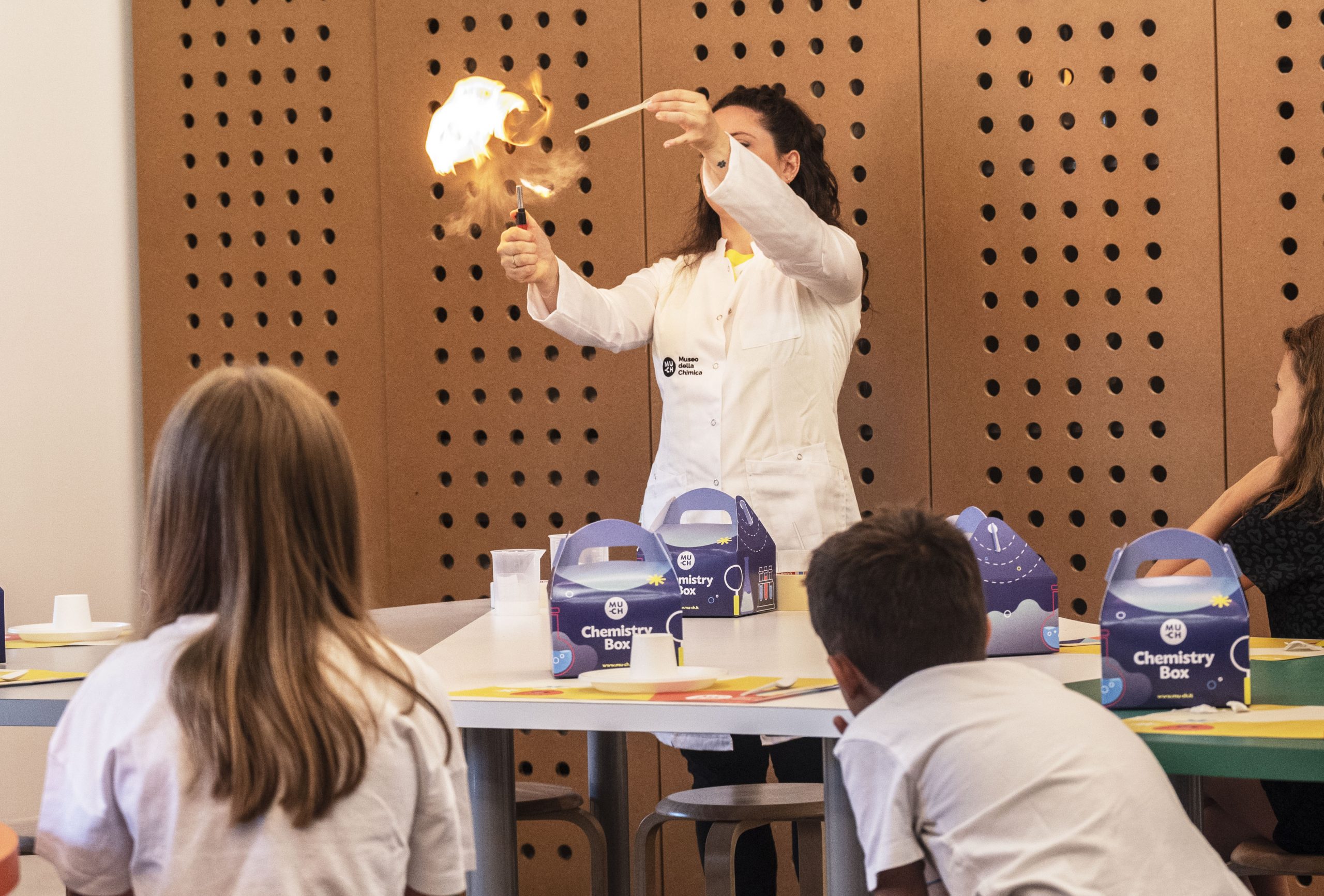
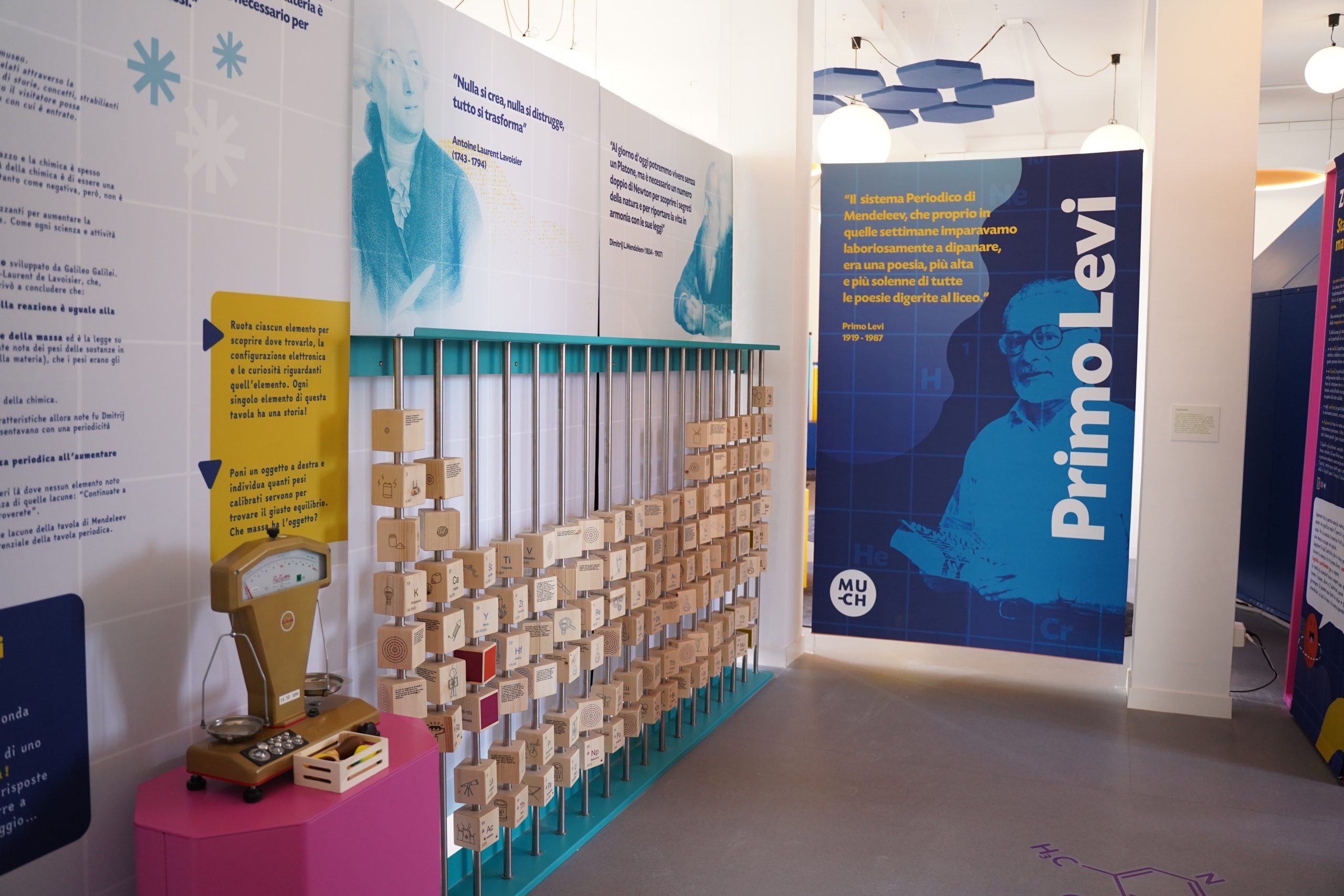
It is above all in the redevelopment of the former Siva paint factory – a paint company founded in 1945, where writer and chemist Primo Levi worked for almost thirty years – that Settimo shows its full ability to look ahead. Where resins and paints were once produced, today stands the MU-CH | Museo della Chimica, a centre of excellence in Europe. It is not a simple museum, but an immersive, interactive experience that turns science into an engaging adventure. Here, chemistry stops being an abstract formula and becomes discovery, experimentation and enjoyment. Through cutting-edge installations, MU-CH narrates the city’s industrial past, celebrates human ingenuity, and pays tribute to those who, like Primo Levi, were able to see poetry in matter.
Article written in collaboration with