Ca’ Select: authentic Venetian aperitivo in the Cannaregio district
If there is one thing you cannot miss on a trip to Venice, it is an aperitivo of Spritz and cicchetti.
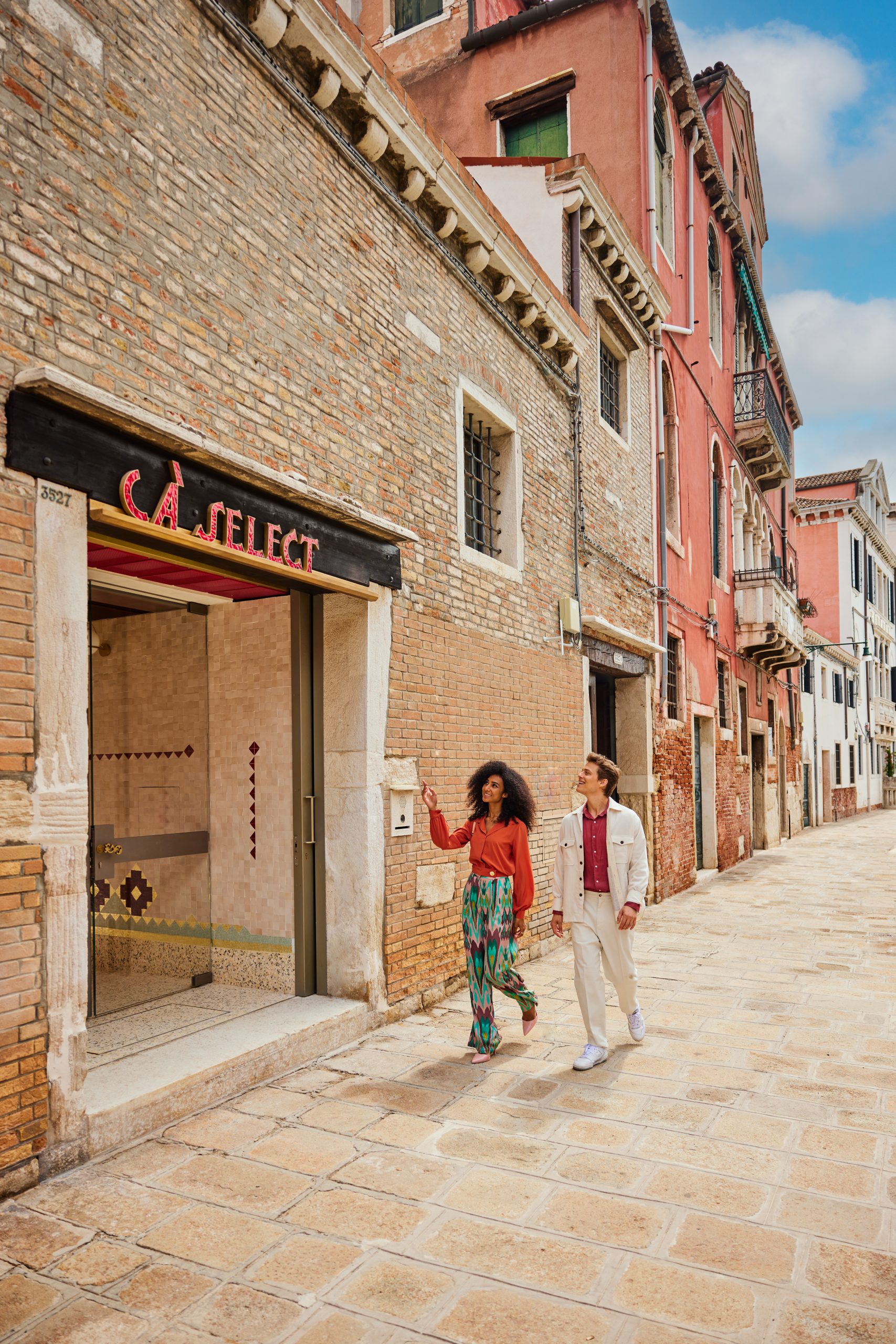
As you explore the Cannaregio district – whose network of parallel fondamenta reveals quiet corners, bacari and osterie, small squares and unexpected artistic treasures such as the Church of the Scalzi, the synagogues and kosher restaurants of the Jewish Ghetto, the Church of the Madonna dell’Orto, Tintoretto’s house and the Ca’ d’Oro – make sure to stop at Ca’ Select, a unique venue that tells the story of more than a century of excellence behind Select, the aperitivo born in Venice in 1920 from the distilling expertise of the Pilla family, and the key ingredient of the original Venetian Spritz.
Aperitivo a Ca’ Select
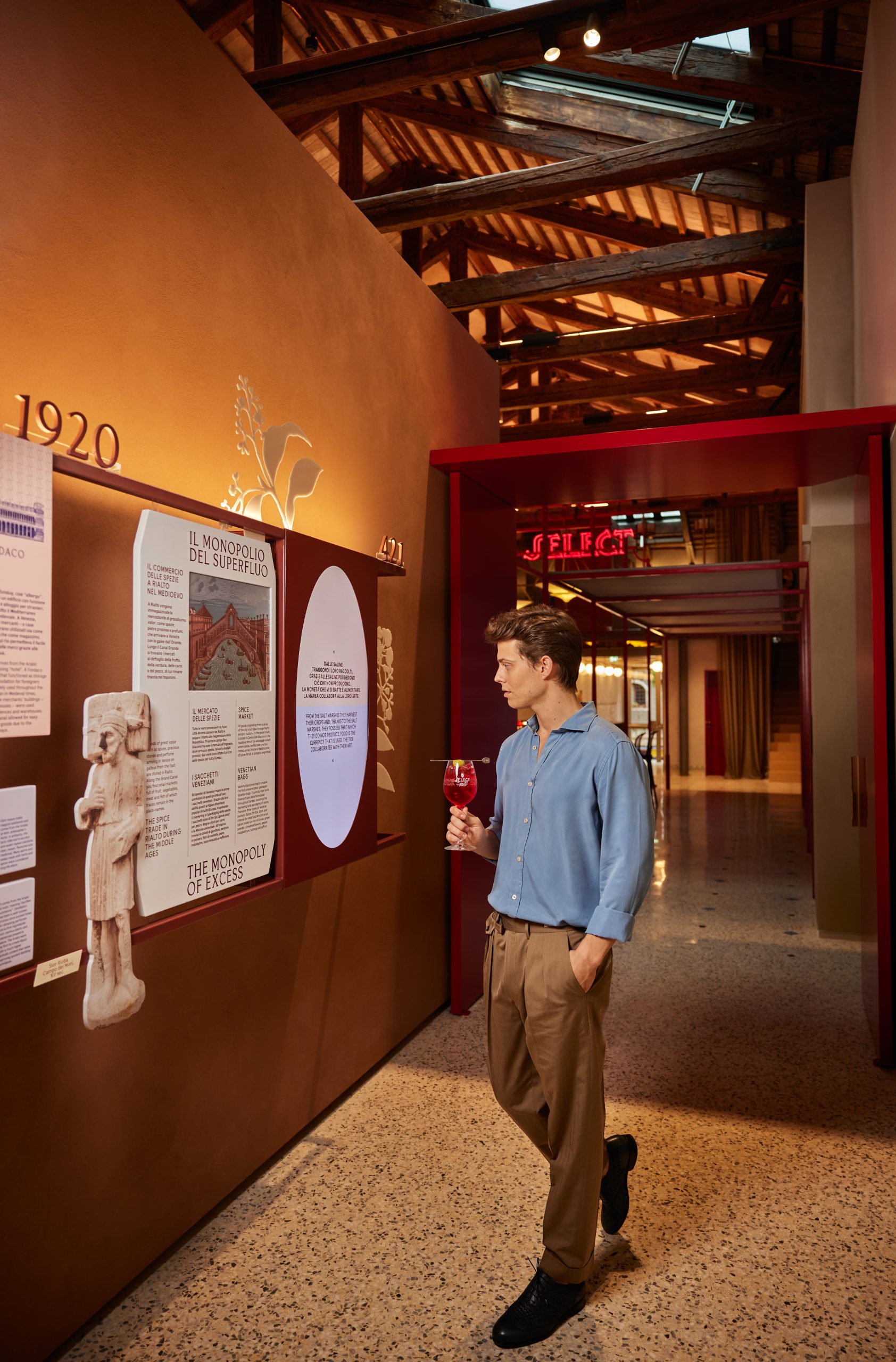
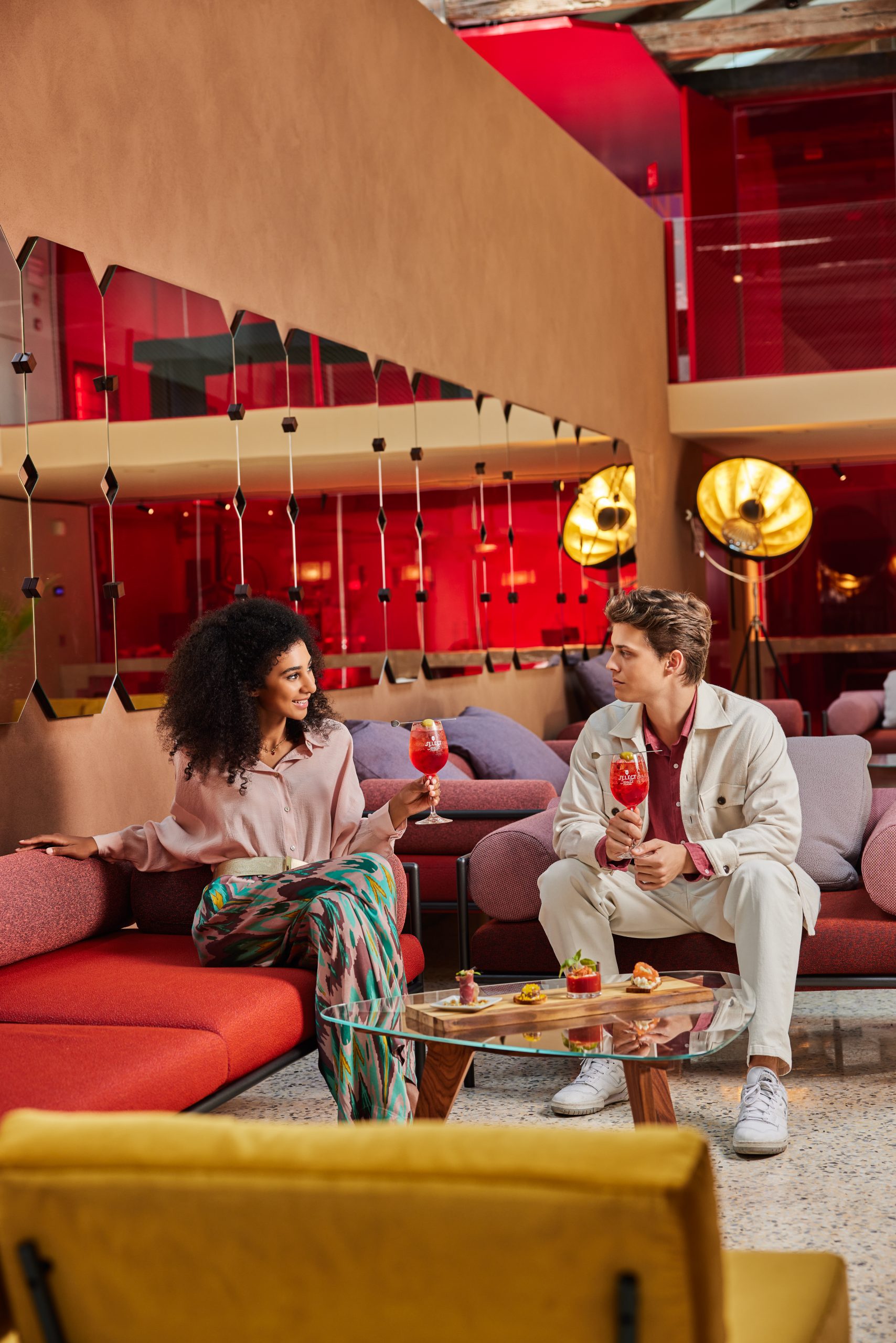
Venice, Cannaregio, Fondamenta Gasparo Contarini. Here, a former industrial workshop has been transformed into Ca’ Select, the home of the Select Aperitivo, a jewel of Venetian distilling craftsmanship. The bespoke architectural project, designed by the Marcante-Testa firm, set out to reclaim the spaces of the former factory, radically transforming them into an environment that fully reflects the spirit of Select and the refinement of Venice. This is evident in the choice of materials, which highlight local craftsmanship and culture. For example, the mosaics in the entrance are inspired by sketches by Mariano Fortuny and handcrafted by the historic Fornace Orsoni; the glass slabs cladding the bar counter draw on the Murano tradition and are produced by Wonderglass; the fabric coverings of the seats and decorative panels were created by Rubelli.
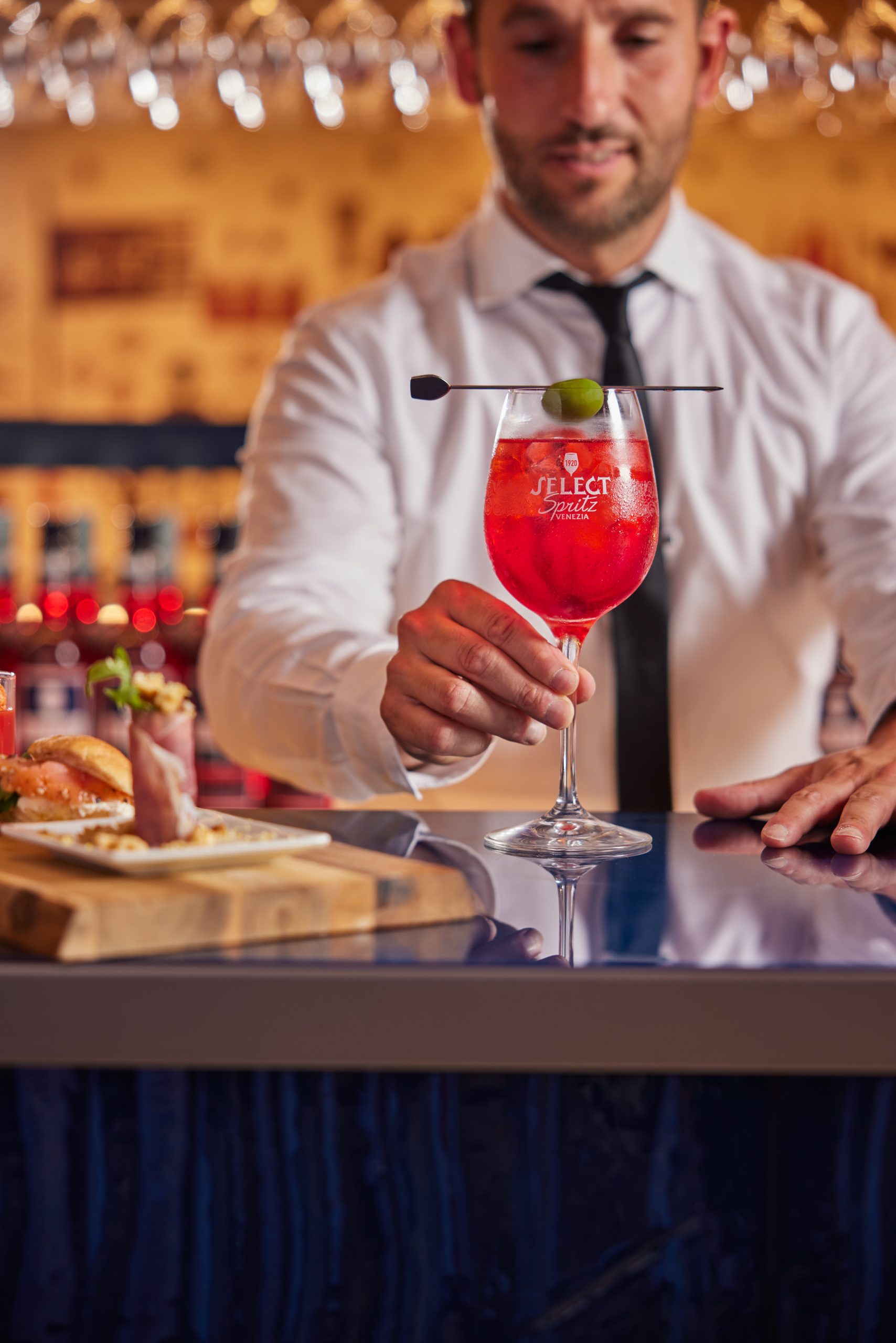
A place devoted entirely to the city’s artisanal excellence, where visitors can explore the history, preparation and flavour of the original Venetian Spritz. The ‘original’ recipe means 75ml of prosecco, 50ml of Select, 25ml of soda or seltzer, and one large green olive.
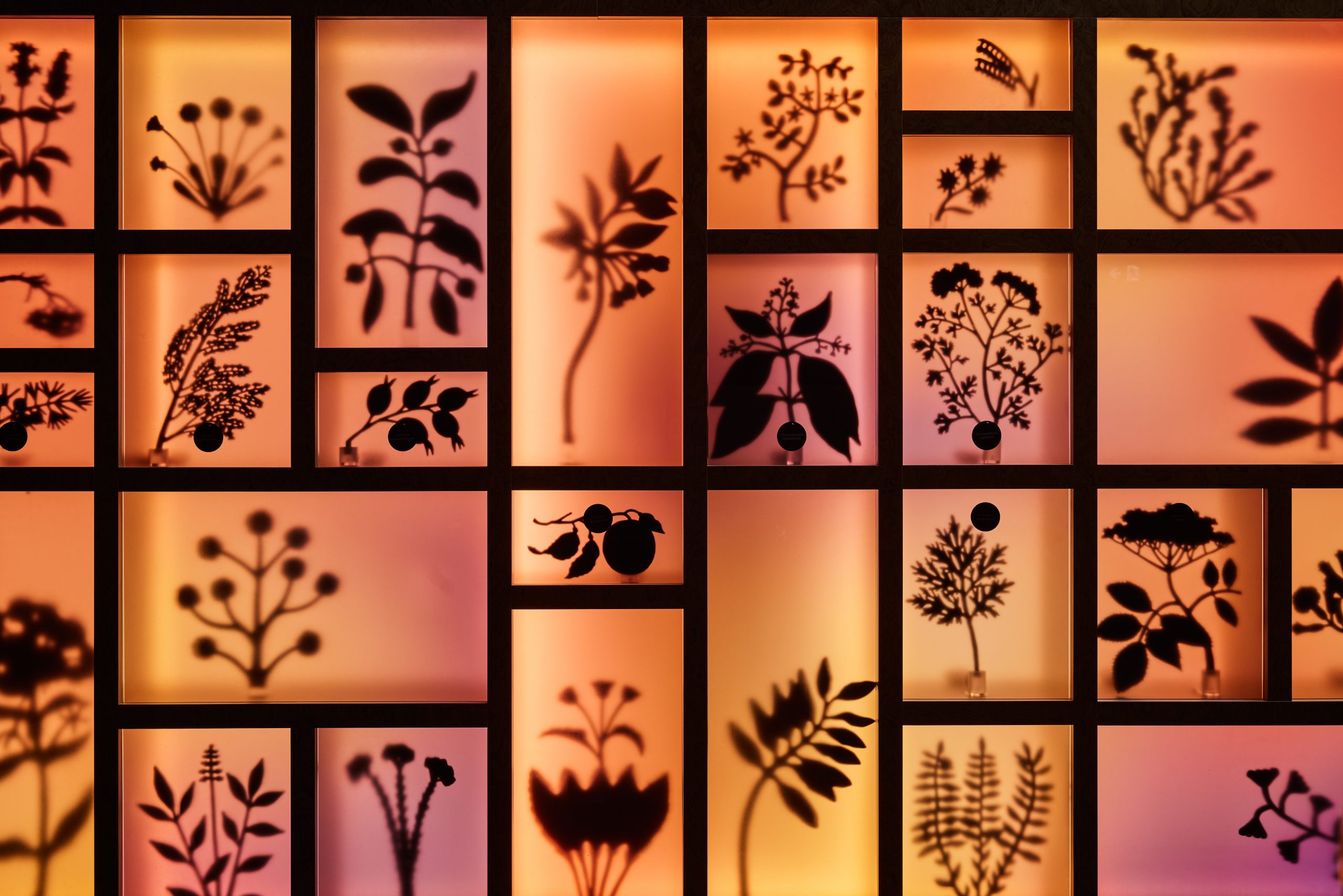
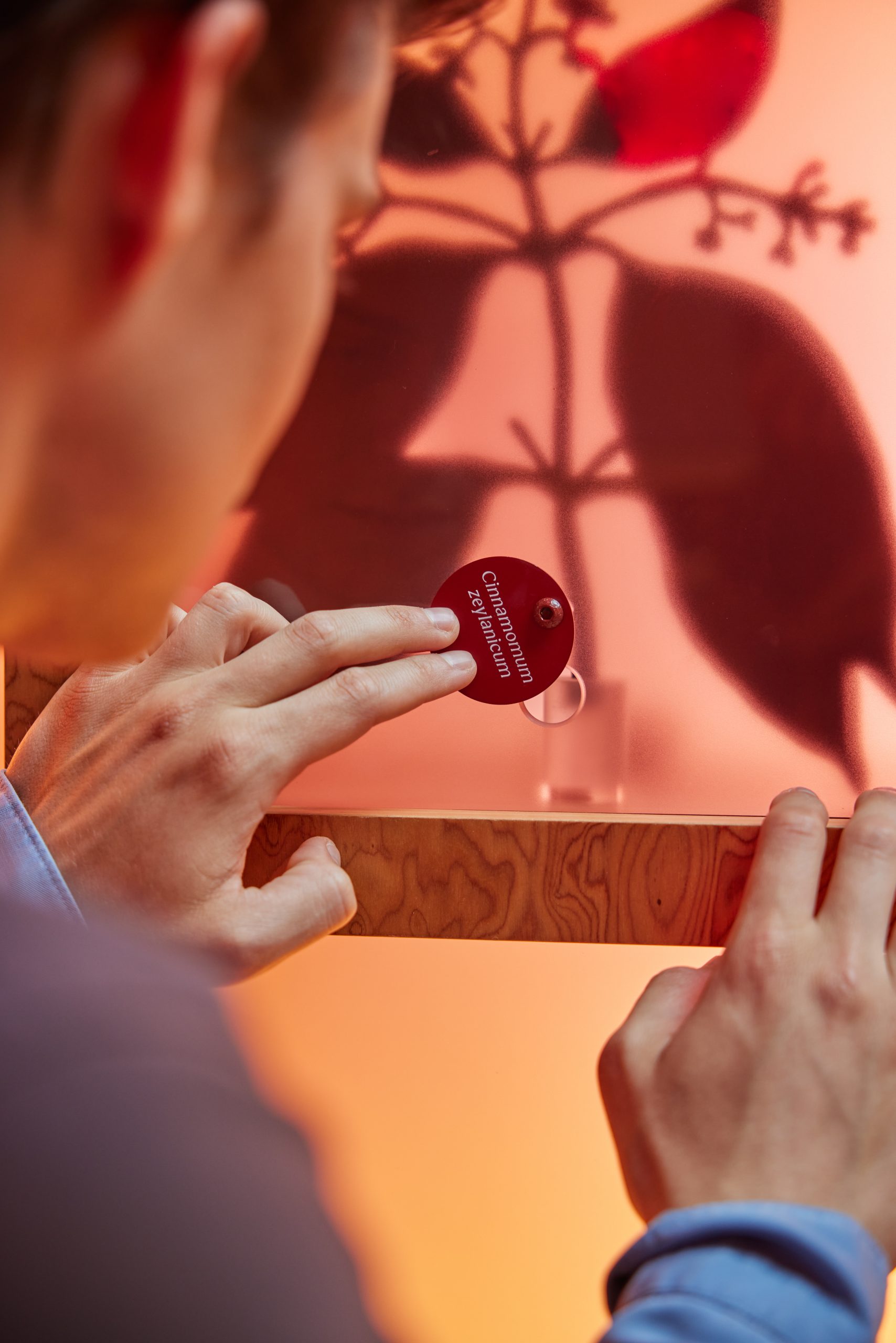
Ca’ Select is a multifunctional space divided into four areas: the bar/mixology area, where you can enjoy a Spritz accompanied by cicchetti; the events area, dedicated to culture and social life; the production area, where the 30 aromatic herbs that define Select’s recipe are macerated; and the magnetic and surreal exhibition path, curated by Studio Fludd, which offers a journey through time between Europe and the East, an interactive adventure revealing a different and authentic Venice.
What to see in the Cannaregio district
The Church of the Scalzi
A baroque triumph greets those who emerge from Santa Lucia railway station. Be aware, though: this is not Venetian baroque, but Roman – perhaps an attempt by the Discalced Carmelites, transferred here from Rome in 1654, to recreate a sense of home. It was for them that Loghena designed the church, dedicated to St Mary of Nazareth. The façade, the only one in Venice made of Carrara marble, is by Giuseppe Sardi, featuring a double order of columns and statues set within niches.
Inside, a sumptuous nave unfolds, adorned with polychrome marbles, sculptures and gilding. In the second chapel on the right (St Teresa in Glory), one fresco by Giambattista Tiepolo survives; the other, which once covered the central ceiling, was destroyed by the Austrians during the First World War. In the second chapel on the left lies the tomb of Ludovico Manin, the last doge.
The Jewish Ghetto
The first ghetto in Europe. The enclosed quarter of Venice’s Jewish community was established in 1516. Still today, it is a place of great historical and cultural significance, full of character, with tall tower-houses that conceal synagogues (or, in Venetian parlance, scuole).
Between the Ghetto Nuovo (which is in fact the older area, built on a small island encircled by water) stand the Scuola Grande Tedesca, the Scuola Canton and the Scuola Italiana, along with the Jewish Museum and typical shops selling kosher products. In the Ghetto Vecchio, the area stretching south-west towards the Cannaregio Canal, you will find the Scuola Levantina and the Scuola Spagnola, the largest and most imposing.
The House of Tintoretto
We are in the Campo dei Mori, named after the three statues depicting the three Mastelli brothers, who came from Morea. Merchants and bankers – and above all swindlers – they were turned to stone by the Madonna, invoked by an elderly woman they had deceived. The fourth statue, representing a loyal servant of the Mastelli brothers, is located directly on the façade of Tintoretto’s house. The building is instantly recognisable for its asymmetrical layout and the first-floor three-mullioned window with trilobed arches set on a moulded balcony. The entrance portal is accompanied by a plaque bearing an inscription in honour of the painter and a roundel depicting his face, while to the right stands a small statue of Hercules with a club. The house was inhabited by the master of Renaissance painting until his death on 31 May 1594.
The Madonna dell’Orto Church
A beautiful church overlooking an equally evocative square. We are in the Campo della Madonna dell’Orto, with its herringbone brick paving. The church, built in the fourteenth century and rebuilt in the following one, has an elegant façade in which Romanesque, Gothic and Renaissance elements can all be recognised. Inside, everything – or almost everything – speaks of Tintoretto. His tomb is located in the chapel to the right of the main one, and many of his works are housed here: San Giovanni Battista, which stands out from the right nave; above the Chapel of San Mauro is the Presentation of Mary at the Temple; on the side walls of the presbytery are the Last Judgement and the Adoration of the Golden Calf; and in the fourth chapel of the left nave, the Miracle of Saint Agnes.
Ca’ d’Oro
It offers its finest view from the opposite bank of the Grand Canal, in the San Polo district. Built between 1421 and 1440 and restored several times, its exquisitely arabesque façade makes it the most celebrated late-Gothic palace in Venice: truly magnificent, with its marble tracery and polychrome stonework. It is arranged around an evocative courtyard with an open staircase and a wellhead featuring an extraordinary decoration of acanthus leaves and female allegorical figures. Today, the palace houses the important art collection that its last owner, Baron Giorgio Franchetti, donated to the State in 1916 along with the building.
Article written in collaboration with