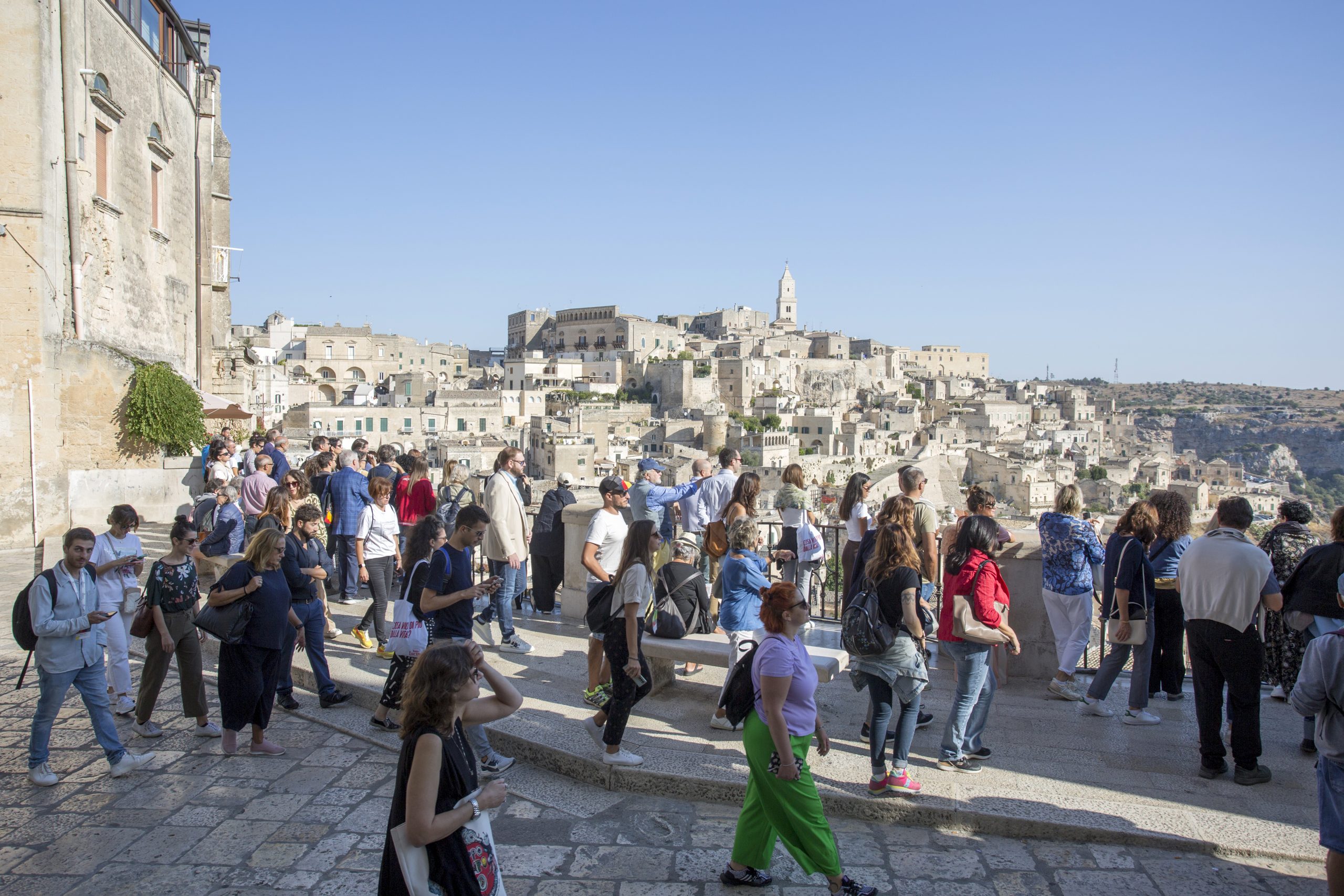
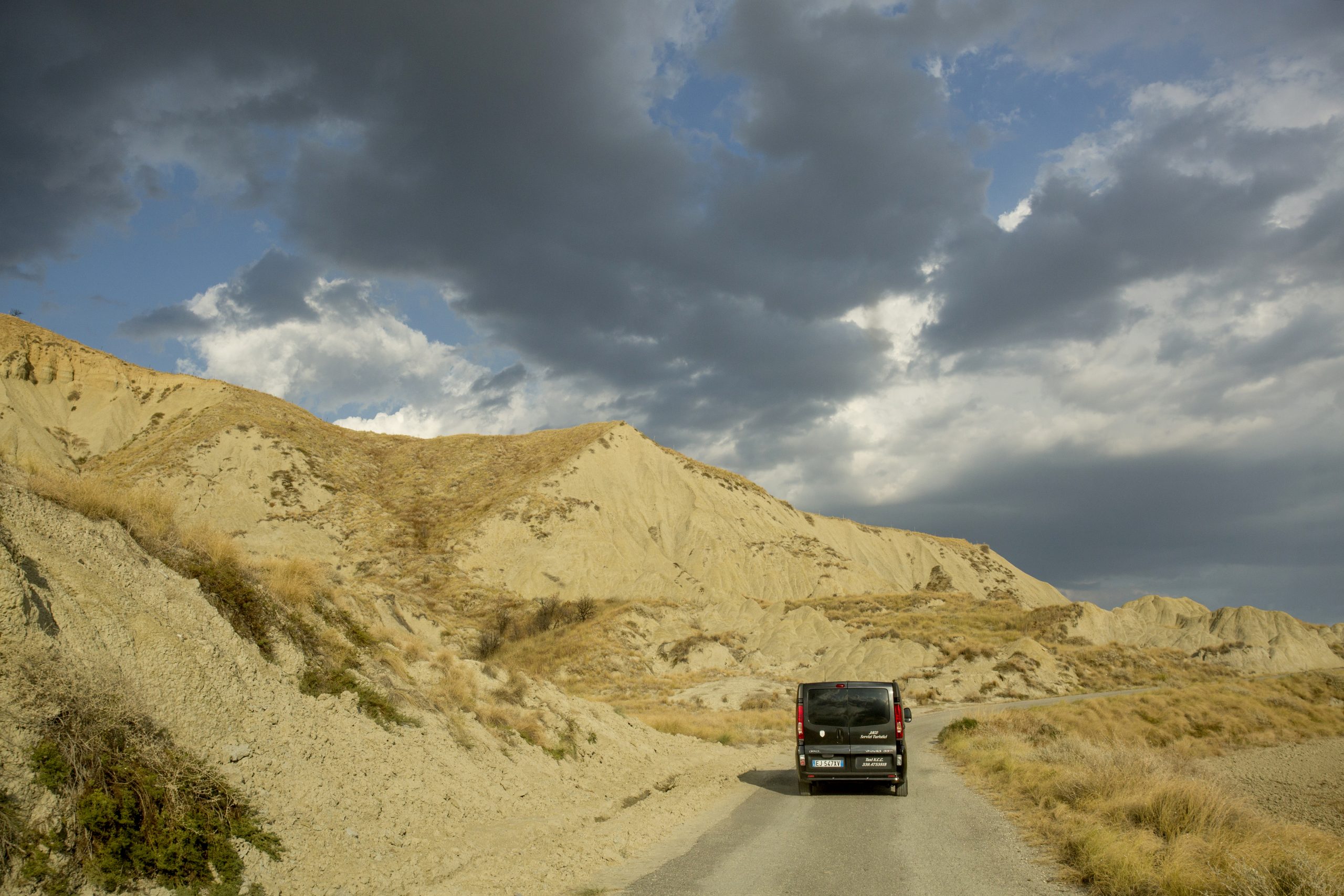
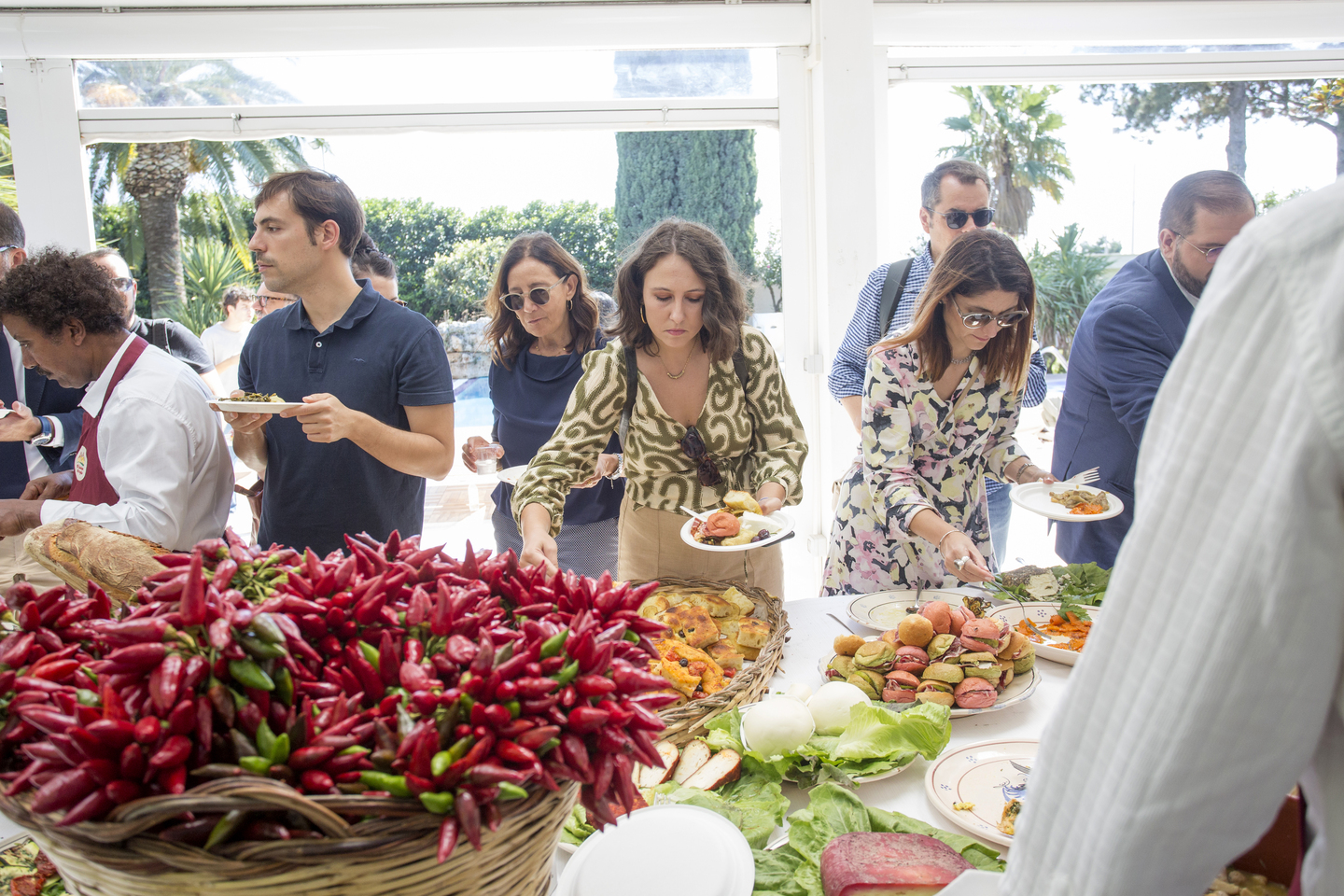
Pisticci and Matera hosted the annual Museimpresa Residential Seminar. Corporate museums and archives convened to develop shared strategies aimed at enhancing the extraordinary heritage that they preserve.
The event, held on 29th and 30th September at the Essenza Lucano Museum in Pisticci – founded in 2019 and dedicated to the history of Amaro Lucano and its brands – focused on the theme ‘Archive records as maps for development’. It took a detailed look at past decisions, ongoing changes, and the future directions businesses are pursuing – particularly in relation to tourism and its ties to local areas.
Antonio Calabrò, President of Museimpresa, comments, “The geography of our corporate archives and museums reflects the story of Italy as an enterprising, industrious, and innovative country. A country that knows that preserving and sharing its history is a fundamental driver of sustainable development, an economic and cultural asset essential for building a better future for new generations. Industrial companies, banks, insurers, and service firms demonstrate that the ability to ‘do it, do it well, and make it count’ has always been a catalyst for growth in the communities where these businesses originated, as well as a distinctive asset for competing in international markets. Industrial tourism, the central focus of our seminar in Matera, is not merely a journey through workplaces and industrial production. It is, above all, an inspiring exploration of the importance of connections between productivity and social inclusion, between science and beauty, and between new technologies and a strong sense of community. It is a journey through the boundless space of ‘thinking hands’ – an extraordinary form of social capital.”
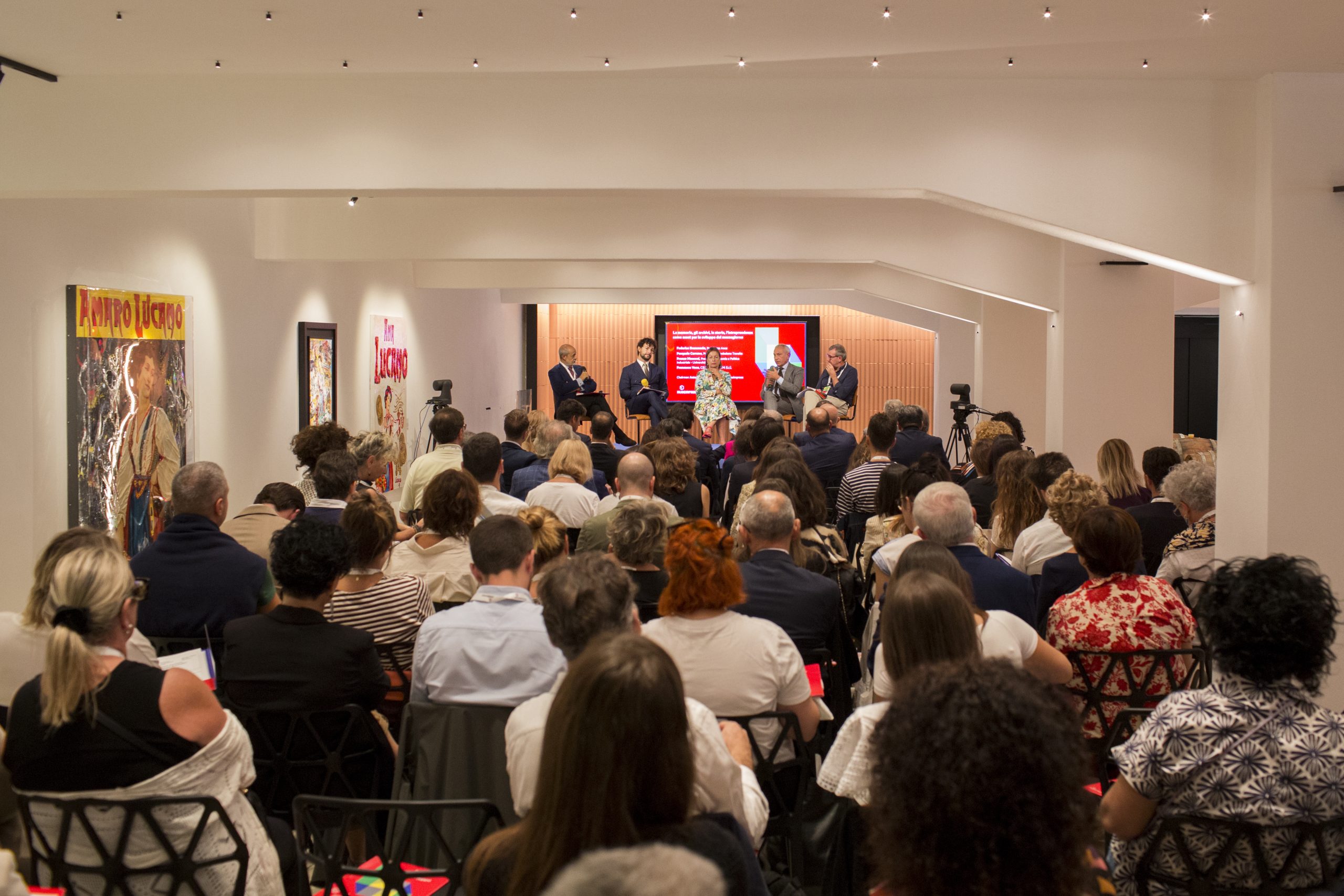
The programme for Friday 29th September began at 10 am with official greetings by the Mayor of Pisticci, Domenico Alessandro Albano, the Mayor of Matera, Domenico Bennardi, Vito Bardi, President of the Basilicata Region, and Francesco Somma, President of Confindustria Basilicata.
This was followed by a round table discussion titled ‘Memory, archives, history, and enterprise as assets for the development of Southern Italy’, chaired by Antonio Calabrò, President of the Museimpresa Association. Panellists included Federica Brancaccio, President of ANCE (the Italian Association of Private Construction Contractors), Pasquale Carrano, President of Smart Paper, Franco Mosconi, Professor of Economics and Industrial Policy at the University of Parma, and Francesco Vena, CEO of Lucano 1894.
“We are thrilled to host the Museimpresa annual seminar at Essenza Lucano. This event offers a unique opportunity to exchange ideas, experiences, and visions with representatives from all the affiliated companies. We firmly believe that museums can play a key role in the development, promotion, and preservation of the history of Italian industry. Matera, an open-air museum with its rich history and extraordinary beauty, provides the ideal setting for this event. It also serves as a model for how cultural industries and the tourism economy can be activated, as demonstrated by its designation as European Capital of Culture in 2019,” states Francesco Vena, CEO of Lucano 1894.
The programme centred on the theme of Tourism with a training seminar led by Emanuele Di Faustino, Head of Industry, Retail, and Services at Nomisma, and Roberta Garibaldi, Professor of Economics and Management of Tourism Enterprises at the University of Bergamo.
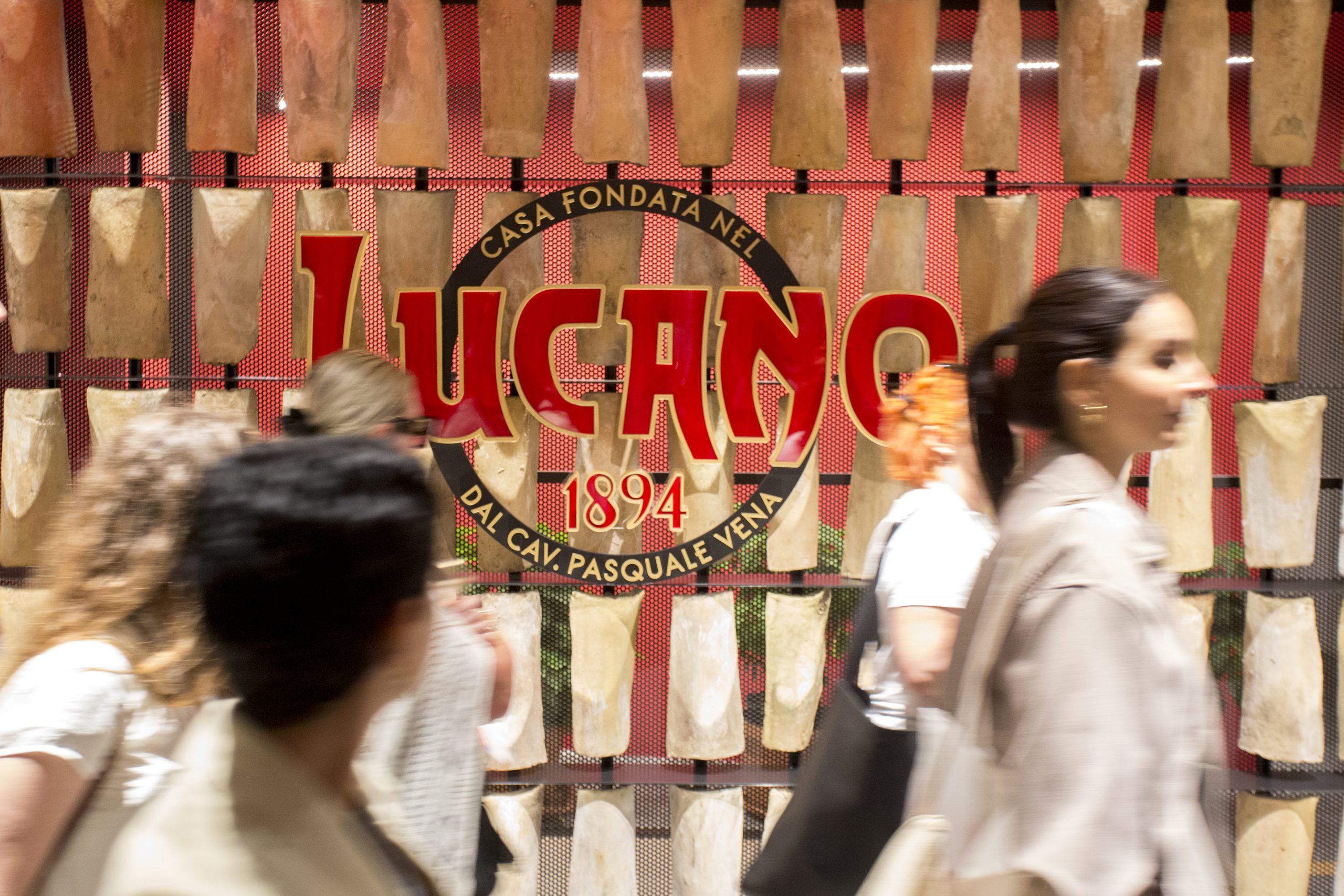
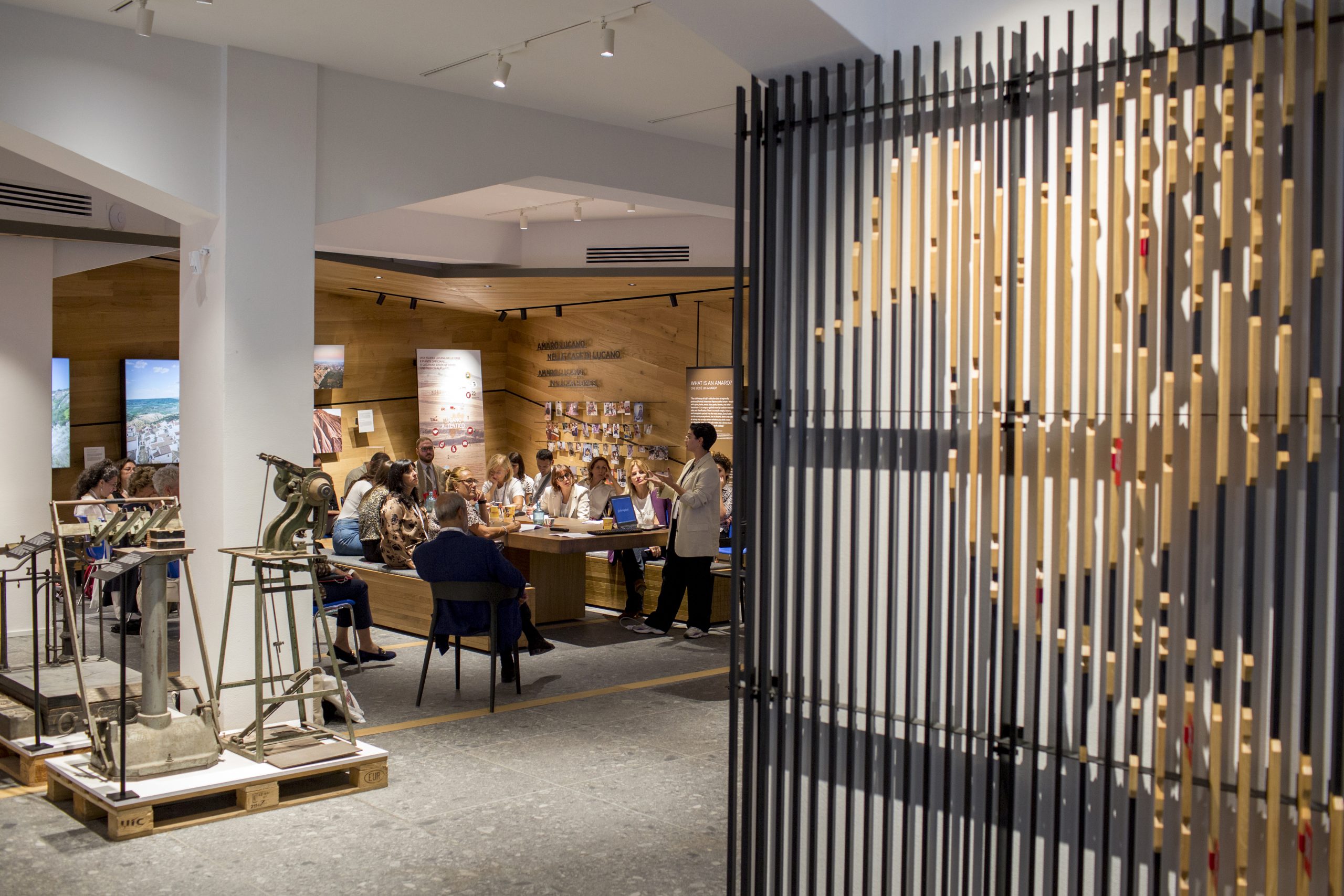
The events on Friday 29th September took place at the Essenza Lucano Museum in Pisticci Scalo, in the province of Matera, where, in conjunction with the event organised by Museimpresa, a new area of the exhibition space was inaugurated to host the seminar activities. History comes to life in the museum’s spaces. Visitors can literally touch, feel, and taste it. The experience begins in the courtyard’s aromatic garden, where the 30 herbs used in Amaro Lucano can be seen, touched, and smelled. It continues through a technological and interactive exhibition space, showcasing famous advertising campaigns and the stories of the individuals who made the history of Amaro Lucano. The journey parallels the paths of Essenza Lucano, from the tradition of ancient walnut presses in motion to new cultural and sensory experiments.
Essenza Lucano offers a journey through the past and present, discovering ancient traditions and modern technologies. It is divided into five thematic areas: Lucania, Lucano, Amaro, History, and ‘Pacchiana’ (a symbol of Lucanian folk traditions), each retracing the company’s history and guiding visitors through a captivating multisensory experience. Amaro Lucano was created in Pisticci in 1894, the result of the passion for herbalism of its creator, pastry chef Pasquale Vena. The essence of more than 30 aromatic herbs has been telling a story of tradition, art, and culture for 129 years.
Saturday 30th September was dedicated to a visit to the Museo del Pane di Vito Forte (Vito Forte Bread Museum), the first museum experience dedicated to bread in Puglia. Located just a short walk from the Cathedral of Santa Maria Assunta, the museum is next to one of the oldest medieval ovens in Altamura. It was here that, aged eleven, the young apprentice, Vito Forte, began to pursue his dream. He would ride his bicycle to collect bread from local housewives and take it to bake in that very oven. That dream made him the Ambassador of Altamura Bread worldwide. The bakery has been restored not only to serve as a testament to a story of entrepreneurial success, but also to house and promote the history of Altamura Bread. The journey unfolds in a multimedia and sensory experience within this Exhibit Design space, retracing both the history of bread and the art of Altamura baking, while linking it within the surrounding environment and countryside, which are integral to understanding its story.
The Museimpresa seminar concluded with a visit to the Giovanni Mucci Confetto Museum, located in the original Mucci factory, founded in 1894 by Nicola Mucci in the heart of the historic centre of Andria. It was here, in the 1930s, that the famous ‘Tenerelli Mucci®’ were created — small masterpieces of confectionery which are still made using the secret family recipe and are now part of the heritage of the city of Andria. The museum, the result of patient and passionate research, is divided into four sections: documents, tools, machinery, and moulds used in the production of sugared almonds, sweets, and chocolate. It is recognised by the Italian Ministry for Cultural Heritage and Activities and is listed among Italy’s Historic Venues.
These destinations form three of the four stops in the ‘Grand Tour of Corporate Museums’, a project conceived and promoted by four prominent corporate museums in Southern Italy: the Essenza Lucano Museum in Basilicata, the Amarelli Liquorice Museum in Calabria, the Vito Forte Bread Museum, and the Mucci Confetto Museum in Puglia.
This pioneering initiative aims to promote tourism in Southern Italy by uncovering unique and fascinating corporate histories, made possible with the invaluable support of Apt Basilicata and Welcome Lucania.
The presentation event for the ‘Grand Tour of Corporate Museums’ will take place on 13th October during the TTG trade fair in Rimini: an unmissable event for fans of tourism and local cultures.