A neighbourhood in constant evolution, home to the ‘Ex Provianda di Santa Marta’ and the ‘Osservatorio Monografie d’Impresa’ (Observatory of Business Monographs)
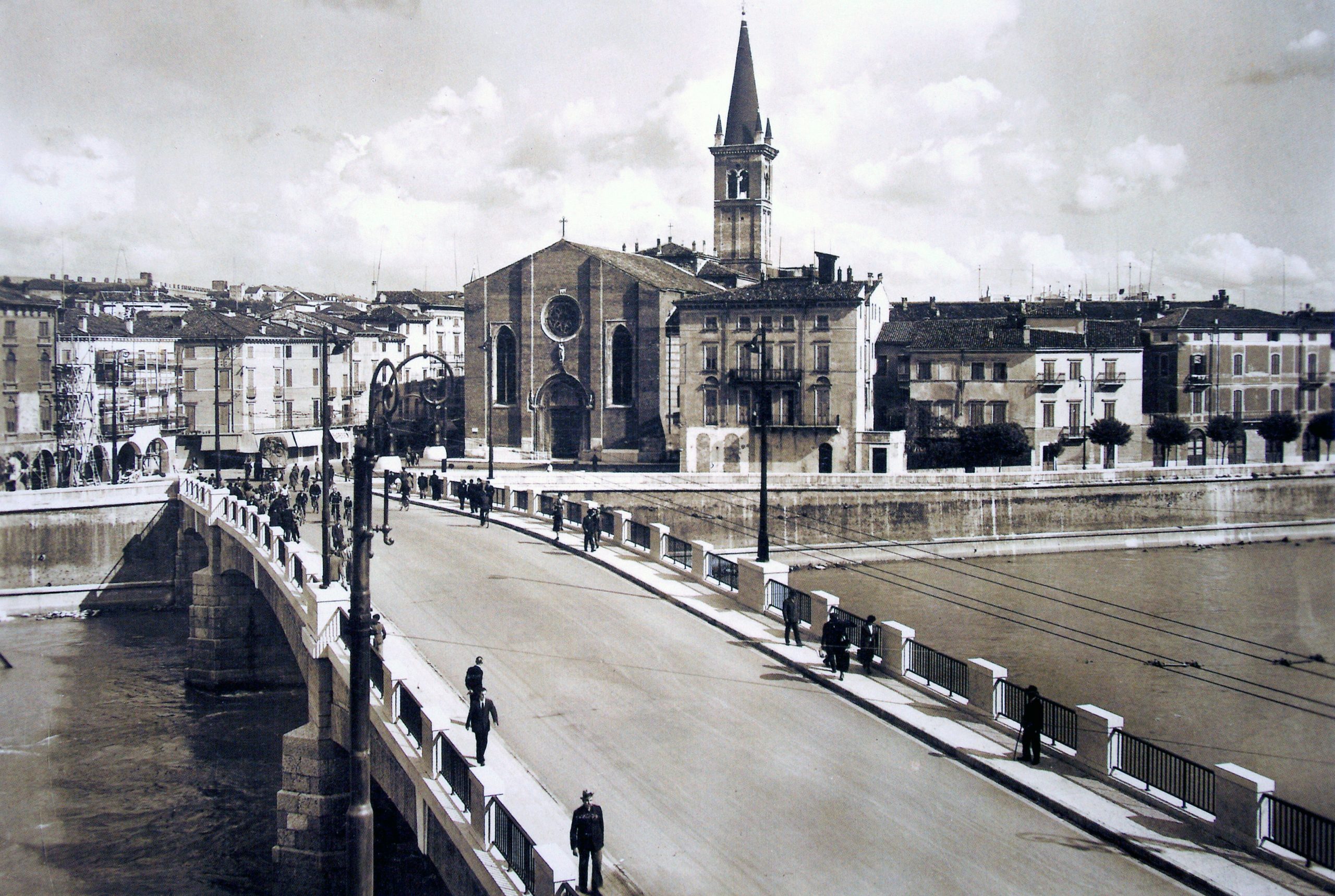
On the left bank of the Adige River, beyond the Arena, Juliet’s house, Piazza delle Erbe, and Verona’s other well-known attractions, lies the bustling district of Veronetta. The name originated with Napoleon’s French followers, who settled in Verona’s historic centre in 1801. On viewing the urban development on the left bank, occupied by the Austrians, with a mix of arrogance and disdain, they dismissively referred to it as Veronette (‘little Verona’).
Established in the early Middle Ages as a working-class suburb, Veronetta has historically played a marginal and subordinate role compared to the main city within the river’s large bend. This may be partly due to its longstanding tradition of craftsmanship and manufacturing. In recent years, however, thanks in part to the University of Verona, which has two campuses in the area, the area has begun to thrive and now offers more reasons to stay with vibrant cultural, musical, and artistic events and venues.
From the enchanting scenery of the Roman Theatre and Ponte Pietra to the breathtaking view from Castel San Pietro, as well as the beautiful churches of San Giorgio in Braida, Santo Stefano, Santa Maria in Organo, and San Giovanni in Valle, and the Parco delle Mura and Giardino Giusti, visitors can admire places that blend old and new: La Giarina Contemporary Art, Galleria Studio La Città, Fonderia 20.9, and the Isolo17 Gallery – exhibition spaces and cultural exchange centres.
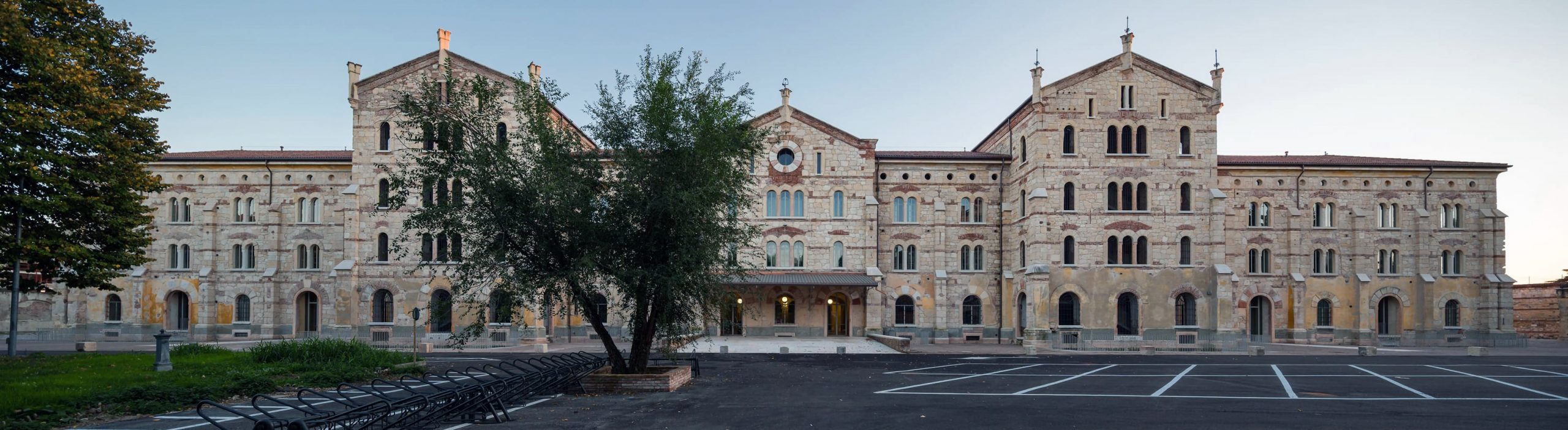
The neighbourhood intertwines ancient history and contemporary identities, often highlighted by the proliferation of associations that promote the local area and foster social connections. The Osservatorio Monografie d’Impresa has found its home in this lively setting, within the Ex Provianda Militare di Santa Marta, a former military bakery and now a prestigious university site.
The Ex Provianda di Santa Marta
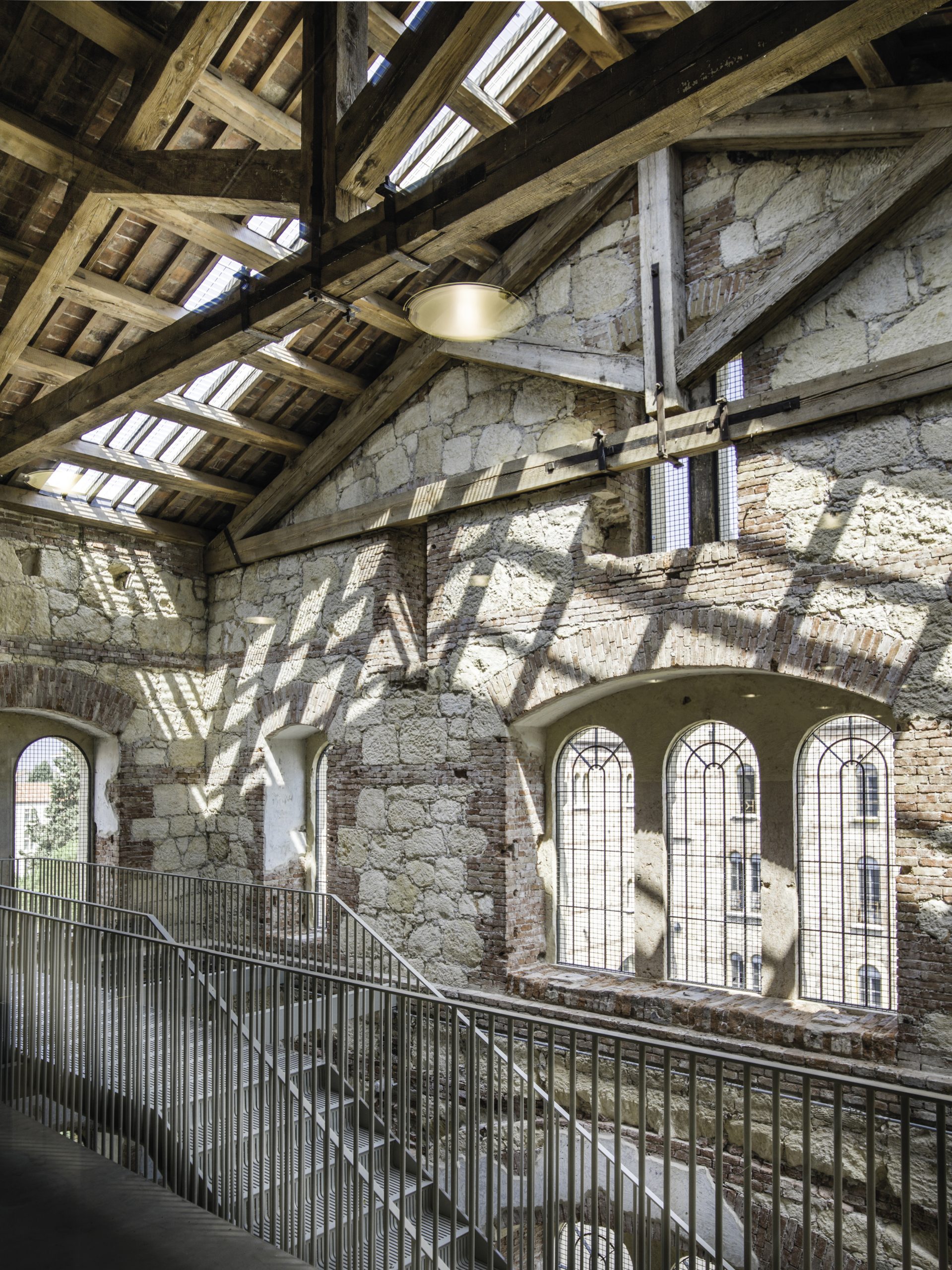
In Veronetta, in the area once occupied by Campo Marzio, the church of Santa Maria Maddalena and its adjoining monastery, have stood since 1212. In the 19th century, perhaps due to a transcription error in the land registry of the convent’s assets, the church’s name was changed to Santa Marta. During the same period, the complex was sold to the Capuchins and later transferred to the Austrian military authority, which was then engaged in countering the wars of independence. Between 1863 and 1865, the Austrians, who occupied this territory, razed the ancient buildings and constructed the Provianda, a facility for producing bread and hard biscuits, as well as storing and managing other basic provisions for the army. After 2000, the site underwent a stunning restoration by the architect, Massimo Carmassi, who was awarded the Gold Medal for Architecture by the Milan Triennale. Since 2015, the Provianda di Santa Marta has housed the departments of Economics and Management at the University of Verona, along with the operational headquarters of the Osservatorio Monografie d’Impresa.
The Osservatorio Monografie d’Impresa
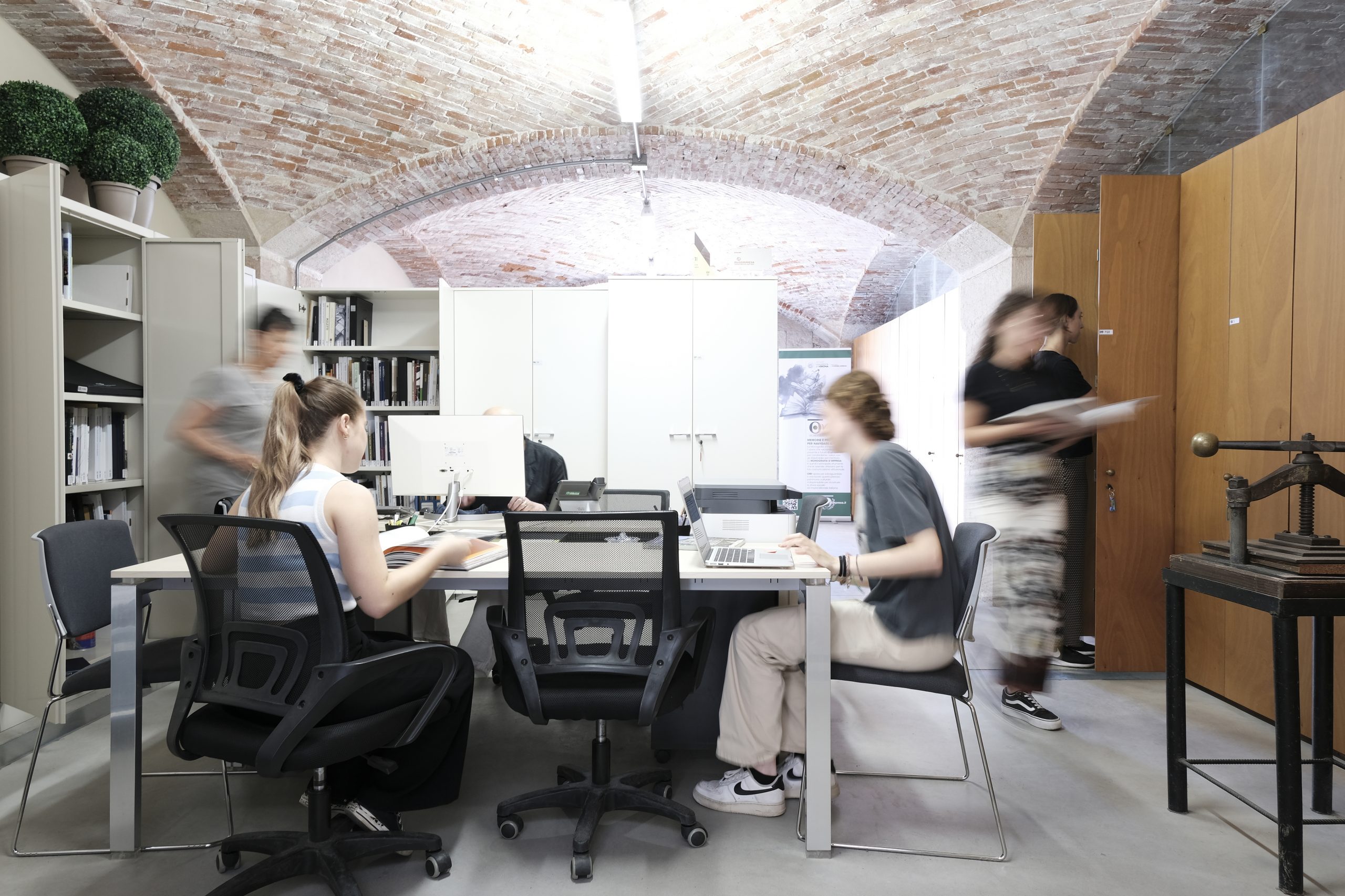
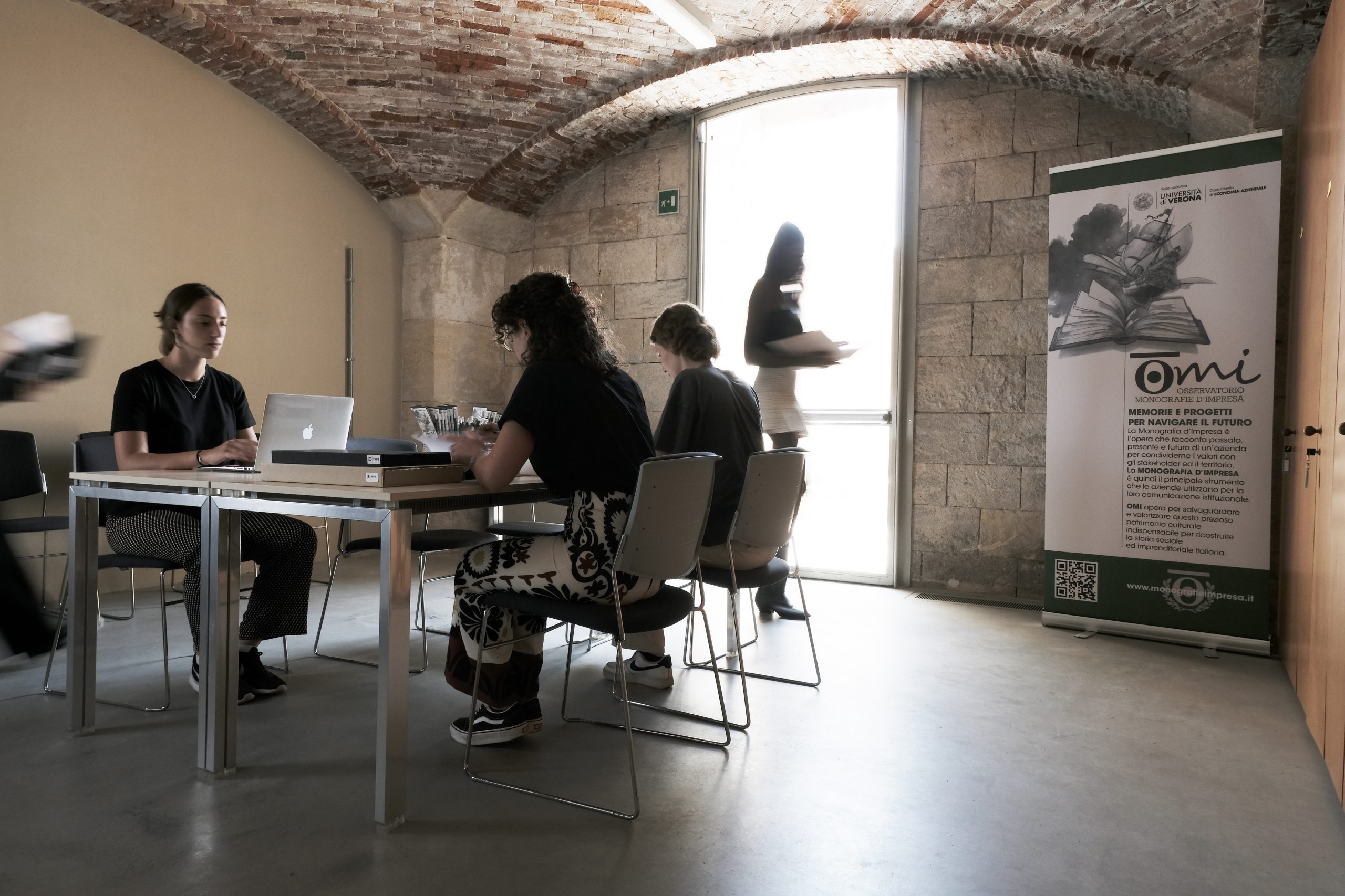
Business monographs are editorial tools (volume, books, or brochures) that explore a company’s history in its entirety, from its origins to its future prospects. They narrate the stories of visionary founders and their heirs, who have carried forward their vision, alongside the company’s values, developments, and achievements. As an institutional product, they seek to strengthen brand reputation by engaging all stakeholders (employees, customers, and suppliers) while creating synergy with the local community and beyond. The Osservatorio Monografie d’Impresa was established in Verona in 2013 as an association of social promotion dedicated to studying and preserving this unique form of literature, focusing exclusively on works by Italian companies or those with at least one branch in Italy. It is a bold initiative, given the rarity of such works, which, without the Observatory, would largely risk being lost. Today, the library archive holds over 1,600 business monographs, accessible to the public for free guided consultations. They are also used by university students for activities such as analysis, review, and cataloguing during their internships.
However, the Observatory does not merely preserve these corporate ‘self-portraits.’ It also organises seminars, round tables, and workshops on brand reputation, branding, social responsibility, storytelling, and heritage marketing. It also carries out extensive cultural and educational activities aimed at entrepreneurs, communicators, industry experts, and university students.
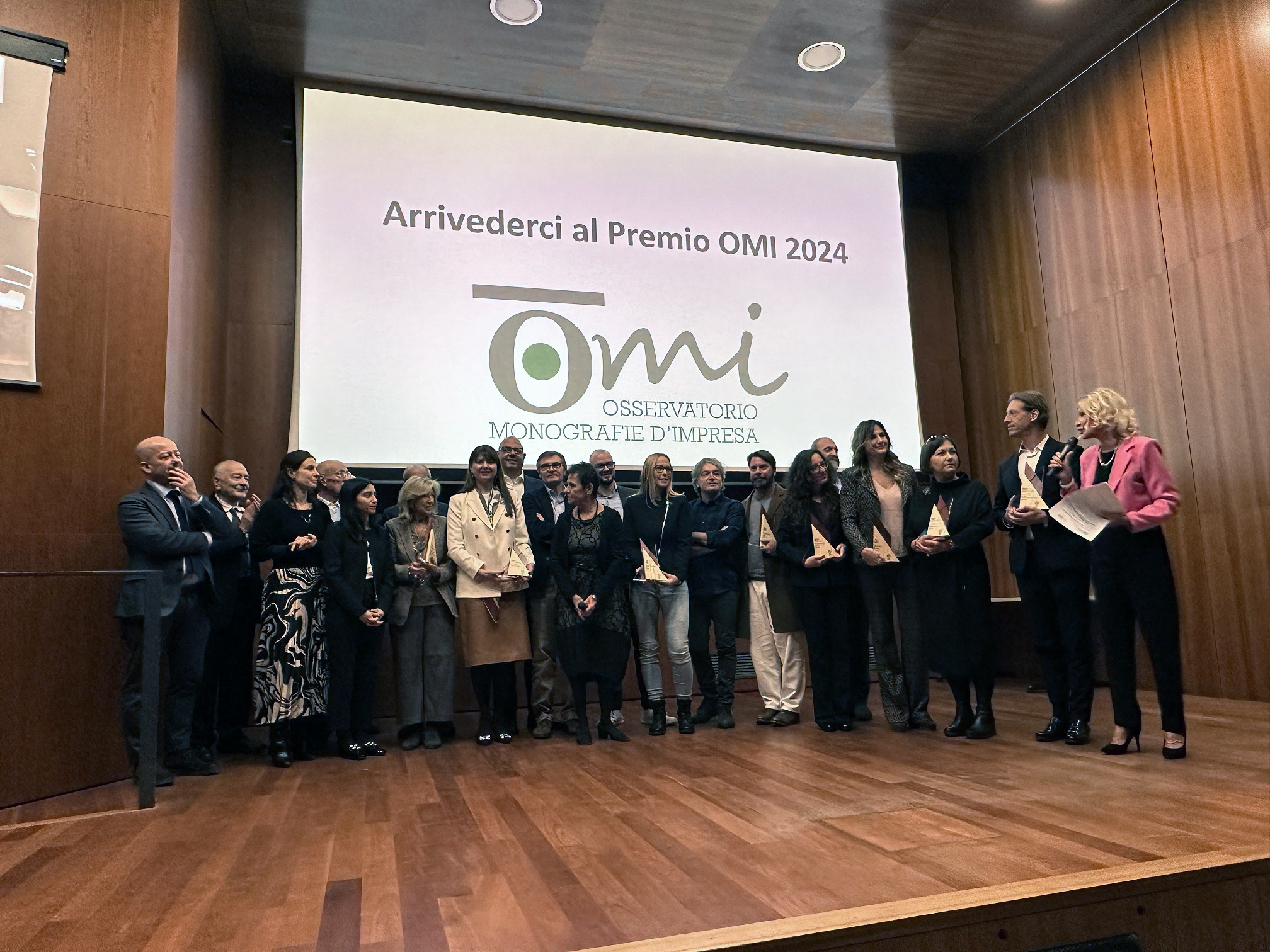
Another significant activity by the Observatory is the biennial OMI Award for the Best Institutional Business Monograph, which celebrates the value of corporate storytelling and its importance in relationships with stakeholders.
In collaboration with